Water
Keep soil consistently moist during the active growing and flowering periods, ensuring it does not become waterlogged. Reduce watering significantly once the plant enters dormancy, allowing the soil to dry out almost completely.
Also known as Altar-Lily · Arum · Arum Lily
Safety note: This plant may be toxic to humans and pets. See toxicity details.
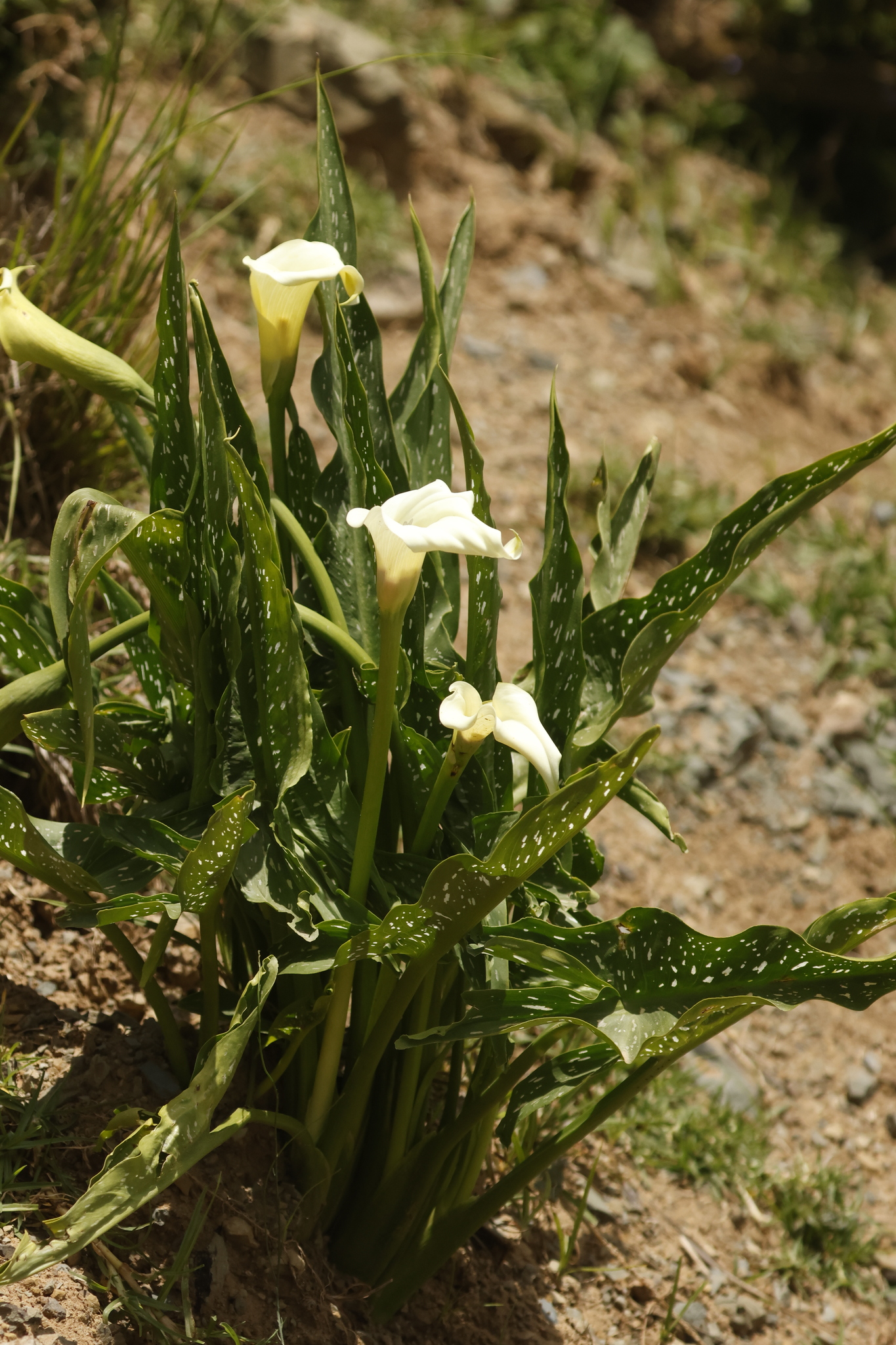
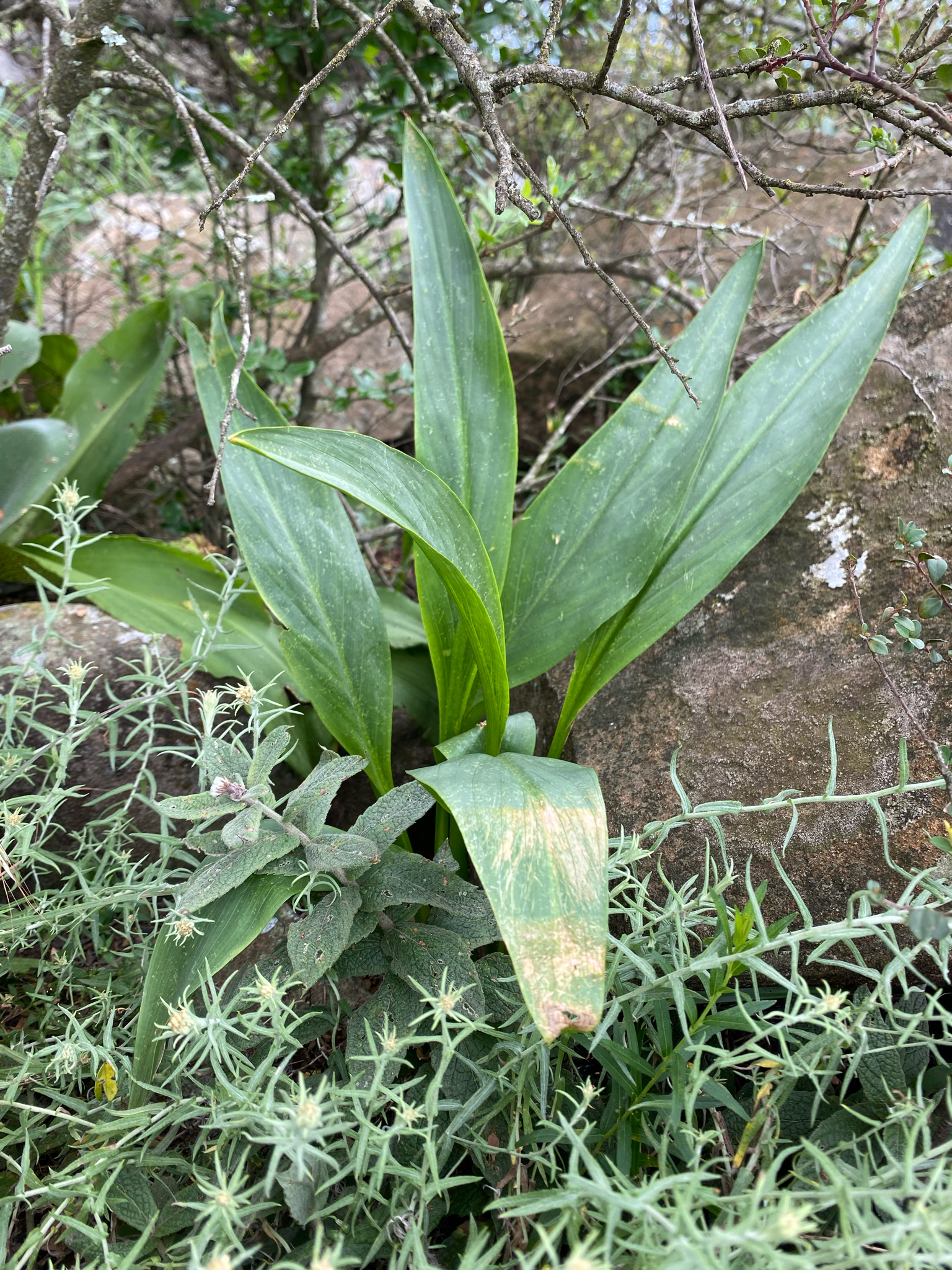
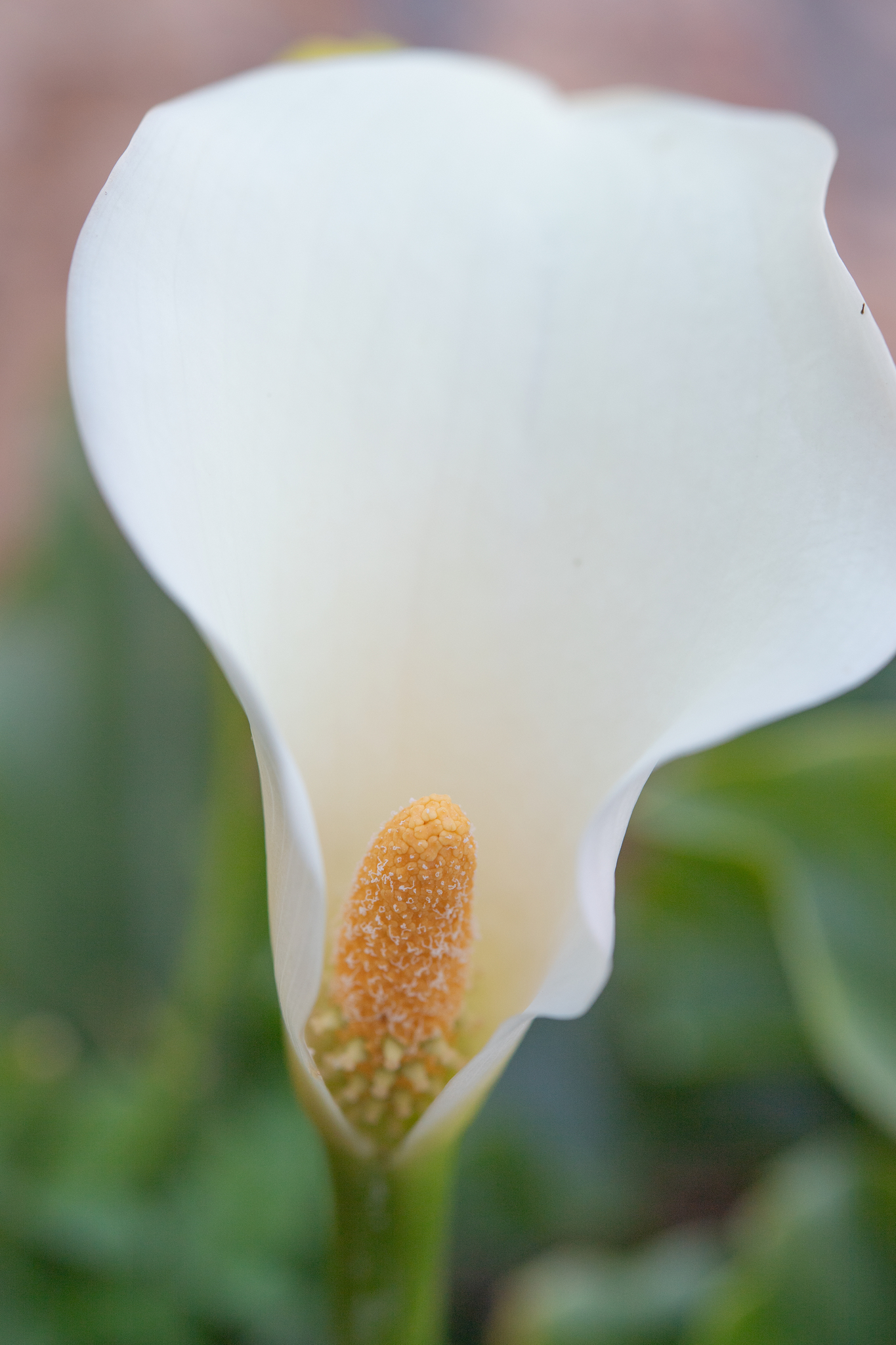
Calla Lily (Zantedeschia aethiopica) is an elegant perennial herb, prized for its striking white, funnel-shaped spathes and glossy green leaves. Native to Southern Africa
At-a-glance light, water, soil, and growing conditions from plant data
Prefers bright indirect light to partial shade.
100% intensity
Keep soil consistently moist during growth, reduce during dormancy.
100% intensity
Active Growth & Dormancy
Rich, moist, well-draining loam
50% intensity
Thrives in 15-25 °C, protect from frost.
100% intensity
Outdoor, Indoor
50% intensity
Feed every 2-4 weeks during growing season.
100% intensity
Active Growth
Safety information from plant toxicity data
| Attribute | Value |
|---|---|
| Toxic for humans | Yes 5/5 intensity |
| Toxic for pets | Yes 5/5 intensity |
| Edible | No |
All parts of the Calla Lily contain insoluble calcium oxalate crystals, which cause severe irritation upon ingestion. Symptoms include intense burning and irritation of the mouth, tongue, and lips, excessive drooling, vomiting, and difficulty swallowing.
Key traits and growing stats from plant data
Watering, pruning, propagation, and repotting details from plant data
Keep soil consistently moist during the active growing and flowering periods, ensuring it does not become waterlogged. Reduce watering significantly once the plant enters dormancy, allowing the soil to dry out almost completely.
Regular pruning involves removing spent flower spathes promptly by cutting their stems near the base. This deadheading encourages the plant to produce more blooms and prevents it from expending energy on seed production.
Additionally, trim any yellowing, damaged, or diseased leaves as they appear to maintain plant vigor and a neat appearance. This practice also improves air circulation, which can help prevent fungal issues.
Minimal pruning is needed during dormancy.
Calla Lilies are typically propagated by dividing their rhizomes (underground stems) in late winter or early spring, just before new growth begins.
Carefully lift the plant, separate the rhizomes, ensuring each division has at least one 'eye' or growth point. Replant these divisions immediately.
They can also be grown from seed, though this is a slower process and may not produce true-to-type plants.
Repot Calla Lilies every 1-2 years, or when they become root-bound, usually in late winter or early spring before active growth commences.
Choose a pot only slightly larger than the previous one to avoid overwatering issues.
Use fresh, well-draining potting mix, ideally a loam-based compost, and ensure the new pot has adequate drainage holes to prevent root rot and promote healthy development.
Identify plants like this with ePlant AI
Snap a photo to get care tips and match similar species on the go.
Monthly activity intensity for bloom and fruit across both hemispheres.
Flowering & fruiting calendar
Flowering & fruiting calendar
Photos of Calla Lily (Zantedeschia aethiopica)
Where Calla Lily (Zantedeschia aethiopica) is found

Density
Tap map to explore
Common names and botanical synonyms
Botanical classification
| Rank | Name |
|---|---|
| Kingdom | Plantae |
| Division | Tracheophyta |
| Class | Liliopsida |
| Order | Alismatales |
| Family | Araceae |
| Genus | Zantedeschia |
| Species | Zantedeschia aethiopica |
Similar in genus Zantedeschia
Answers based on plant encyclopedia data