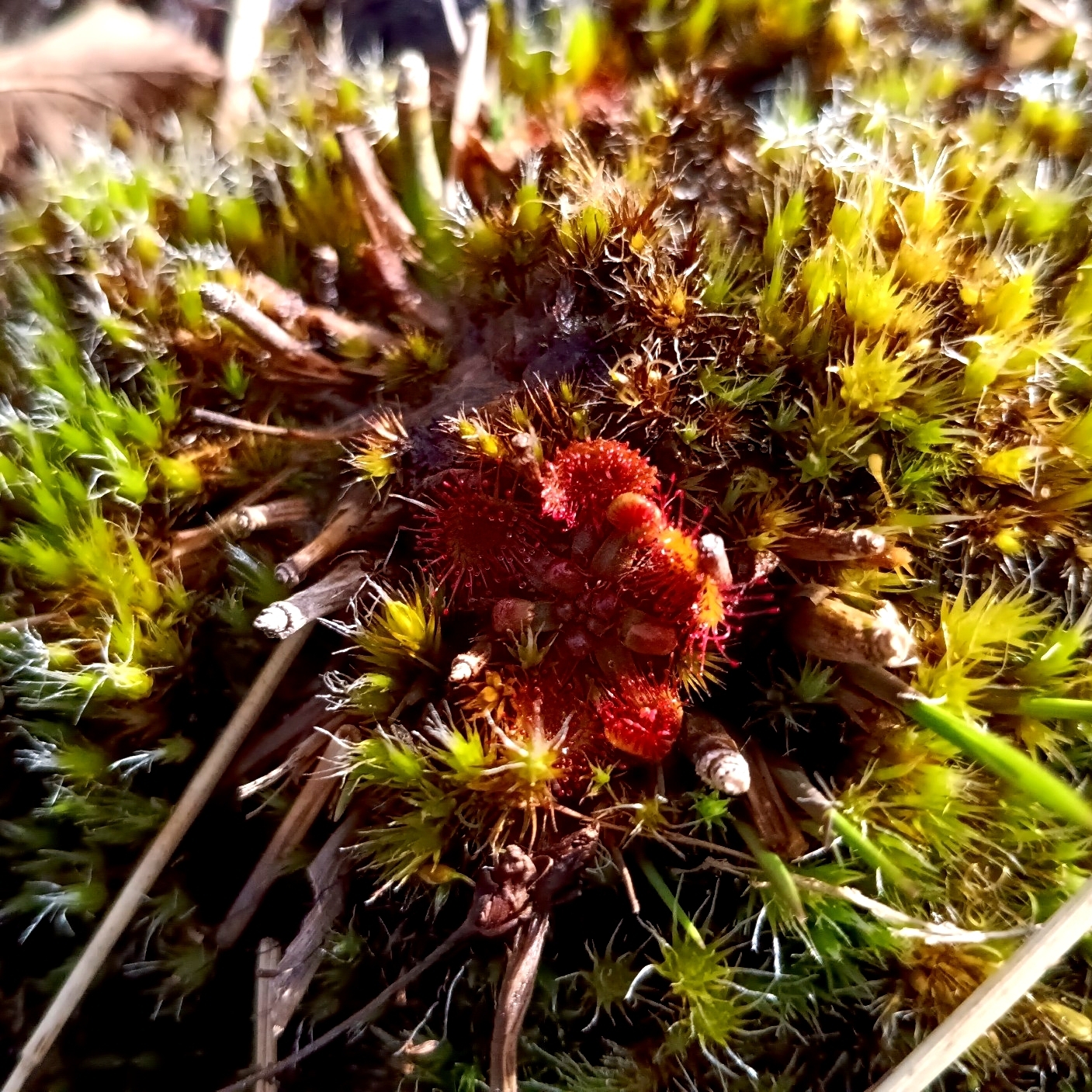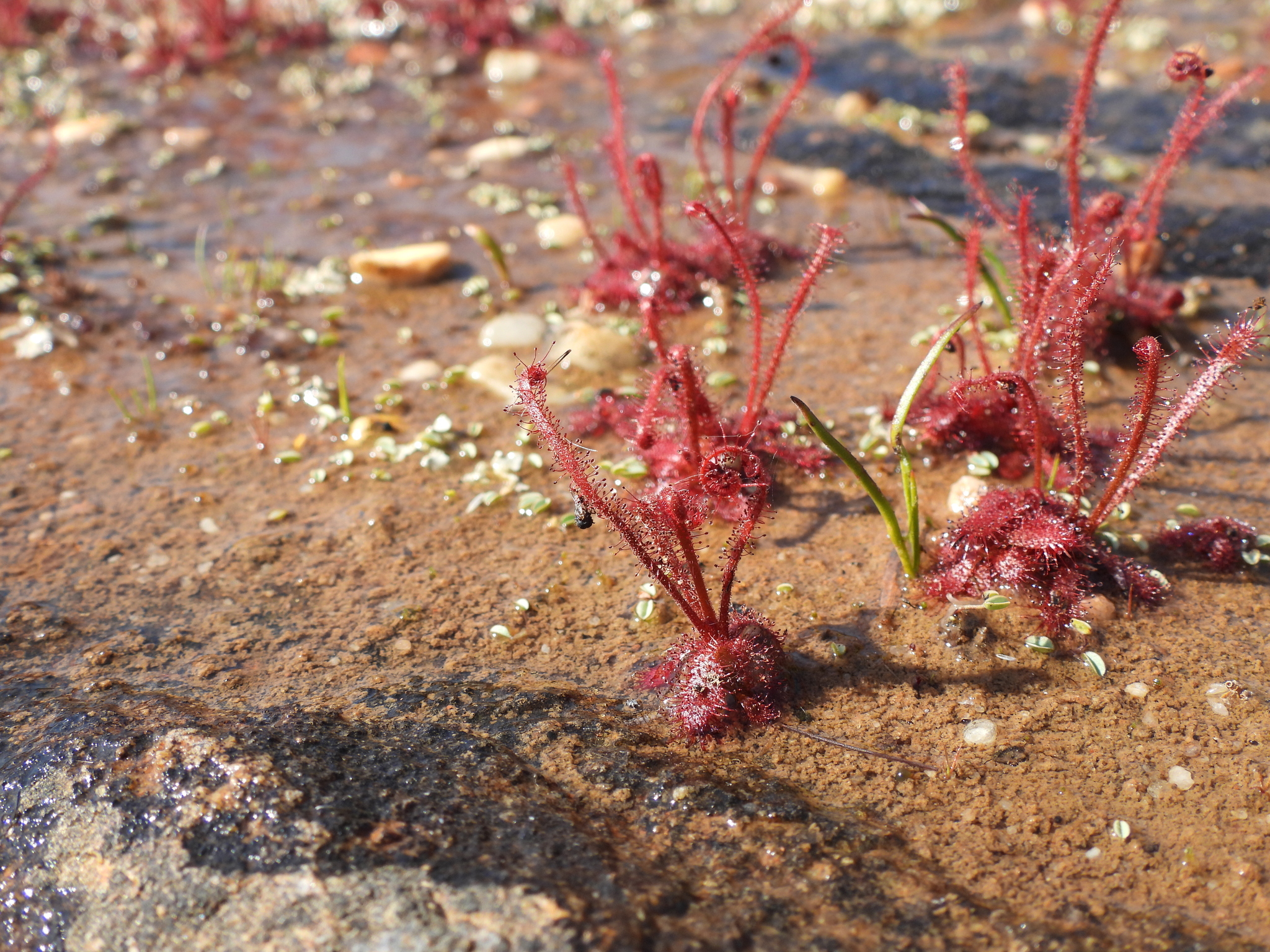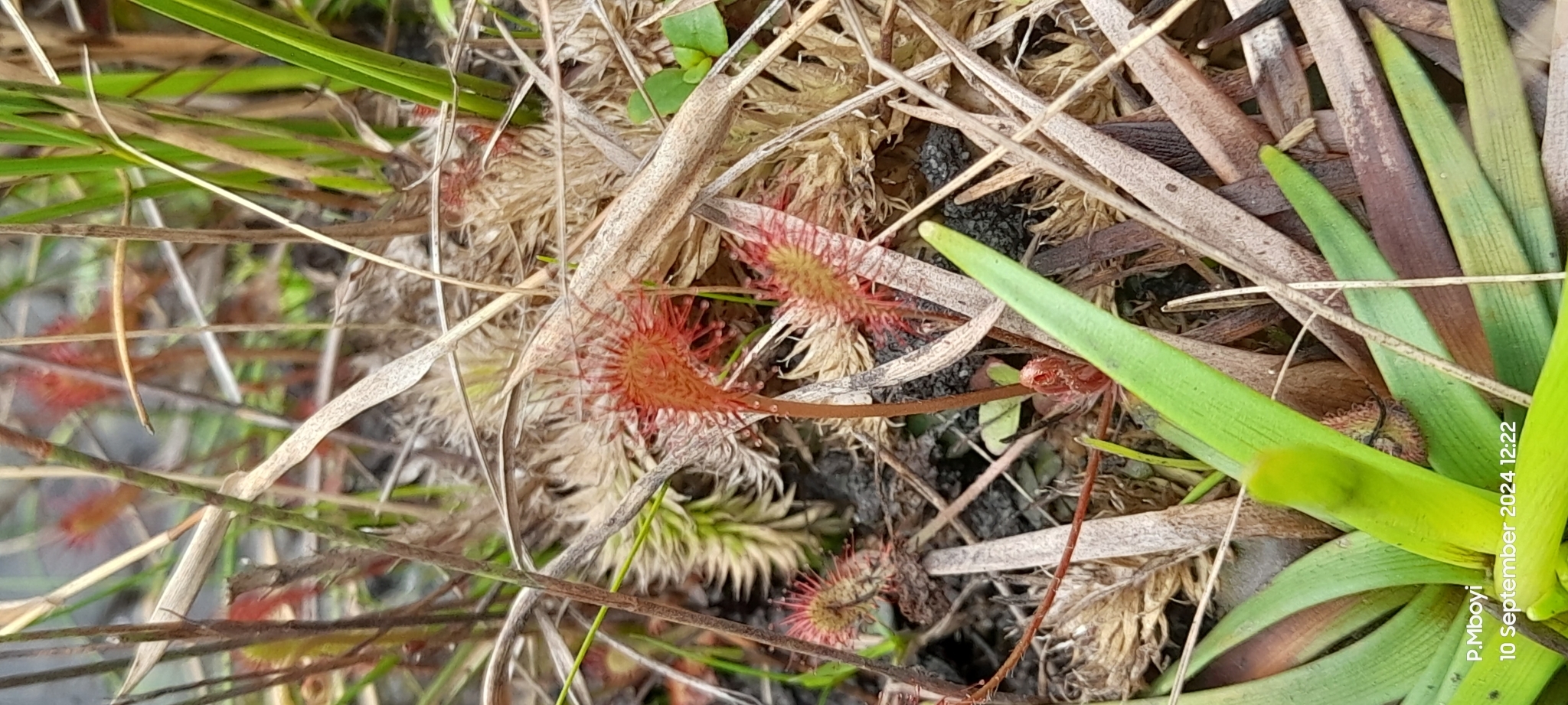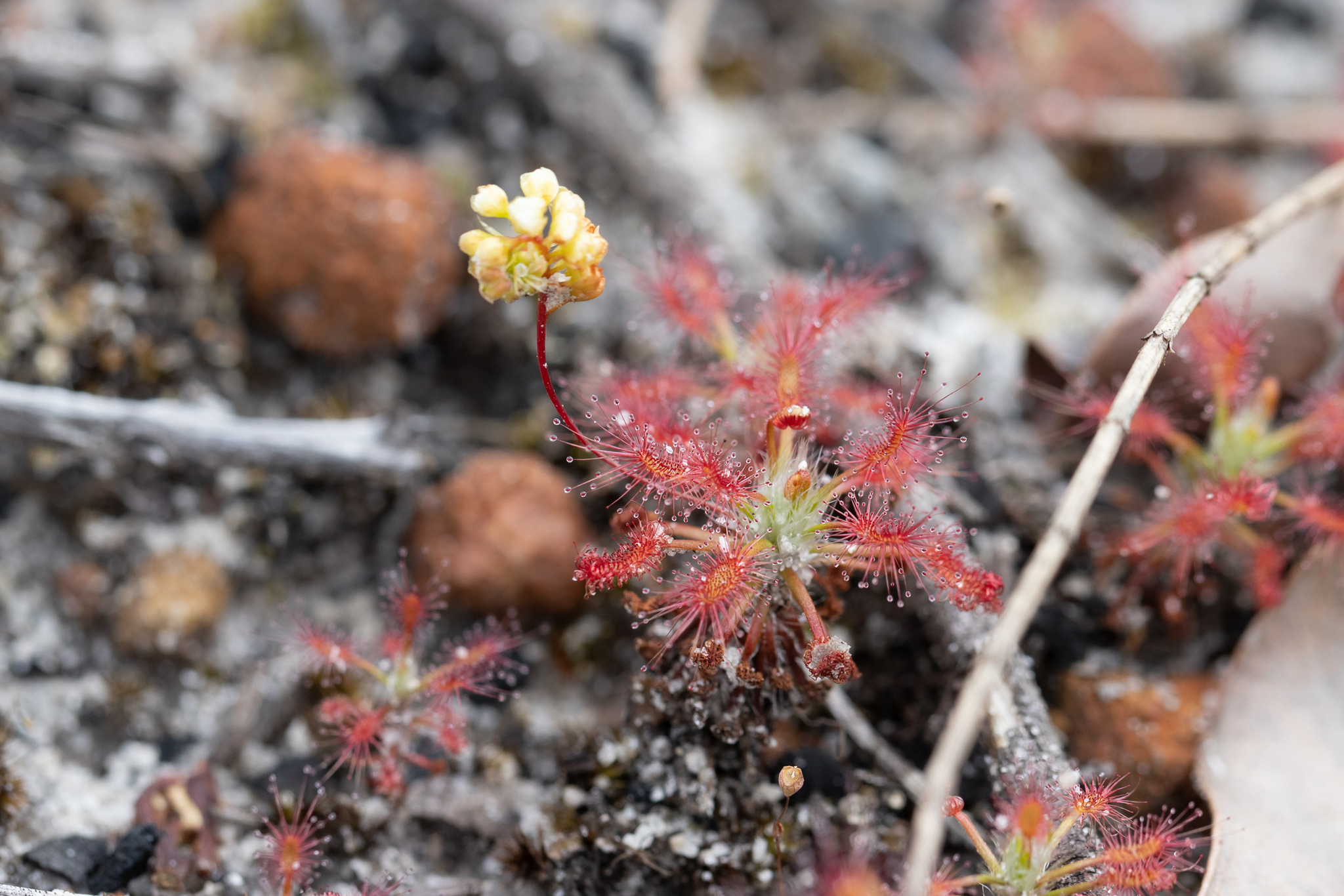
Drosera capensis, the Cape Sundew, is a carnivorous plant famed for its sticky tentacles that trap insects, making it a popular and fascinating specimen for plant enthusiasts.
Above information is sourced from Wikipedia
Sunlight
Bright, indirect light is optimal.
Watering
Keep soil consistently moist, use distilled or rainwater.
Soil
A well-draining, nutrient-poor mix is essential. A common blend includes peat moss and perlite or sand in a 1:1 ratio. Avoid standard potting soil or fertilizers.
Temperature
Average room temperatures are suitable.
Habitat
House Plant, Indoor, Greenhouse, Outdoor
Fertilizer
Does not require traditional fertilization.
Bright, indirect light is optimal.
Avoid prolonged direct sun which can scorch leaves.
Keep soil consistently moist, use distilled or rainwater.
Tray watering is recommended.
A well-draining, nutrient-poor mix is essential. A common blend includes peat moss and perlite or sand in a 1:1 ratio. Avoid standard potting soil or fertilizers.
Average room temperatures are suitable.
Avoid extreme fluctuations.
House Plant, Indoor, Greenhouse, Outdoor
Does not require traditional fertilization.
Nutrients are obtained from trapped insects.
Plant Type
Herb
Plant Category
Ornamental
Plant Place Type
Pot, Ground
Plant Environment
House Plant, Indoor, Greenhouse, Outdoor
Lifespan
Perennials
Plant Height
0.1-0.2 m
Spread
0.15-0.3 m
Growth Rate
Moderate
Dormancy
None
Leaf Color
Green, Red
Leaf Type
Spatulate
Flower Size
1-2 cm
Optimal Sunlight Lux
50000
Toxic for humans
No
Rating: 0/5
Toxic for pets
No
Rating: 0/5
Edible
No