Water
Keep soil consistently moist but not waterlogged. Allow the top 2-3 cm of soil to dry between waterings. Reduce frequency in cooler periods.
Also known as Border Carnation · Carnation · Divine-Flower
Safety note: This plant may be toxic to humans and pets. See toxicity details.
Dianthus caryophyllus, or Carnation, is a popular flowering perennial, often grown as an annual. It features vibrant, fragrant blooms and thrives in full sun and well-dra
At-a-glance light, water, soil, and growing conditions from plant data
Requires full sun for at least 6 hours daily to ensure prolific flowering.
90% intensity
Keep soil consistently moist but not waterlogged. Allow the top 2-3 cm of soil to dry between waterings.
60% intensity
Prefers well-draining, fertile soil with a neutral to slightly alkaline pH (6.5-7.5). Amend heavy clay soils with organic matter and sand to improve drainage.
50% intensity
Thrives in moderate temperatures, ideally between 10-25 °C. Protect from extreme heat and hard frosts.
70% intensity
Outdoor, Indoor
50% intensity
Fertilize every 2-4 weeks during the growing season with a balanced liquid fertilizer or one higher in potassium to encourage blooms.
70% intensity
Growing season (Spring-Autumn)
Safety information from plant toxicity data
| Attribute | Value |
|---|---|
| Toxic for humans | Yes 1/5 intensity |
| Toxic for pets | Yes 2/5 intensity |
| Edible | No |
Carnations are mildly toxic to pets, causing mild gastrointestinal upset and dermatitis. For humans, contact with the plant may cause mild skin irritation.
Key traits and growing stats from plant data
Watering, pruning, propagation, and repotting details from plant data
Keep soil consistently moist but not waterlogged. Allow the top 2-3 cm of soil to dry between waterings. Reduce frequency in cooler periods.
Regular pruning is essential for healthy carnation growth and continuous flowering. Deadhead spent blooms promptly to encourage the plant to produce new flowers instead of seeds.
For young plants, pinch back the tips to promote a bushier habit and more flower stems.
Additionally, remove any yellowed, damaged, or diseased foliage to improve air circulation and overall plant vigor, ensuring a tidy and productive display.
Carnations are readily propagated through several methods. Stem cuttings, taken from non-flowering shoots in spring or early summer, are a popular choice; they root well in a moist, well-draining medium.
Established clumps can also be divided in spring or autumn, ensuring each section has a healthy root system and some shoots. Growing from seed is another option, though it may take longer to reach flowering maturity.
Potted carnations generally require repotting every 1-2 years, or when you notice they have become root-bound. The best time for repotting is in the spring.
Select a new pot that is only slightly larger than the current one, ensuring it has adequate drainage holes. Use a fresh, high-quality, well-draining potting mix.
Handle the roots gently during the process to minimize shock and help the plant establish quickly in its new home.
Identify plants like this with ePlant AI
Snap a photo to get care tips and match similar species on the go.
Monthly activity intensity for bloom and fruit across both hemispheres.
Flowering & fruiting calendar
Flowering & fruiting calendar
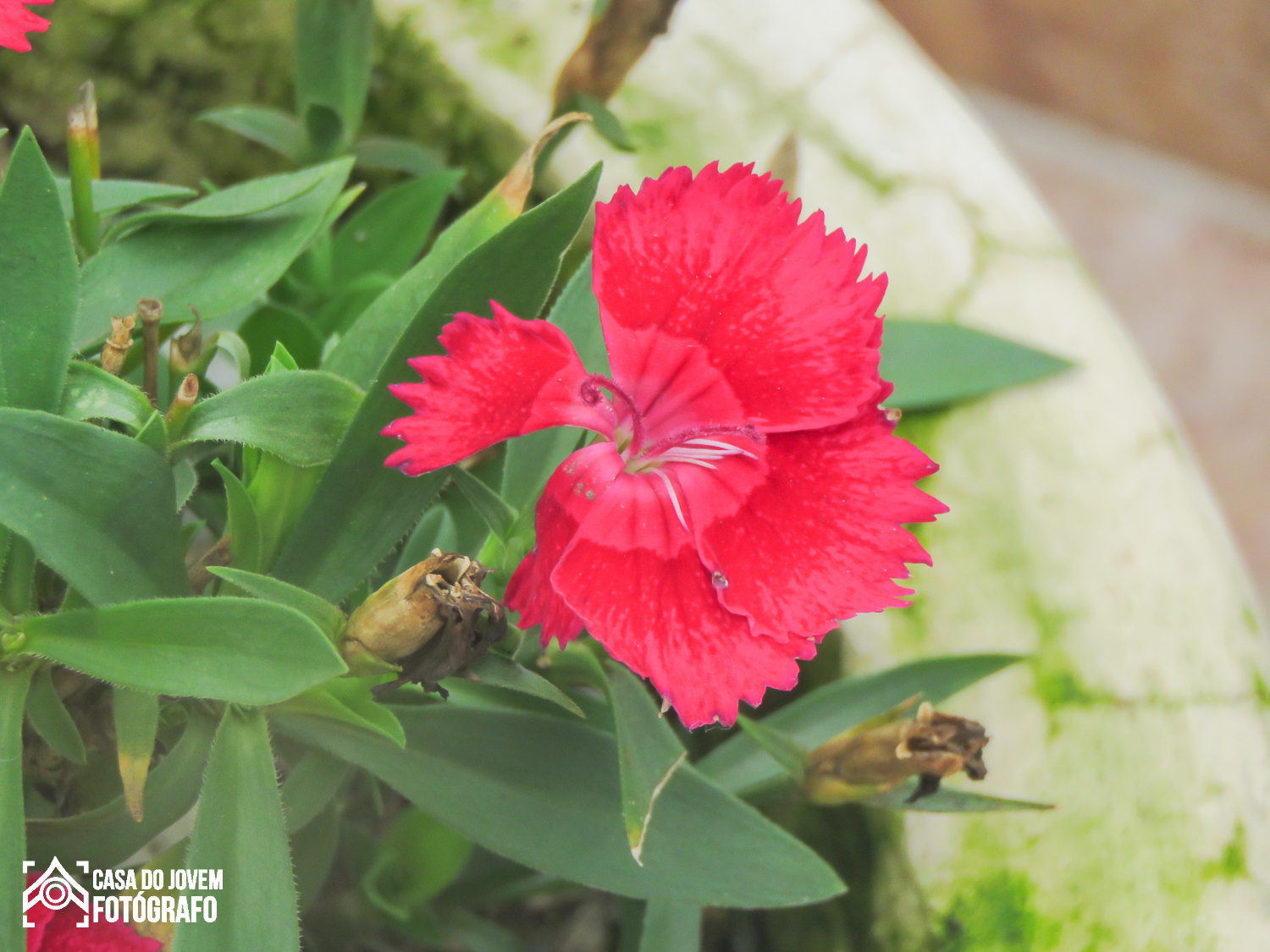
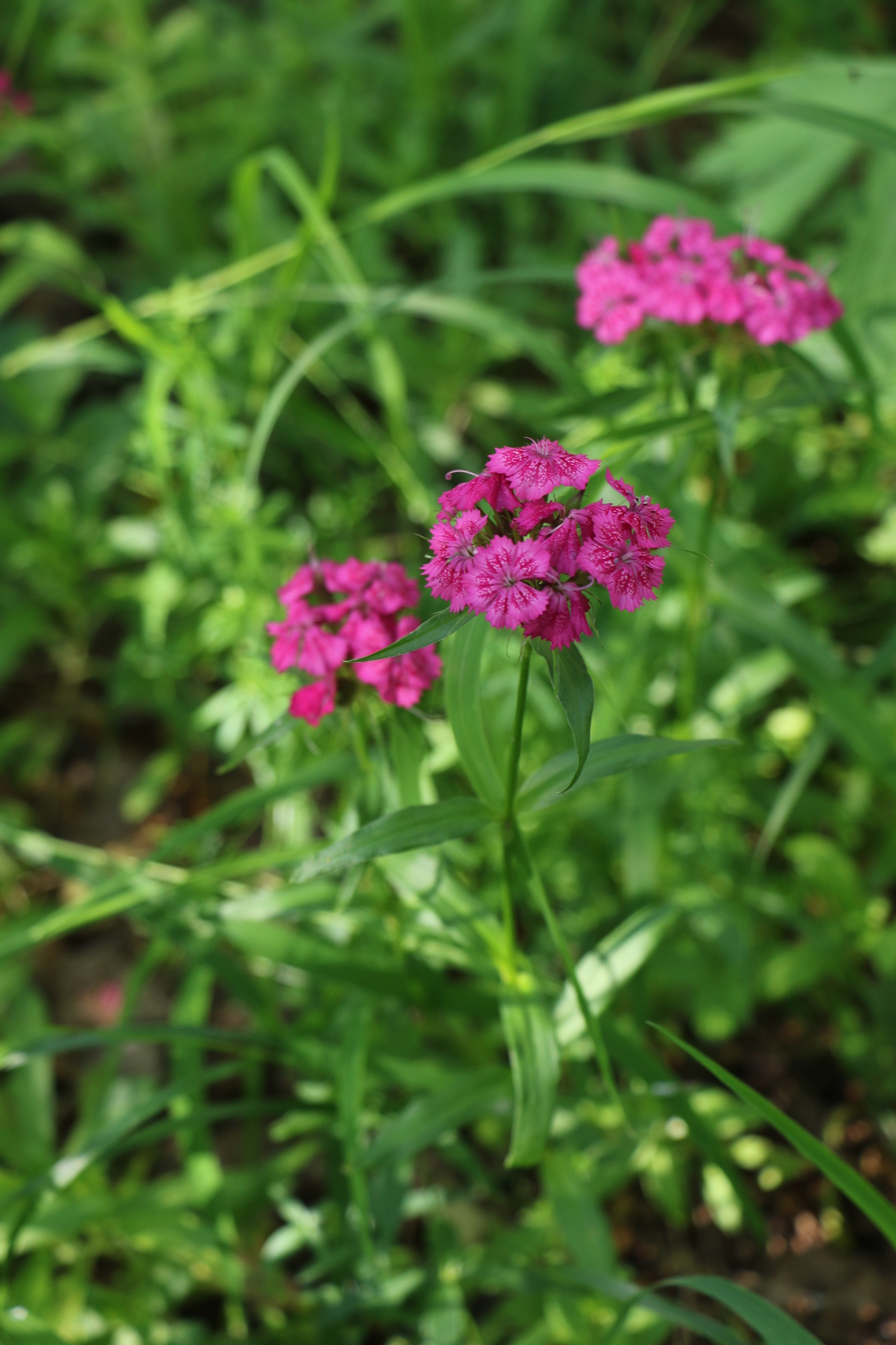
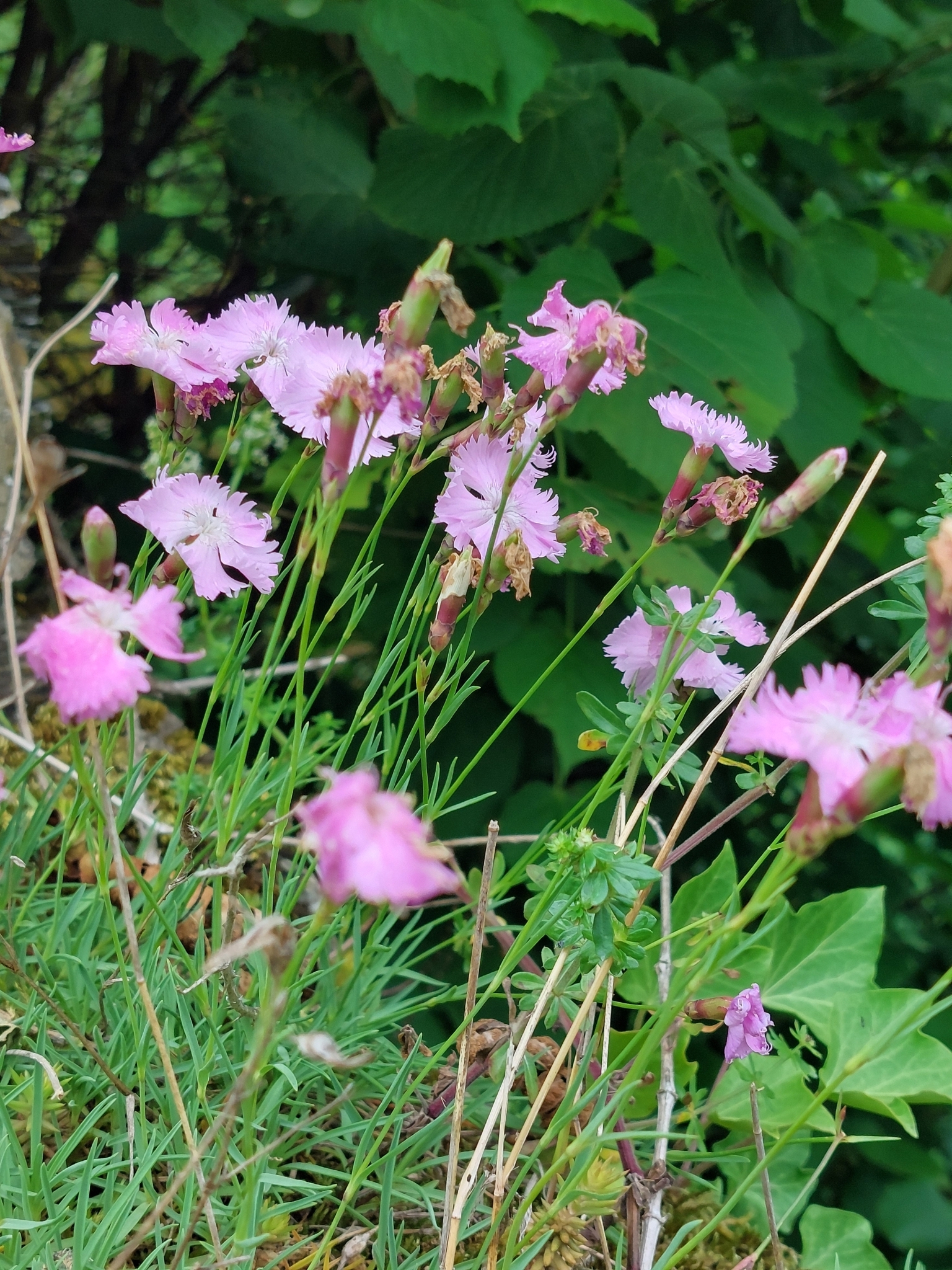
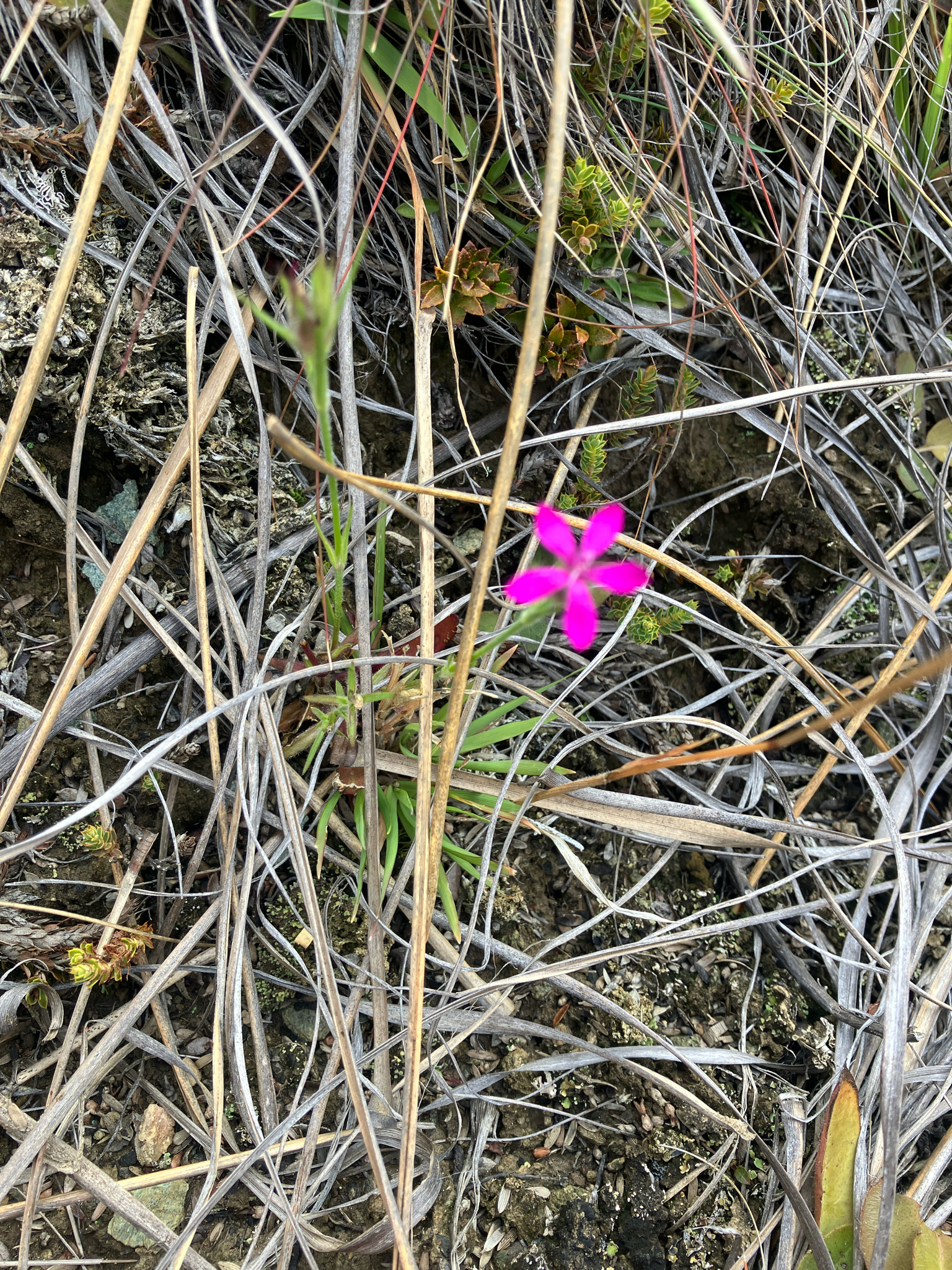
Photos of Clove Pink (Dianthus caryophyllus)
8 known issues from plant disease data

Fusarium wilt in Carnation yellows and stunts lower leaves, then one-sided wilting rises up the stem as tissues brown and the plant dies.

Bacterial wilt in Carnation turns foliage gray-green then yellow, causes sudden wilting, stem cracking, root decay, and rapid plant death.

Gray mold on Carnation causes water-soaked brown spots on petals, leaves, or buds, then flowers rot and become covered with fuzzy gray growth.

Rust on Carnation forms cinnamon-brown powdery pustules on leaves, buds, and stems, with yellow halos, curling, stunting, and dieback.

Alternaria blight on Carnation starts as small purple leaf spots that turn brown with yellow halos, then merge, girdle stems, and kill shoots.

Phytophthora stem rot in Carnation causes dark brown stem rot at the soil line, followed by wilting, root decay, and plant collapse.
Common names and botanical synonyms
Botanical classification
| Rank | Name |
|---|---|
| Kingdom | Plantae |
| Division | Tracheophyta |
| Class | Magnoliopsida |
| Order | Caryophyllales |
| Family | Caryophyllaceae |
| Genus | Dianthus |
| Species | Dianthus caryophyllus |
Similar in genus Dianthus
Answers based on plant encyclopedia data