Water
Keep the soil consistently moist but not waterlogged, especially during the growing season. Allow the top inch of soil to dry slightly between waterings to prevent root rot.
Reduce watering in cooler months when growth slows.
Also known as Catchfly Gentian · Catchfly Prairiegentian · Key West Gentian
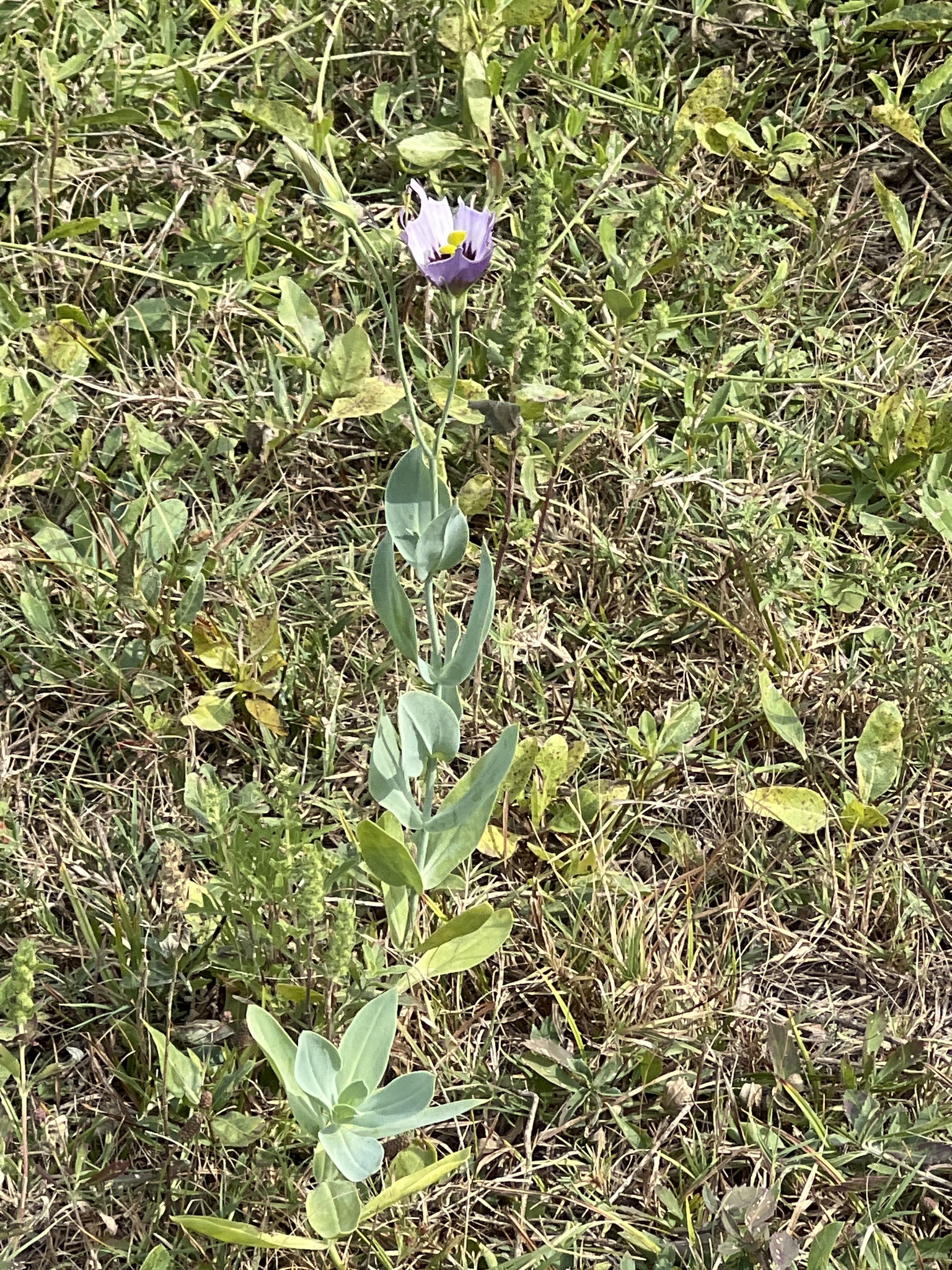
Catchfly Prairie Gentian (Eustoma exaltatum) is a striking native wildflower prized for its large, showy, often lavender-blue, bell-shaped flowers.
At-a-glance light, water, soil, and growing conditions from plant data
High
75% intensity
Prefers full sun but can tolerate partial shade, especially in hot climates.
Moderate
50% intensity
Keep soil consistently moist but allow top layer to dry slightly between waterings.
Well-draining, sandy loam
50% intensity
Moderate
50% intensity
Thrives in temperatures between 18-24°C during the day and slightly cooler at night.
Moderate
50% intensity
Feed with a balanced liquid fertilizer diluted to half strength during the growing season.
Safety information from plant toxicity data
| Attribute | Value |
|---|---|
| Toxic for humans | No 0/5 intensity |
| Toxic for pets | No 0/5 intensity |
| Edible | No |
None
Key traits and growing stats from plant data
Watering, pruning, propagation, and repotting details from plant data
Keep the soil consistently moist but not waterlogged, especially during the growing season. Allow the top inch of soil to dry slightly between waterings to prevent root rot.
Reduce watering in cooler months when growth slows.
Deadhead spent flowers regularly to encourage continuous blooming and maintain a tidy appearance. Remove any yellowing or dead foliage promptly. Minimal pruning is usually required beyond this.
Eustoma exaltatum is typically propagated by seed sown indoors 10-12 weeks before the last frost. Seeds require light to germinate and need consistent moisture and warmth.
Transplant seedlings carefully when they are large enough to handle.
Repot young plants annually or when they become root-bound, usually in early spring. Use a well-draining potting mix. Choose a pot that is only slightly larger than the current one to avoid excessive moisture retention.
Identify plants like this with ePlant AI
Snap a photo to get care tips and match similar species on the go.
Monthly activity intensity for bloom and fruit across both hemispheres.
Flowering & fruiting calendar
Flowering & fruiting calendar
Photos of Catchfly Prairie Gentian (Eustoma exaltatum)
7 known issues from plant disease data

Gray mold in Lisianthus causes soft brown flower and leaf blight with fuzzy gray growth, quickly ruining blooms and market quality.

Fusarium crown and stem rot in Lisianthus causes crown browning, stem collapse, and sudden wilting that can kill entire plants.

Pythium root rot in Lisianthus causes water-soaked roots, stunting, yellowing, and wilting as the root system rapidly decays.

Downy mildew in Lisianthus causes pale yellow leaf patches and grayish growth underneath, leading to blight, drop, and weak plants.

Lisianthus leaf necrosis in Lisianthus causes lower leaves to yellow, turn brown, and die back, reducing plant quality and vigor.

Phomopsis stem and leaf blight in Lisianthus causes dark stem lesions and leaf blight that weaken shoots and spoil flower quality.
Common names and botanical synonyms
Botanical classification
| Rank | Name |
|---|---|
| Kingdom | Plantae |
| Division | Tracheophyta |
| Class | Magnoliopsida |
| Order | Gentianales |
| Family | Gentianaceae |
| Genus | Eustoma |
| Species | Eustoma exaltatum |
Similar in genus Eustoma
Answers based on plant encyclopedia data