Water
Water thoroughly when the top 2-5 cm of soil feels dry. Reduce watering in winter, allowing the soil to dry out more between waterings. Ensure good drainage to prevent waterlogged roots, especially in potted specimens.
Also known as Caucasian Nettle Tree · Caucasian Nettletree
Celtis caucasica is a deciduous tree native to Europe and Asia, known for its ornamental value and adaptability to various soil conditions.
At-a-glance light, water, soil, and growing conditions from plant data
Full Sun
100% intensity
Prefers full sun for optimal growth and fruiting.
Moderate
50% intensity
Allow topsoil to dry out between waterings. Reduce in winter.
Well-drained
50% intensity
Cold Hardy
25% intensity
Tolerates a wide range of temperatures, including freezing winters.
Low
25% intensity
Benefits from spring feeding, especially when young or container-grown.
Safety information from plant toxicity data
| Attribute | Value |
|---|---|
| Toxic for humans | No 0/5 intensity |
| Toxic for pets | No 0/5 intensity |
Non-toxic
Key traits and growing stats from plant data
Watering, pruning, propagation, and repotting details from plant data
Water thoroughly when the top 2-5 cm of soil feels dry. Reduce watering in winter, allowing the soil to dry out more between waterings. Ensure good drainage to prevent waterlogged roots, especially in potted specimens.
Prune to shape the tree and remove dead, damaged, or crossing branches. Pruning is best done in late winter or early spring before new growth begins. Avoid heavy pruning in summer as it can stress the tree.
Propagation is typically done through seed, which requires stratification (a period of cold, moist treatment) before sowing in spring. Softwood or semi-hardwood cuttings can also be taken in summer, but rooting success can be variable.
Repot young trees every 2-3 years in early spring, moving to a slightly larger container. Mature trees rarely need repotting and can be top-dressed with fresh soil annually. Ensure the new pot has excellent drainage.
Identify plants like this with ePlant AI
Snap a photo to get care tips and match similar species on the go.
Monthly activity intensity for bloom and fruit across both hemispheres.
Flowering & fruiting calendar
Flowering & fruiting calendar
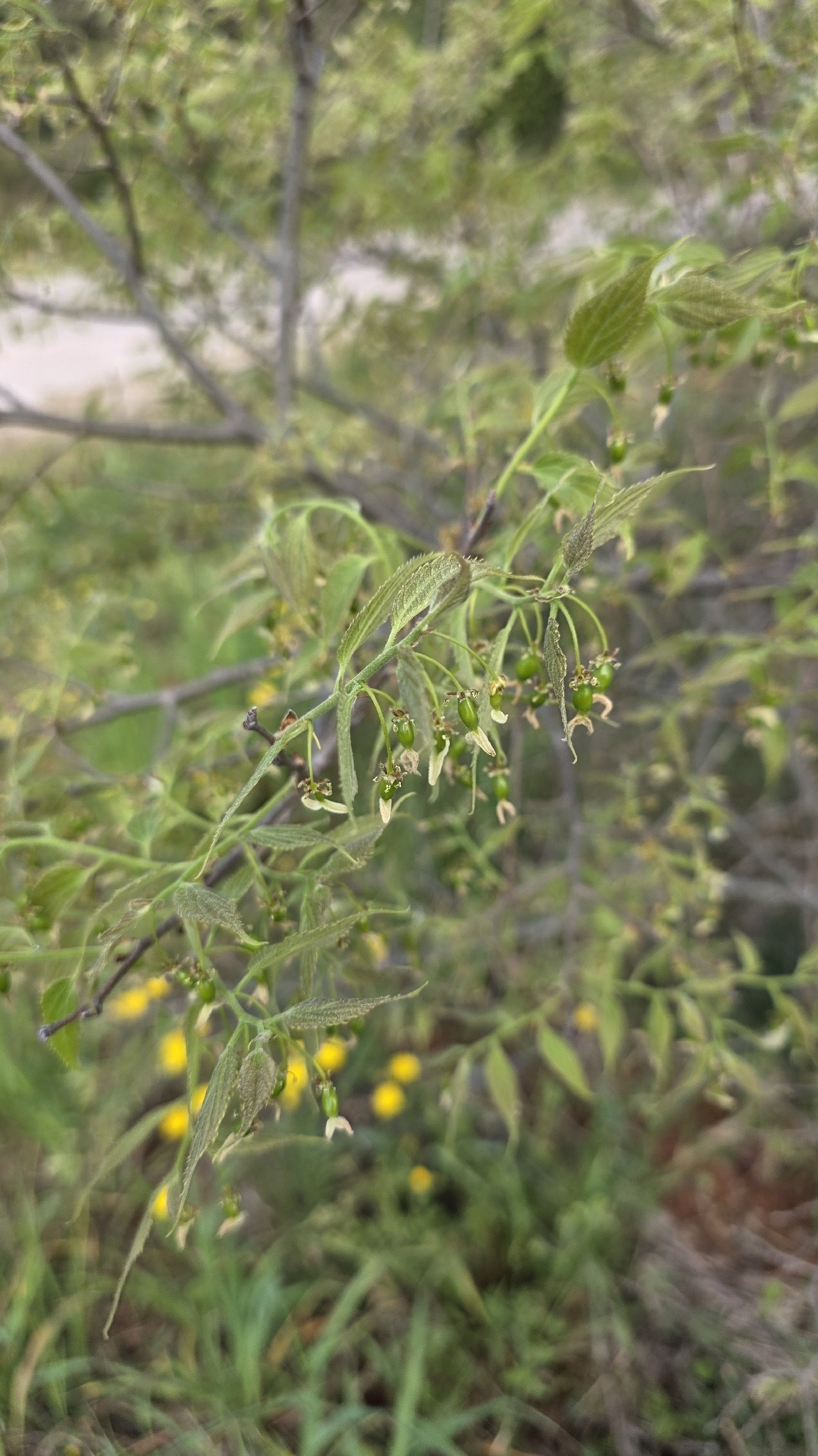
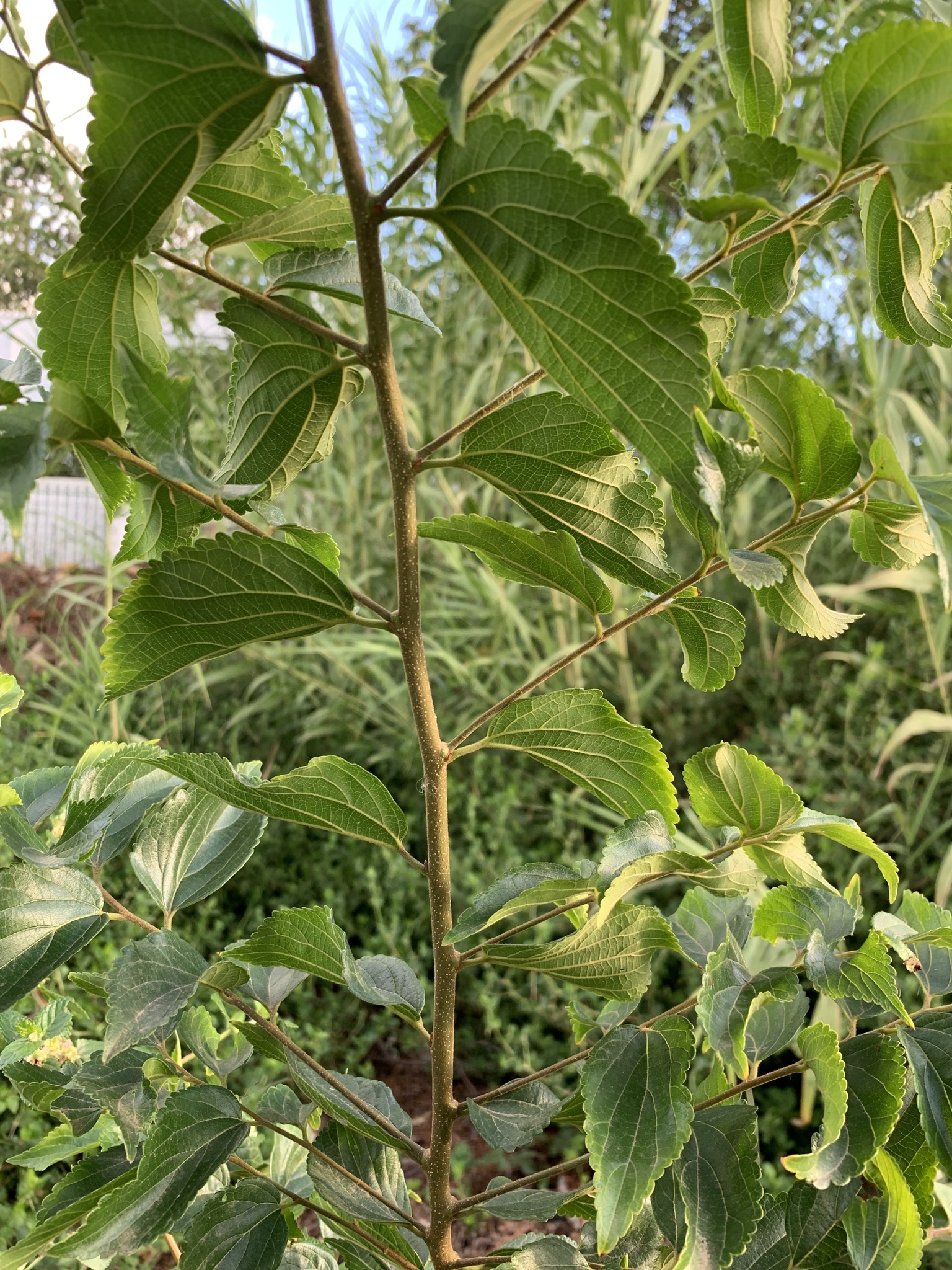
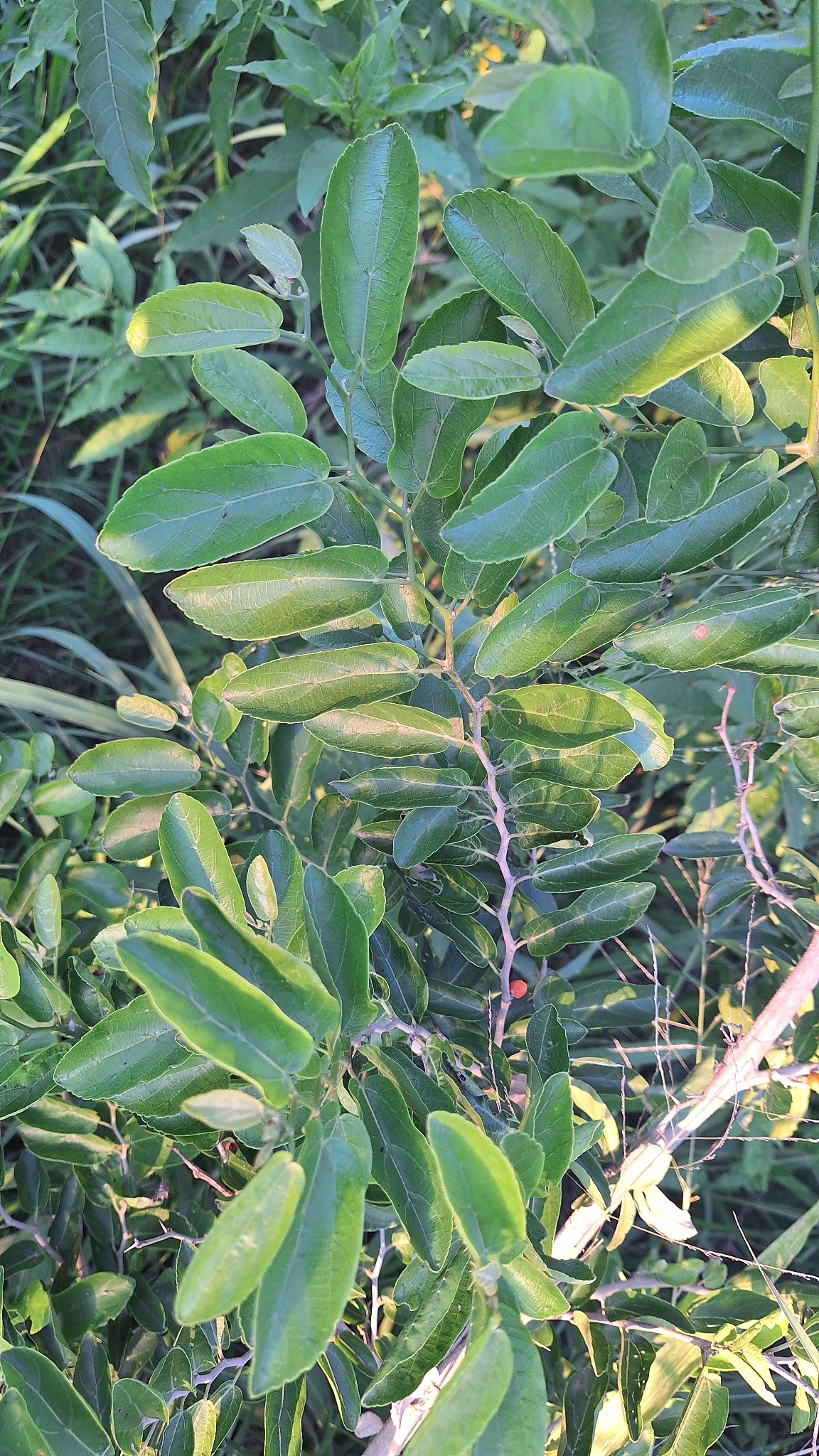
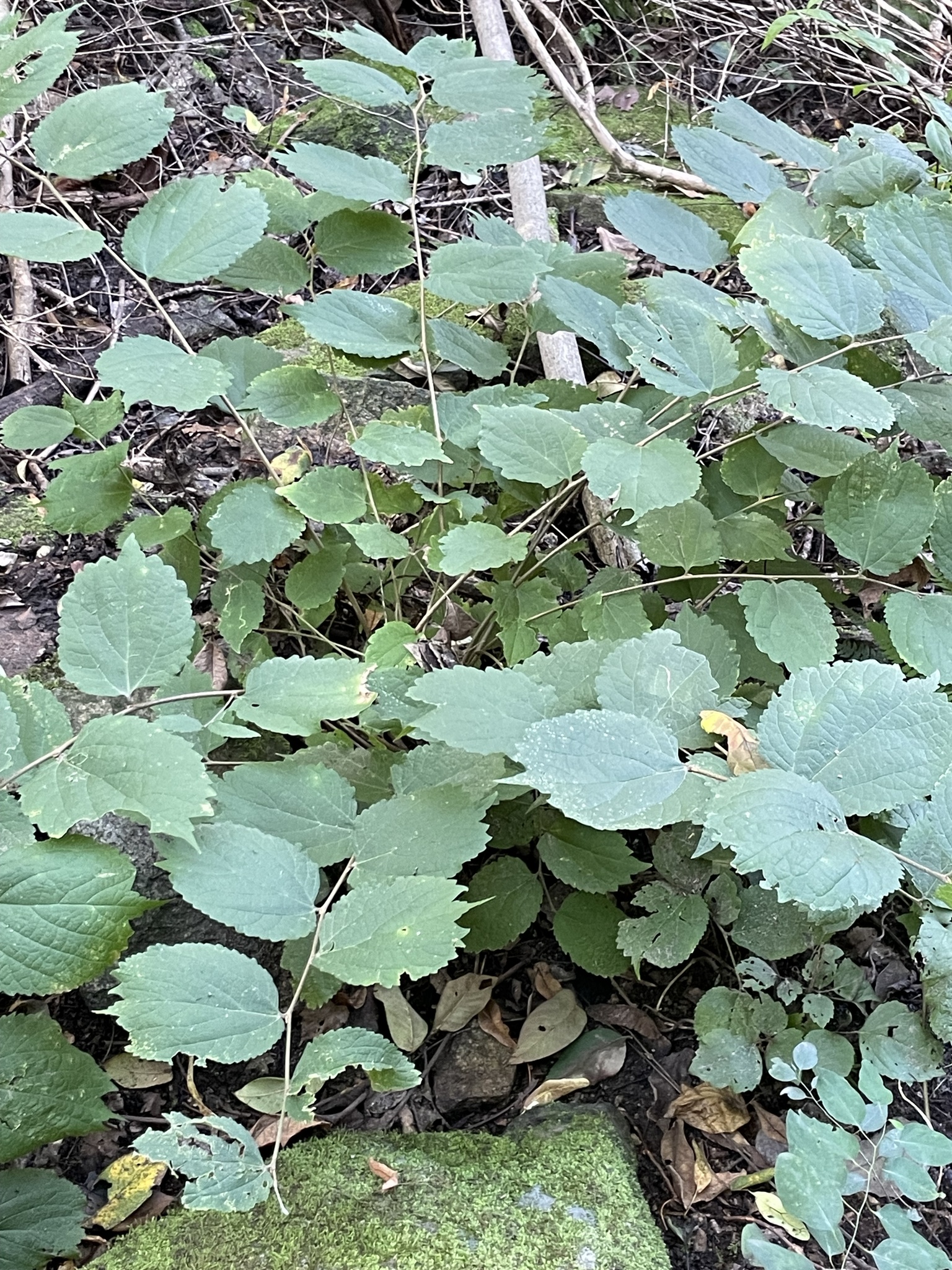
Photos of Caucasian Hackberry (Celtis caucasica)
Where Caucasian Hackberry (Celtis caucasica) is found

Density
Tap map to explore
Common names and botanical synonyms
Botanical classification
| Rank | Name |
|---|---|
| Kingdom | Plantae |
| Division | Tracheophyta |
| Class | Magnoliopsida |
| Order | Rosales |
| Family | Cannabaceae |
| Genus | Celtis |
| Species | Celtis caucasica |
Similar in genus Celtis
Answers based on plant encyclopedia data