Water
Keep the soil consistently moist but not waterlogged, especially during warmer months. Reduce watering in winter, allowing the top layer of soil to dry out slightly between waterings.
Ensure good drainage to prevent root rot.
Also known as Celery-Top-Pine
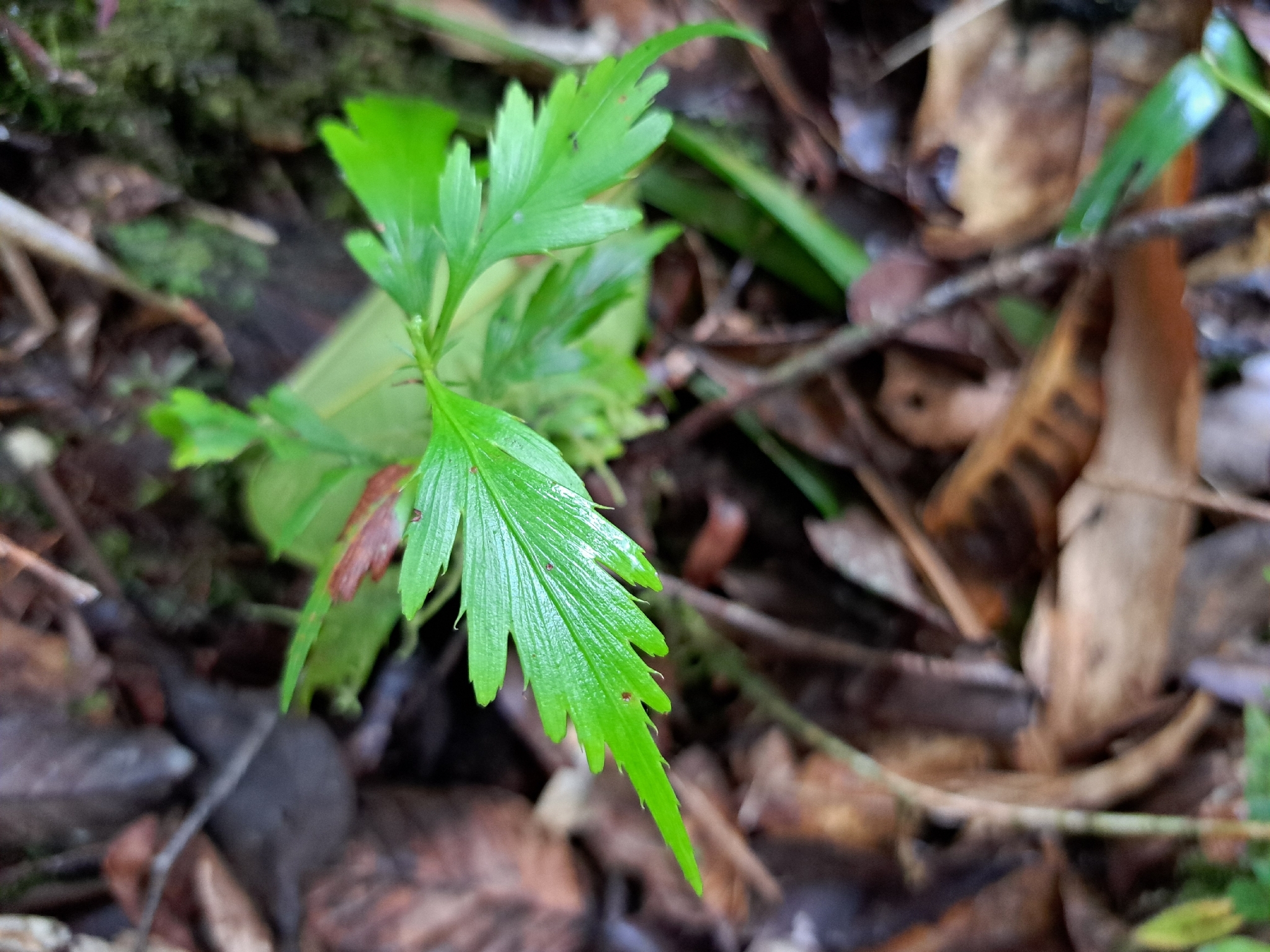
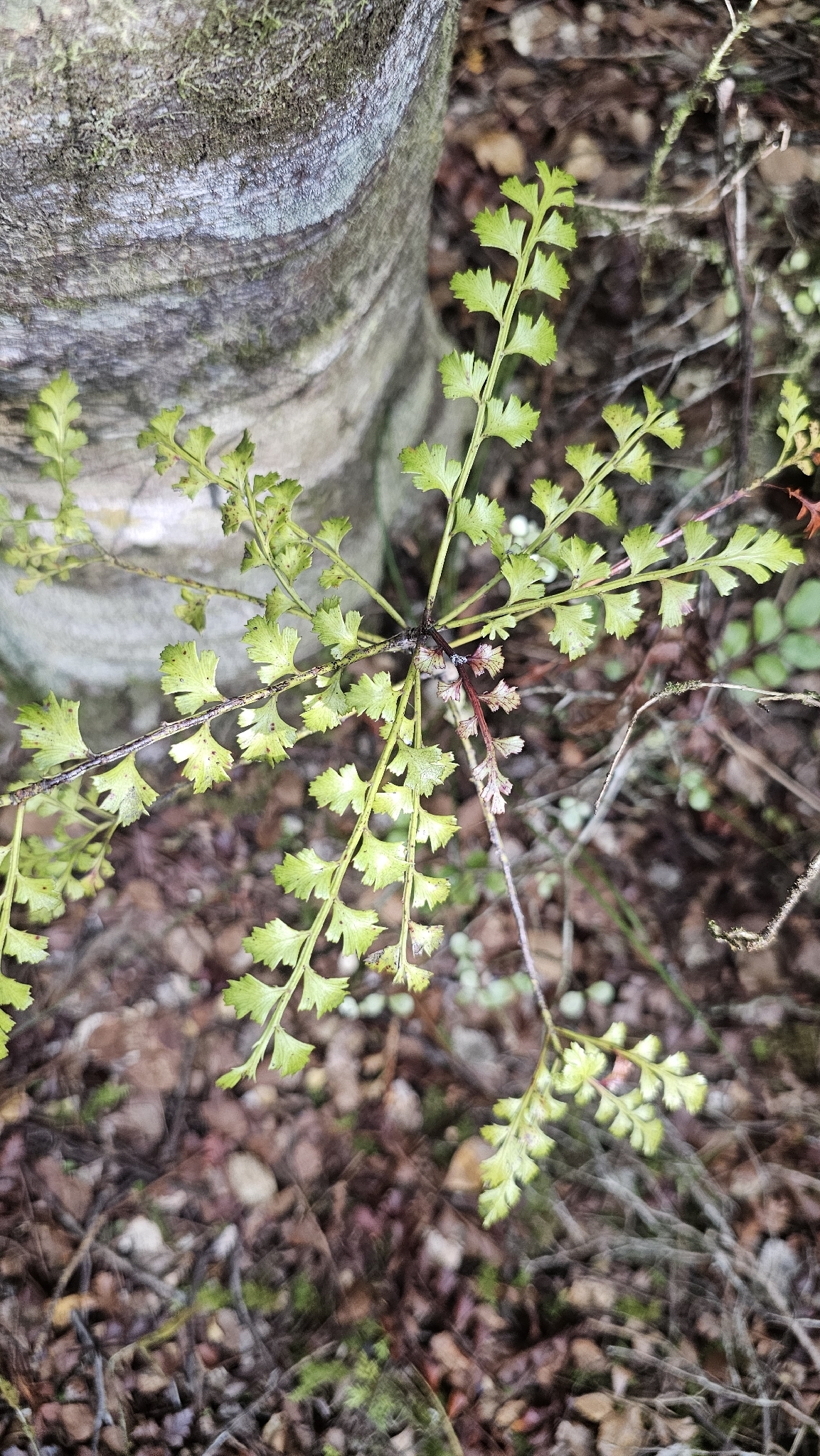
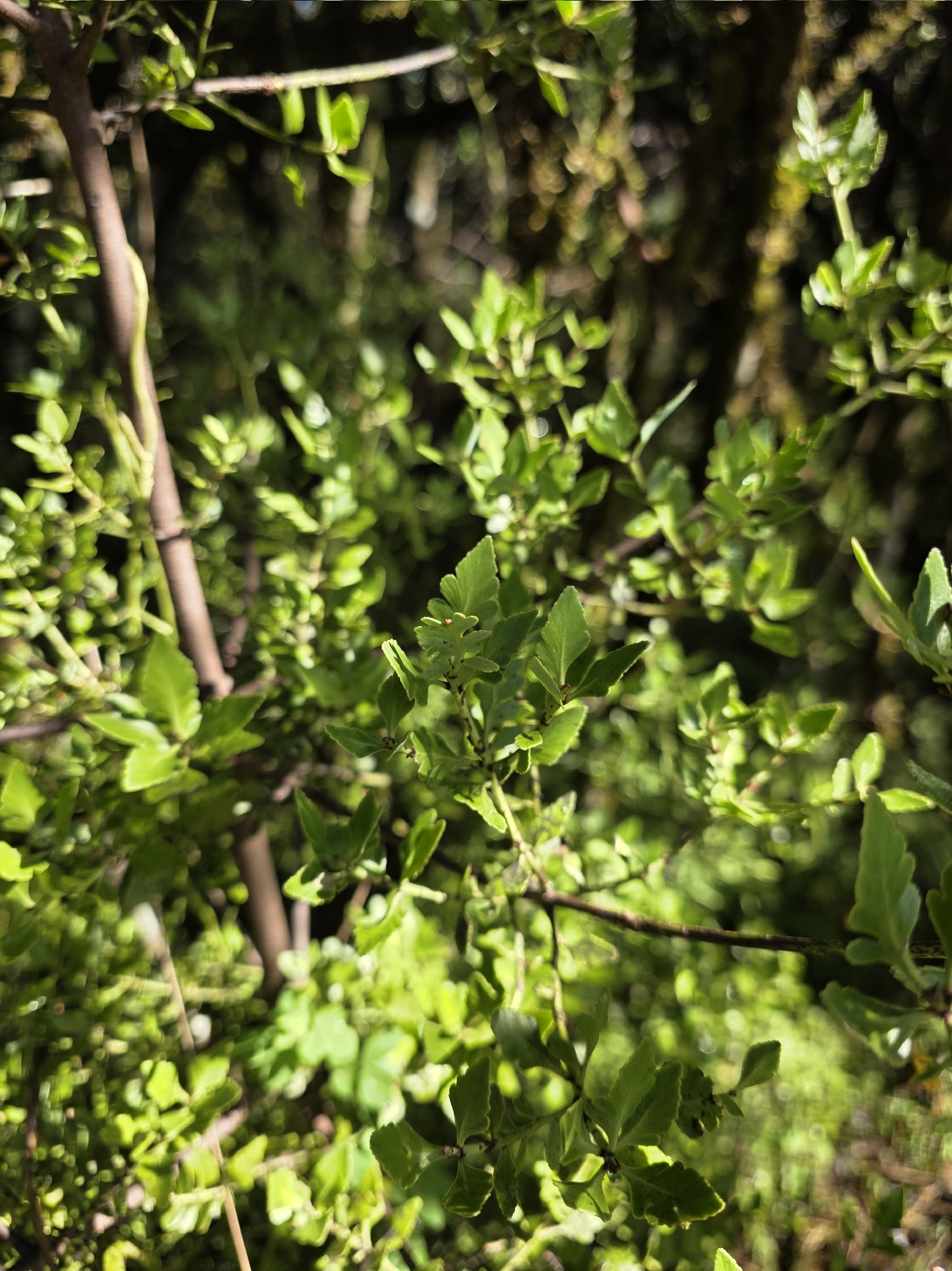
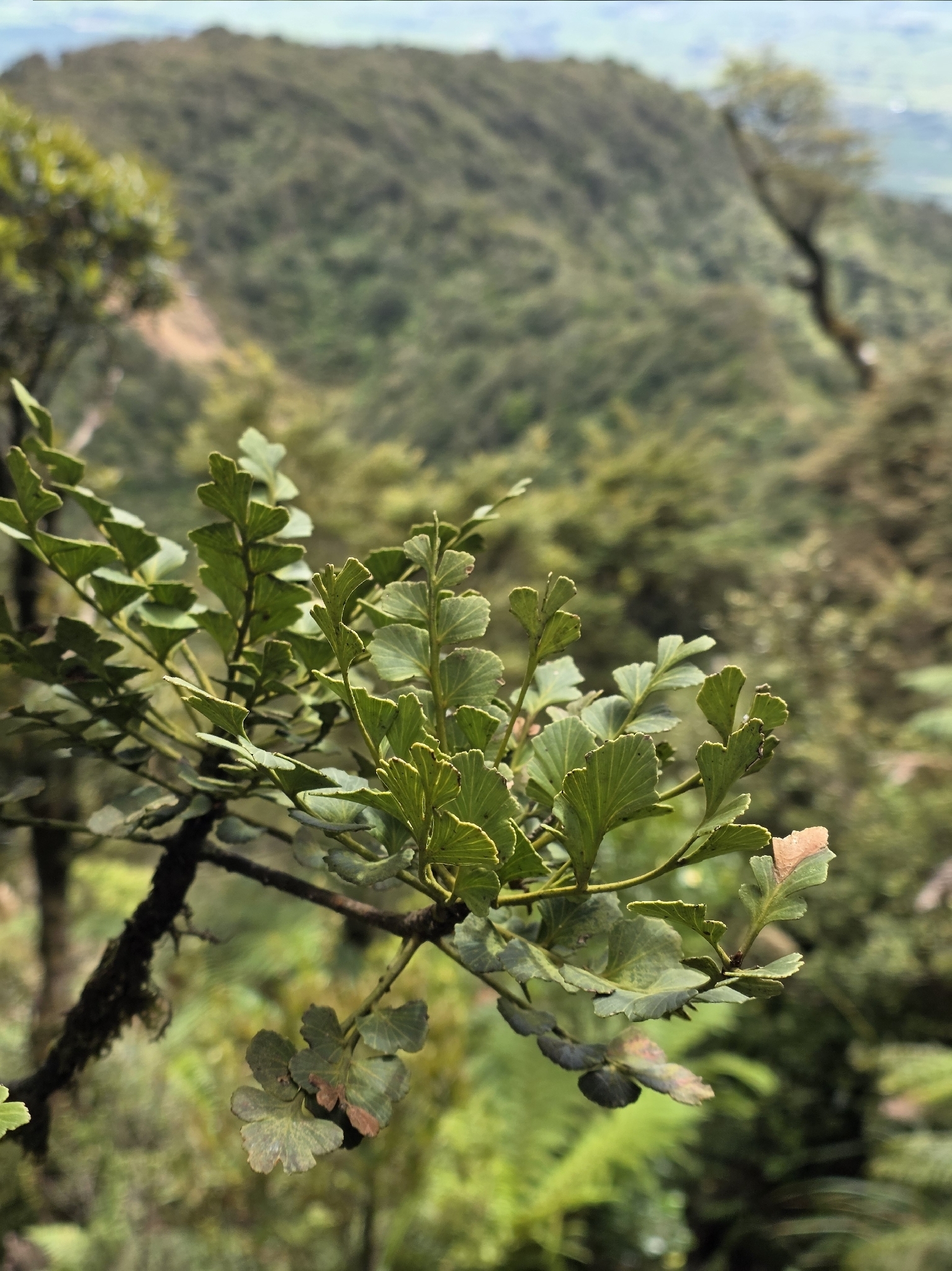
Celery-top pine (Phyllocladus aspleniifolius) is a conifer native to Tasmania, known for its flattened, leaf-like stems and pyramidal shape. It's an interesting specimen
At-a-glance light, water, soil, and growing conditions from plant data
Full sun to partial shade
50% intensity
Thrives in full sun but tolerates partial shade. Protect young plants from intense afternoon sun.
Consistent moisture
50% intensity
Prefers consistently moist soil, but avoid waterlogging. Reduce watering in winter.
Well-drained, sandy, loamy
50% intensity
Cool to moderate
50% intensity
Prefers cooler temperatures and can tolerate light frost. Protect from extreme heat and harsh winds.
Low
25% intensity
Fertilize sparingly in spring with a balanced slow-release fertilizer. Avoid over-fertilization.
Safety information from plant toxicity data
| Attribute | Value |
|---|---|
| Toxic for humans | No 0/5 intensity |
| Toxic for pets | No 0/5 intensity |
Key traits and growing stats from plant data
Watering, pruning, propagation, and repotting details from plant data
Keep the soil consistently moist but not waterlogged, especially during warmer months. Reduce watering in winter, allowing the top layer of soil to dry out slightly between waterings.
Ensure good drainage to prevent root rot.
Pruning is generally minimal and focused on removing dead, damaged, or crossing branches to maintain shape and health. This can be done in late winter or early spring before new growth begins.
Avoid heavy pruning, as it can stress the plant.
Propagation is best achieved through seeds sown in autumn or early spring, requiring stratification. Cuttings can also be taken from semi-hardwood in summer, but success rates can be variable.
Ensure a well-draining medium for sowing or rooting.
Repot young plants every 2-3 years in spring, or when root-bound. Mature specimens can be repotted less frequently. Use a well-draining potting mix, such as a blend of peat, sand, and loam.
Choose a pot that allows for root expansion but is not excessively large.
Identify plants like this with ePlant AI
Snap a photo to get care tips and match similar species on the go.
Monthly activity intensity for bloom and fruit across both hemispheres.
Flowering & fruiting calendar
Flowering & fruiting calendar
Photos of Celery-Top Pine (Phyllocladus aspleniifolius)
Common names and botanical synonyms
Botanical classification
| Rank | Name |
|---|---|
| Kingdom | Plantae |
| Division | Tracheophyta |
| Class | Pinopsida |
| Order | Pinales |
| Family | Podocarpaceae |
| Genus | Phyllocladus |
| Species | Phyllocladus aspleniifolius |
Similar in genus Phyllocladus
Answers based on plant encyclopedia data