Celosia Elegantissima (Celosia elegantissima) – Care, Benefits & Growing Guide | ePlant AI
Celosia Elegantissima (Celosia elegantissima)
Celosia elegantissima is a vibrant annual herb celebrated for its striking, feathery flower plumes in shades of red, pink, orange, and yellow, adding color to gardens and arrangements.
Celosia elegantissima is a species of flowering plant within the Amaranthaceae family, commonly known for its striking and often vibrant floral displays. This plant is appreciated for its ornamental value, bringing color and texture to gardens and floral arrangements. As a member of the genus Celosia, it shares characteristics with other well-known celosias, though its specific attributes distinguish it within the group.
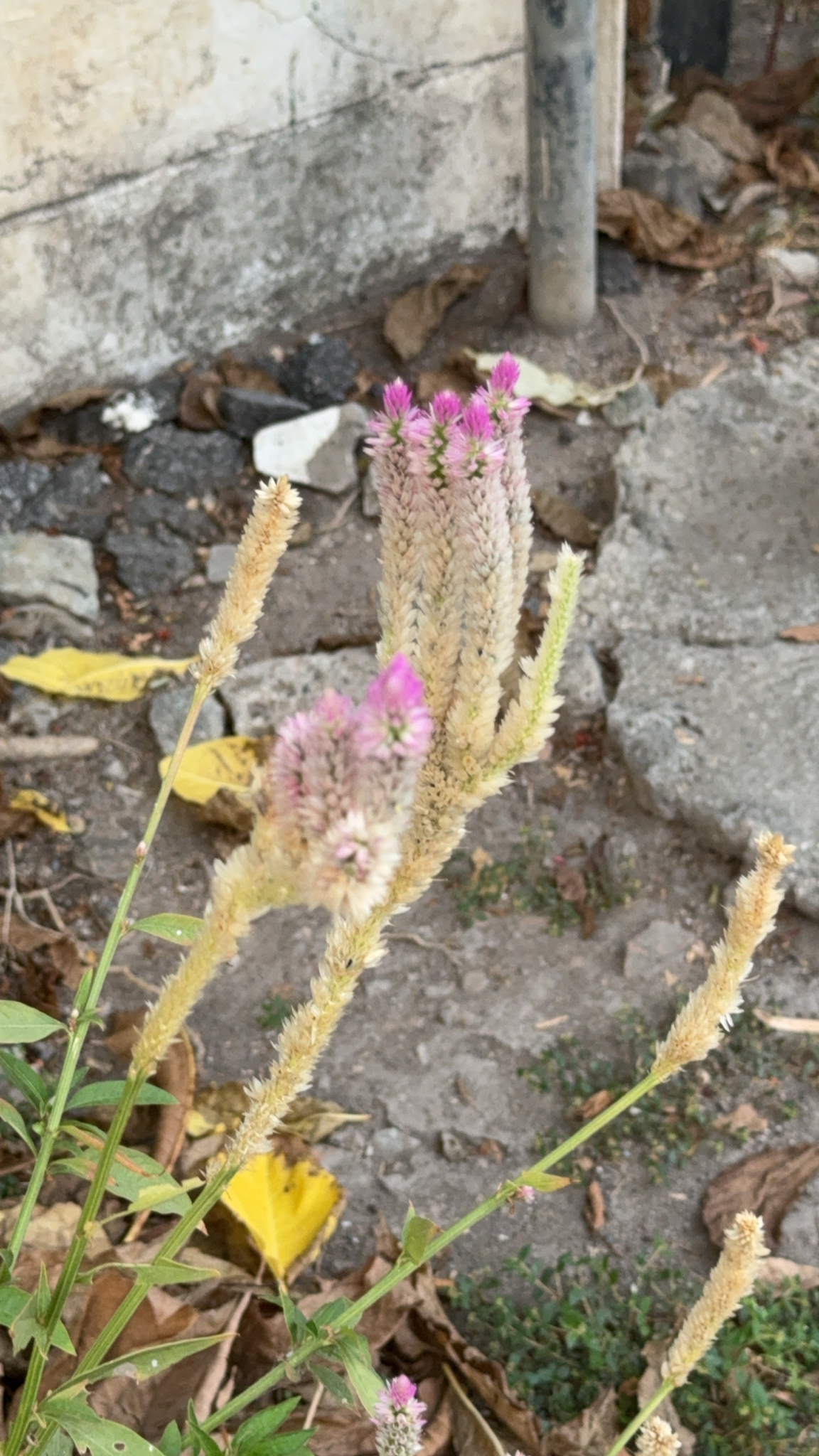
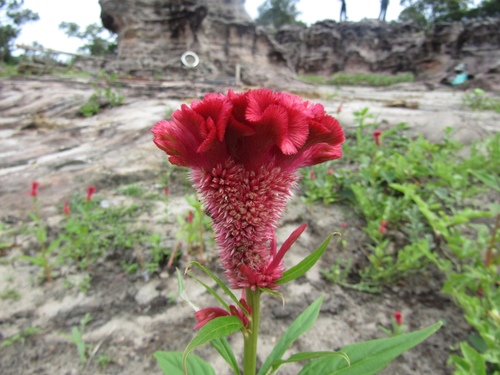
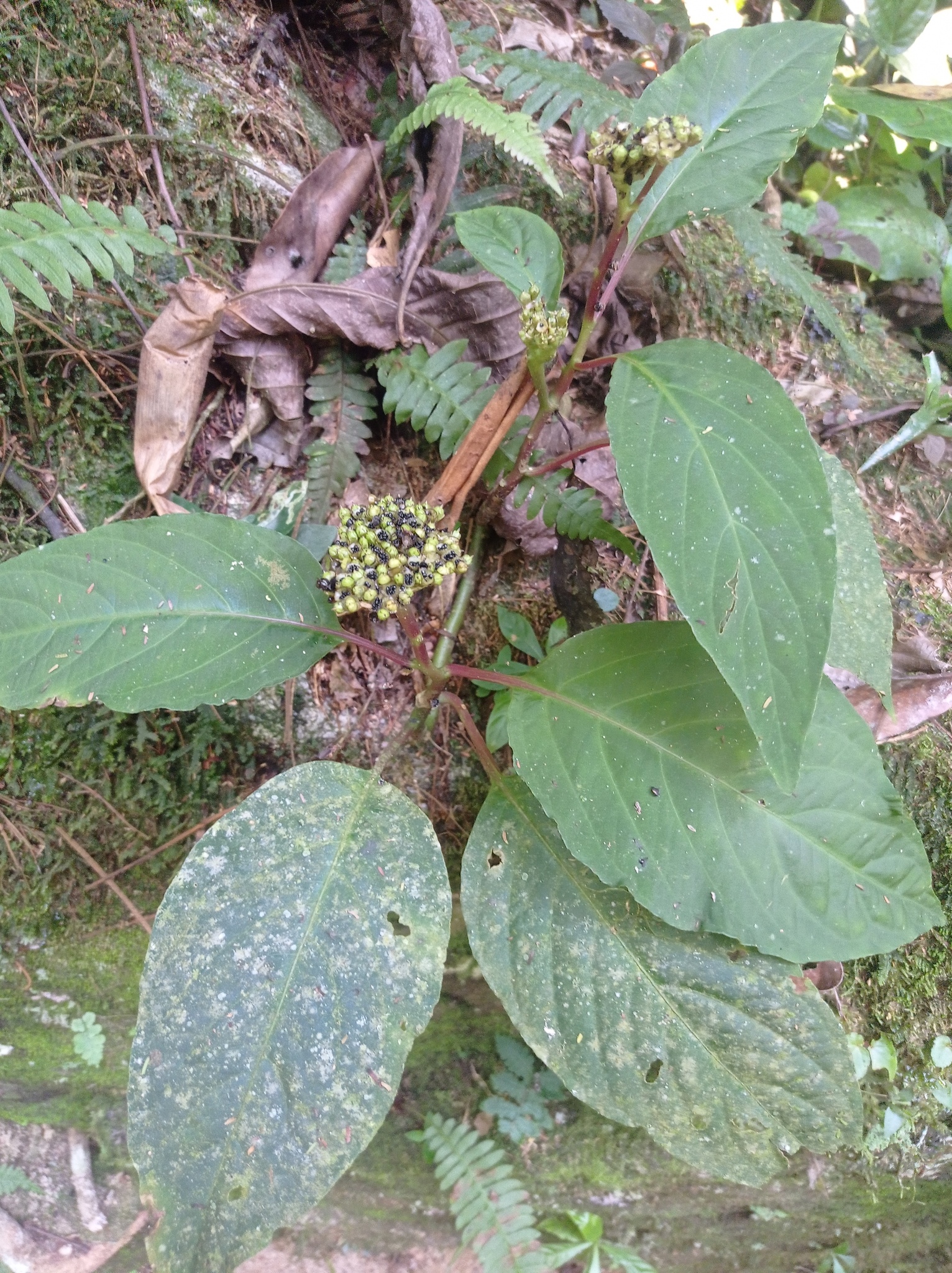
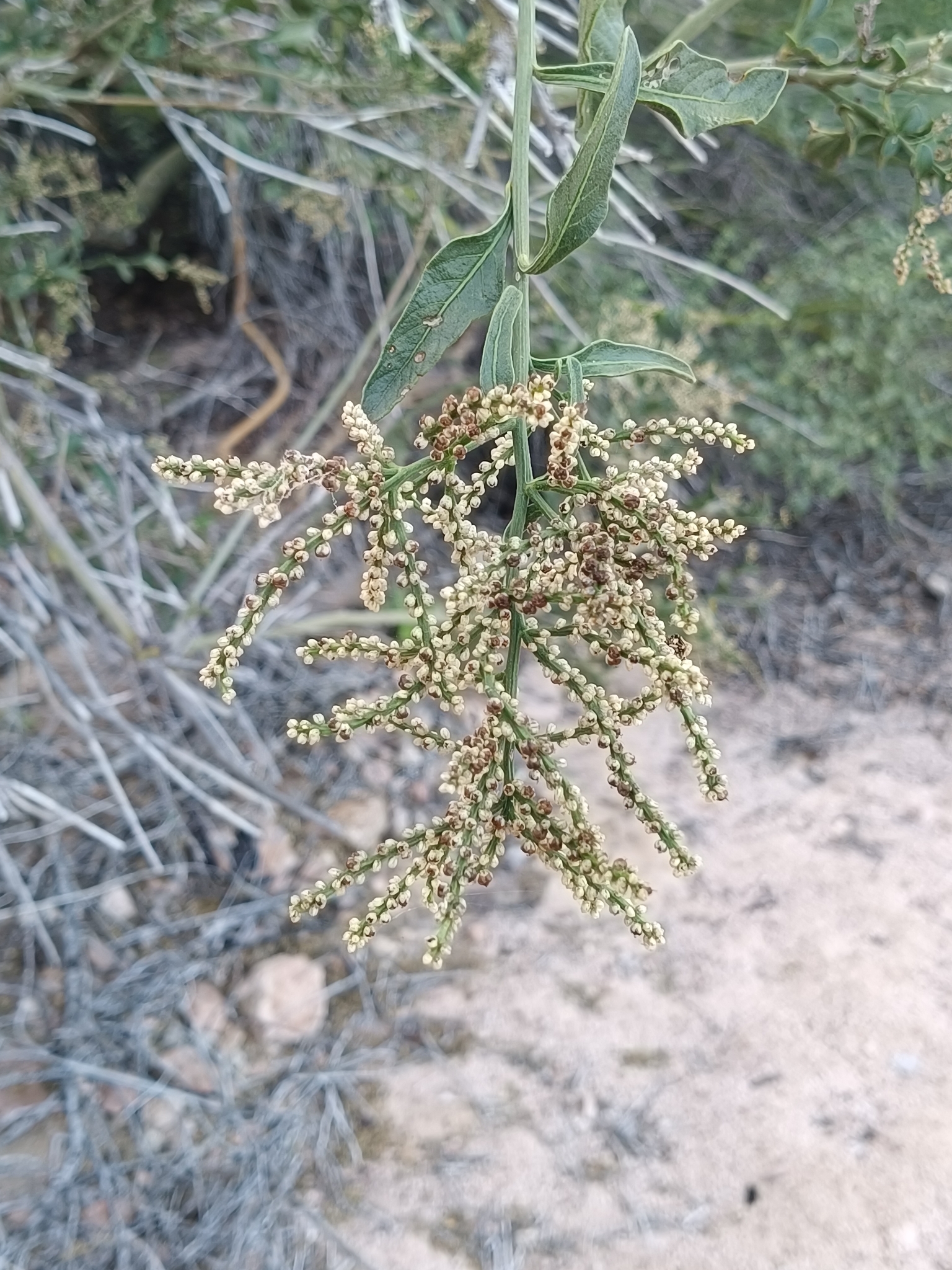
Physically, Celosia elegantissima typically presents as an erect, herbaceous annual or short-lived perennial, depending on its growing environment and specific cultivar. It generally reaches a moderate height, often ranging from 30 to 90 centimeters, though this can vary. The stems are usually sturdy and can be green or reddish. Its leaves are arranged alternately along the stem, and they are typically lanceolate to ovate in shape, with smooth or slightly wavy margins. The leaf color is most often a rich green, providing a verdant backdrop for the inflorescences. The most distinctive feature of Celosia elegantissima is its flower heads. These are not true flowers in the botanical sense but are composed of numerous small, papery bracts that are brightly colored and densely clustered. The inflorescences can take various forms, including plume-like or crested structures, depending on the specific variety. Colors range widely, encompassing shades of red, pink, orange, yellow, and sometimes white or even purplish hues. The texture of these bracts gives the flowers a unique, almost velvety or silken appearance. Following flowering, the plant produces small, inconspicuous fruits containing tiny, dark seeds.
The native distribution of Celosia elegantissima is primarily within tropical and subtropical regions of Africa and Asia, where it thrives in open, sunny habitats. It is often found in disturbed areas, grasslands, and savannas. In cultivation, Celosia elegantissima is widely grown as an annual in temperate climates, requiring warm temperatures and full sun to flourish. It prefers well-drained soil and benefits from regular watering, especially during dry periods. It is relatively easy to grow from seed, with germination occurring best in warm conditions.
While primarily cultivated for its ornamental appeal in gardens and as a cut flower, Celosia elegantissima has some documented traditional uses in its native regions, though these are not as widely recognized or scientifically validated as its horticultural importance. Its vibrant colors and long-lasting blooms make it a popular choice for landscape design, borders, and container plantings, as well as for dried floral arrangements due to the persistent nature of its bracts.
An interesting characteristic of Celosia elegantissima, shared with other members of its genus, is the unique structure of its inflorescence. The showy parts are not petals but modified leaves called bracts, which are highly colored and persistent, contributing to the plant's enduring visual appeal. This adaptation allows the plant to attract pollinators effectively and ensures that its reproductive structures are well-protected. The plant's ability to produce such vivid and varied colors has made it a subject of horticultural breeding, resulting in a wide array of cultivars with distinct flower forms and color palettes.
Prefers well-draining, fertile soil. Amend heavy soils with compost.
Temperature
Thrives in warm temperatures.
Habitat
Outdoor, Greenhouse
Fertilizer
Feed regularly during the growing season.
Care Requirements
Light
Prefers full sun for best flowering.
Can tolerate partial shade.
Water
Keep soil consistently moist but not waterlogged.
Water more frequently in hot, dry weather.
Soil
Prefers well-draining, fertile soil. Amend heavy soils with compost.
Temperature
Thrives in warm temperatures.
Ideal range is 18-25°C.
Habitat
Outdoor, Greenhouse
Fertilizer
Feed regularly during the growing season.
Use a balanced liquid fertilizer every 2-4 weeks.
Plant Overview
Plant Type
Herb
Plant Category
Flowering, Ornamental
Plant Place Type
Ground, Garden, Pot
Plant Environment
Outdoor, Greenhouse
Lifespan
Annuals
Plant Height
0.3-0.6 m
Spread
0.2-0.4 m
Growth Rate
Moderate
Dormancy
None
Leaf Color
Green
Leaf Type
Simple
Flower Size
5-10 cm
Image Gallery
Flowering & Fruiting Cycles
Monthly activity intensity for bloom and fruit across both hemispheres.
Northern hemisphere
Flowering & fruiting calendar
Peak bloom · AugPeak fruit · Aug
FloweringFruiting
Southern hemisphere
Flowering & fruiting calendar
Peak bloom · FebPeak fruit · Feb
FloweringFruiting
Taxonomy
kingdomPlantae
divisionTracheophyta
classMagnoliopsida
orderCaryophyllales
familyAmaranthaceae
genusCelosia
speciesCelosia elegantissima
Toxicity
Toxic for humans
No
Rating: 0/5
Toxic for pets
No
Rating: 0/5
Edible
No
Additional Care Tips
Water consistently to maintain moist soil, especially during dry periods. Avoid overwatering, which can lead to root rot.
Deadhead spent flowers to encourage continuous blooming and maintain a tidy appearance. Trim back leggy stems to promote bushier growth.
Easily grown from seed sown indoors 6-8 weeks before the last frost, or directly outdoors after danger of frost has passed. Cuttings can also be taken.
If grown in pots, repot annually into a slightly larger container with fresh potting mix to ensure adequate space for root growth and nutrient supply.
FAQs
How often should I water Celosia elegantissima?
Water consistently to keep the soil moist but not soggy. Allow the top inch of soil to dry slightly between waterings, especially in cooler weather.
What kind of soil is best for Celosia elegantissima?
This plant prefers well-draining, fertile soil. Amending heavy clay soils with compost or organic matter will improve drainage and aeration.
Can Celosia elegantissima be grown indoors?
While primarily an outdoor plant, it can be grown indoors in pots if provided with sufficient light (at least 6-8 hours of direct sun) and warmth.
Why are the flowers of my Celosia elegantissima not vibrant?
Lack of vibrant color can be due to insufficient sunlight, poor soil fertility, or inconsistent watering. Ensure it receives full sun and regular feeding.
How do I deadhead Celosia elegantissima?
Simply pinch or cut off the faded flower plumes just above a set of leaves. This encourages the plant to produce more flowers rather than go to seed.