Water
Water moderately when the top 2-3 cm of soil feels dry. Avoid waterlogging, as Cerinthe palaestina prefers well-drained conditions.
Reduce watering significantly during its dormant period in hotter months or in winter, depending on climate.
Cerinthe palaestina is an annual herbaceous plant native to the Eastern Mediterranean. It features attractive foliage and clusters of tubular, often colorful flowers.
At-a-glance light, water, soil, and growing conditions from plant data
Full Sun to Partial Shade
75% intensity
Prefers at least six hours of direct sunlight daily for best flowering, but tolerates light afternoon shade in very hot climates.
Moderate
50% intensity
Allow soil to dry slightly between waterings. Ensure good drainage to prevent root rot.
Well-drained
50% intensity
Moderate
50% intensity
Thrives in temperatures between 15-25°C. Can tolerate cooler conditions but is sensitive to hard frosts.
Low
25% intensity
Feed lightly during the growing season with a balanced liquid fertilizer. Excessive feeding can be detrimental.
Safety information from plant toxicity data
| Attribute | Value |
|---|---|
| Toxic for humans | No 0/5 intensity |
| Toxic for pets | No 0/5 intensity |
Non-toxic
Key traits and growing stats from plant data
Watering, pruning, propagation, and repotting details from plant data
Water moderately when the top 2-3 cm of soil feels dry. Avoid waterlogging, as Cerinthe palaestina prefers well-drained conditions.
Reduce watering significantly during its dormant period in hotter months or in winter, depending on climate.
Pruning is generally not required, as the plant has a natural growth habit. However, you can deadhead spent flowers to encourage more blooms and maintain a tidy appearance.
Remove any dead or damaged foliage as needed to improve air circulation.
Propagate Cerinthe palaestina from seeds sown directly outdoors in autumn or early spring, or start indoors a few weeks before the last frost. It can also be propagated from cuttings taken in spring or early summer, though seed is more common.
Repot young plants annually or as they become root-bound, typically in spring. Choose a pot only slightly larger than the current one with excellent drainage.
Established plants are often best left undisturbed in their preferred location.
Identify plants like this with ePlant AI
Snap a photo to get care tips and match similar species on the go.
Monthly activity intensity for bloom and fruit across both hemispheres.
Flowering & fruiting calendar
Flowering & fruiting calendar
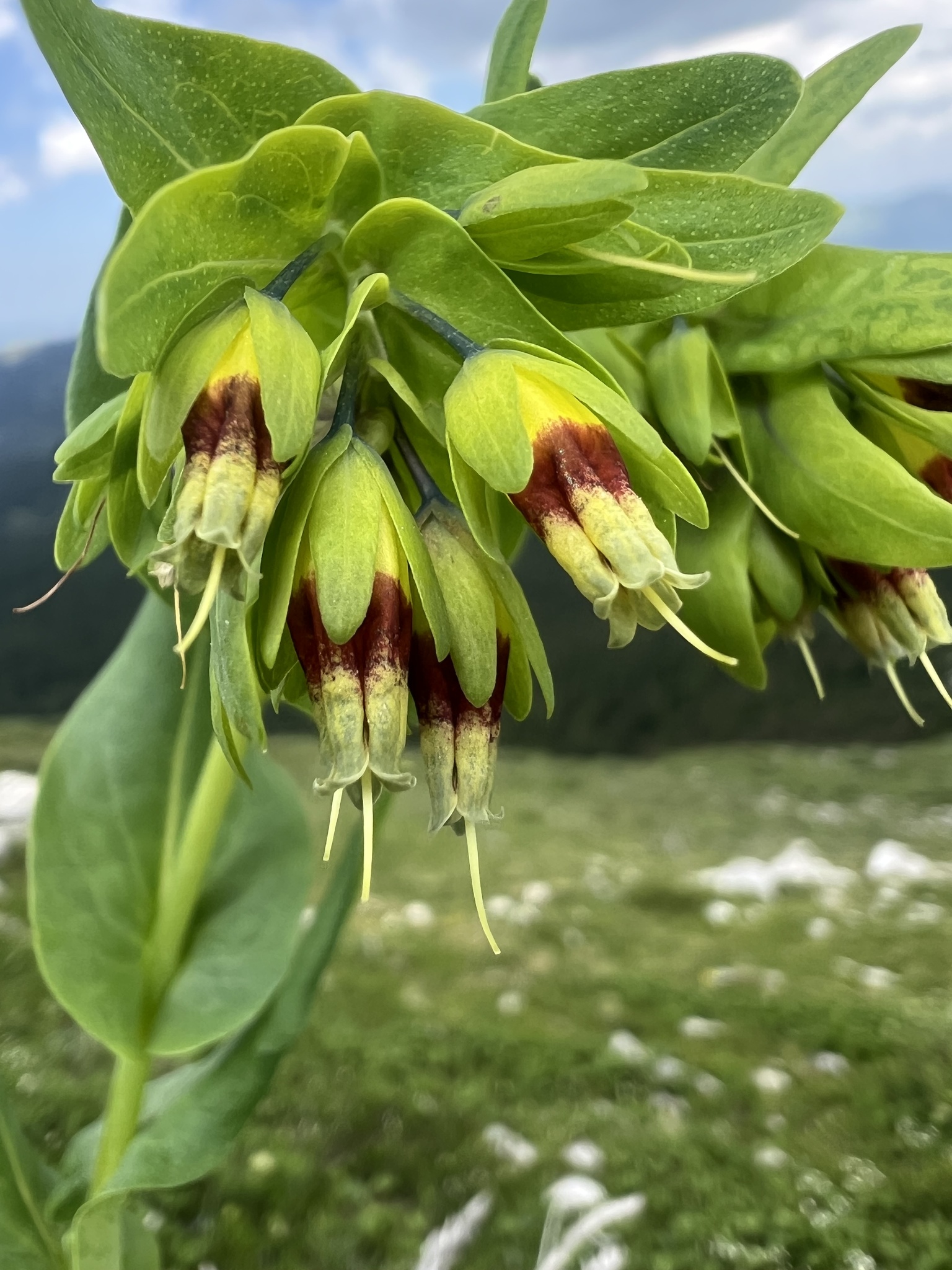
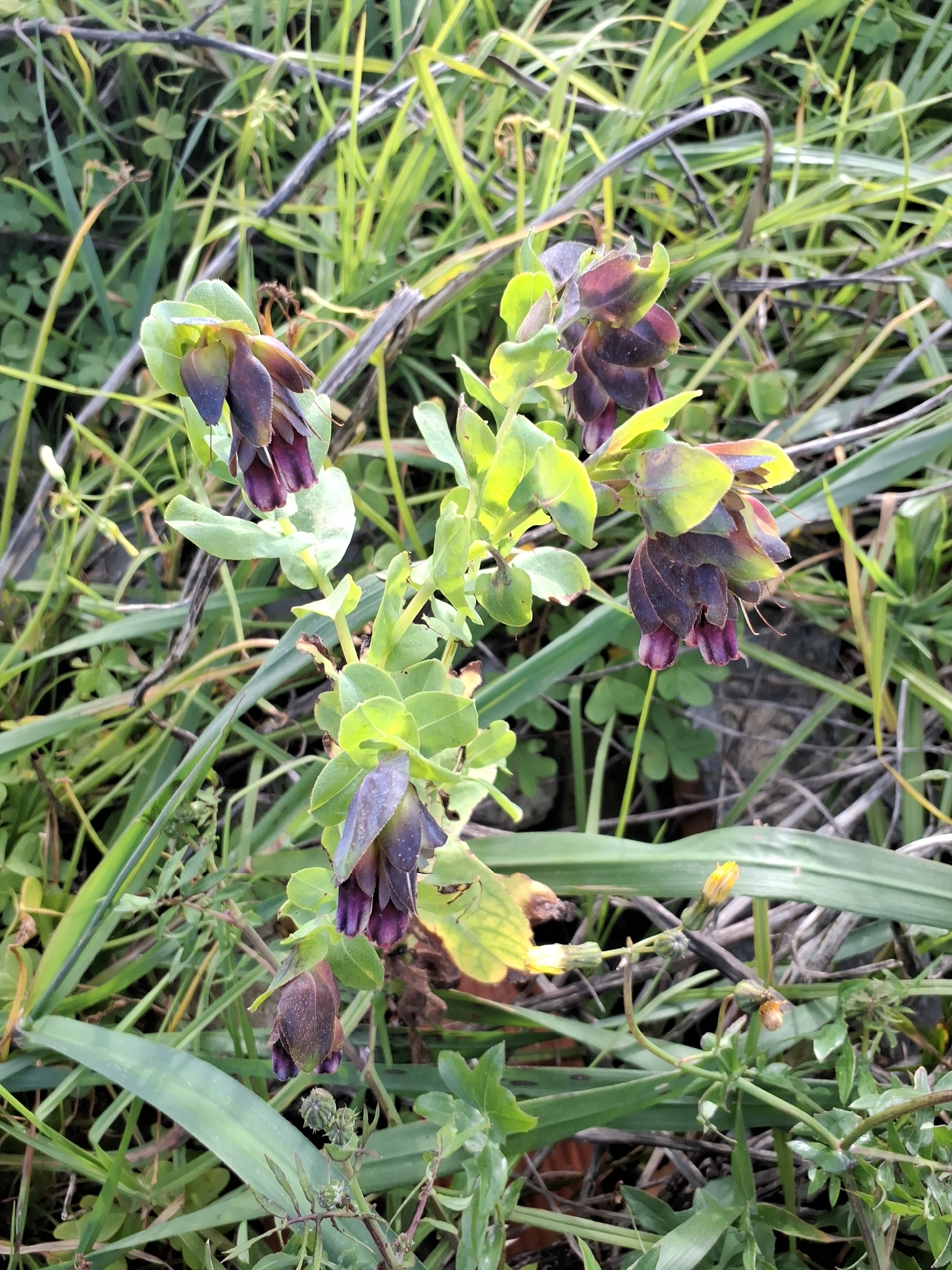
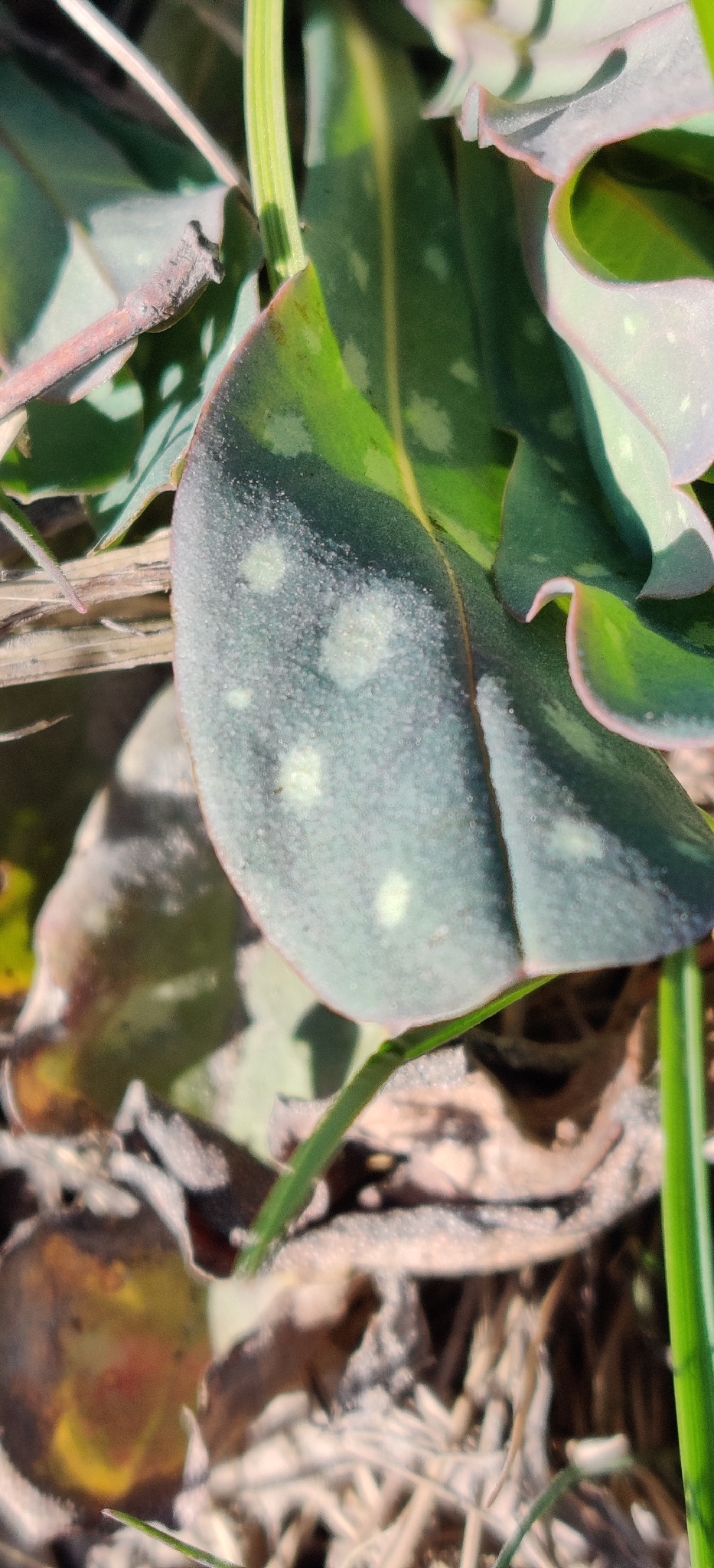
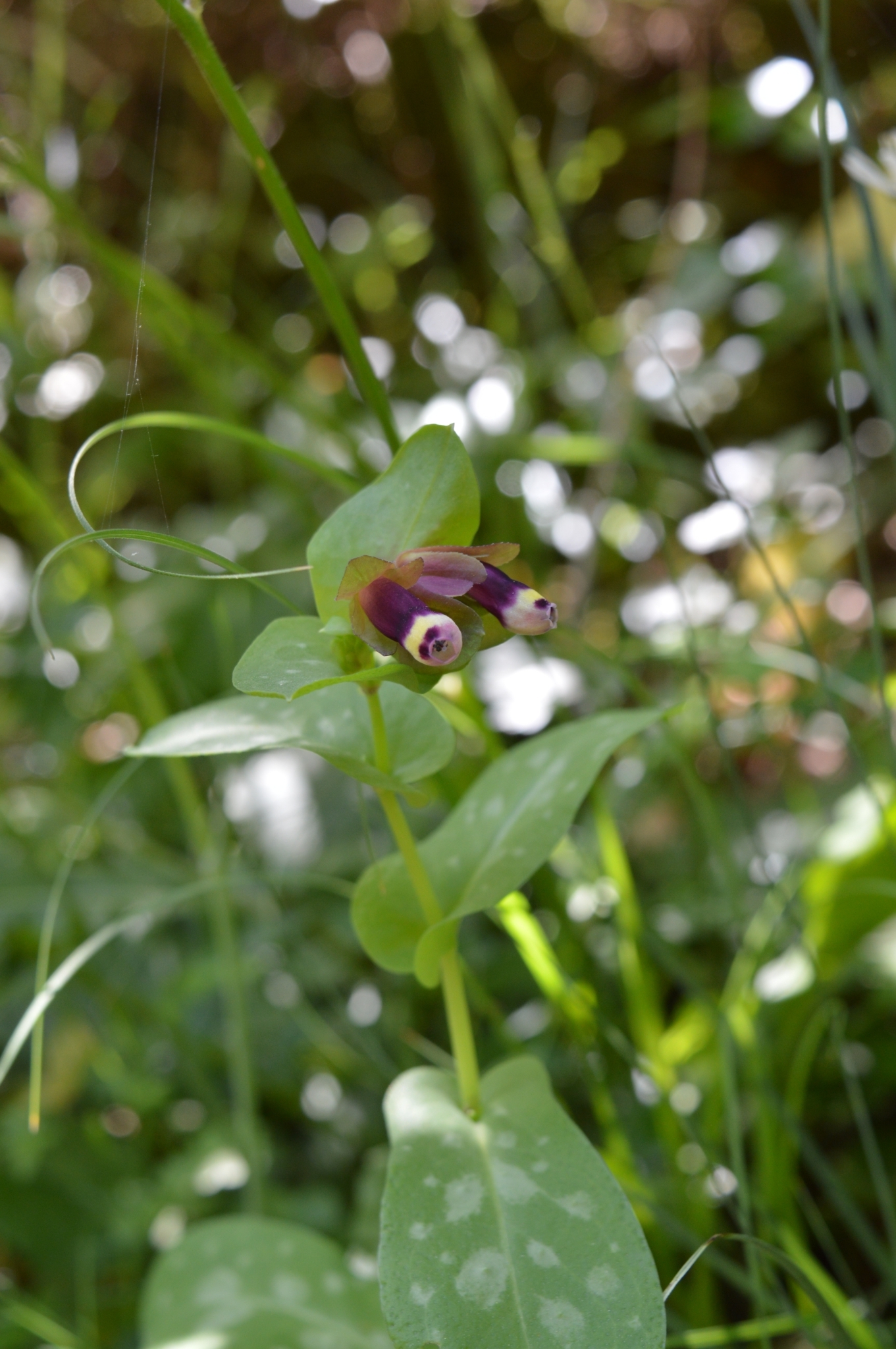
Photos of Cerinthe Palaestina (Cerinthe palaestina)
Botanical classification
| Rank | Name |
|---|---|
| Kingdom | Plantae |
| Division | Tracheophyta |
| Class | Magnoliopsida |
| Order | Boraginales |
| Family | Boraginaceae |
| Genus | Cerinthe |
| Species | Cerinthe palaestina |
Similar in genus Cerinthe
Answers based on plant encyclopedia data