Skip to plant details

PotatotreeSolanum erianthum

Also known as Big Eggplant · China Flowerleaf · Flannelbush

  • Category: Fruit
  • Type: Tree
  • Sunlight: Full Sun to Partial Shade
  • Water: Moderate
  • Temperature: Warm

Safety note: This plant may be toxic to humans and pets. See toxicity details.

Potatotree (Solanum erianthum) is a fast-growing shrub or small tree native to the Americas, often found in disturbed areas. It has attractive foliage and small fruits.

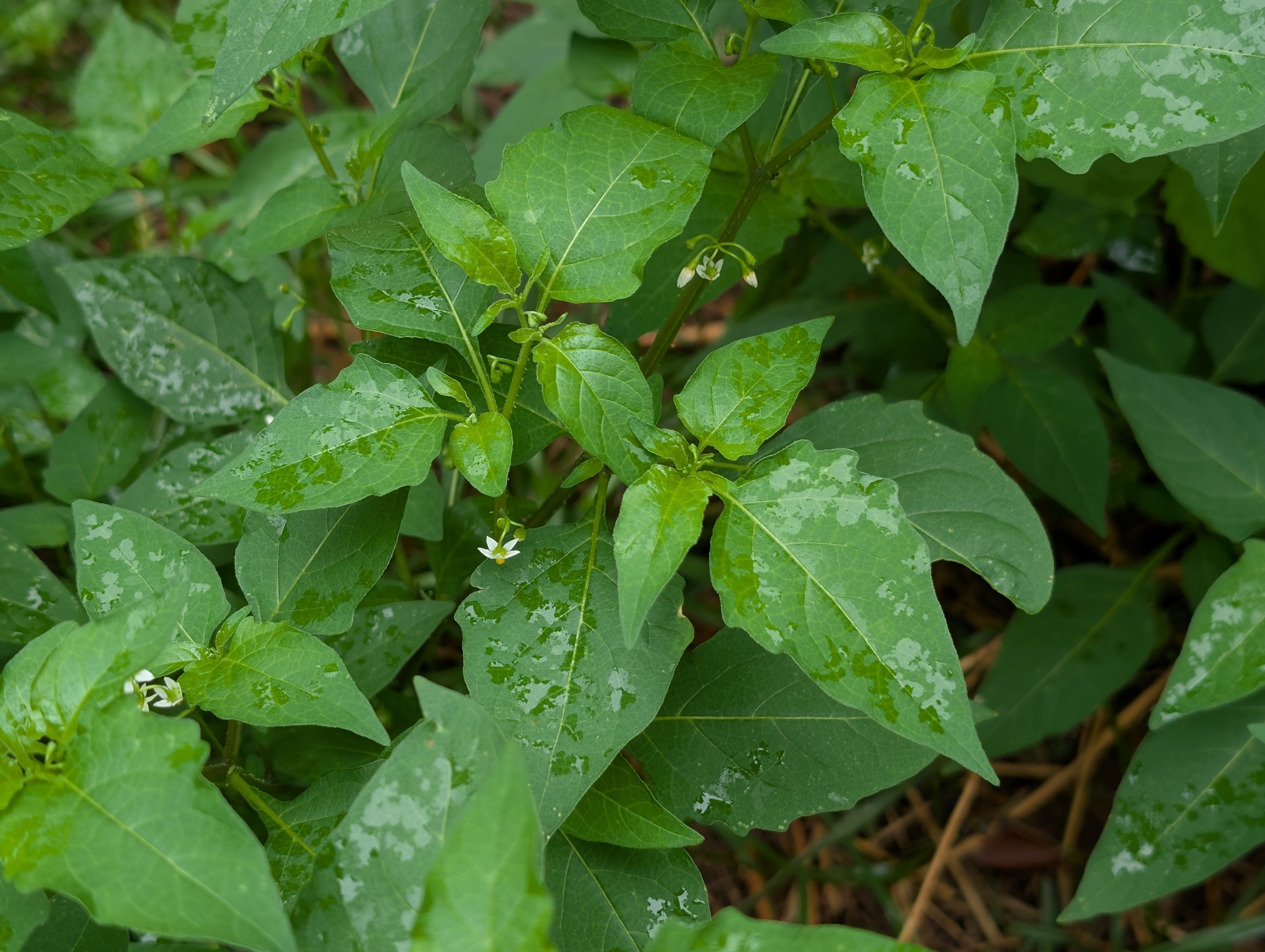
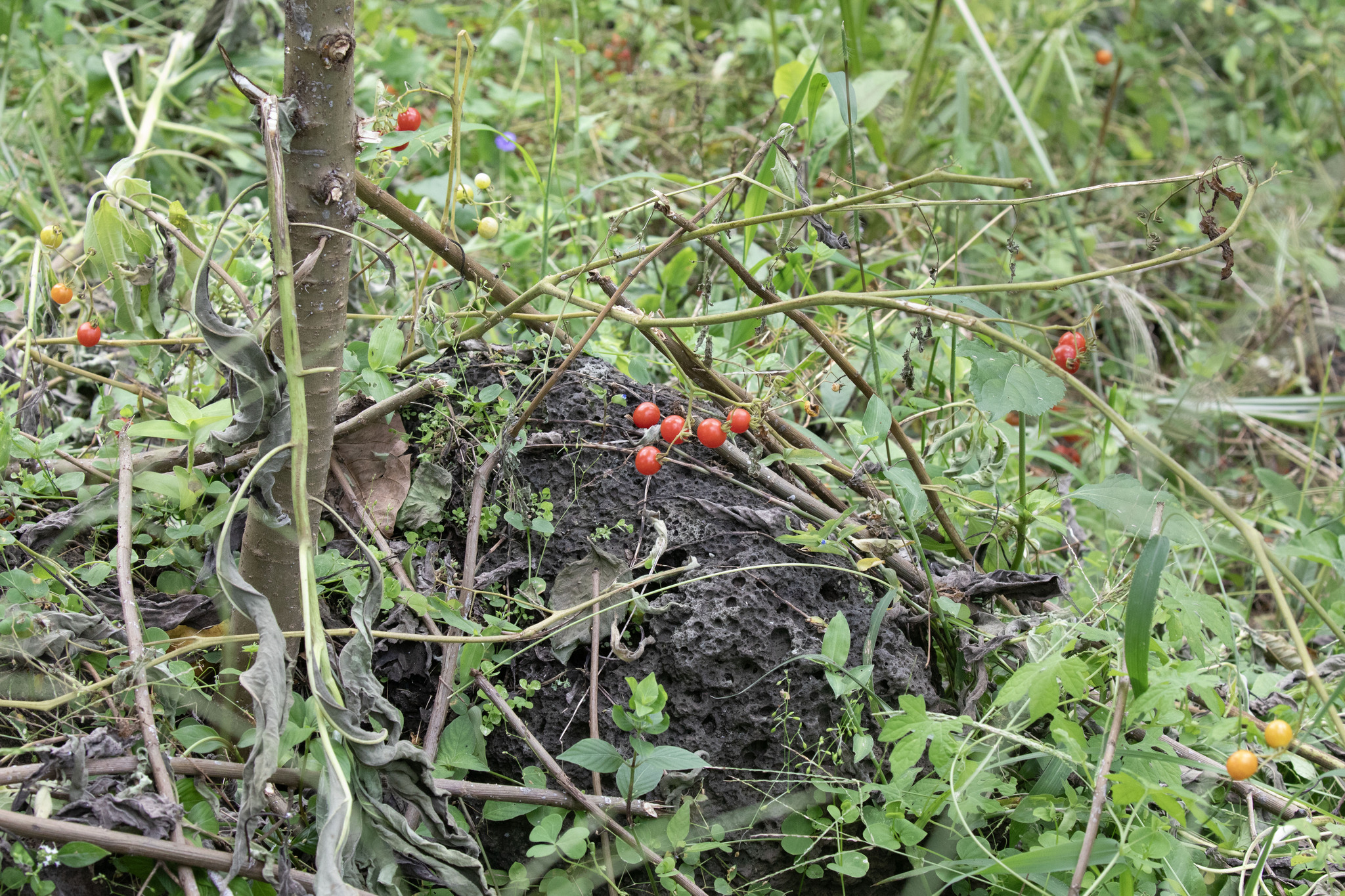
Solanum erianthum, commonly known as the Potatotree, is a species of flowering plant in the nightshade family, Solanaceae. This shrub or small tree is recognized for its distinctive foliage and its role within its native ecosystems. It is a member of a diverse genus that includes familiar plants like the potato and tomato, though Solanum erianthum itself is not cultivated for these purposes. Physically, Solanum erianthum typically presents as an erect shrub or a small tree, reaching heights of up to 5 meters, though it can occasionally grow taller. Its growth habit is generally branching. The leaves are a prominent feature, being ovate to elliptical in shape, and often measure between 10 to 30 centimeters in length. A notable characteristic of the leaves and young stems is their dense covering of stellate (star-shaped) hairs, which gives them a woolly or velvety texture and a grayish-green appearance. The flowers are borne in terminal or lateral cymes and are typically white or pale lilac, with a star-shaped corolla. Following flowering, the plant produces berries. These berries are globose, initially green, and mature to a yellow or orange-yellow color. They are approximately 1 to 1.5 centimeters in diameter. The bark of mature plants is usually grayish and somewhat rough. Seeds are small and numerous, contained within the fleshy berries. The native distribution of Solanum erianthum is extensive, spanning parts of Mexico, Central America, the Caribbean, and South America, extending as far south as Argentina. It thrives in a variety of natural habitats, often found in disturbed areas, open woodlands, savannas, and along roadsides. It prefers well-drained soils and can tolerate a range of light conditions, from full sun to partial shade. While not widely cultivated as an ornamental or agricultural crop, it is a common component of its native flora. Ecologically, Solanum erianthum plays a role in supporting local wildlife, with its berries likely serving as a food source for birds and other animals. Its dense foliage can provide habitat and shelter. Historically, some indigenous communities have utilized parts of the plant for medicinal purposes, though such uses are not universally documented or scientifically validated for widespread application. Its economic importance is minimal compared to other members of the Solanum genus. An interesting characteristic of Solanum erianthum is its adaptation to arid and semi-arid environments, where its hairy leaves may help reduce water loss by reflecting sunlight and trapping a layer of air. The stellate hairs are a significant diagnostic feature, distinguishing it from many other Solanum species. The common name "Potatotree" is descriptive of its botanical family but does not imply any culinary relationship to the potato tuber.

Photograph © 嚴世芳 · CC-BY-NC

Potatotree Care Summary

At-a-glance light, water, soil, and growing conditions from plant data

Light

Full Sun to Partial Shade

75% intensity

Prefers full sun but tolerates partial shade.

Watering

Moderate

50% intensity

Water when the top inch of soil is dry. Ensure good drainage.

Soil

Well-drained loam

50% intensity

Temperature

Warm

75% intensity

Thrives in warm temperatures, between 18-27°C. Protect from frost.

Fertilizing

Moderate

50% intensity

Feed during the growing season with a balanced liquid fertilizer.

Potatotree Toxicity

Safety information from plant toxicity data

Toxicity details for Potatotree
AttributeValue
Toxic for humansYes

4/5 intensity

Toxic for petsYes

4/5 intensity

EdibleNo

All parts are toxic.

Potatotree Quick Facts

Key traits and growing stats from plant data

Plant Type
Tree
Plant Category
Fruit
Plant Place Type
Garden, Pot
Lifespan
Perennial
Plant Height
3-7 m
Spread
2-4 m
Growth Rate
Moderate
Dormancy
None
Leaf Color
Green
Leaf Type
Ovate
Flower Size
1-1.5 cm
Optimal Sunlight Lux
60000

Care guide for Potatotree

Watering, pruning, propagation, and repotting details from plant data

Water

Water thoroughly when the top 2-3 cm of soil feels dry. Reduce watering in winter. Avoid waterlogged conditions, as this can lead to root rot. Ensure good drainage in pots and garden beds.

Pruning

Prune in late winter or early spring to shape the plant and remove any dead, damaged, or crossing branches. This encourages bushier growth and can improve flowering and fruiting.

Propagation

Easily propagated from seeds sown in spring. Cuttings can also be taken from semi-hardwood in summer. Ensure cuttings have at least two nodes and use rooting hormone for better success.

Repotting

Repot young plants annually into slightly larger containers. Mature plants can be repotted every 2-3 years in spring as needed. Use a well-draining potting mix.

Identify plants like this with ePlant

Snap a photo to get care tips and match similar species on the go.

Try for Free

Flowering & Fruiting Cycles

Monthly activity intensity for bloom and fruit across both hemispheres.

Northern hemisphere

Flowering & fruiting calendar

Peak bloom · JunPeak fruit · Jun
FloweringFruiting
02468JanFebMarAprMayJunJulAugSepOctNovDecActivity intensityMonths98
Southern hemisphere

Flowering & fruiting calendar

Peak bloom · NovPeak fruit · Dec
FloweringFruiting
02468JanFebMarAprMayJunJulAugSepOctNovDecActivity intensityMonths98

Potatotree Names & Synonyms

Common names and botanical synonyms

Common Names

  • Big Eggplant
  • China Flowerleaf
  • Flannelbush
  • Mullein Nightshade
  • Potato Tree
  • Potato-Tree
  • Tobacco-Tree
  • Velvet Nightshade
  • Wild Tobacco
  • Wild Tobacco Tree
  • Woody Nightshade

Synonyms

  • Solanum amblycalycinum St.-Lag.
  • Solanum amblycalyx Dunal
  • Solanum eriocalyx Dunal
  • Solanum mauritianum Blanco
  • Solanum racemosum Mill.

Potatotree Taxonomy

Botanical classification

Taxonomic classification of Potatotree
RankName
kingdomPlantae
divisionTracheophyta
classMagnoliopsida
orderSolanales
familySolanaceae
genusSolanum
speciesSolanum erianthum

Potatotree FAQs

Answers based on plant encyclopedia data

What are the light requirements for Solanum erianthum?

Solanum erianthum thrives in full sun to partial shade. It generally prefers well-lit conditions for optimal growth.

What kind of soil does Potatotree prefer?

Potatotree is adaptable to a variety of soil types, but it prefers well-draining soil. It can tolerate moderately poor soils.

How often should Solanum erianthum be watered?

Watering needs are moderate. Allow the soil to dry out slightly between waterings, especially once established. Avoid waterlogged conditions.

Is Solanum erianthum frost tolerant?

Solanum erianthum is generally considered to be sensitive to frost and is best grown in tropical or subtropical climates where freezing temperatures are rare.

Are the fruits of Solanum erianthum edible?

The small fruits of Solanum erianthum are generally considered inedible and may be toxic if consumed. It is best to avoid ingesting them.