Water
Chinese Elms prefer consistent moisture. Water thoroughly when the top 2-3 cm of soil feels dry. Avoid waterlogging, as this can lead to root rot.
Reduce watering slightly during winter dormancy, but do not let the soil dry out completely.
Also known as Lacebark · Lacebark Elm · Leather-Leaf Elm
Chinese Elm (Ulmus parvifolia) is a hardy, fast-growing deciduous tree with attractive mottled bark, small leaves, and a graceful habit.
At-a-glance light, water, soil, and growing conditions from plant data
Full Sun to Partial Shade
75% intensity
Prefers full sun for best growth, but tolerates some shade.
Moderate
50% intensity
Keep soil consistently moist but not waterlogged.
Well-drained
50% intensity
Adaptable
50% intensity
Tolerates a wide range of temperatures, from cool winters to warm summers.
Moderate
50% intensity
Fertilize during the growing season with a balanced liquid fertilizer.
Safety information from plant toxicity data
| Attribute | Value |
|---|---|
| Toxic for humans | No 0/5 intensity |
| Toxic for pets | No 0/5 intensity |
| Edible | No |
Key traits and growing stats from plant data
Watering, pruning, propagation, and repotting details from plant data
Chinese Elms prefer consistent moisture. Water thoroughly when the top 2-3 cm of soil feels dry. Avoid waterlogging, as this can lead to root rot.
Reduce watering slightly during winter dormancy, but do not let the soil dry out completely.
Pruning is essential for shaping and maintaining the size of Chinese Elms, especially when grown as bonsai. Prune in late winter or early spring before new growth begins.
Remove any dead, damaged, or crossing branches to improve air circulation and encourage a denser canopy.
Chinese Elms can be propagated from seeds sown in autumn or spring, or from semi-hardwood cuttings taken in summer. Cuttings should be treated with rooting hormone and placed in a well-draining medium.
Seeds may require a period of cold stratification before sowing.
Repot young Chinese Elms every 1-2 years in spring, and older trees every 2-3 years. Trim back the roots by about one-third, removing any circling or dead roots.
Use a well-draining potting mix suitable for bonsai or deciduous trees.
Identify plants like this with ePlant AI
Snap a photo to get care tips and match similar species on the go.
Monthly activity intensity for bloom and fruit across both hemispheres.
Flowering & fruiting calendar
Flowering & fruiting calendar
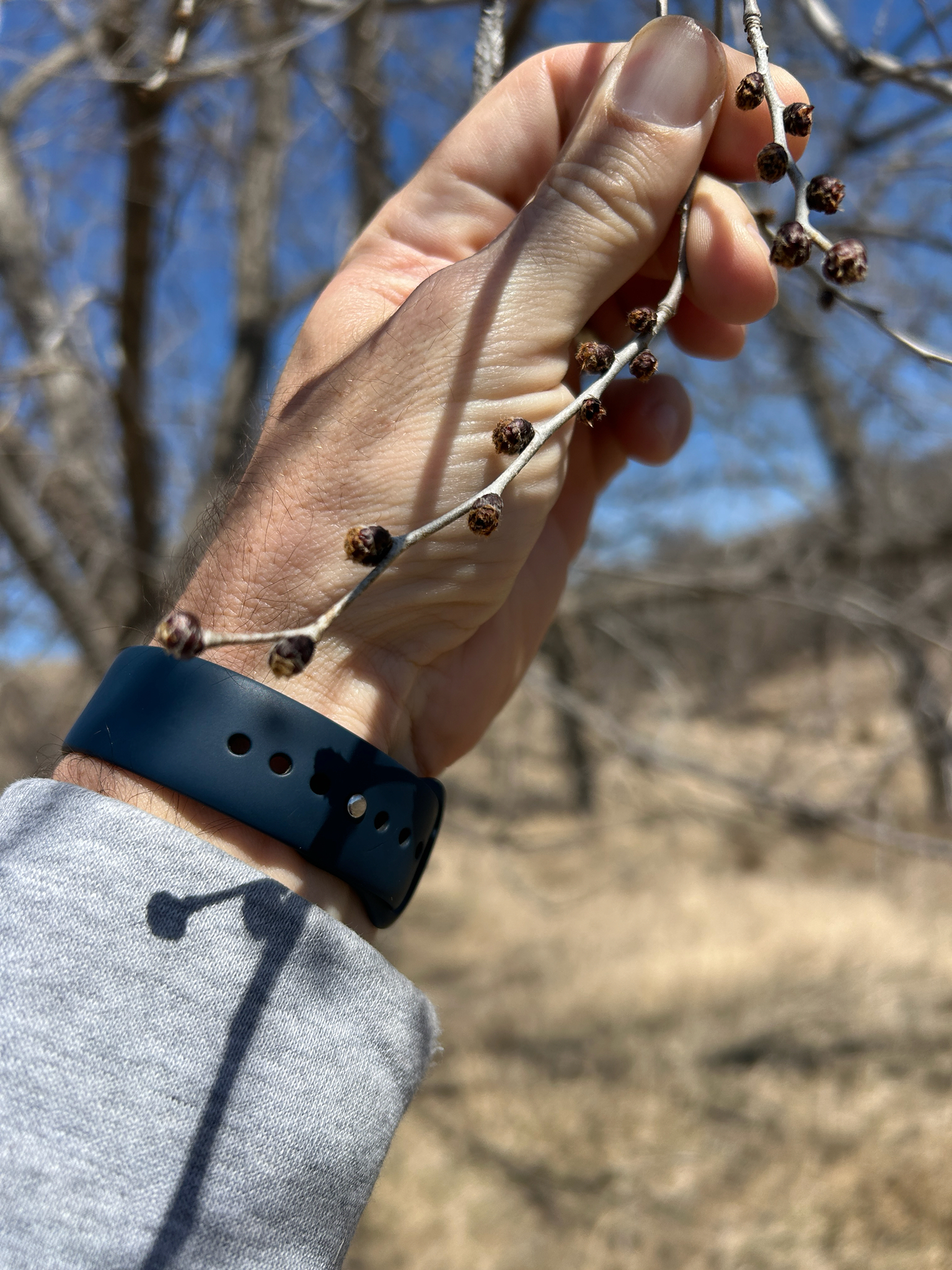
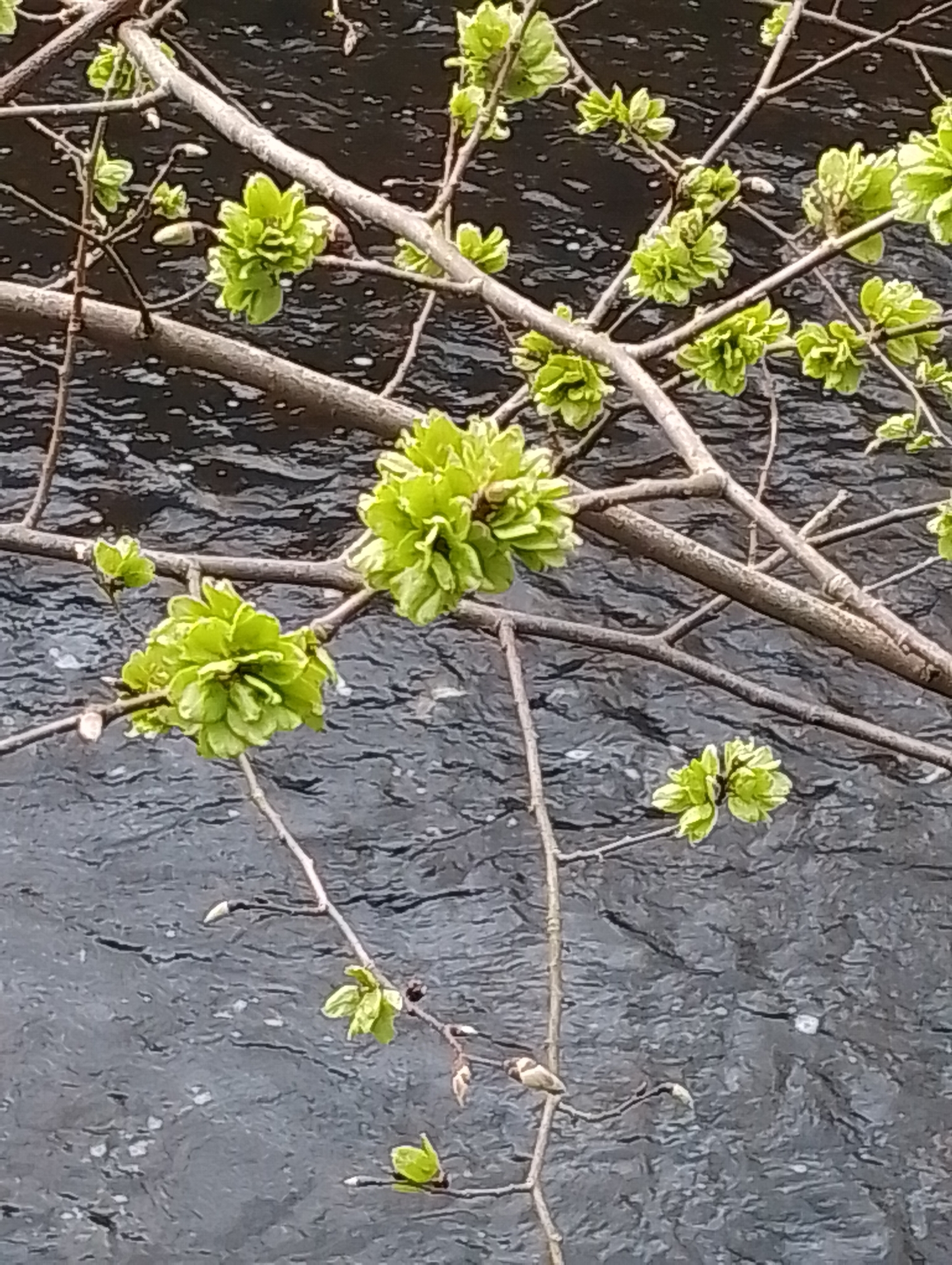
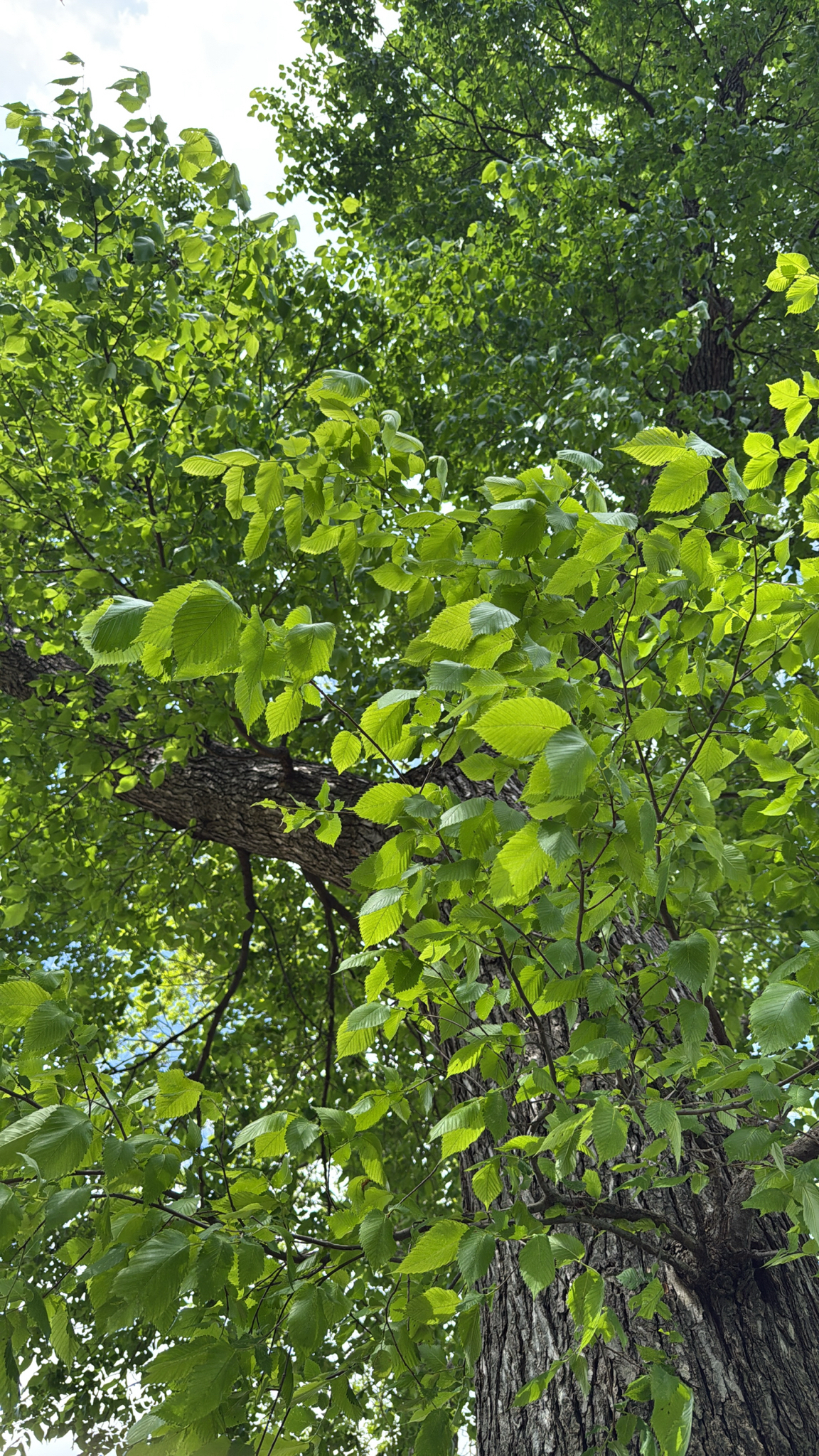
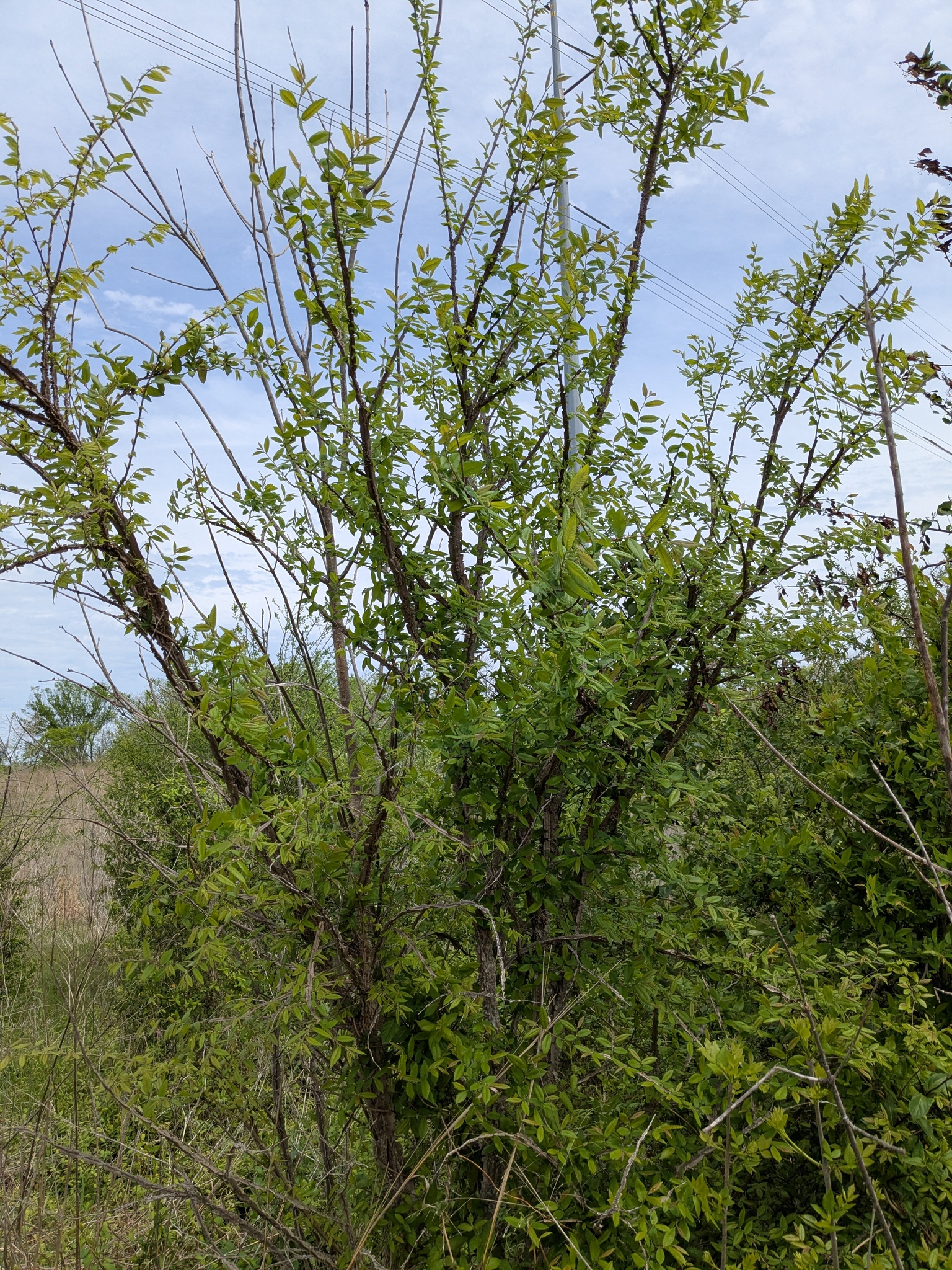
Photos of Chinese Elm (Ulmus parvifolia)
Where Chinese Elm (Ulmus parvifolia) is found

Density
Tap map to explore
Common names and botanical synonyms
Botanical classification
| Rank | Name |
|---|---|
| Kingdom | Plantae |
| Division | Tracheophyta |
| Class | Magnoliopsida |
| Order | Rosales |
| Family | Ulmaceae |
| Genus | Ulmus |
| Species | Ulmus parvifolia |
Similar in genus Ulmus
Answers based on plant encyclopedia data