Water
Colocynth prefers infrequent watering once established. Allow the soil to dry out completely between waterings. Overwatering can lead to root rot, especially in cooler conditions.
Water deeply when necessary, ensuring good drainage.
Also known as Alhandal · Bitter Gourd · Bitter-Apple
Safety note: This plant may be toxic to humans and pets. See toxicity details.
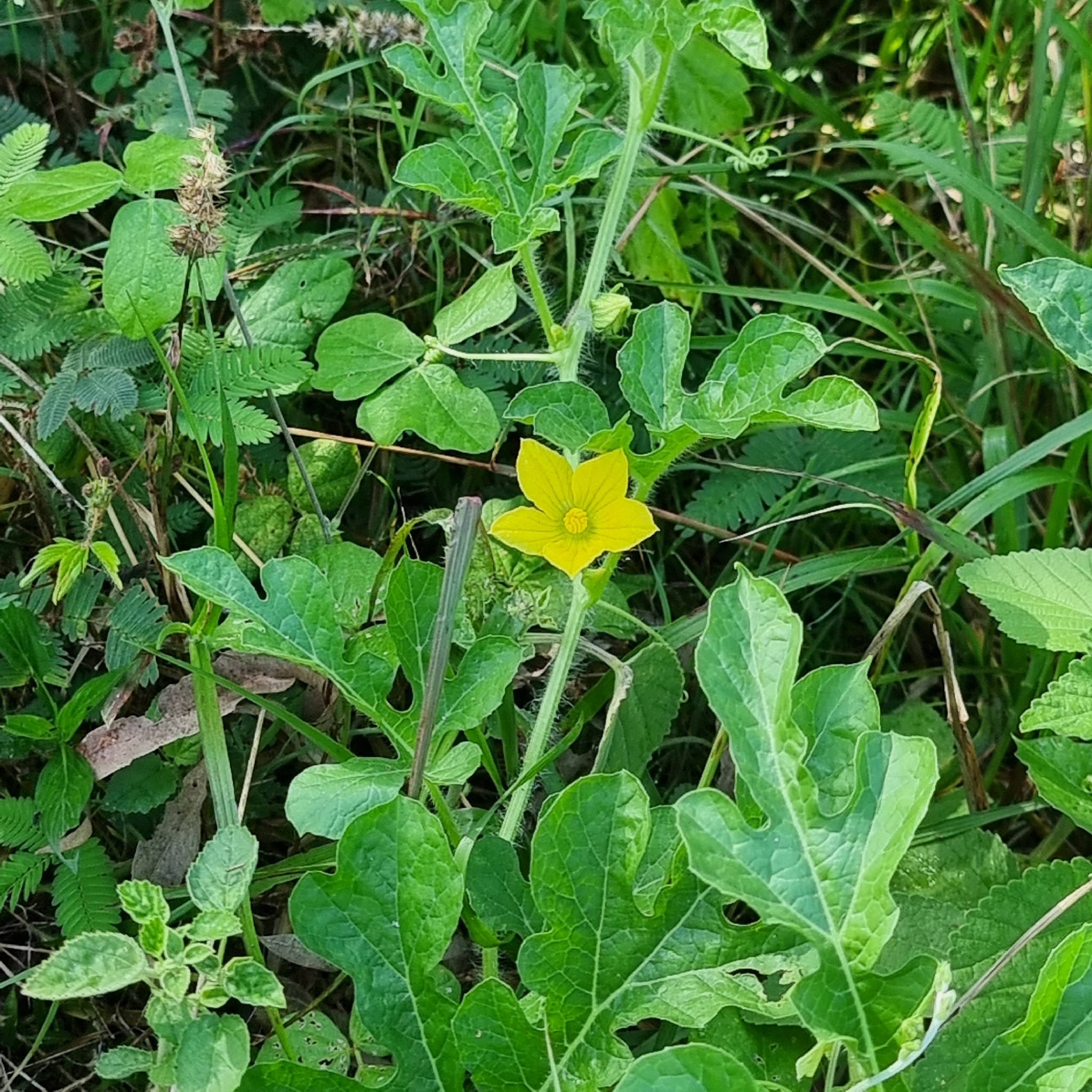
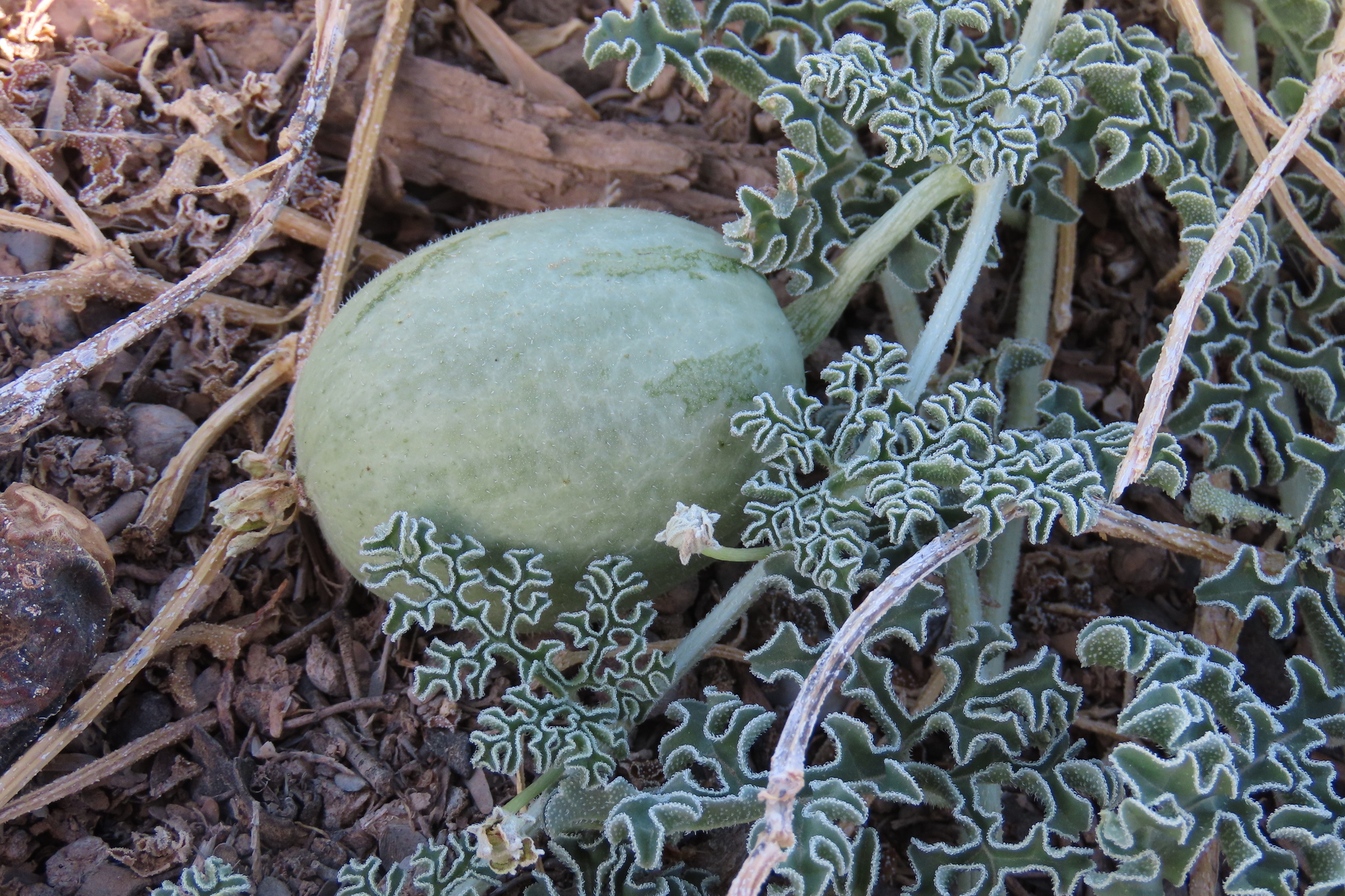
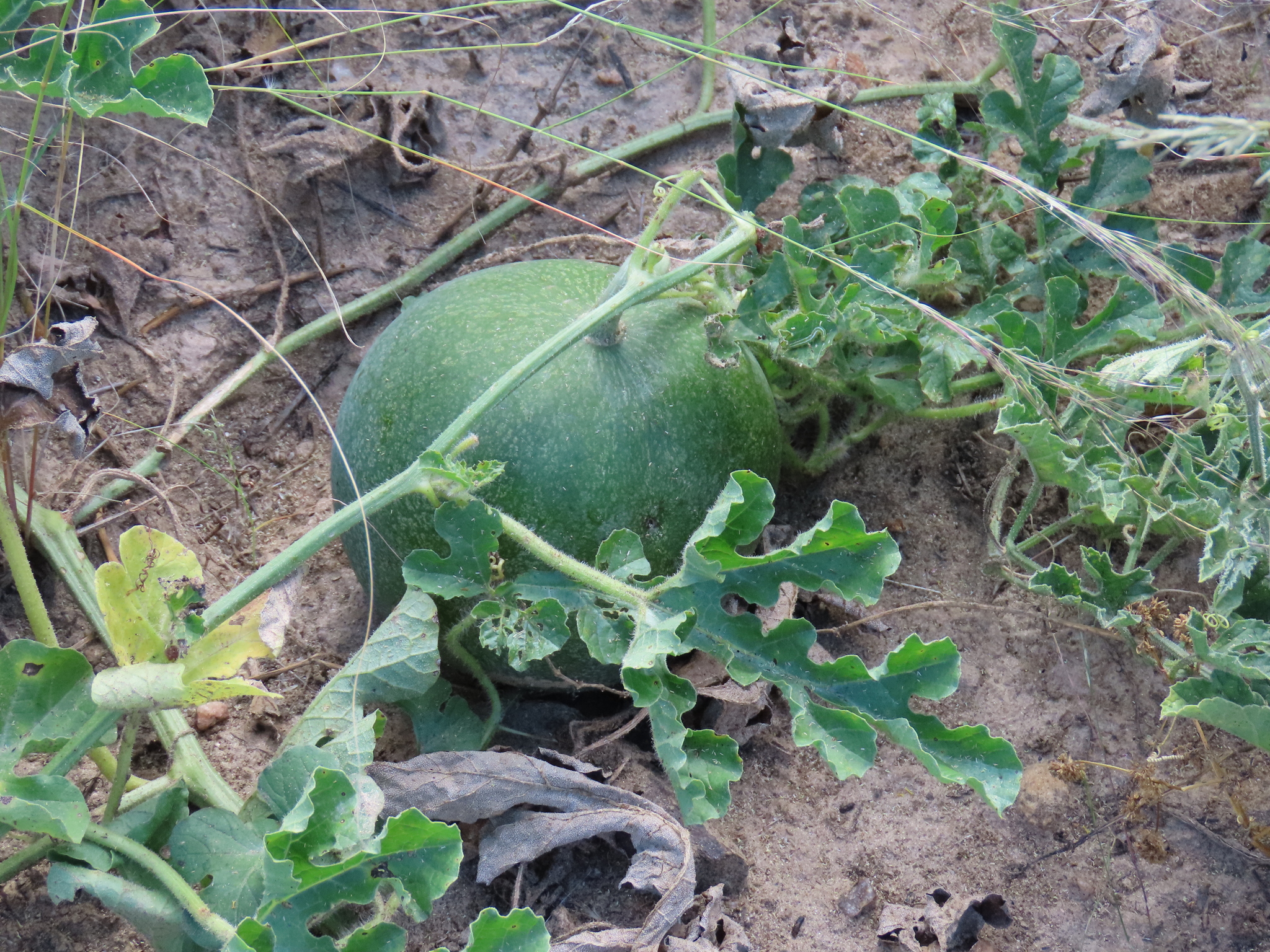
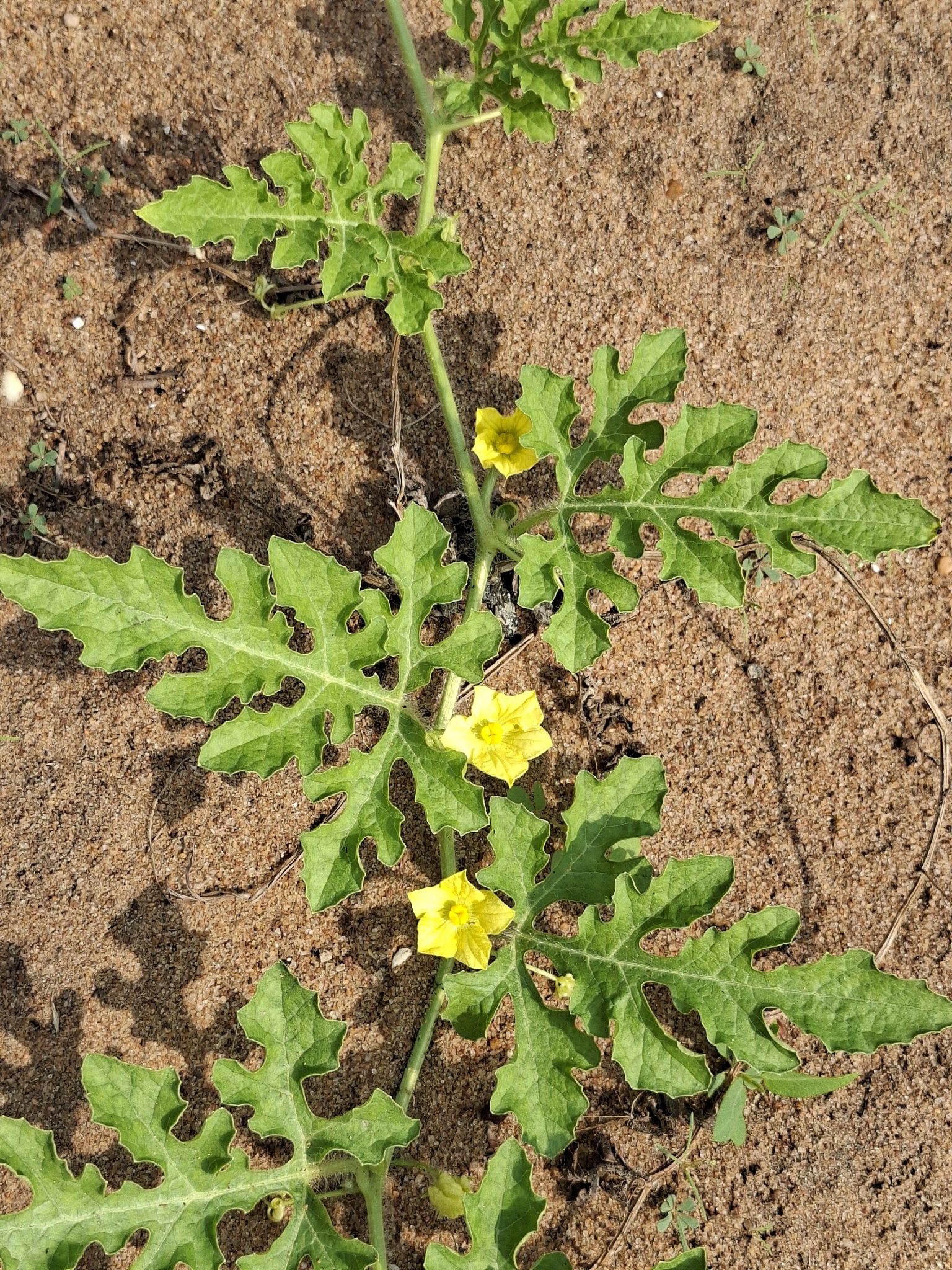
Colocynth (Citrullus colocynthis) is a desert vine producing bitter, medicinal fruits. It's drought-tolerant and thrives in arid regions.
At-a-glance light, water, soil, and growing conditions from plant data
Full Sun
100% intensity
Requires at least 6-8 hours of direct sunlight daily for optimal growth and fruiting.
Drought Tolerant
25% intensity
Allow soil to dry out completely between waterings. Avoid overwatering.
Sandy, Well-drained
50% intensity
Warm to Hot
75% intensity
Prefers temperatures between 21-35°C. Sensitive to frost.
Low Feed
25% intensity
Does not require frequent fertilization; a light feeding in spring is usually adequate.
Safety information from plant toxicity data
| Attribute | Value |
|---|---|
| Toxic for humans | Yes 5/5 intensity |
| Toxic for pets | Yes 5/5 intensity |
| Edible | No |
The pulp is a strong purgative and emetic, causing severe gastrointestinal distress. The seeds contain toxic glycosides.
Key traits and growing stats from plant data
Watering, pruning, propagation, and repotting details from plant data
Colocynth prefers infrequent watering once established. Allow the soil to dry out completely between waterings. Overwatering can lead to root rot, especially in cooler conditions.
Water deeply when necessary, ensuring good drainage.
Pruning is generally not required for Colocynth. If necessary to manage growth or remove dead or damaged stems, prune in late winter or early spring before new growth begins.
Ensure tools are clean to prevent disease transmission.
Colocynth is typically propagated from seeds sown directly into the garden after the last frost, or started indoors a few weeks prior. Seeds require warm temperatures for germination.
Scarification or soaking seeds may improve germination rates.
Repotting is rarely necessary for established plants as Colocynth is often grown as an annual or allowed to naturalize. If grown in a container and it becomes root-bound, repot in spring into a larger container with well-draining soil.
Identify plants like this with ePlant AI
Snap a photo to get care tips and match similar species on the go.
Monthly activity intensity for bloom and fruit across both hemispheres.
Flowering & fruiting calendar
Flowering & fruiting calendar
Photos of Colocynth (Citrullus colocynthis)
Common names and botanical synonyms
Botanical classification
| Rank | Name |
|---|---|
| Kingdom | Plantae |
| Division | Tracheophyta |
| Class | Magnoliopsida |
| Order | Cucurbitales |
| Family | Cucurbitaceae |
| Genus | Citrullus |
| Species | Citrullus colocynthis |
Similar in genus Citrullus
Answers based on plant encyclopedia data