Water
Keep the soil consistently moist but not waterlogged. Water thoroughly when the top centimeter of soil feels dry. Reduce watering slightly during winter dormancy.
Ensure good drainage to prevent root rot, especially in container cultivation.
Seashore snowparsley (Cnidium japonicum) is a low-growing perennial herb with delicate white flowers, often found in coastal environments.
At-a-glance light, water, soil, and growing conditions from plant data
Full sun to partial shade
75% intensity
Prefers at least 6 hours of direct sunlight daily for best flowering. Can tolerate some light shade, especially in hot climates.
Regular watering
50% intensity
Keep soil consistently moist, allowing the top layer to dry slightly between waterings. Ensure good drainage.
Sandy, Well-drained
50% intensity
Moderate
50% intensity
Prefers average room temperatures between 18-24°C. Protect from frost and extreme heat. May go dormant in cooler temperatures.
Low feeding
25% intensity
Feed lightly with a balanced liquid fertilizer in spring and mid-summer. Avoid over-fertilization.
Safety information from plant toxicity data
| Attribute | Value |
|---|---|
| Toxic for humans | No 0/5 intensity |
| Toxic for pets | No 0/5 intensity |
Key traits and growing stats from plant data
Watering, pruning, propagation, and repotting details from plant data
Keep the soil consistently moist but not waterlogged. Water thoroughly when the top centimeter of soil feels dry. Reduce watering slightly during winter dormancy.
Ensure good drainage to prevent root rot, especially in container cultivation.
Deadhead spent flowers to encourage further blooming and prevent seed formation. In autumn, cut back the foliage to the ground once it has yellowed or browned. This tidies the plant and prepares it for winter dormancy.
Cnidium japonicum can be propagated by division of established clumps in early spring or by seed sown in autumn or early spring. Sow seeds in a well-draining, sandy mix.
Division is often more reliable for maintaining desirable traits.
Annuals typically do not require repotting. Perennial varieties benefit from repotting every 2-3 years to refresh the soil and prevent them from becoming pot-bound.
Repot in early spring before new growth emerges, using a well-draining potting mix.
Identify plants like this with ePlant AI
Snap a photo to get care tips and match similar species on the go.
Monthly activity intensity for bloom and fruit across both hemispheres.
Flowering & fruiting calendar
Flowering & fruiting calendar
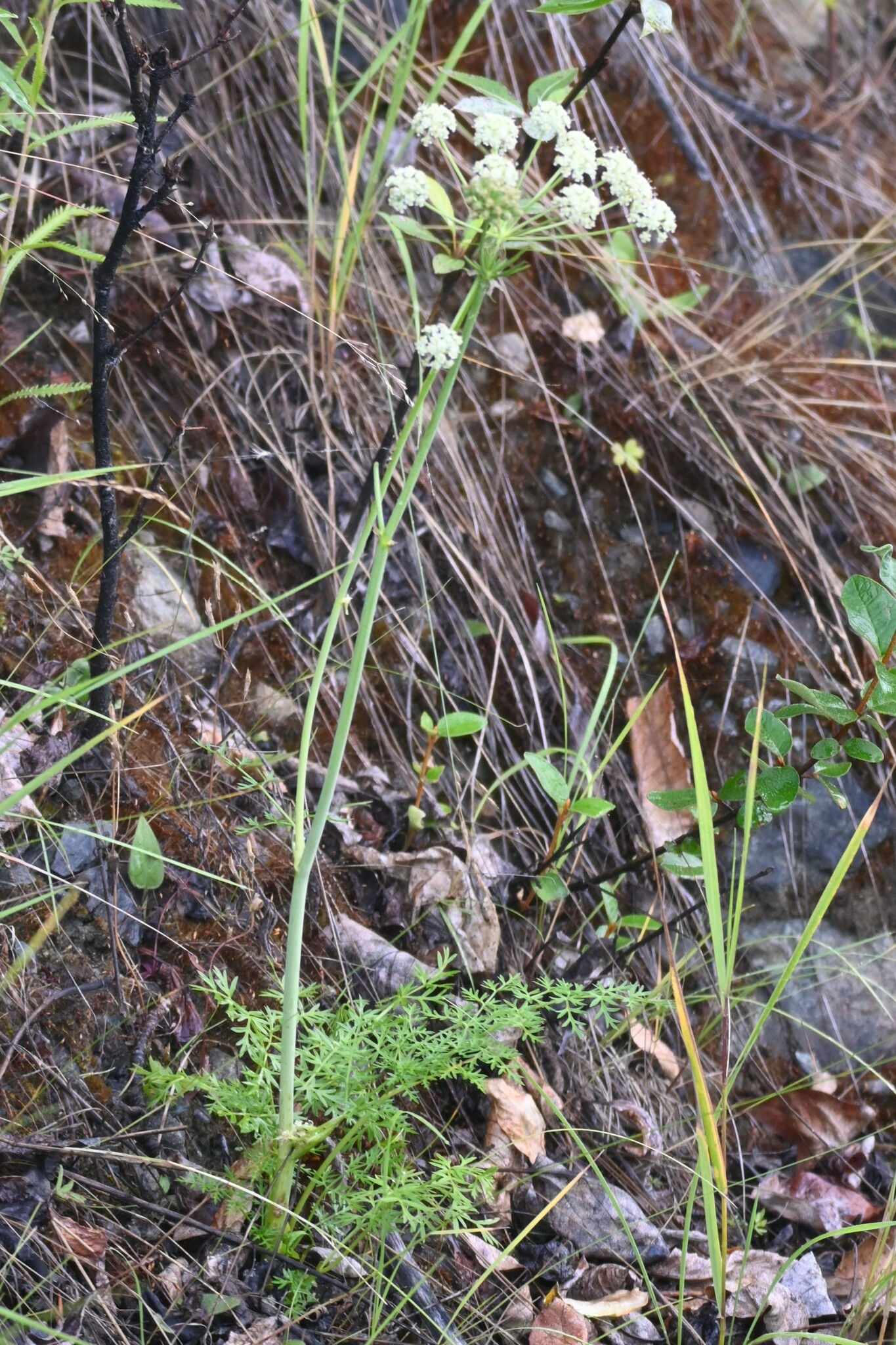
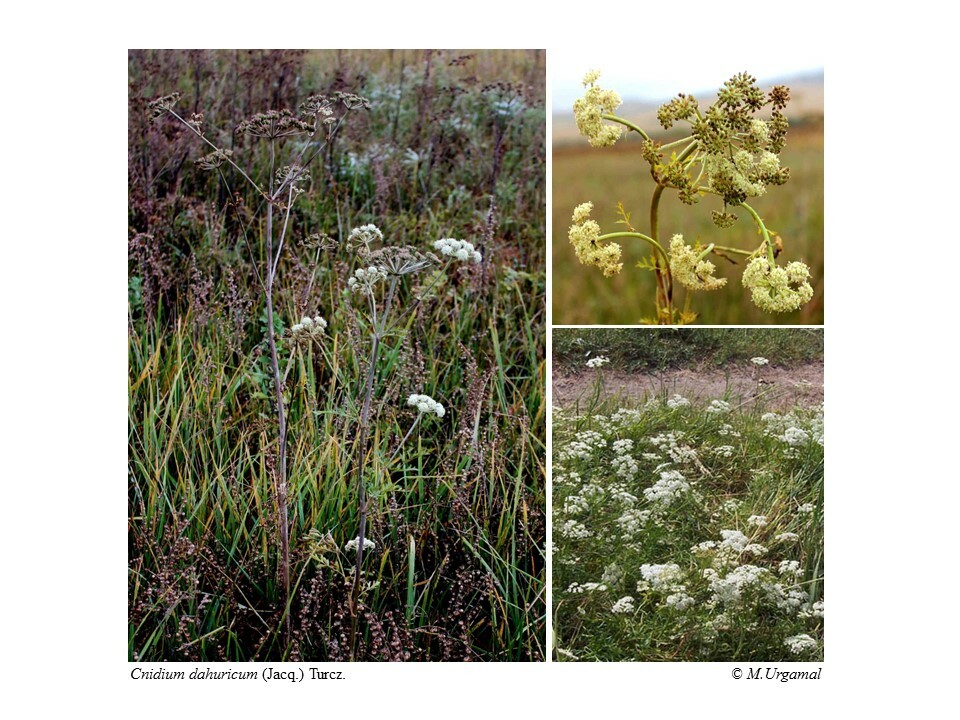
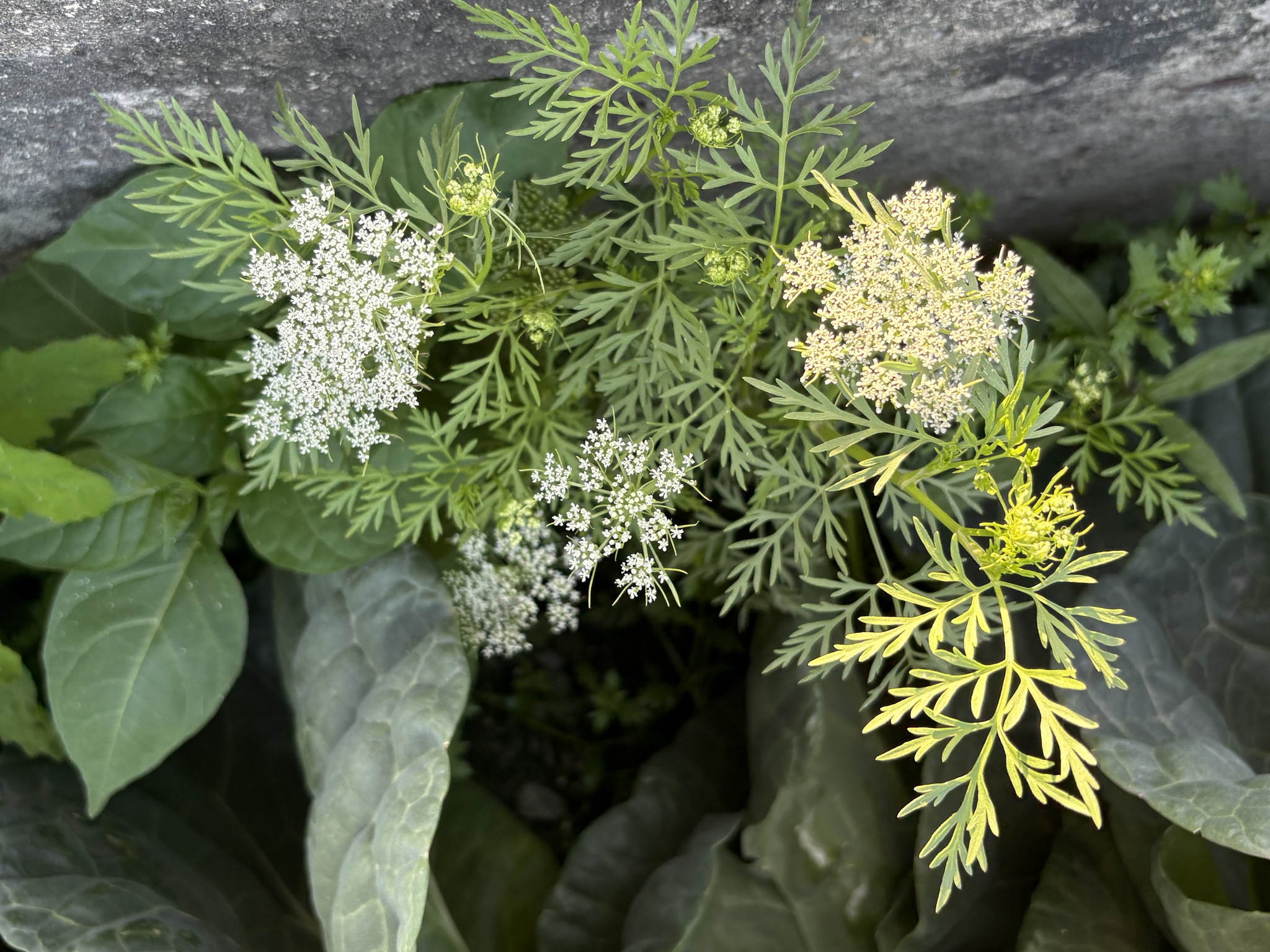
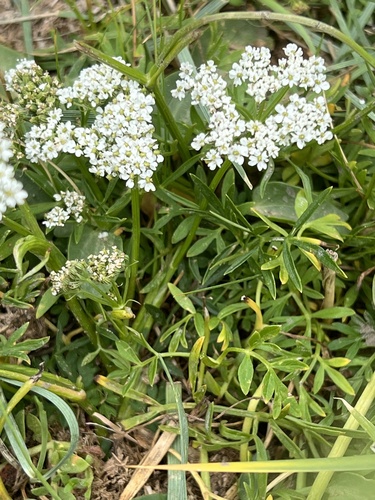
Photos of Seashore Snowparsley (Cnidium japonicum)
Common names and botanical synonyms
Botanical classification
| Rank | Name |
|---|---|
| Kingdom | Plantae |
| Division | Tracheophyta |
| Class | Magnoliopsida |
| Order | Apiales |
| Family | Apiaceae |
| Genus | Cnidium |
| Species | Cnidium japonicum |
Similar in genus Cnidium
Answers based on plant encyclopedia data