Water
Keep the soil consistently moist but not waterlogged. Water thoroughly when the top 2-3 cm of soil feels dry. Reduce watering slightly during cooler months to prevent root rot.
Ensure good drainage in the pot to avoid standing water.
Also known as Arabian Coffee · Arabica Coffee · Coffeetree
Coffee (Coffea arabica) is an evergreen shrub or small tree grown for its seeds, commonly known as coffee beans, the basis for the popular beverage.
At-a-glance light, water, soil, and growing conditions from plant data
Bright, Indirect Light
75% intensity
Avoid direct sunlight, which can scorch leaves.
Consistent Moisture
50% intensity
Allow top inch of soil to dry slightly between waterings.
Well-drained, acidic, fertile
50% intensity
Warm
75% intensity
Ideal range is 18-24°C. Protect from cold drafts.
Outdoor, Indoor
50% intensity
Moderate
50% intensity
Feed with balanced liquid fertilizer during growing season.
Safety information from plant toxicity data
| Attribute | Value |
|---|---|
| Toxic for humans | No 0/5 intensity |
| Toxic for pets | No 0/5 intensity |
| Edible | Yes |
None
Key traits and growing stats from plant data
Watering, pruning, propagation, and repotting details from plant data
Keep the soil consistently moist but not waterlogged. Water thoroughly when the top 2-3 cm of soil feels dry. Reduce watering slightly during cooler months to prevent root rot.
Ensure good drainage in the pot to avoid standing water.
Prune lightly to maintain shape and encourage bushier growth. Remove any dead, damaged, or crossing branches. Major pruning is best done in late winter or early spring before new growth begins.
This also helps manage plant size for indoor environments.
Coffee plants are typically propagated by seeds or cuttings. Seeds require fresh stratification and warmth to germinate.
Cuttings are taken from healthy, mature stems and rooted in a moist, well-draining medium under humid conditions.
Repot your coffee plant every 2-3 years, or when it becomes root-bound. Choose a pot that is one size larger than the current one. Use a well-draining potting mix, ideally slightly acidic.
Repotting is best done in spring.
Identify plants like this with ePlant AI
Snap a photo to get care tips and match similar species on the go.
Monthly activity intensity for bloom and fruit across both hemispheres.
Flowering & fruiting calendar
Flowering & fruiting calendar
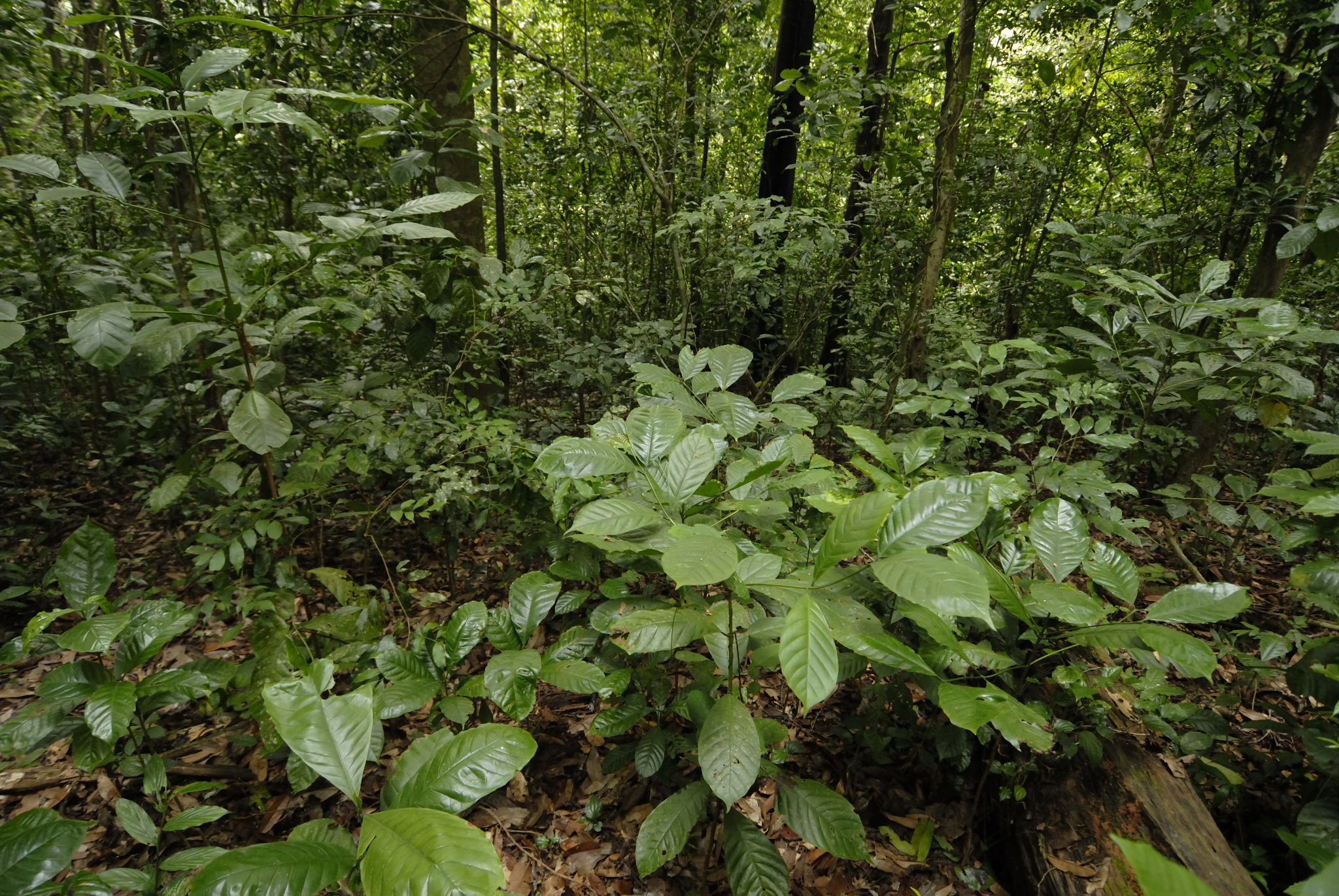
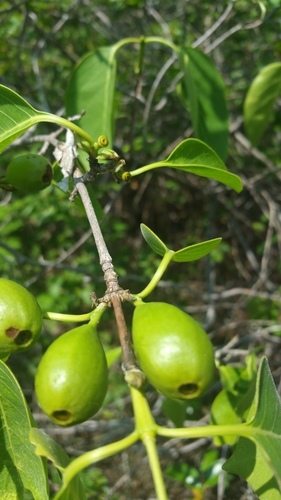
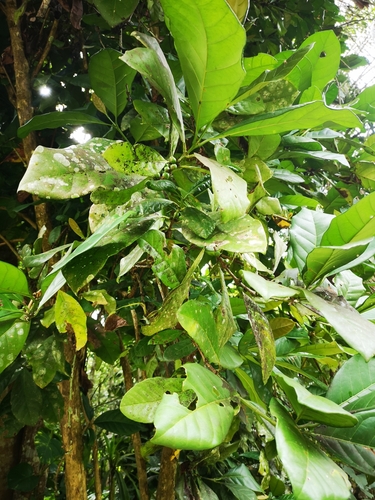
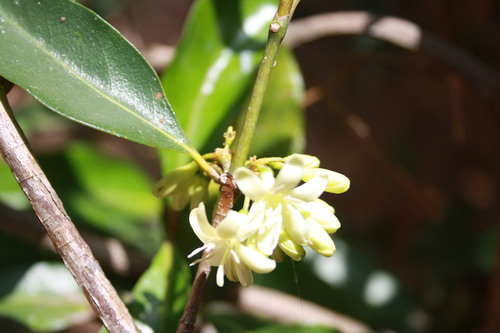
Photos of Coffee (Coffea arabica)
5 known issues from plant disease data

Coffee Leaf Rust on Coffee causes pale yellow leaf spots above and orange powdery patches below, followed by heavy leaf drop and weak growth.

Coffee Berry Disease on Coffee causes dark sunken spots on green berries that spread quickly, rot the fruit, and often cause early berry drop.

Coffee Wilt Disease on Coffee causes yellowing, wilting, shriveling, leaf fall, blue-black wood staining, branch dieback, and tree death.

Cercospora Leaf Spot on Coffee causes brown leaf spots with gray centers and red-brown margins, and green berries develop sunken brown blotches.

Bacterial Blight on Coffee causes blackened shoot tips, leaf petioles, and nodes, with rapid leaf blight, dieback, and a scorched appearance.
Common names and botanical synonyms
Botanical classification
| Rank | Name |
|---|---|
| Kingdom | Plantae |
| Division | Tracheophyta |
| Class | Magnoliopsida |
| Order | Gentianales |
| Family | Rubiaceae |
| Genus | Coffea |
| Species | Coffea arabica |
Similar in genus Coffea
Answers based on plant encyclopedia data