Water
Water newly planted common buckthorn regularly until established. Once mature, it is drought-tolerant and requires minimal supplemental watering, only during prolonged dry spells.
Overwatering can lead to root rot, so ensure good drainage.
Also known as Buckthorn · Carolina Buckthorn · European Buckthorn
Safety note: This plant may be toxic to humans and pets. See toxicity details.
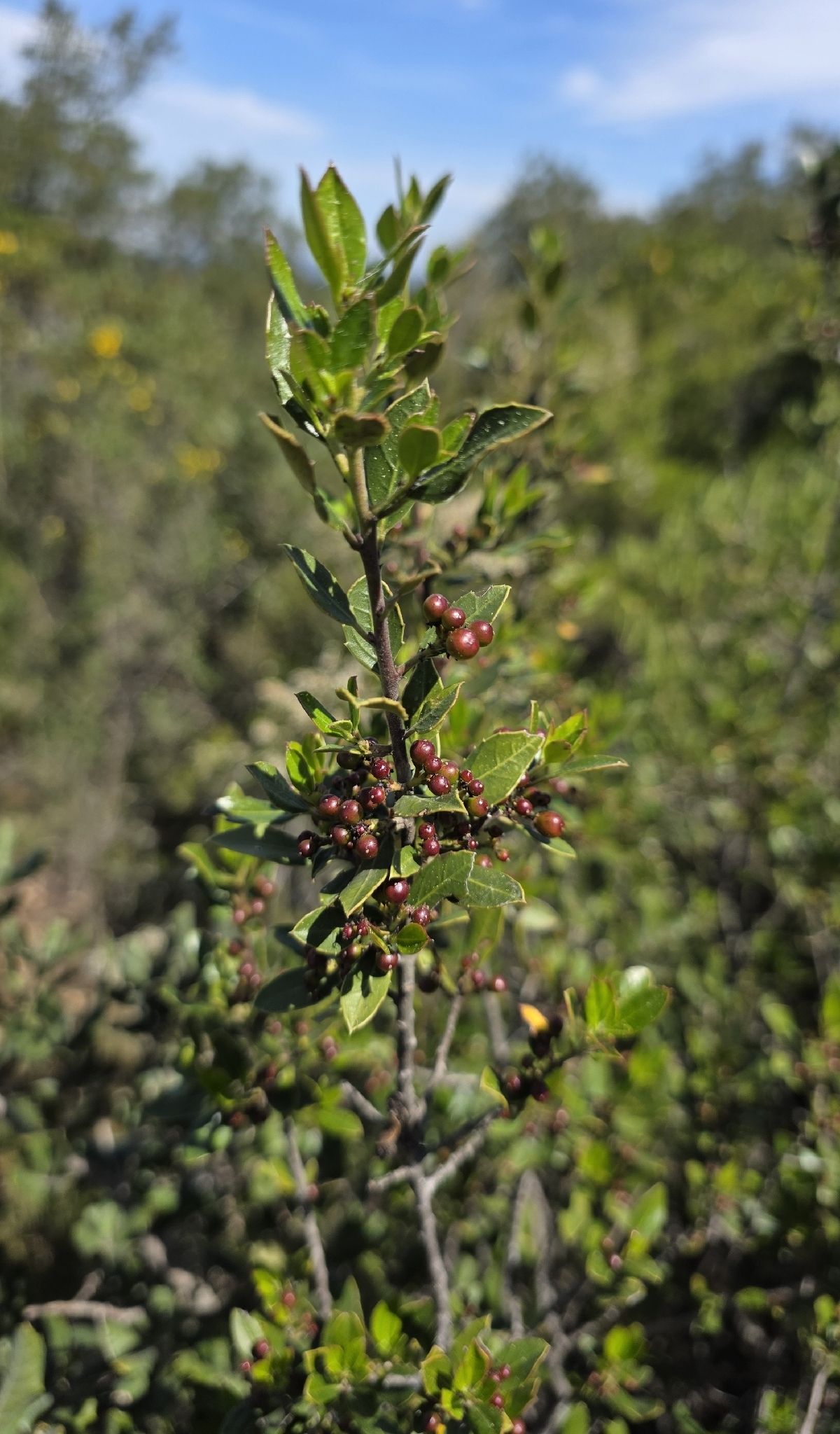
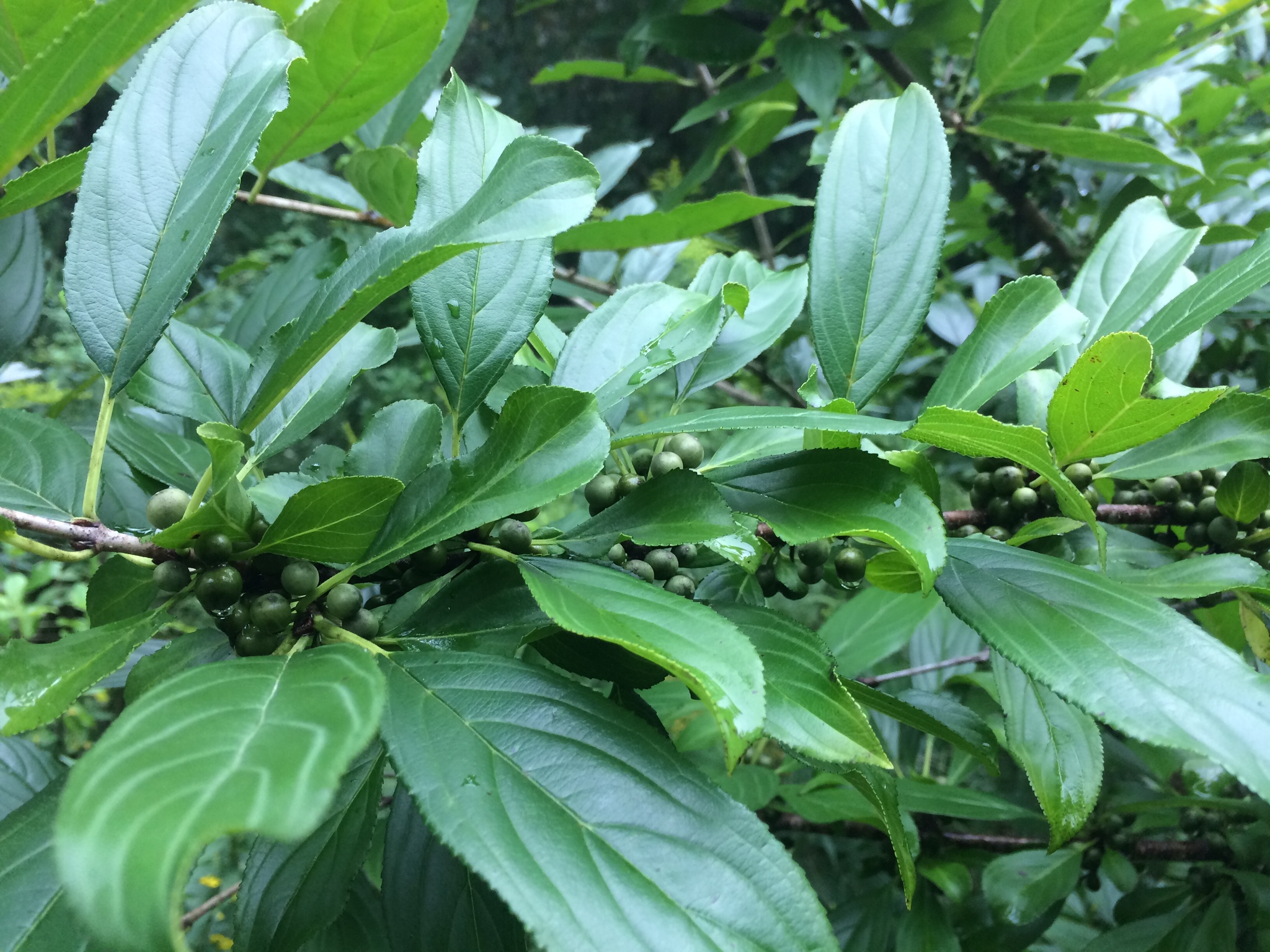
Common buckthorn (Rhamnus cathartica) is a large shrub or small tree, often invasive, known for its dense growth and small black berries.
At-a-glance light, water, soil, and growing conditions from plant data
Full sun to partial shade
50% intensity
Prefers full sun for best growth and flowering, but tolerates shade.
Established plants are drought-tolerant
25% intensity
Water regularly during the first year, then infrequently.
Adaptable to most soil types, tolerates poor, compacted, and alkaline soils.
50% intensity
Hardy
25% intensity
Tolerates a wide range of temperatures, suitable for USDA zones 3-7.
Low maintenance
25% intensity
Rarely requires fertilization; thrives in average soils.
Safety information from plant toxicity data
| Attribute | Value |
|---|---|
| Toxic for humans | Yes 3/5 intensity |
| Toxic for pets | Yes 4/5 intensity |
| Edible | No |
Fruits are considered mildly toxic and can cause gastrointestinal upset.
Key traits and growing stats from plant data
Watering, pruning, propagation, and repotting details from plant data
Water newly planted common buckthorn regularly until established. Once mature, it is drought-tolerant and requires minimal supplemental watering, only during prolonged dry spells.
Overwatering can lead to root rot, so ensure good drainage.
Prune common buckthorn in late winter or early spring before new growth begins. Remove dead, diseased, or crossing branches. This species can be pruned to shape and to control its size.
Due to its invasive nature, pruning is also essential for management.
Common buckthorn can be propagated by seed, which requires a period of stratification. Cuttings can also be taken, typically semi-hardwood cuttings in summer. Sow seeds in fall or stratify them before spring sowing.
Successful propagation aids in its widespread distribution.
Repotting is generally not necessary for common buckthorn as it is a large shrub or small tree that is best planted in its permanent location. If starting from a container, choose a pot that allows for significant root growth and transplant to the ground when the plant is established.
Identify plants like this with ePlant AI
Snap a photo to get care tips and match similar species on the go.
Monthly activity intensity for bloom and fruit across both hemispheres.
Flowering & fruiting calendar
Flowering & fruiting calendar
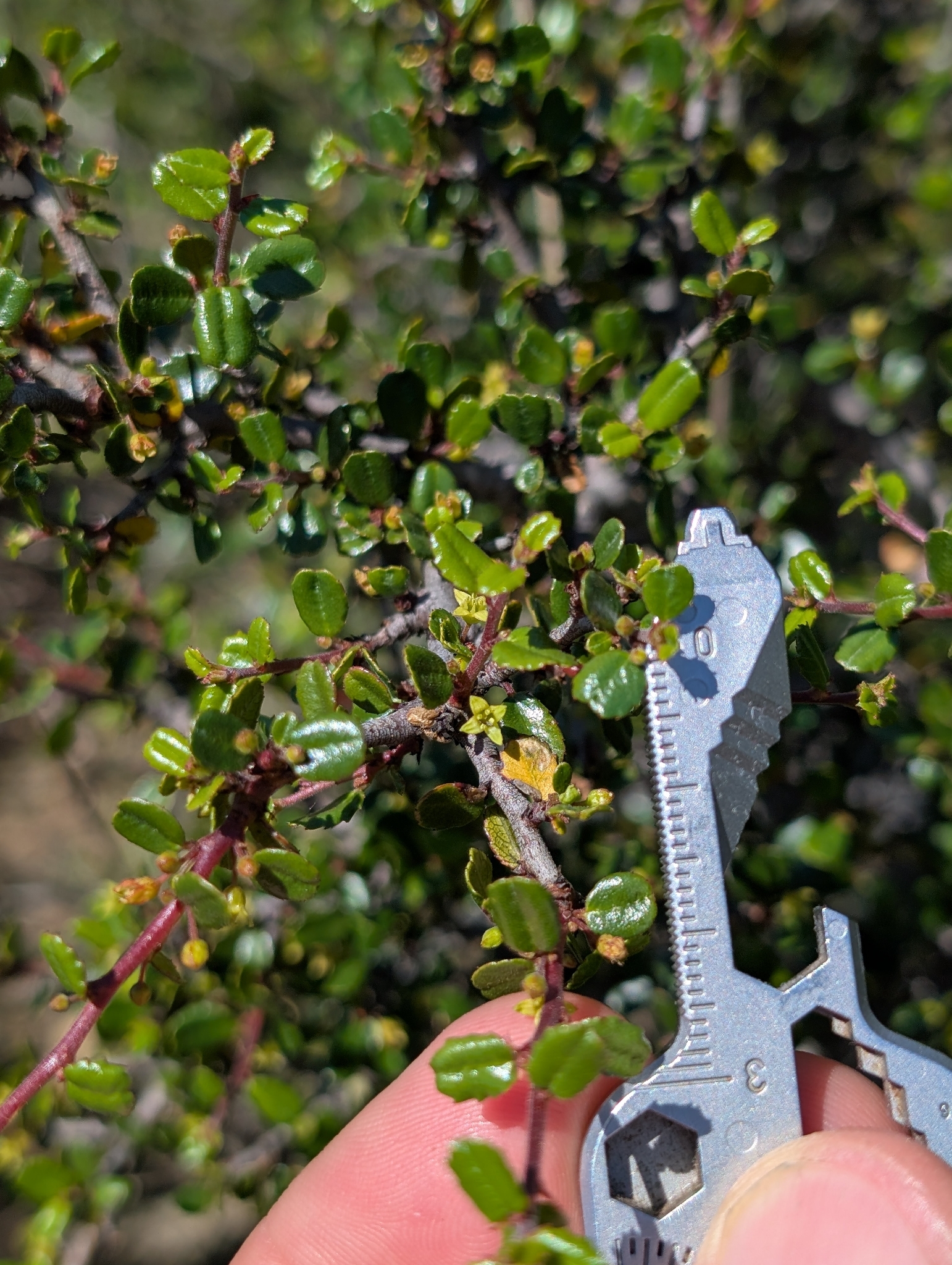
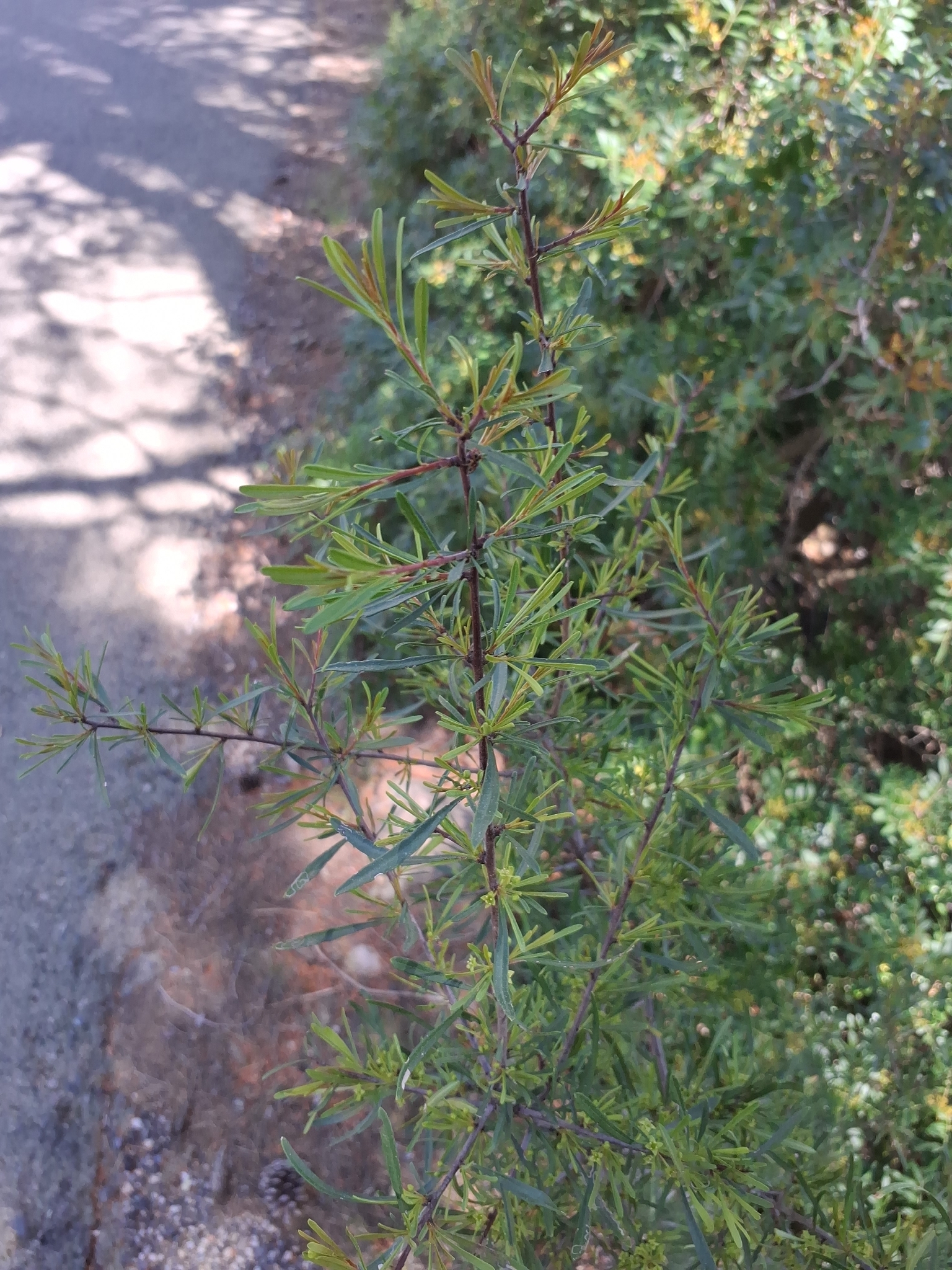
Photos of Common Buckthorn (Rhamnus cathartica)
Where Common Buckthorn (Rhamnus cathartica) is found

Density
Tap map to explore
Common names and botanical synonyms
Botanical classification
| Rank | Name |
|---|---|
| Kingdom | Plantae |
| Division | Tracheophyta |
| Class | Magnoliopsida |
| Order | Rosales |
| Family | Rhamnaceae |
| Genus | Rhamnus |
| Species | Rhamnus cathartica |
Similar in genus Rhamnus
Answers based on plant encyclopedia data