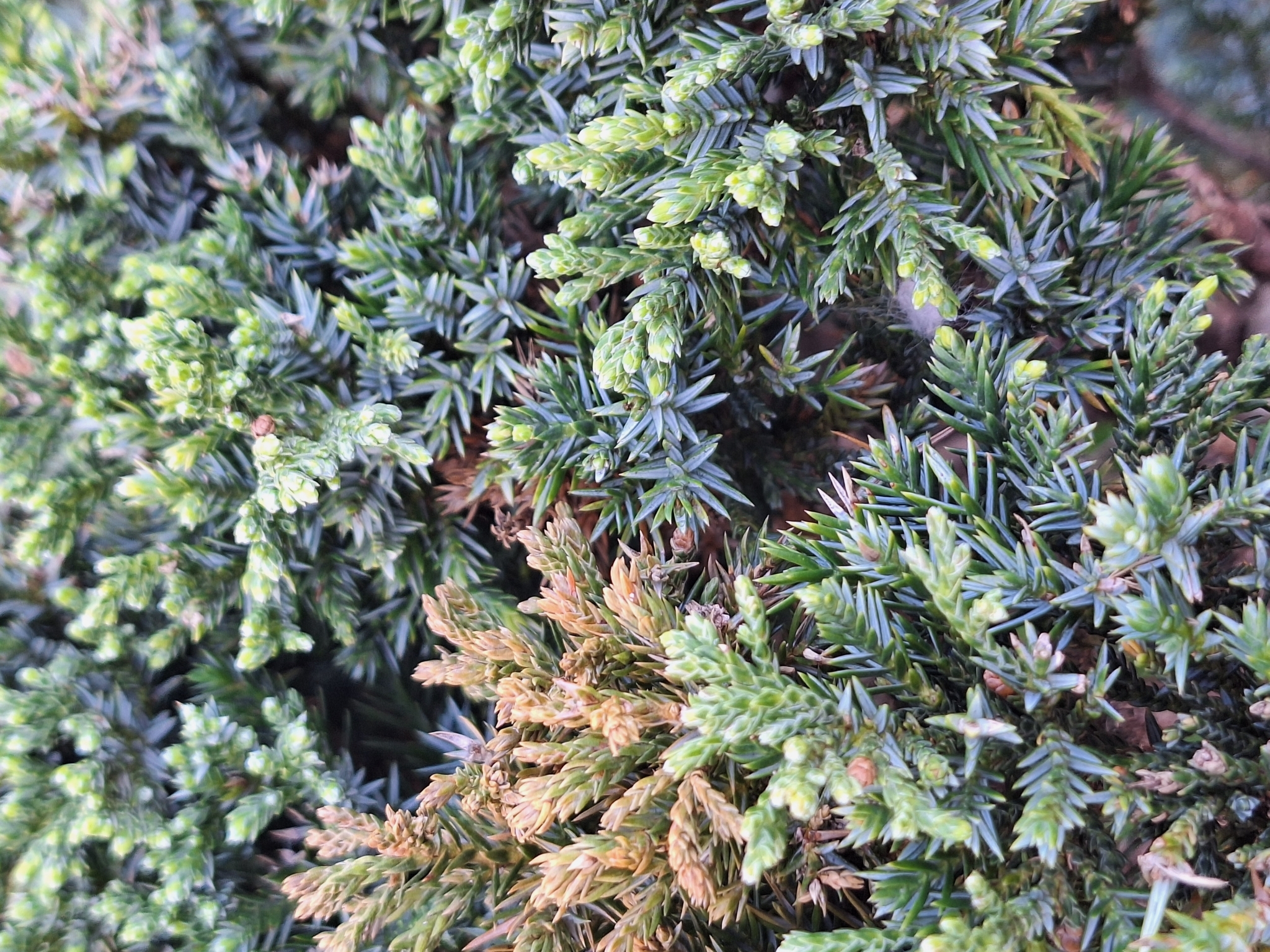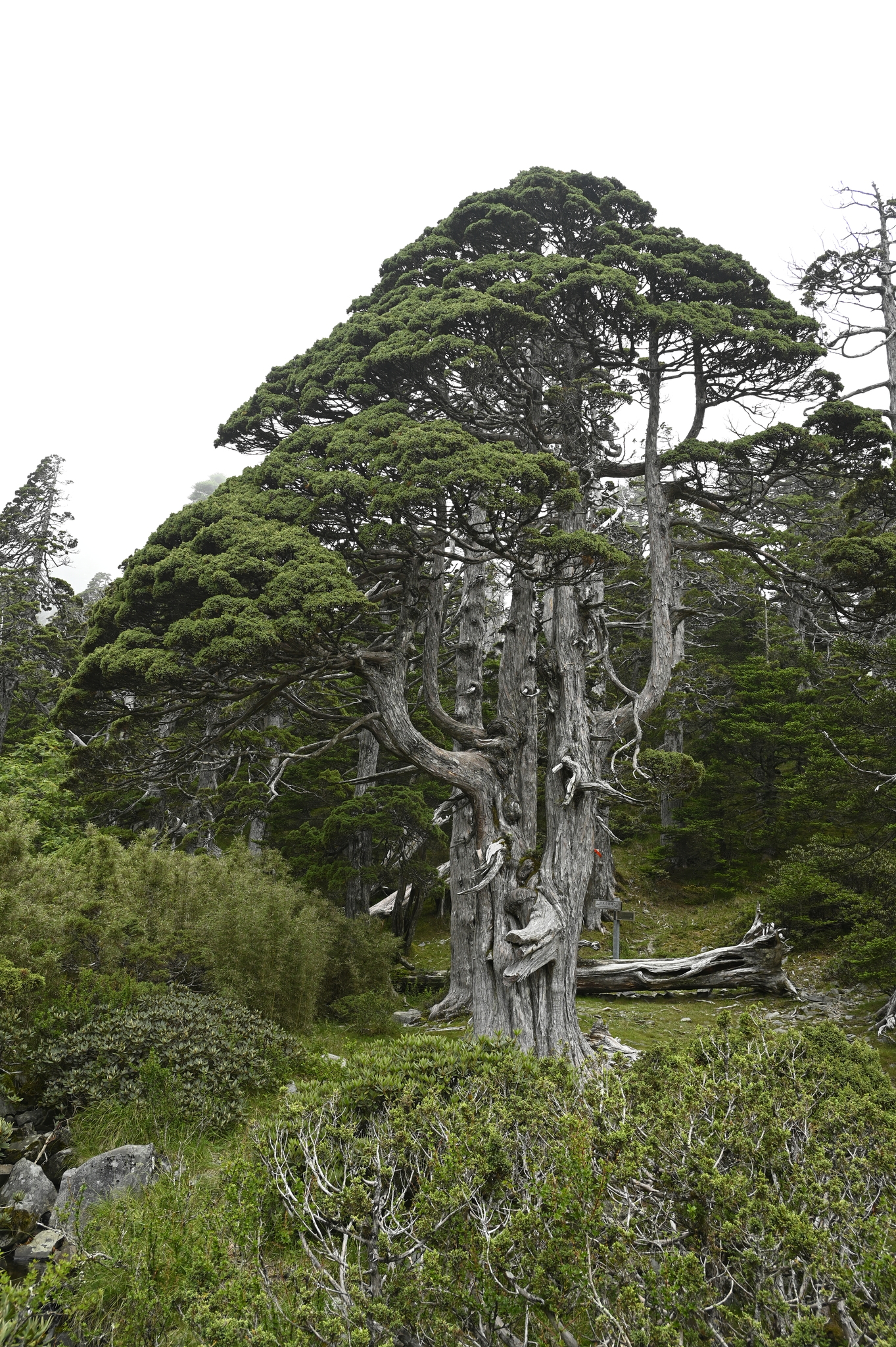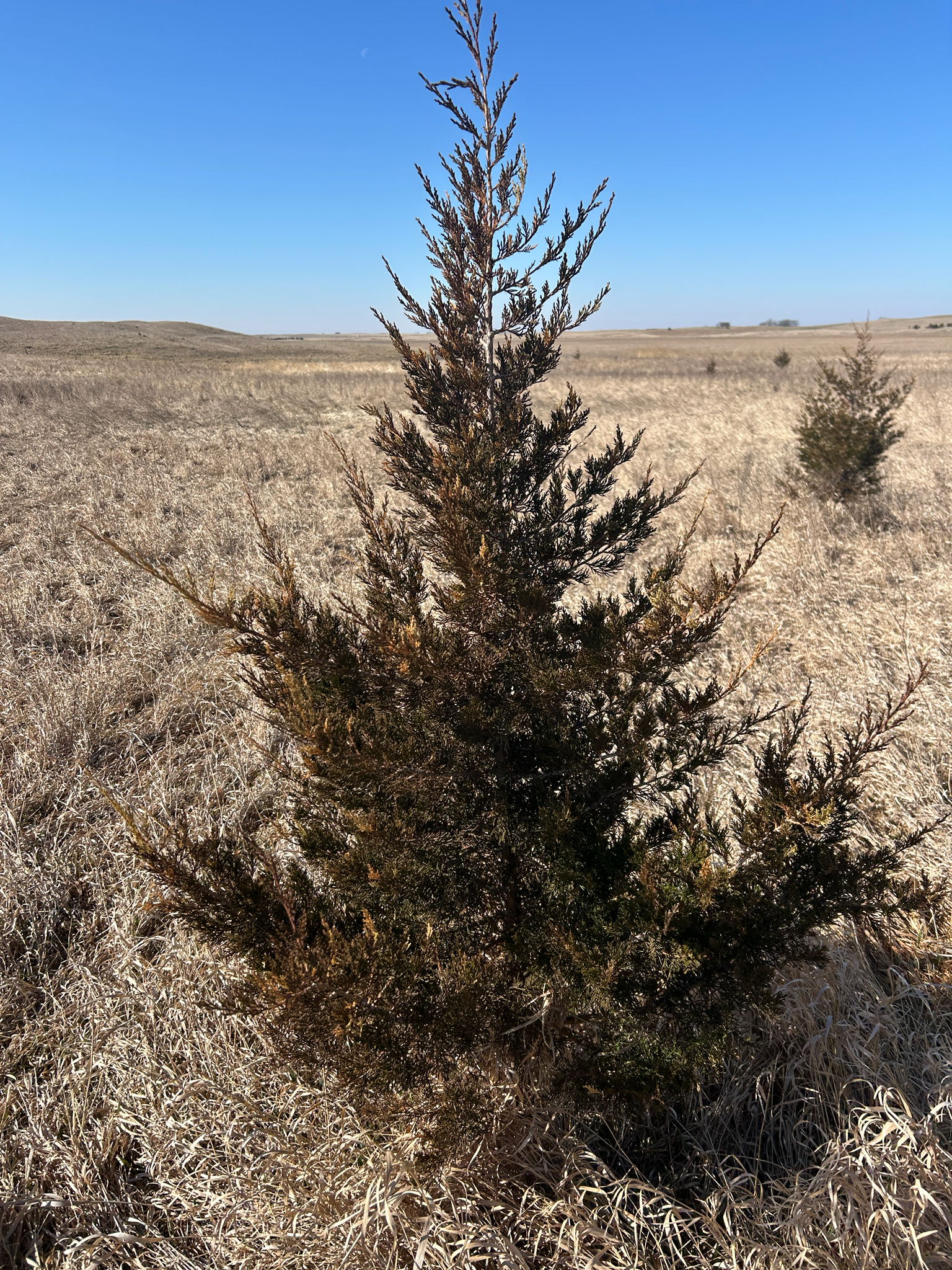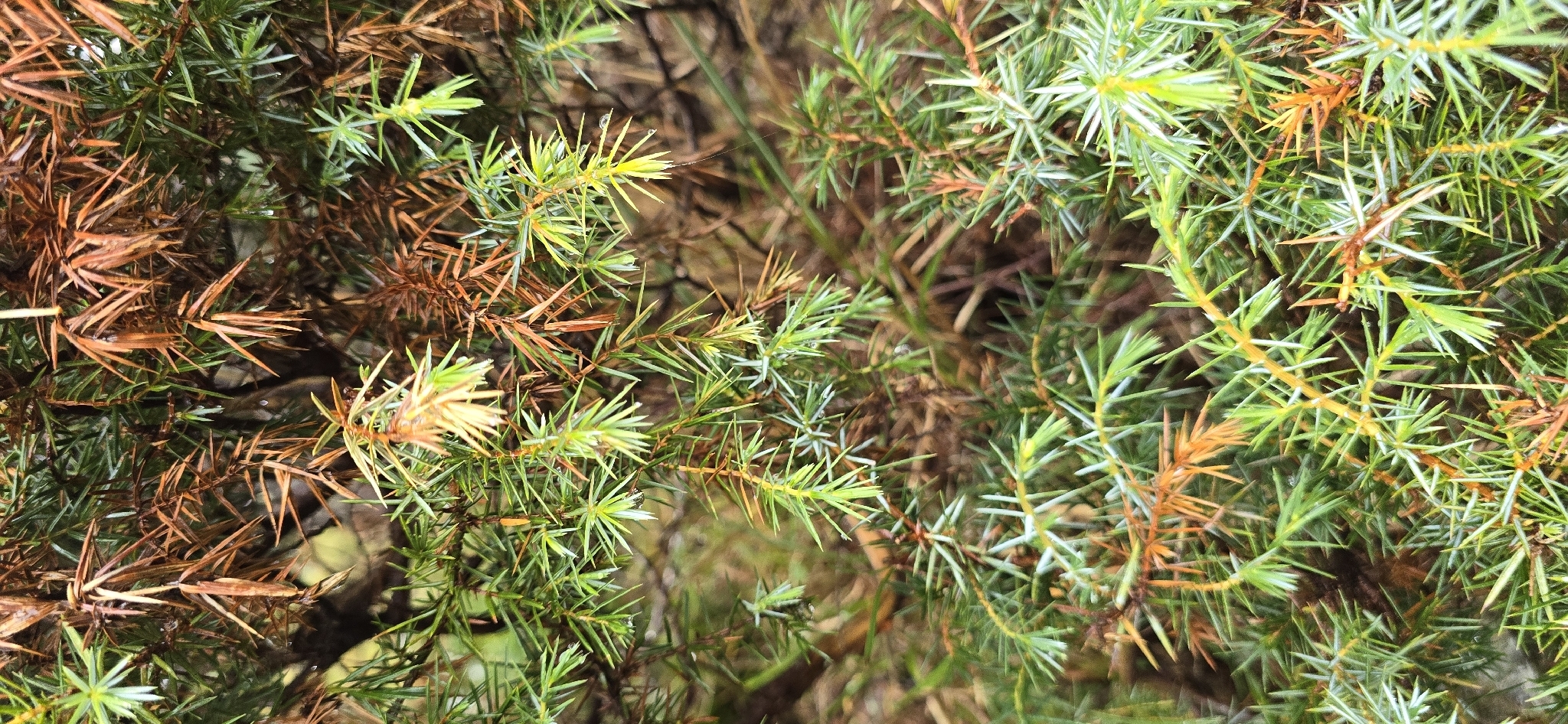
Juniperus communis is a widespread coniferous shrub or small tree, known for its needle-like foliage and distinctive blue-black berry-like cones. It is highly adaptable,
Above information is sourced from Wikipedia
Sunlight
Full sun to partial shade, prefers full sun.
Watering
Drought-tolerant once established, regular watering for young plants.
Soil
Well-drained, sandy, loamy, rocky; tolerates poor soils.
Temperature
Extremely hardy, tolerates wide temperature fluctuations from -40°C to 30°C.
Habitat
Outdoor
Fertilizer
Minimal fertilization needed, especially for established plants.
Full sun to partial shade, prefers full sun.
Drought-tolerant once established, regular watering for young plants.
Well-drained, sandy, loamy, rocky; tolerates poor soils.
Extremely hardy, tolerates wide temperature fluctuations from -40°C to 30°C.
Outdoor
Minimal fertilization needed, especially for established plants.
Plant Type
Shrub, Tree
Plant Category
Ornamental, Medicinal
Plant Place Type
Ground, Garden, Pot, Groundcover
Plant Environment
Outdoor
Lifespan
Perennials
Plant Height
1-5 m
Spread
1-4 m
Growth Rate
Slow to moderate
Dormancy
Evergreen
Leaf Color
Green, Blue-green, Grey-green
Leaf Type
Needle-like
Flower Size
2-4 mm
Optimal Sunlight Lux
75000
Toxic for humans
Yes
Rating: 4/5
Toxic for pets
Yes
Rating: 5/5
Edible
Yes
Foliage and raw berries contain thujone and other volatile oils, which can cause gastrointestinal upset, kidney irritation, and other issues if ingested in large quantities by humans or pets. While berries are used as a spice, large consumption of raw pla