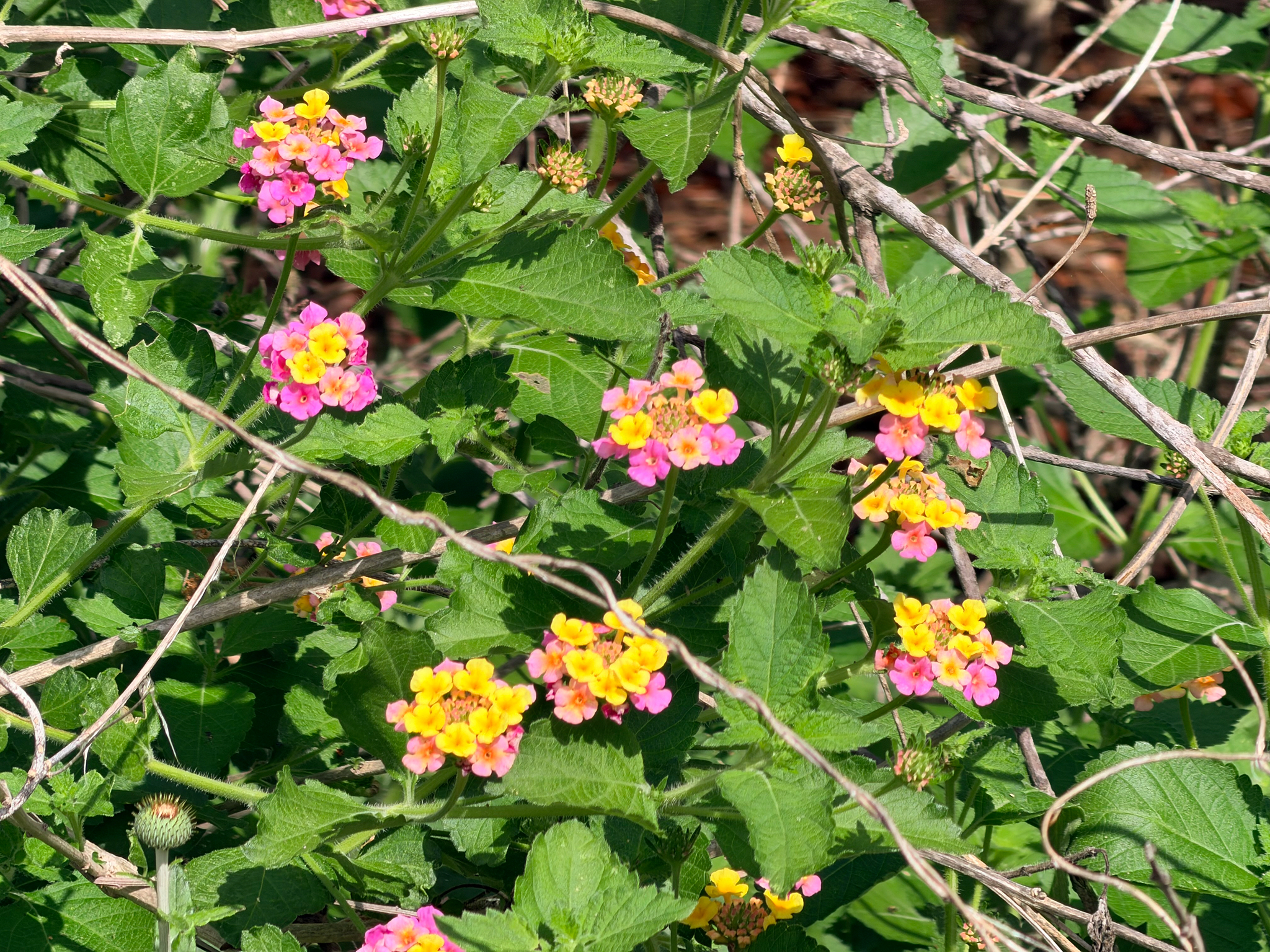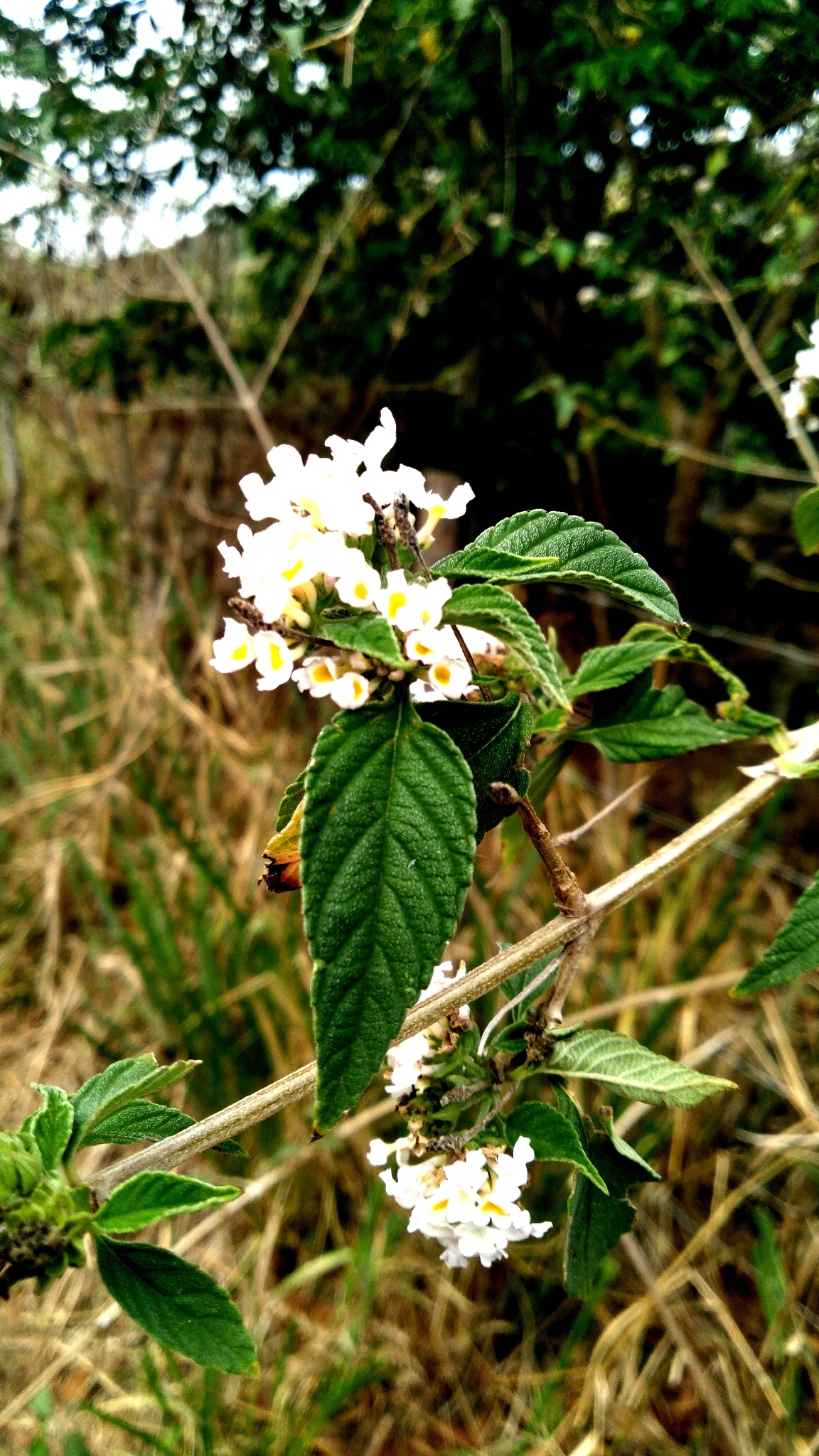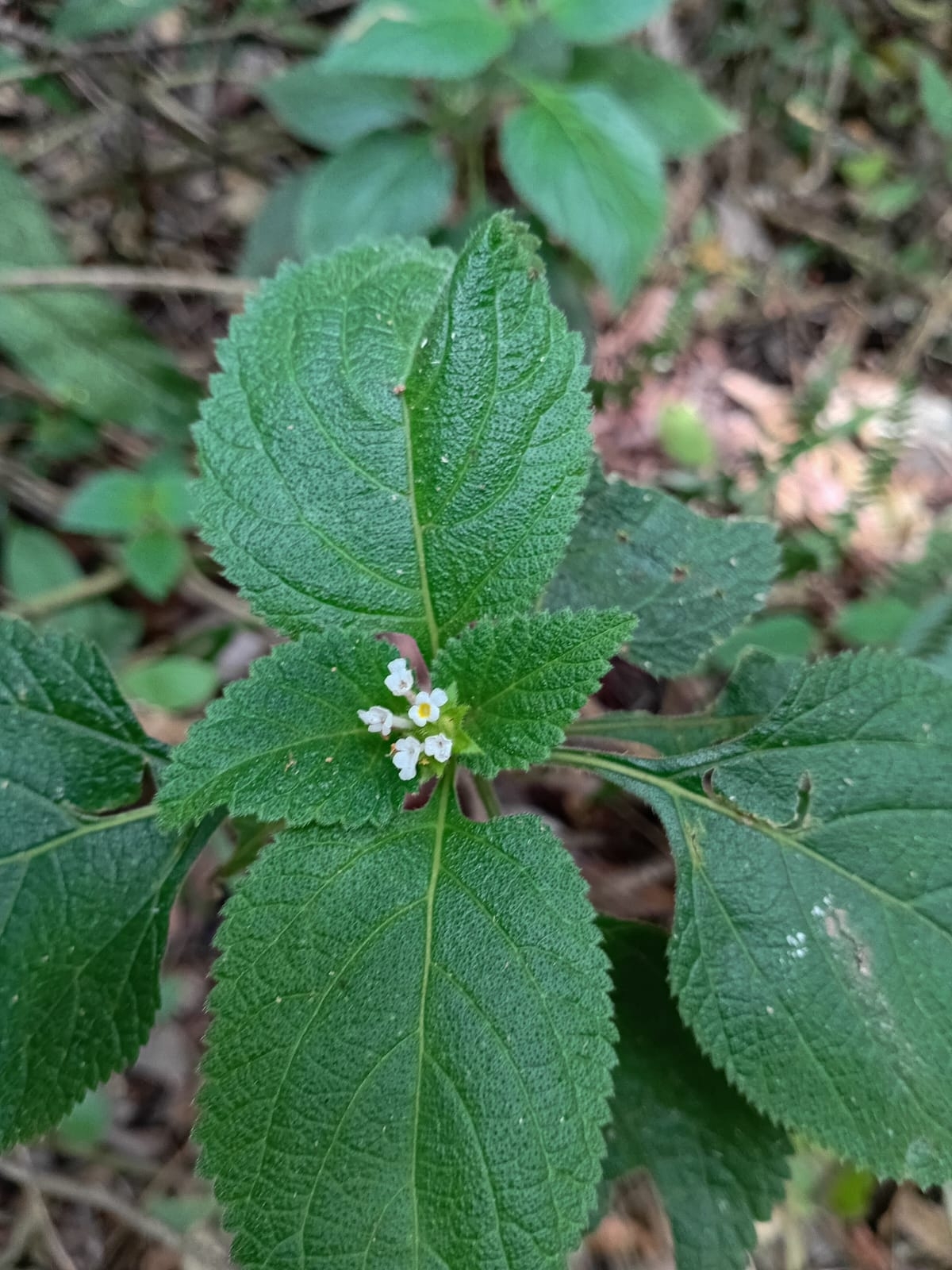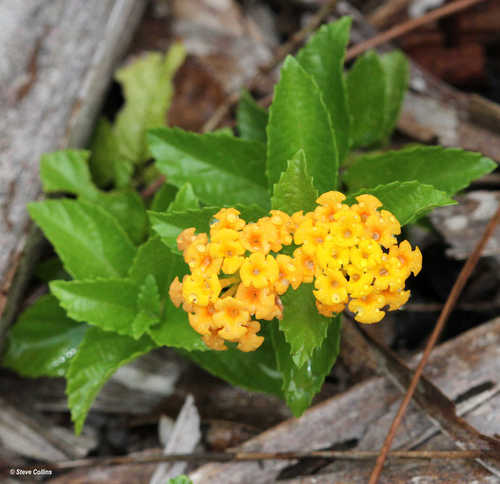
Lantana viburnoides is a shrub native to the southwestern United States and northwestern Mexico, known for its clusters of small flowers.
Above information is sourced from Wikipedia
Sunlight
Prefers full sun but tolerates partial shade.
Watering
Water when the top inch of soil is dry. Reduce in cooler months.
Soil
Well-draining soil. Tolerates a range of soil types, including sandy and alkaline.
Temperature
Thrives in warm temperatures between 18-27°C.
Habitat
Outdoor, Greenhouse
Fertilizer
Feed lightly in spring with a balanced fertilizer.
Prefers full sun but tolerates partial shade.
Needs at least 6 hours of direct sunlight daily for best flowering.
Water when the top inch of soil is dry. Reduce in cooler months.
Well-draining soil. Tolerates a range of soil types, including sandy and alkaline.
Thrives in warm temperatures between 18-27°C.
Can tolerate brief periods of cooler weather.
Outdoor, Greenhouse
Feed lightly in spring with a balanced fertilizer.
Avoid over-fertilizing to prevent leggy growth.
Plant Type
Shrub
Plant Category
Flowering, Ornamental
Plant Place Type
Ground, Garden, Pot
Plant Environment
Outdoor, Greenhouse
Lifespan
Perennials
Plant Height
0.5-1.5 m
Spread
1-2 m
Growth Rate
Moderate
Dormancy
Semi-evergreen to evergreen in mild climates
Leaf Color
Green
Leaf Type
Opposite, simple
Flower Size
0.5 cm
Optimal Sunlight Lux
75000
Toxic for humans
No
Rating: 0/5
Toxic for pets
No
Rating: 0/5
Edible
No