Water
Water thoroughly when the potting medium is almost dry. Avoid letting the plant sit in water, as this can lead to root rot.
Misting the fronds can also be beneficial, especially in drier indoor environments, supplementing watering needs.
Also known as Common Staghorn Fern · Staghorn Fern
Platycerium alcicorne, also known as Elkhorn Fern, is an epiphytic fern with distinctive lobed fronds resembling elk antlers, native to Madagascar and East Africa.
At-a-glance light, water, soil, and growing conditions from plant data
Bright, indirect light
75% intensity
Avoid direct sunlight which can scorch fronds.
Water thoroughly when medium is nearly dry
50% intensity
Avoid waterlogged conditions; misting can supplement.
Well-draining epiphytic mix (e.g., bark, peat, perlite)
50% intensity
Average room temperatures
50% intensity
Ideal range is 18-24°C (65-75°F). Avoid cold drafts and sudden temperature fluctuations.
Indoor, Outdoor
50% intensity
Monthly during growing season
25% intensity
Use diluted balanced liquid fertilizer from spring to summer.
Safety information from plant toxicity data
| Attribute | Value |
|---|---|
| Toxic for humans | No 0/5 intensity |
| Toxic for pets | No 0/5 intensity |
None
Key traits and growing stats from plant data
Watering, pruning, propagation, and repotting details from plant data
Water thoroughly when the potting medium is almost dry. Avoid letting the plant sit in water, as this can lead to root rot.
Misting the fronds can also be beneficial, especially in drier indoor environments, supplementing watering needs.
Prune only to remove dead, damaged, or diseased fronds. Use a clean, sharp knife or shears. The brown, leathery sterile fronds are natural and should be left intact as they help to trap moisture and nutrients.
Propagation is typically done by dividing established plants or by collecting spores from mature fertile fronds. Spore propagation is more challenging and requires specific sterile conditions, making division the more common method for home growers.
Platycerium alcicorne are epiphytic and do not require traditional potting. Mount them on bark, cork, or sphagnum moss.
Repotting involves re-mounting the plant when it outgrows its current support, usually every 2-3 years.
Identify plants like this with ePlant AI
Snap a photo to get care tips and match similar species on the go.
Monthly activity intensity for bloom and fruit across both hemispheres.
Flowering & fruiting calendar
Flowering & fruiting calendar
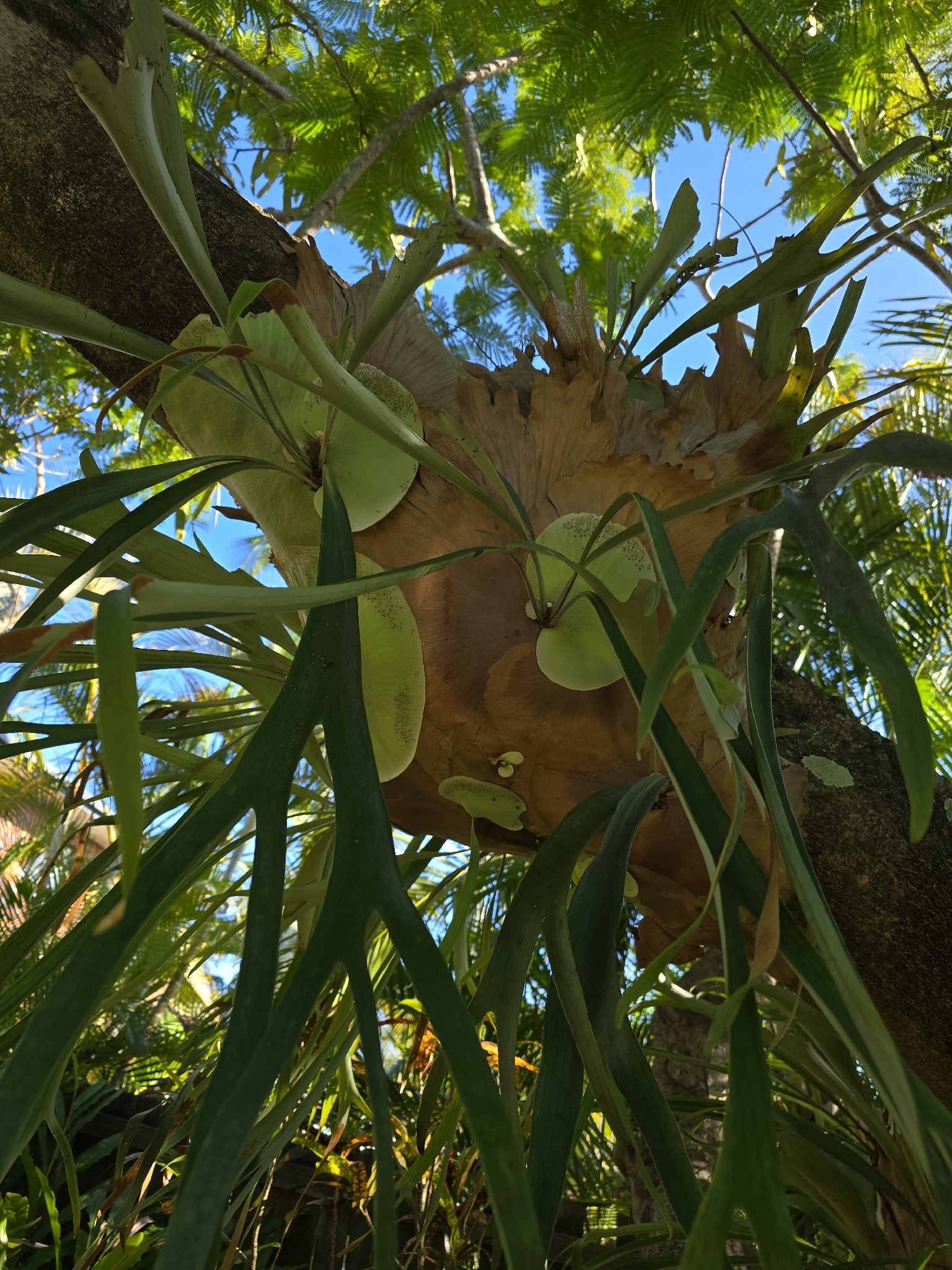
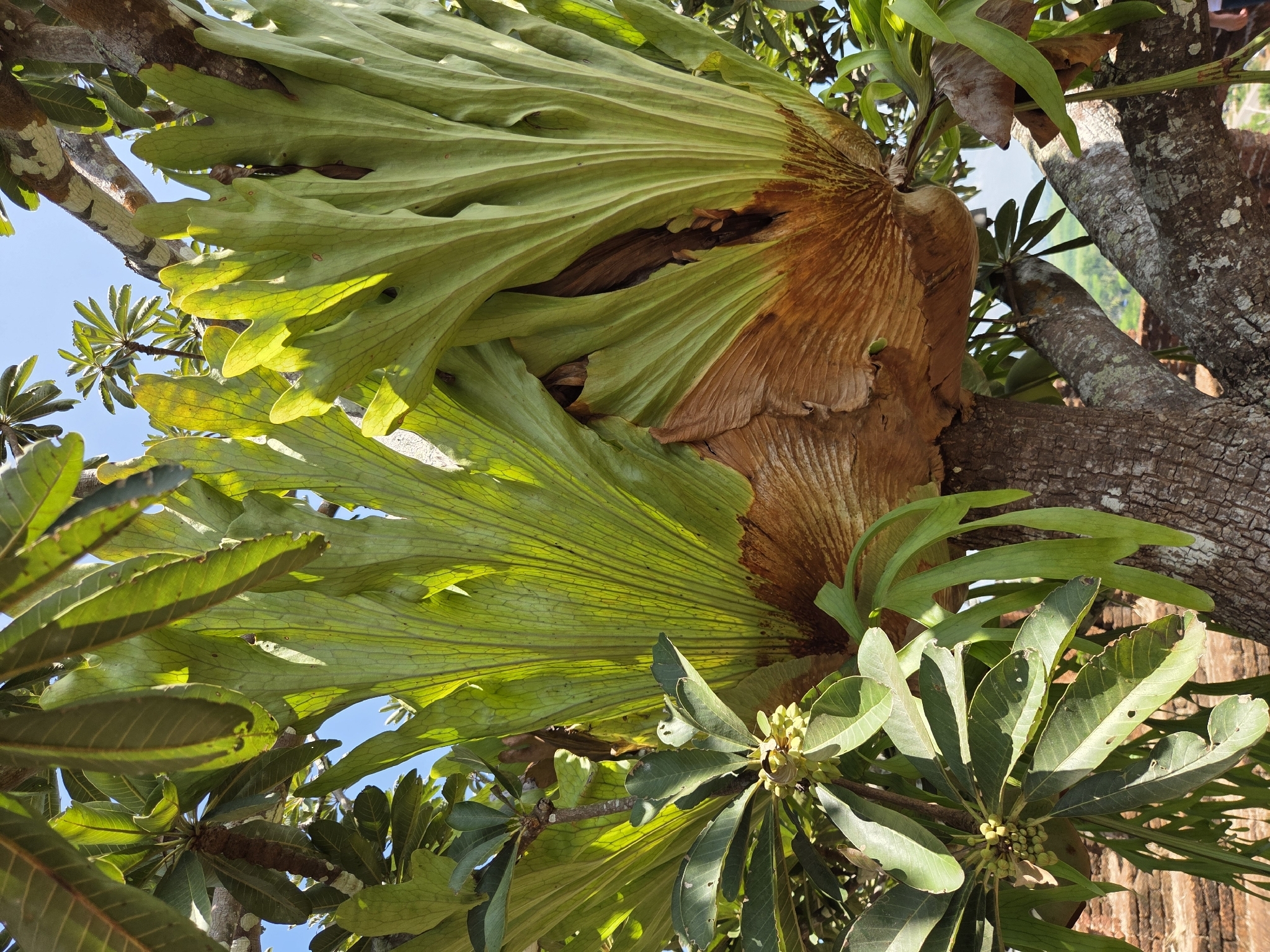
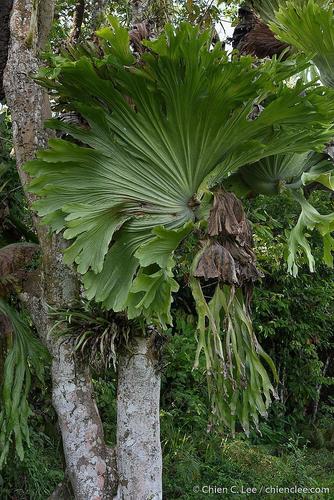
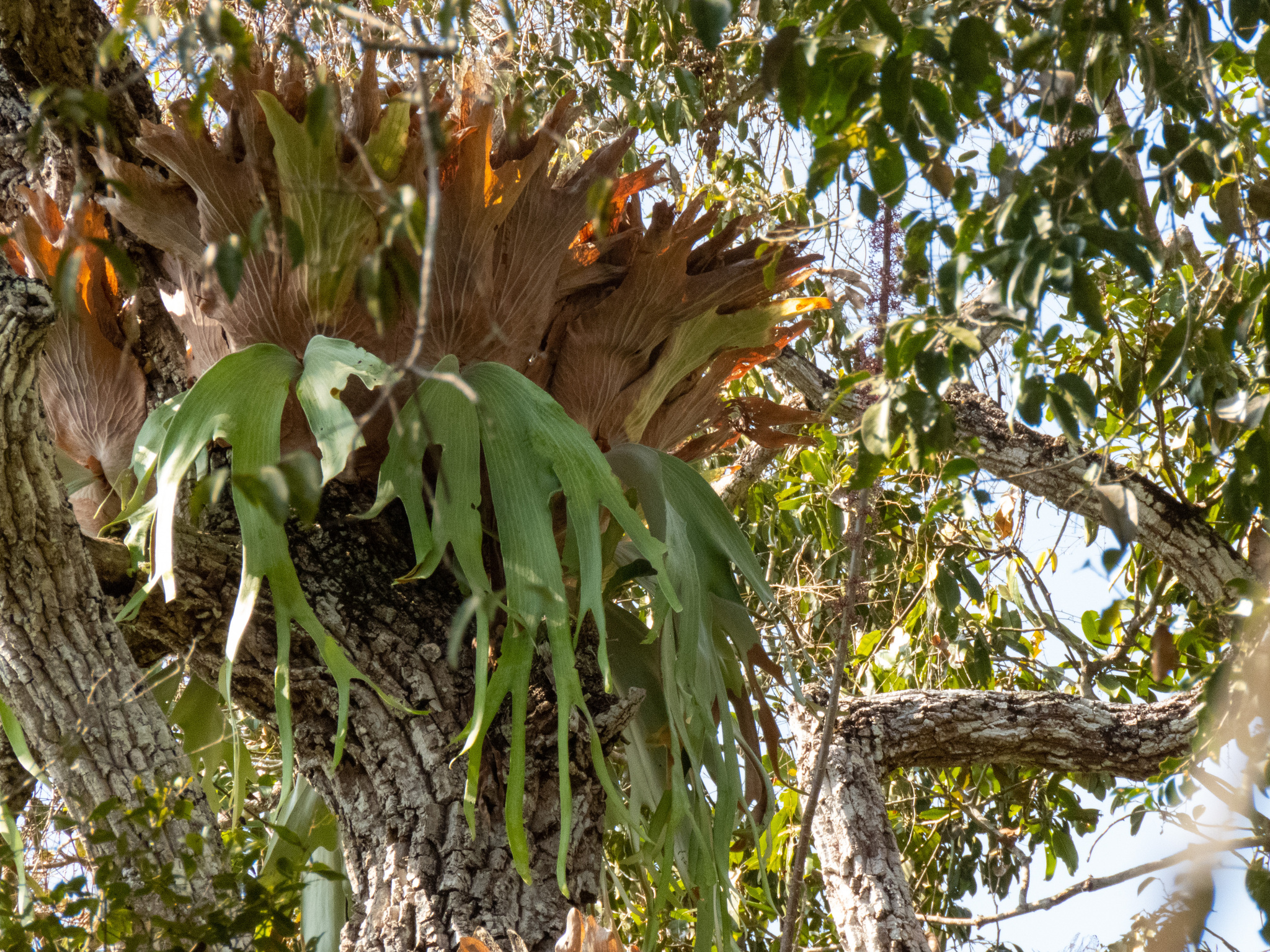
Photos of Platycerium Alcicorne (Platycerium alcicorne)
Where Platycerium Alcicorne (Platycerium alcicorne) is found

Density
Tap map to explore
Common names and botanical synonyms
Botanical classification
| Rank | Name |
|---|---|
| Kingdom | Plantae |
| Division | Tracheophyta |
| Class | Polypodiopsida |
| Order | Polypodiales |
| Family | Polypodiaceae |
| Genus | Platycerium |
| Species | Platycerium alcicorne |
Similar in genus Platycerium
Answers based on plant encyclopedia data