Water
Downy Birch requires consistent moisture, especially during its establishment phase and prolonged dry periods. While mature trees tolerate some drought, regular watering ensures good health.
Avoid waterlogging, as this can lead to root issues.
Also known as Brown Birch · Common Birch · Common White Birch
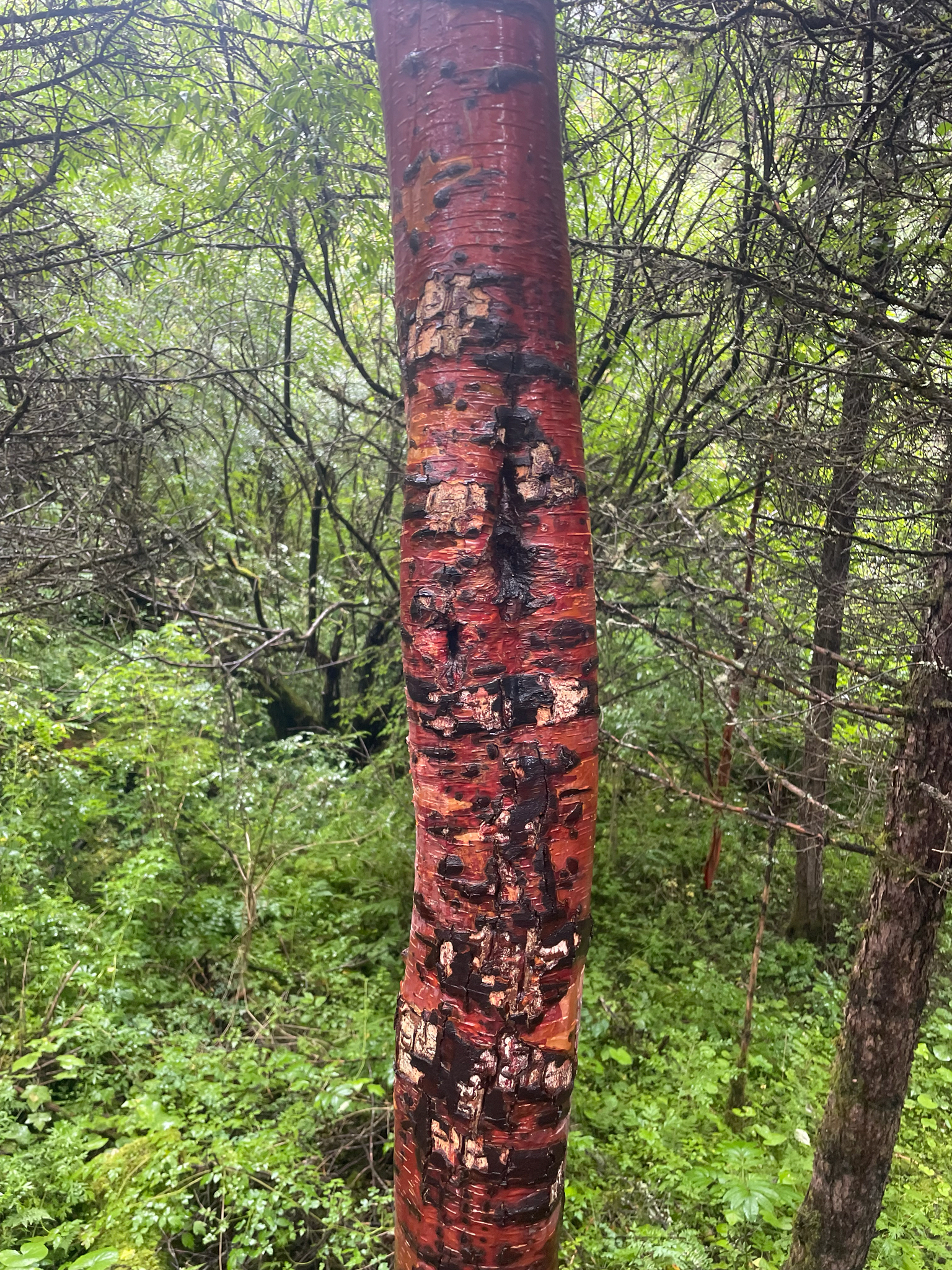
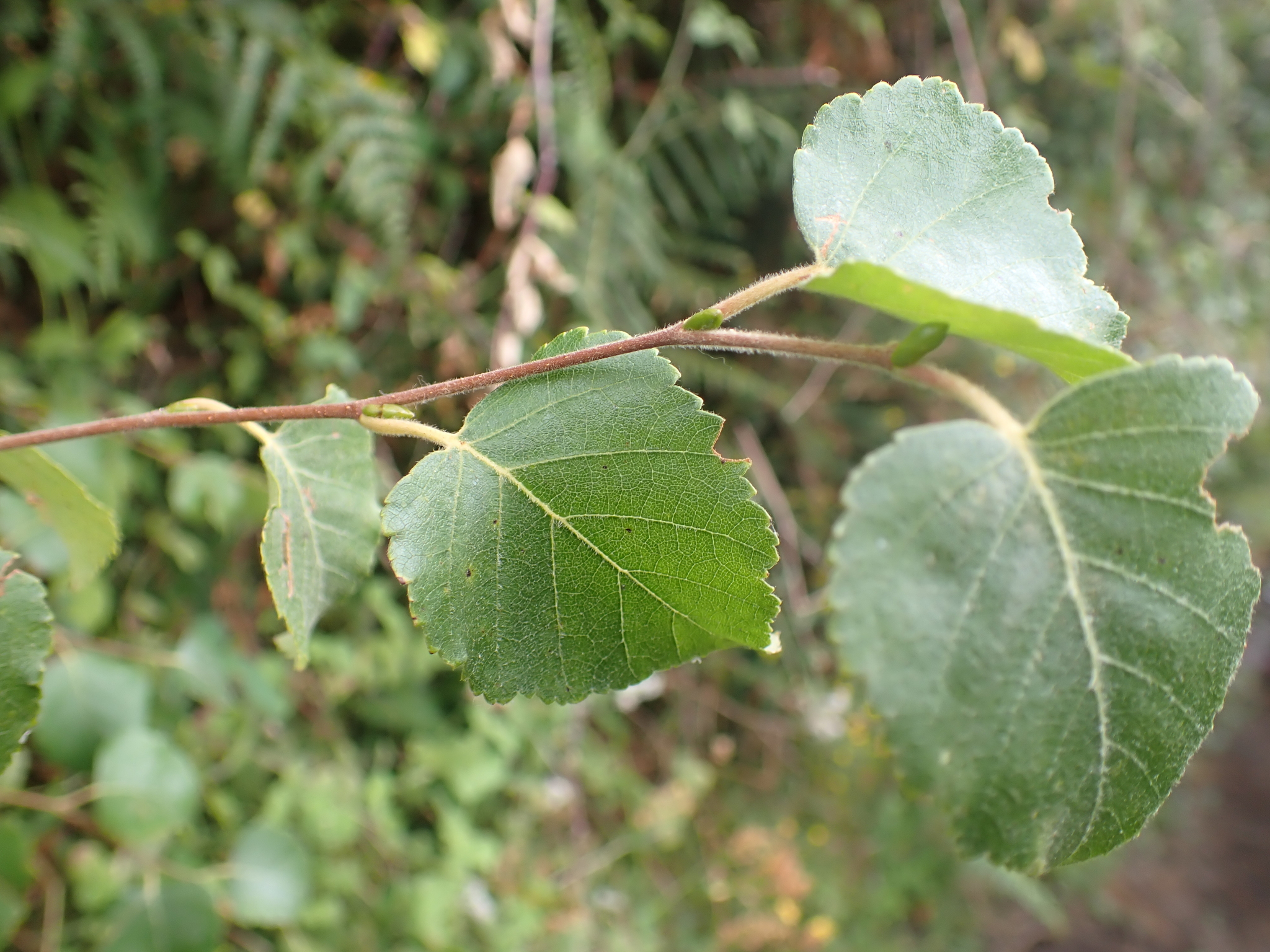
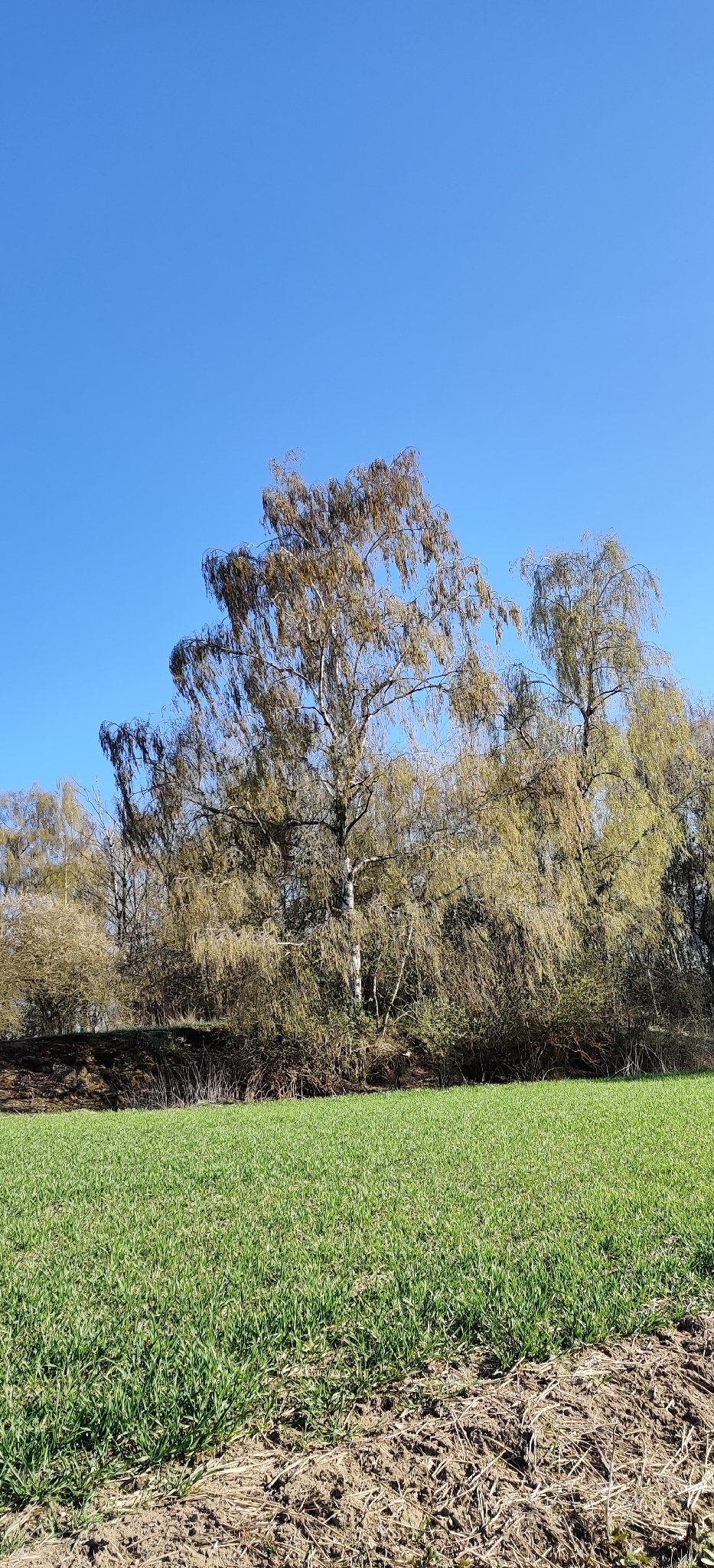
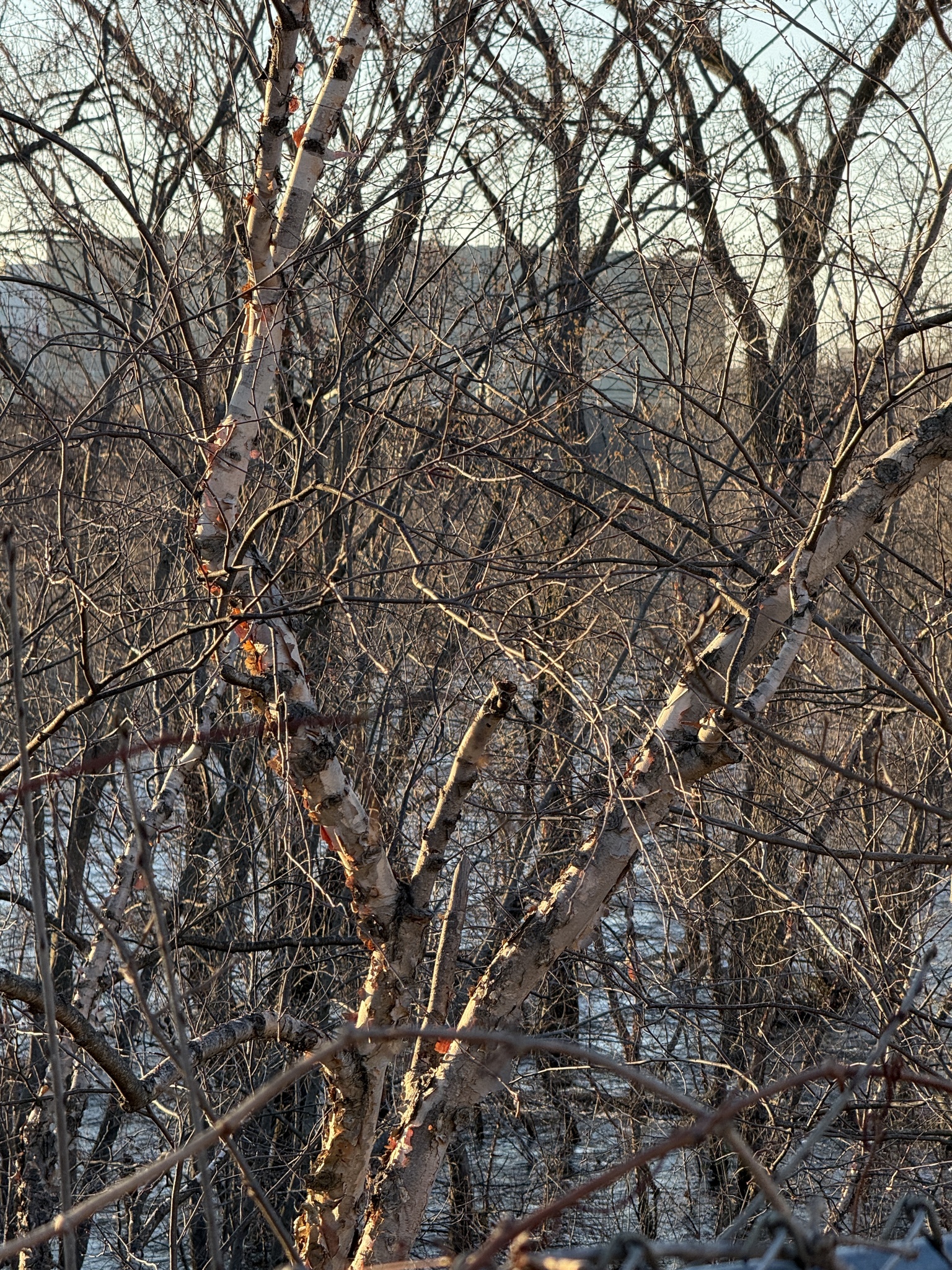
Betula pubescens, the Downy Birch, is a medium-sized deciduous tree with distinctive white, peeling bark. It is hardy, adaptable to moist soils, and found across northern
At-a-glance light, water, soil, and growing conditions from plant data
Thrives in full sun but tolerates partial shade.
80% intensity
Needs consistent moisture, especially when young and during dry spells.
70% intensity
Moist, well-drained, acidic to neutral
50% intensity
Very hardy, tolerating cold winters and moderate summers.
60% intensity
Outdoor
50% intensity
Generally not required for established trees in good soil.
30% intensity
Safety information from plant toxicity data
| Attribute | Value |
|---|---|
| Toxic for humans | No 0/5 intensity |
| Toxic for pets | No 0/5 intensity |
| Edible | Yes |
Considered non-toxic to humans and pets. The sap and inner bark are edible.
Key traits and growing stats from plant data
Watering, pruning, propagation, and repotting details from plant data
Downy Birch requires consistent moisture, especially during its establishment phase and prolonged dry periods. While mature trees tolerate some drought, regular watering ensures good health.
Avoid waterlogging, as this can lead to root issues.
Pruning is best performed in late summer to early autumn after the leaves have fully developed. This timing minimizes sap bleeding, which is common in spring.
Focus on removing dead, diseased, or crossing branches to maintain a healthy structure and desired shape. Avoid heavy pruning.
Downy Birch is most commonly propagated from seed, which requires a period of cold stratification to germinate successfully.
Softwood cuttings can also be taken in early summer, though rooting success rates can be variable. Grafting is sometimes used for specific cultivars.
As a large deciduous tree, Downy Birch is typically planted directly into the ground and is not suitable for container growing or repotting. Once established, it requires ample space for its root system to develop and support its mature size.
Identify plants like this with ePlant AI
Snap a photo to get care tips and match similar species on the go.
Monthly activity intensity for bloom and fruit across both hemispheres.
Flowering & fruiting calendar
Flowering & fruiting calendar
Photos of Downy Birch (Betula pubescens)
Common names and botanical synonyms
Botanical classification
| Rank | Name |
|---|---|
| Kingdom | Plantae |
| Division | Tracheophyta |
| Class | Magnoliopsida |
| Order | Fagales |
| Family | Betulaceae |
| Genus | Betula |
| Species | Betula pubescens |
Similar in genus Betula
Answers based on plant encyclopedia data