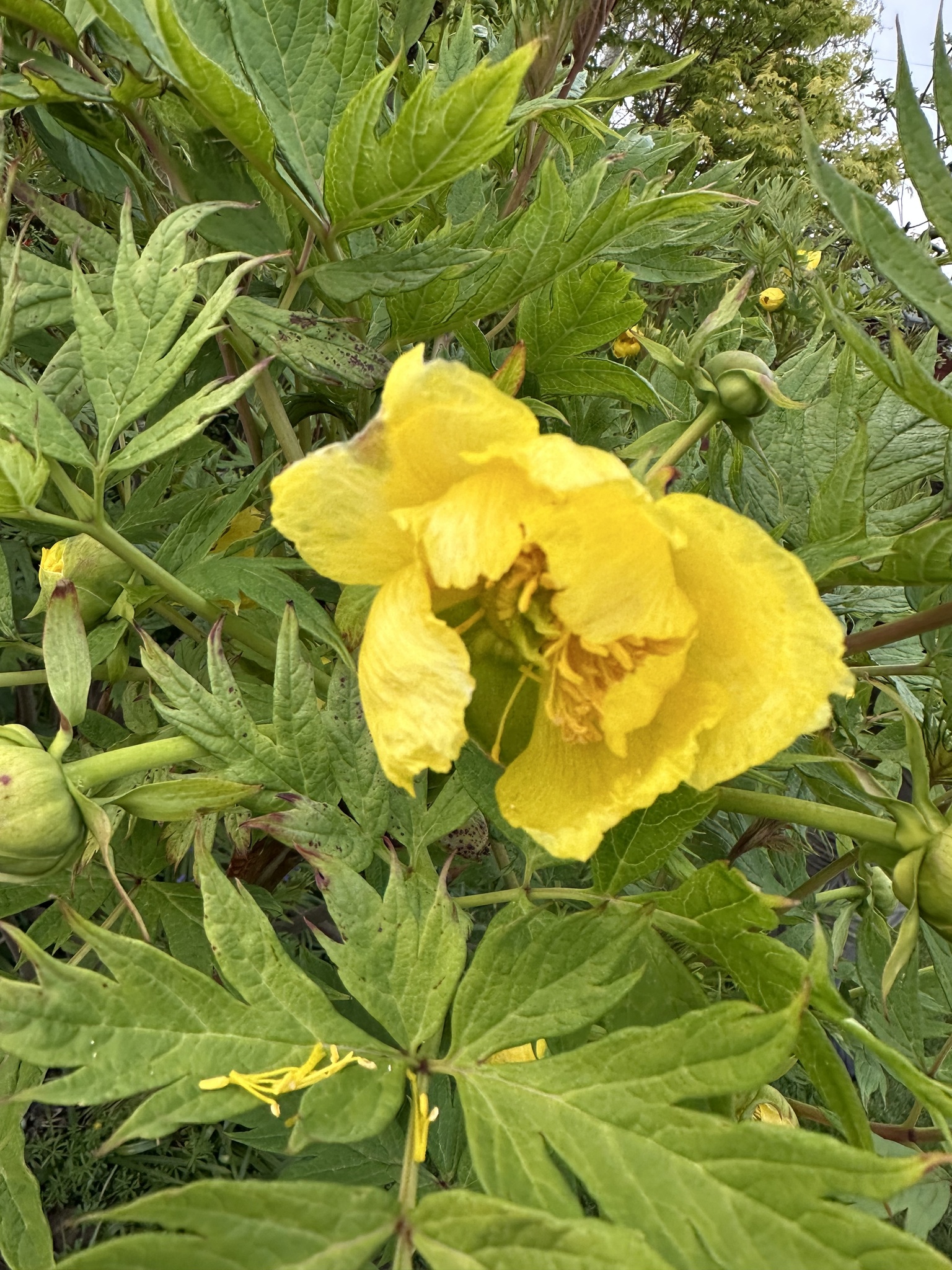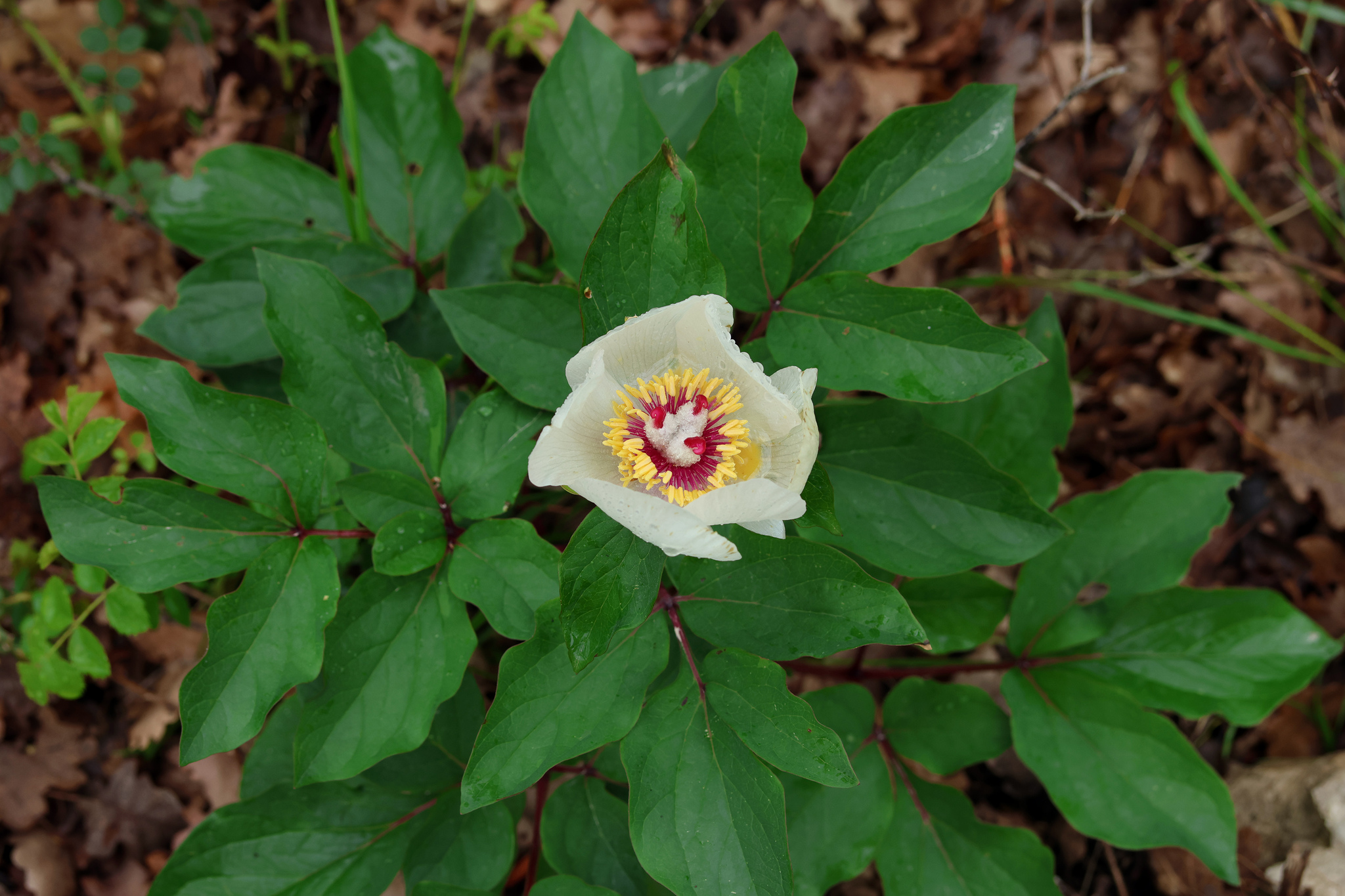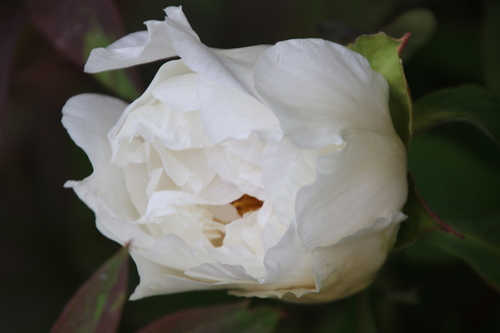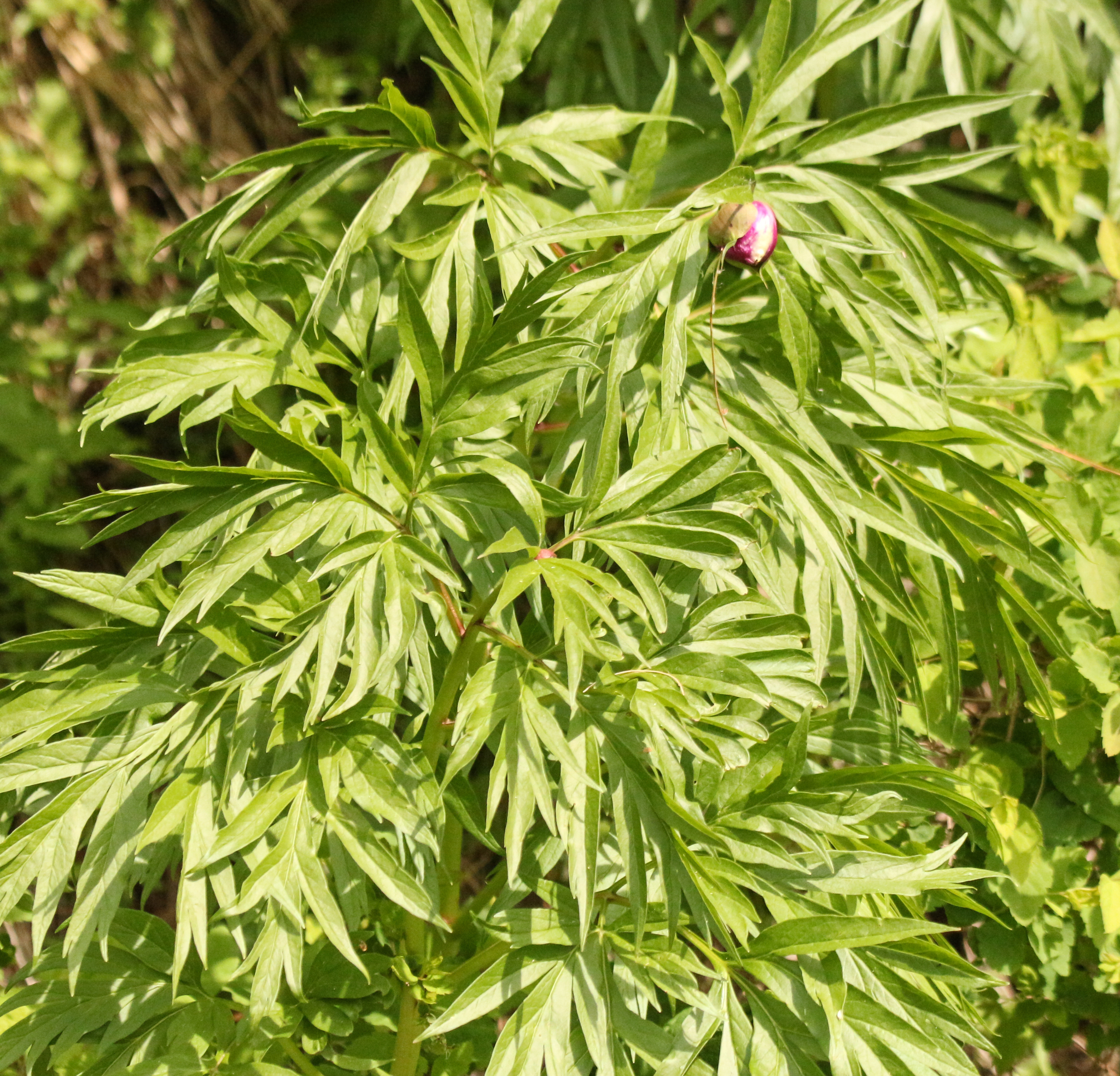
common peony (Paeonia officinalis)
Paeonia officinalis, the Cottage Peony, is an herbaceous perennial with large, often fragrant, deep red to pink flowers in late spring. It thrives in full sun to partial
Above information is sourced from Wikipedia
Sunlight
Full sun to partial shade for best flowering.
Watering
Moderate, consistent moisture, especially during dry periods.
Soil
Well-drained, fertile, slightly acidic to neutral loam
Temperature
Thrives in temperate climates with cold winters for dormancy.
Habitat
Outdoor
Fertilizer
Fertilize lightly in early spring with a balanced granular product.
Care Requirements
Full sun to partial shade for best flowering.
Moderate, consistent moisture, especially during dry periods.
During active growth and dry spells
Well-drained, fertile, slightly acidic to neutral loam
Thrives in temperate climates with cold winters for dormancy.
Ideal active growth: 15-25 °C
Outdoor
Fertilize lightly in early spring with a balanced granular product.
Early Spring
Plant Overview
Plant Type
Herb
Plant Category
Flowering, Ornamental
Plant Place Type
Ground, Garden, Pot
Plant Environment
Outdoor
Lifespan
Perennials
Plant Height
0.6-0.9 m
Spread
0.6-0.9 m
Growth Rate
Medium
Dormancy
Winter
Leaf Color
Dark Green
Leaf Type
Compound, Deeply Lobed
Flower Size
10-15 cm
Optimal Sunlight Lux
60000
Image Gallery
- kingdomPlantae
- divisionTracheophyta
- classMagnoliopsida
- orderSaxifragales
- familyPaeoniaceae
- genusPaeonia
- speciesPaeonia officinalis
Toxic for humans
Yes
Rating: 4/5
Toxic for pets
Yes
Rating: 4/5
Edible
No
All parts of the plant are toxic if ingested, causing gastrointestinal upset such as vomiting and diarrhea in humans and pets.