Water
Water regularly to keep the soil consistently moist, especially during dry periods. Allow the top inch of soil to dry out slightly between waterings. Avoid overwatering, which can lead to root rot.
Also known as Clochettes · Clopotei · Crawling Bell-Flower
Creeping Bellflower (Campanula rapunculoides) is a vigorous perennial with charming blue bell-shaped flowers, often invasive but can be managed in gardens.
At-a-glance light, water, soil, and growing conditions from plant data
Full Sun to Partial Shade
50% intensity
Prefers at least 6 hours of sunlight daily but tolerates some shade.
Regular
50% intensity
Keep soil consistently moist but not waterlogged.
Well-drained
50% intensity
Hardy
25% intensity
Prefers moderate temperatures but can withstand cold winters.
Moderate
50% intensity
Feed in spring and lightly during the growing season.
Safety information from plant toxicity data
| Attribute | Value |
|---|---|
| Toxic for humans | No 0/5 intensity |
| Toxic for pets | No 0/5 intensity |
None
Key traits and growing stats from plant data
Watering, pruning, propagation, and repotting details from plant data
Water regularly to keep the soil consistently moist, especially during dry periods. Allow the top inch of soil to dry out slightly between waterings. Avoid overwatering, which can lead to root rot.
Deadhead spent flowers to encourage reblooming and prevent self-seeding. Cut back the plant in late autumn or early spring to remove dead or damaged foliage. This tidies the appearance and promotes vigorous new growth.
Creeping Bellflower is easily propagated by division of established clumps in early spring or autumn. Seeds can also be sown outdoors in autumn or indoors in early spring. Stem cuttings can be taken in late spring.
Repot young plants annually or every two years in spring to provide fresh soil and more space. Mature plants generally do not require frequent repotting but can be divided and replanted as needed to manage their spread.
Identify plants like this with ePlant AI
Snap a photo to get care tips and match similar species on the go.
Monthly activity intensity for bloom and fruit across both hemispheres.
Flowering & fruiting calendar
Flowering & fruiting calendar
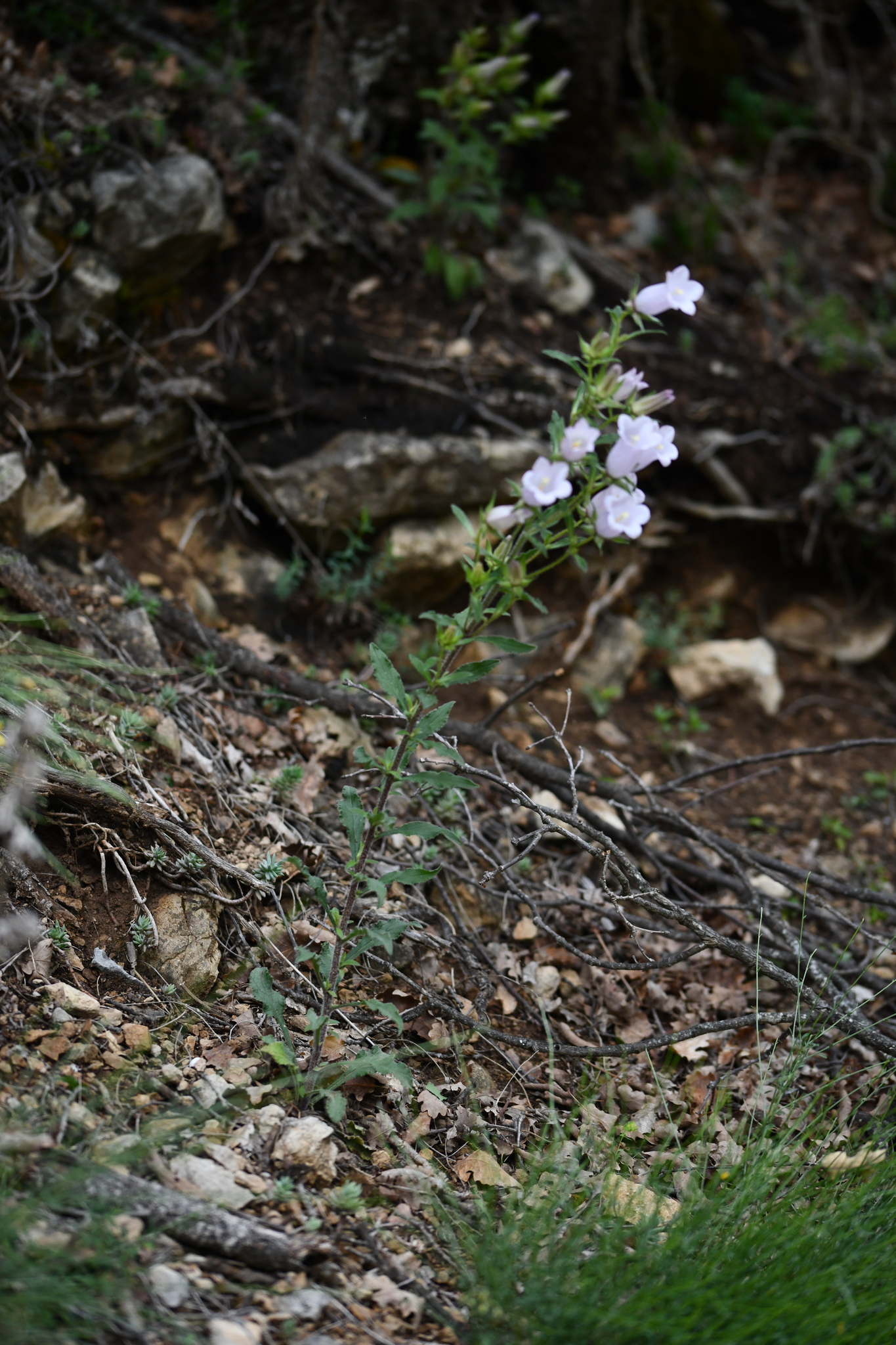
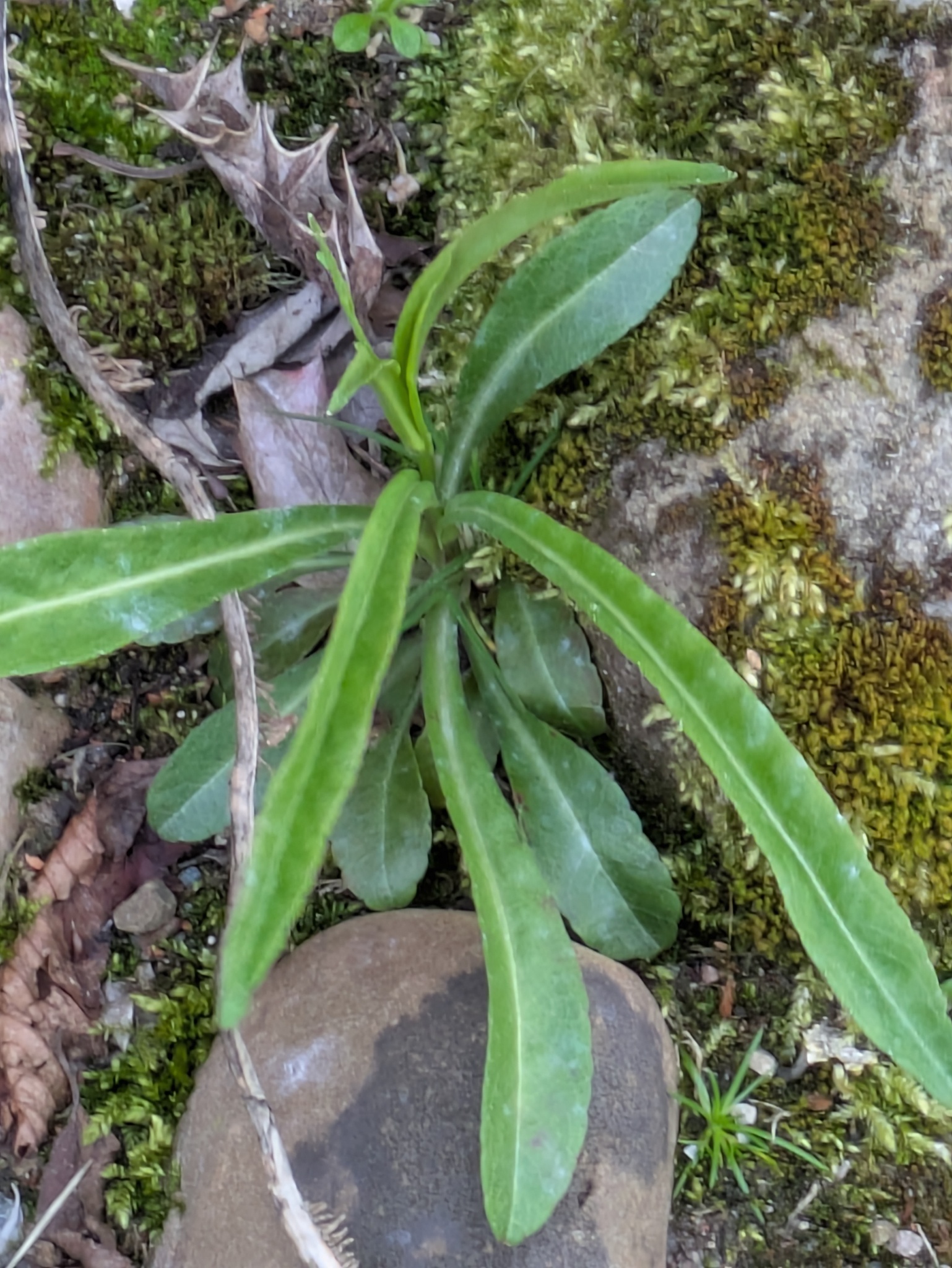
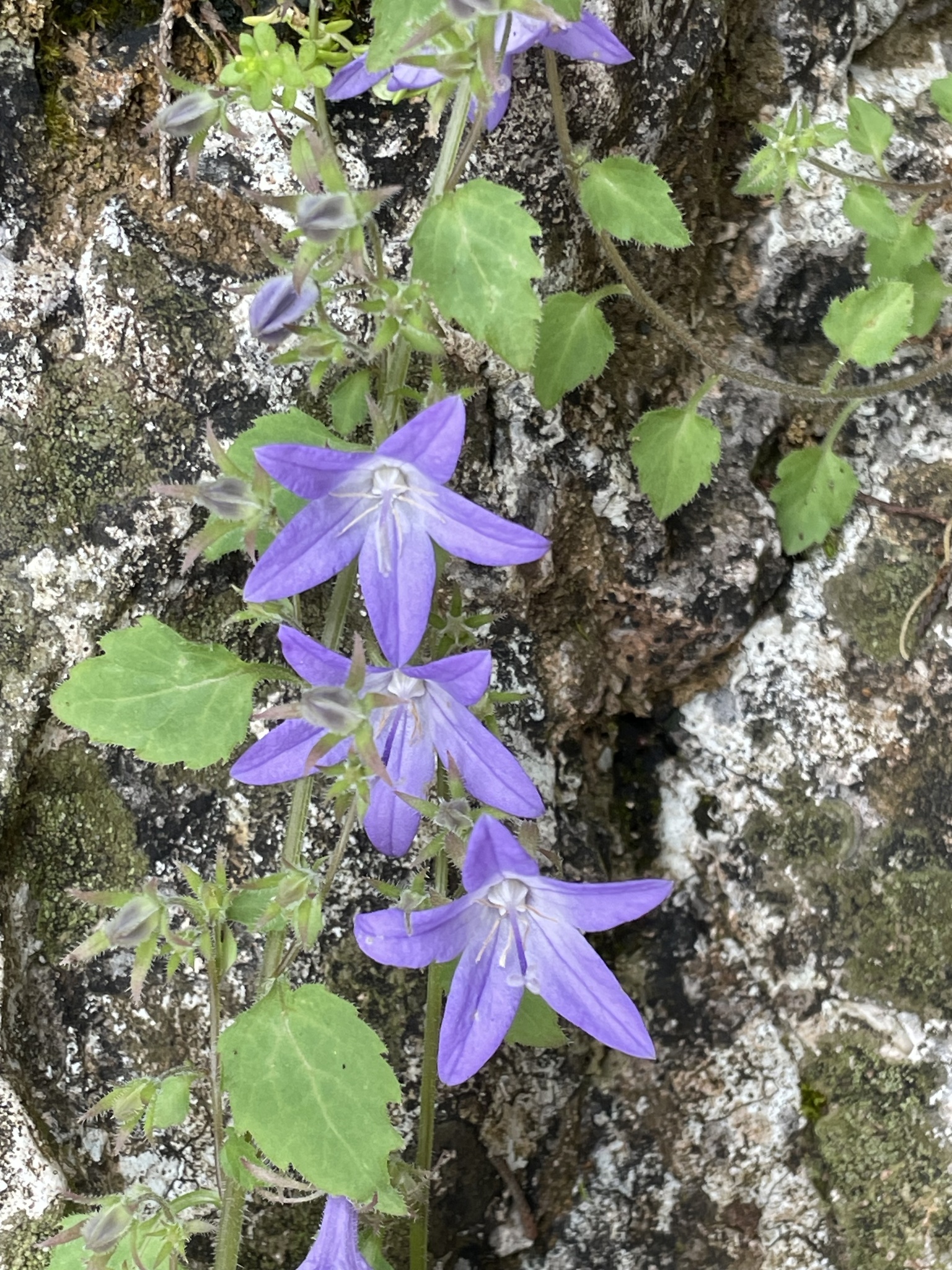
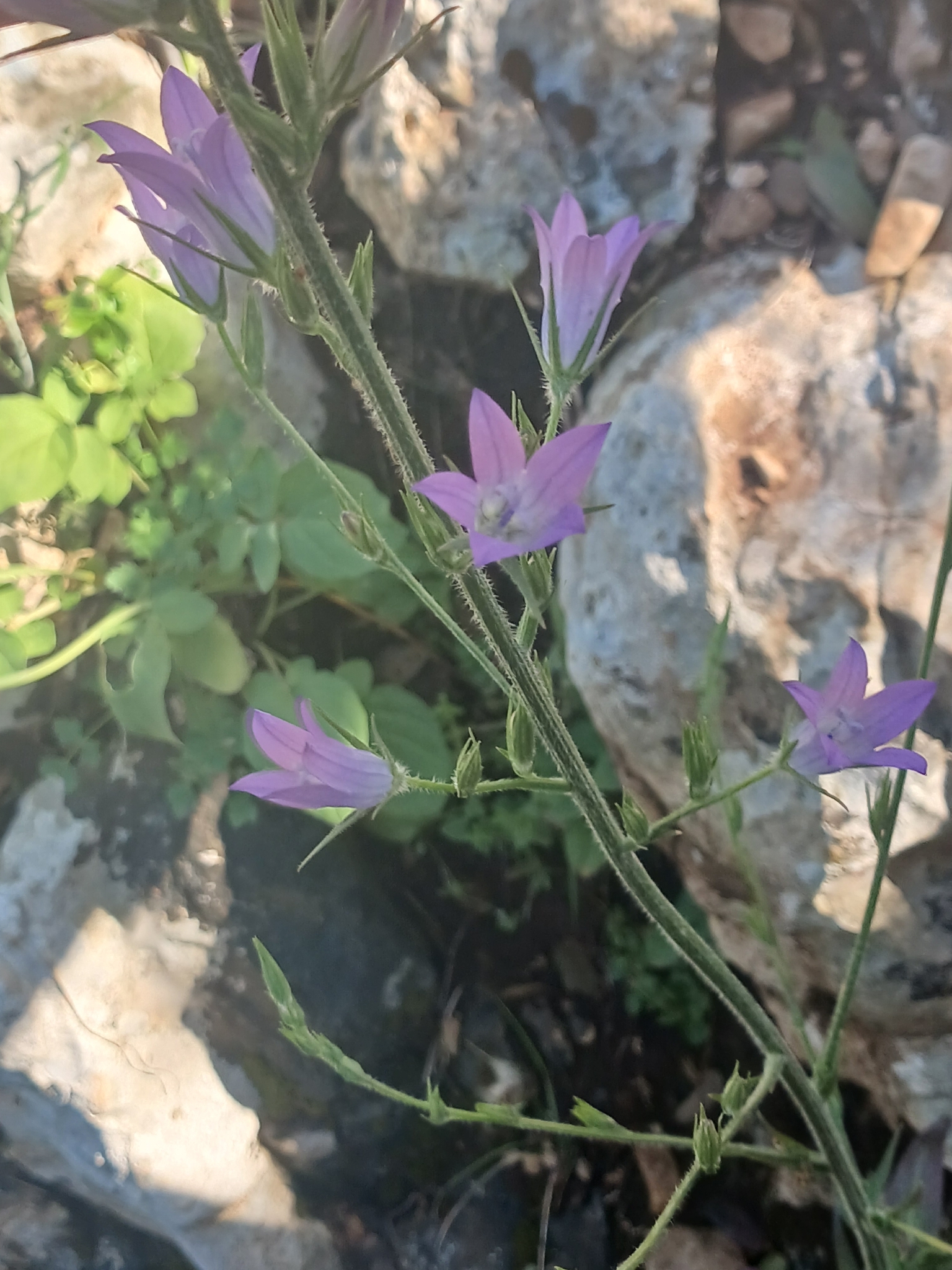
Photos of Creeping Bellflower (Campanula rapunculoides)
5 known issues from plant disease data

Rust on Bellflower causes pale leaf spots above and orange to rust-brown pustules below, then infected leaves yellow and may drop early.

Powdery mildew on Bellflower covers leaves and stems with white powdery patches, often followed by yellowing, curling, and reduced vigor.

Rhizoctonia root rot in Bellflower causes brown dry stem-base cankers and root decay, leaving plants stunted, wilted, or collapsed.

Botrytis blight on Bellflower causes brown spots on petals, leaves, or stems, then soft rot and fuzzy gray mold in cool damp weather.

Crown gall on Bellflower forms rough swollen galls near the crown or roots, reducing vigor and sometimes causing stunting or dieback.
Common names and botanical synonyms
Botanical classification
| Rank | Name |
|---|---|
| Kingdom | Plantae |
| Division | Tracheophyta |
| Class | Magnoliopsida |
| Order | Asterales |
| Family | Campanulaceae |
| Genus | Campanula |
| Species | Campanula rapunculoides |
Similar in genus Campanula
Answers based on plant encyclopedia data