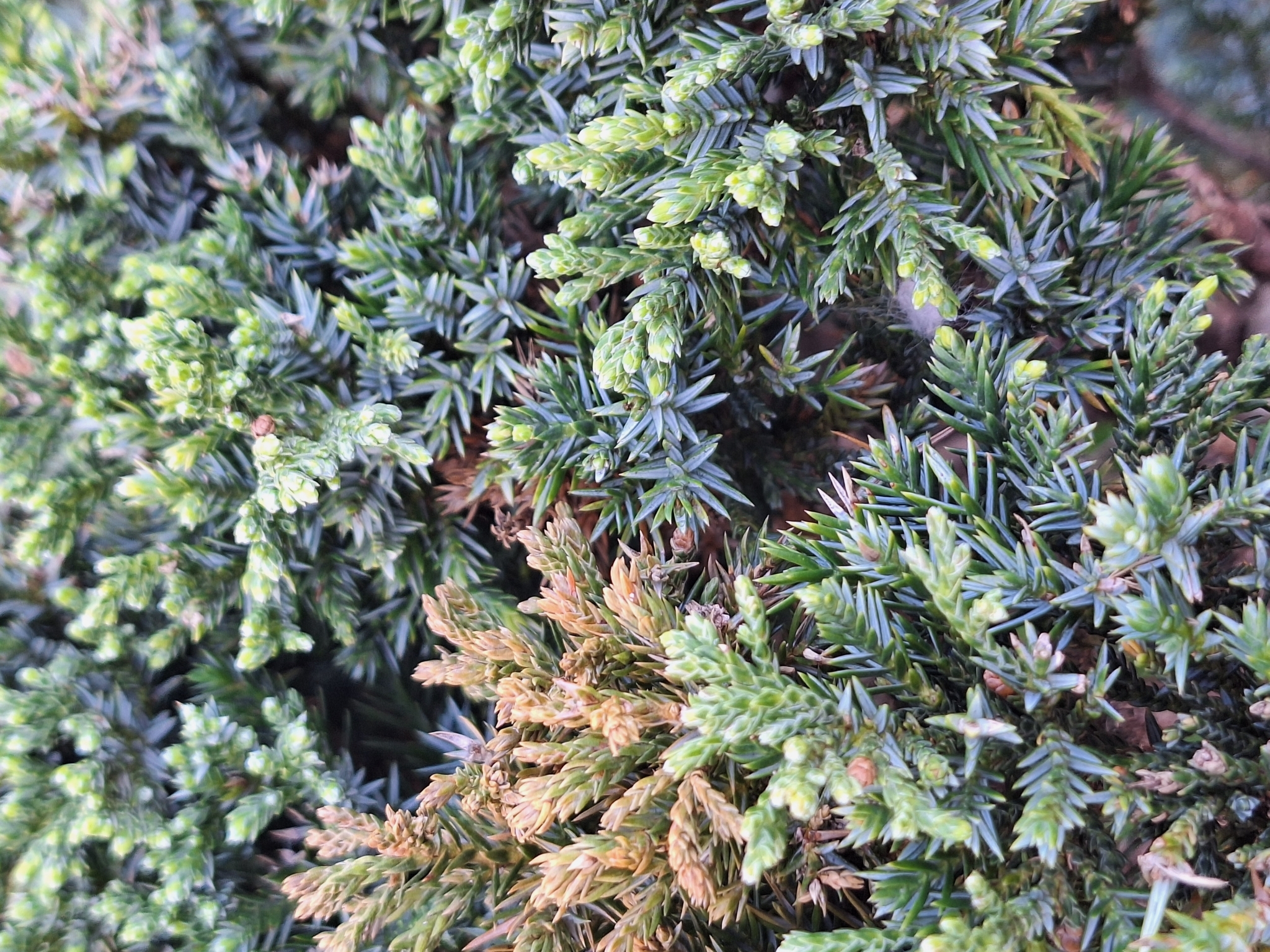
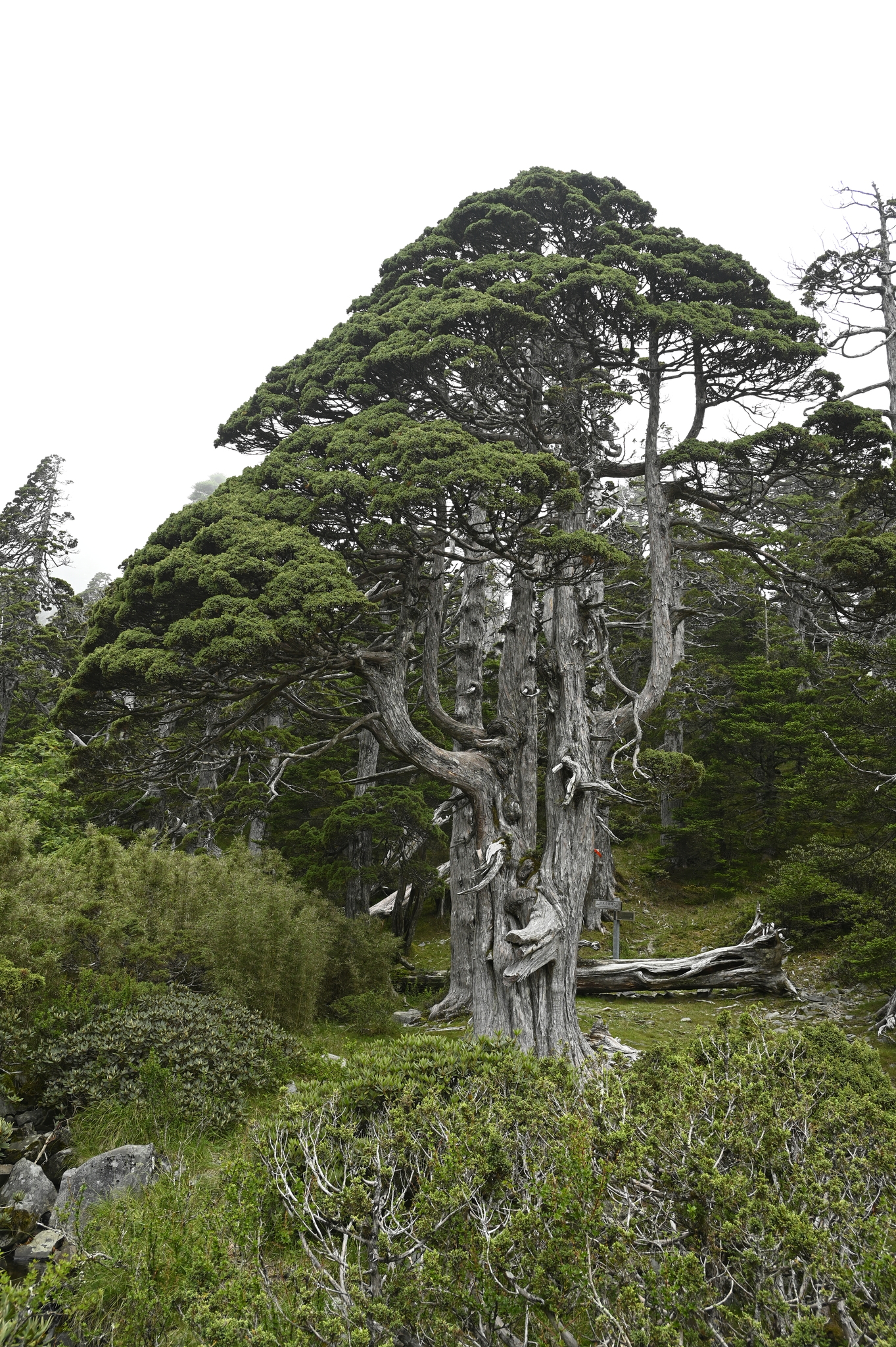
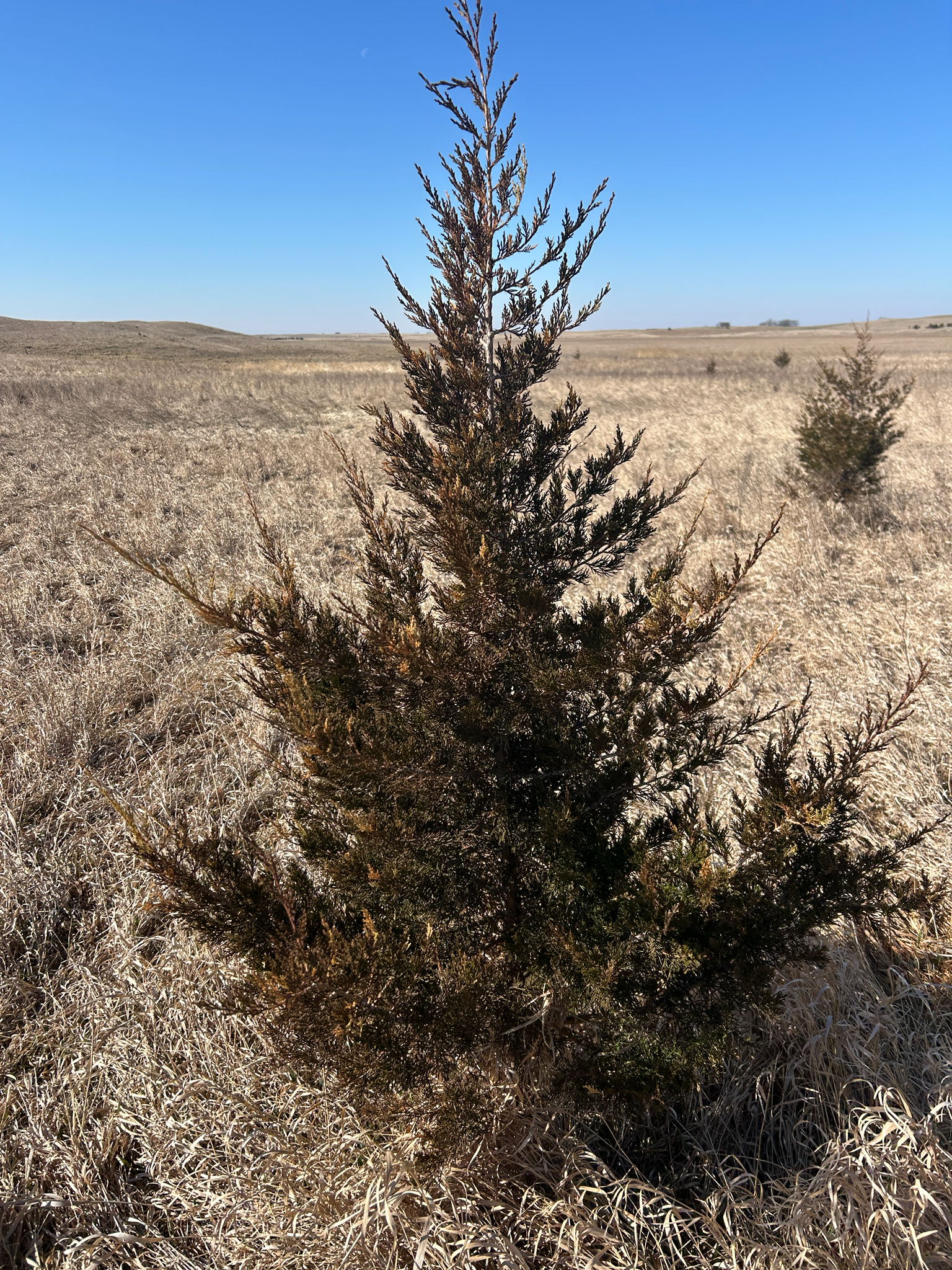
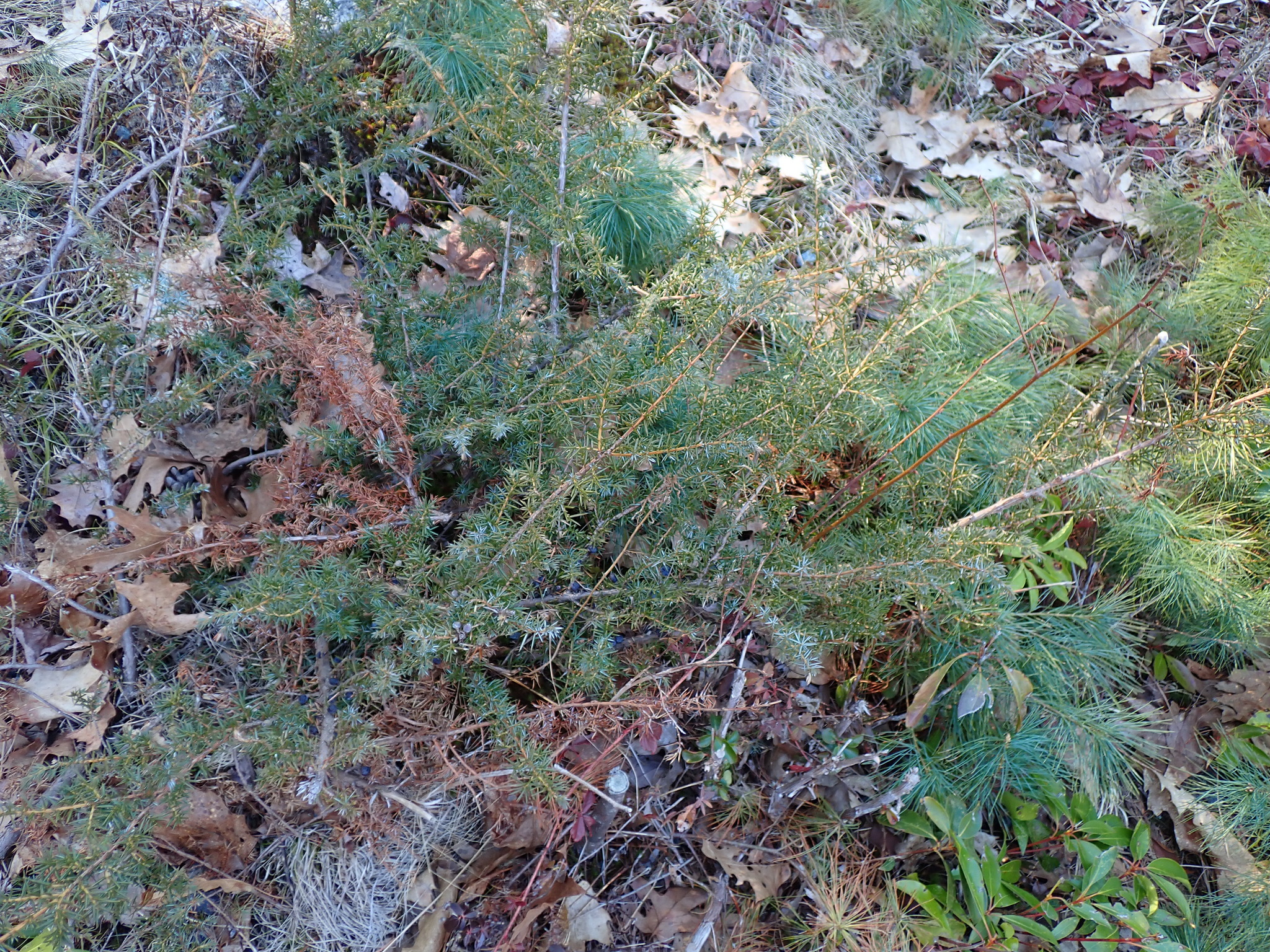
Juniperus horizontalis, or Creeping Juniper, is a low-growing evergreen conifer valued for its dense, spreading habit and year-round foliage, forming a carpet-like groundcover.
Above information is sourced from Wikipedia
Sunlight
Prefers full sun for best foliage color and dense growth. Can tolerate partial shade, but may become leggy and less vibrant.
Watering
Water new plants regularly until established. Mature plants are drought-tolerant and require infrequent watering, allowing the soil to dry out between applications. Overwatering is detrimental.
Soil
Tolerant of a wide range of soils, but prefers well-drained, slightly acidic to neutral conditions. Avoid heavy clay soils that retain too much moisture.
Temperature
Thrives in moderate temperatures. Tolerates a wide range of outdoor conditions once established.
Habitat
Outdoor
Fertilizer
Generally does not require heavy fertilization. A light application of a balanced, slow-release fertilizer in early spring is sufficient.
Prefers full sun for best foliage color and dense growth. Can tolerate partial shade, but may become leggy and less vibrant.
Full sun to partial shade
Water new plants regularly until established. Mature plants are drought-tolerant and require infrequent watering, allowing the soil to dry out between applications. Overwatering is detrimental.
Tolerant of a wide range of soils, but prefers well-drained, slightly acidic to neutral conditions. Avoid heavy clay soils that retain too much moisture.
Thrives in moderate temperatures. Tolerates a wide range of outdoor conditions once established.
15-25 °C
Outdoor
Generally does not require heavy fertilization. A light application of a balanced, slow-release fertilizer in early spring is sufficient.
Early spring
Plant Type
Shrub, Creeper
Plant Category
Foliage, Ornamental
Plant Place Type
Groundcover, Garden, Pot
Plant Environment
Outdoor
Lifespan
Perennials
Plant Height
0.15-0.6 m
Spread
1.5-3 m
Growth Rate
Slow to Moderate
Dormancy
Evergreen
Leaf Color
Green, Blue-green, Gray-green, Silver
Leaf Type
Scale-like
Optimal Sunlight Lux
75000
Toxic for humans
No
Rating: 0/5
Toxic for pets
No
Rating: 0/5
Edible
No
Berries are generally considered non-toxic, but large quantities may cause mild stomach upset. Foliage contains volatile oils that can cause skin irritation in sensitive individuals.