Water
Fagus × taurica prefers consistent moisture, especially when young. Water deeply when the top 2-3 cm of soil feels dry. Avoid waterlogged conditions, as this can lead to root rot.
Reduce watering in winter when the tree is dormant.
Fagus × taurica is a hybrid beech tree known for its smooth, gray bark and ovate to elliptic leaves that turn yellow to brown in autumn.
At-a-glance light, water, soil, and growing conditions from plant data
Full Sun to Partial Shade
75% intensity
Prefers full sun for best growth, but tolerates partial shade.
Moderate
50% intensity
Keep soil consistently moist, especially when young. Allow top layer to dry slightly between waterings.
Well-drained, fertile loam
50% intensity
Moderate
50% intensity
Hardy in USDA zones 4-7. Tolerates a range of temperatures, but protects from extreme heat and frost.
Low
25% intensity
Fertilize in early spring with a balanced, slow-release fertilizer. Avoid over-fertilization.
Safety information from plant toxicity data
| Attribute | Value |
|---|---|
| Toxic for humans | No 0/5 intensity |
| Toxic for pets | No 0/5 intensity |
Non-toxic
Key traits and growing stats from plant data
Watering, pruning, propagation, and repotting details from plant data
Fagus × taurica prefers consistent moisture, especially when young. Water deeply when the top 2-3 cm of soil feels dry. Avoid waterlogged conditions, as this can lead to root rot.
Reduce watering in winter when the tree is dormant.
Prune Fagus × taurica in late winter or early spring to shape the tree, remove dead or diseased branches, and improve air circulation. Avoid heavy pruning during the growing season.
Lightly tip branches to encourage denser growth if desired.
Propagation is typically done through grafting, as seeds from hybrids may not come true to type. Grafting is usually performed in late winter or early spring using dormant scion wood on suitable beech rootstock.
Young Fagus × taurica trees may need repotting every 2-3 years, while mature specimens rarely require it. Repot in early spring just as buds begin to swell, using a well-draining soil mix.
Trim back circling roots to encourage new growth.
Identify plants like this with ePlant AI
Snap a photo to get care tips and match similar species on the go.
Monthly activity intensity for bloom and fruit across both hemispheres.
Flowering & fruiting calendar
Flowering & fruiting calendar
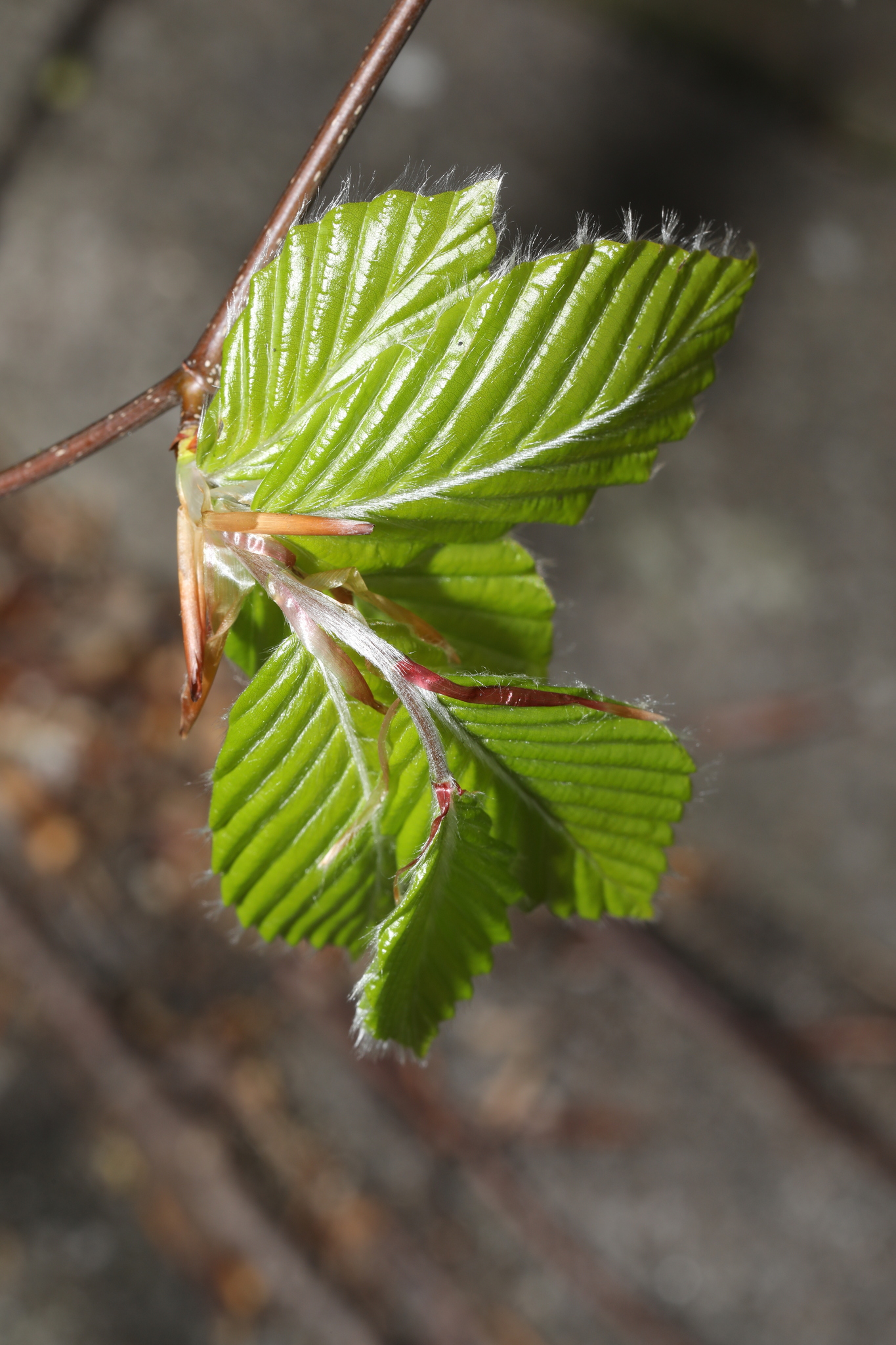
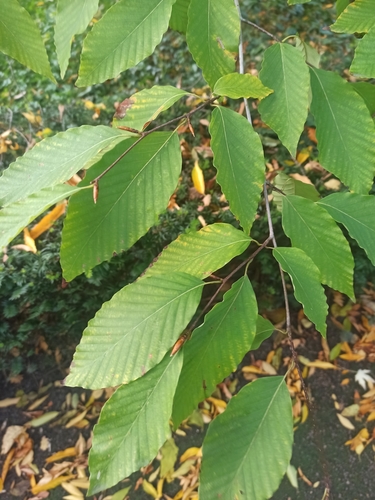
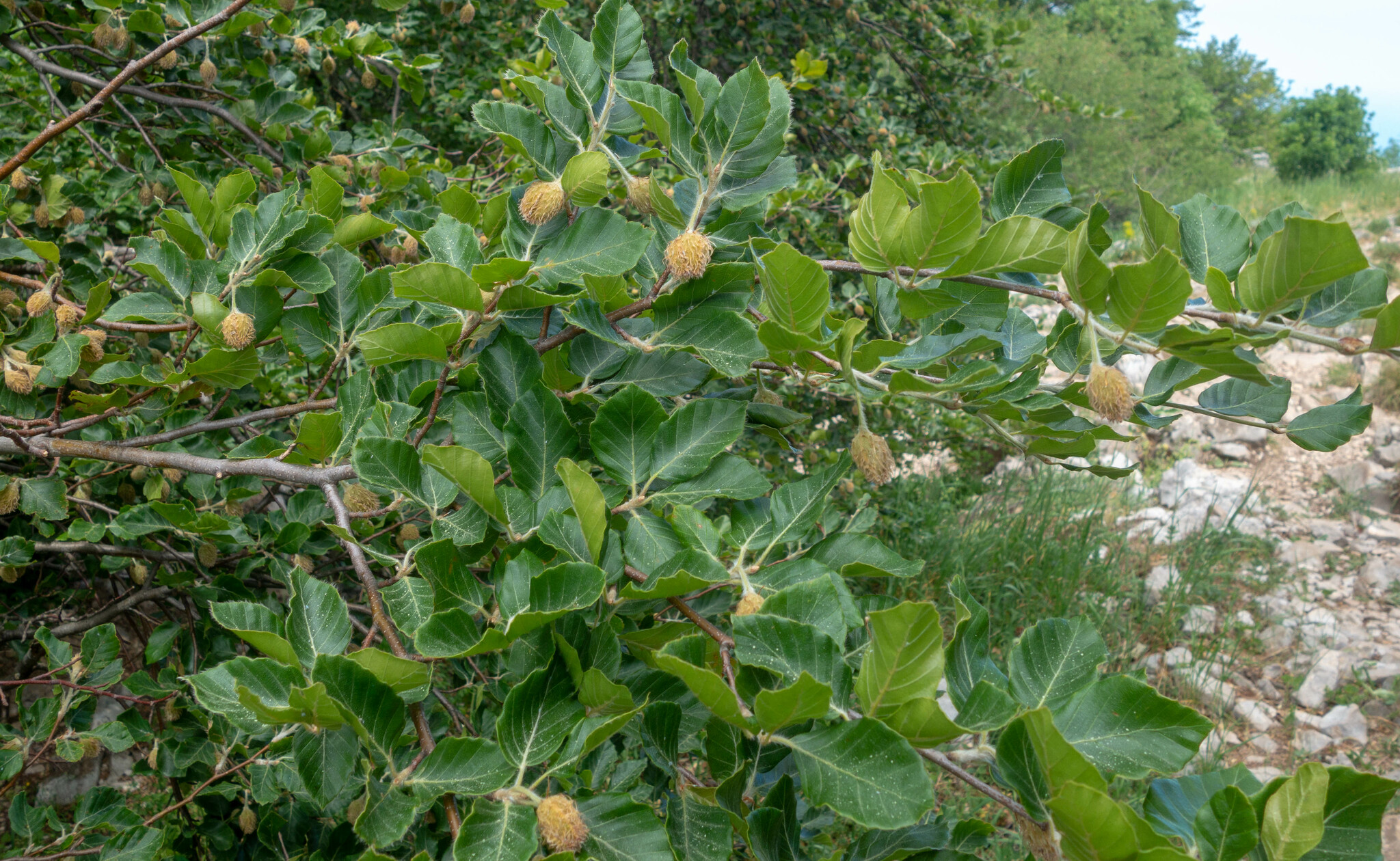
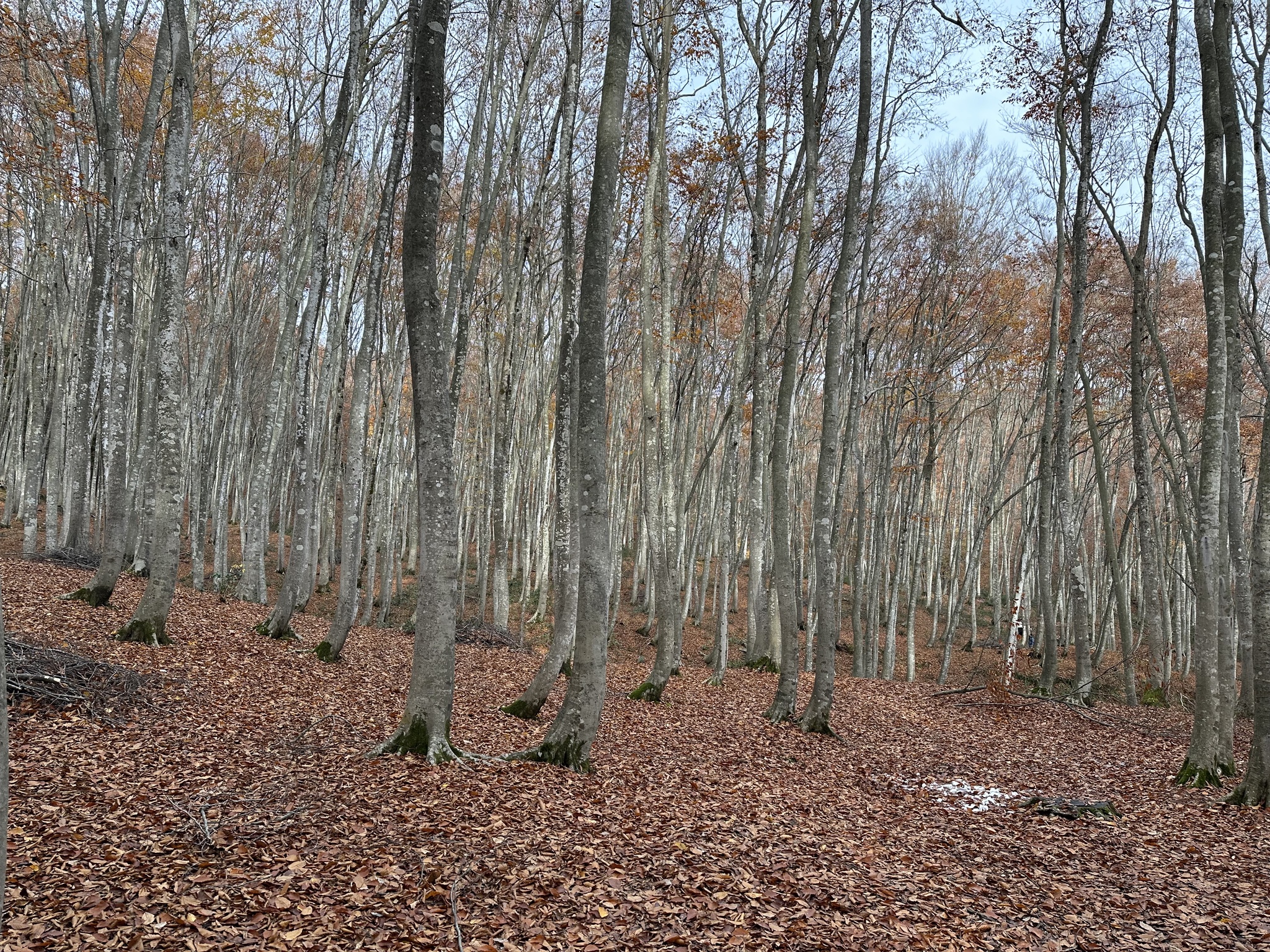
Photos of Fagus × Taurica (Fagus × taurica)
Where Fagus × Taurica (Fagus × taurica) is found

Density
Tap map to explore
Common names and botanical synonyms
Botanical classification
| Rank | Name |
|---|---|
| Species | Fagus × taurica |
Similar in genus Fagus
Answers based on plant encyclopedia data