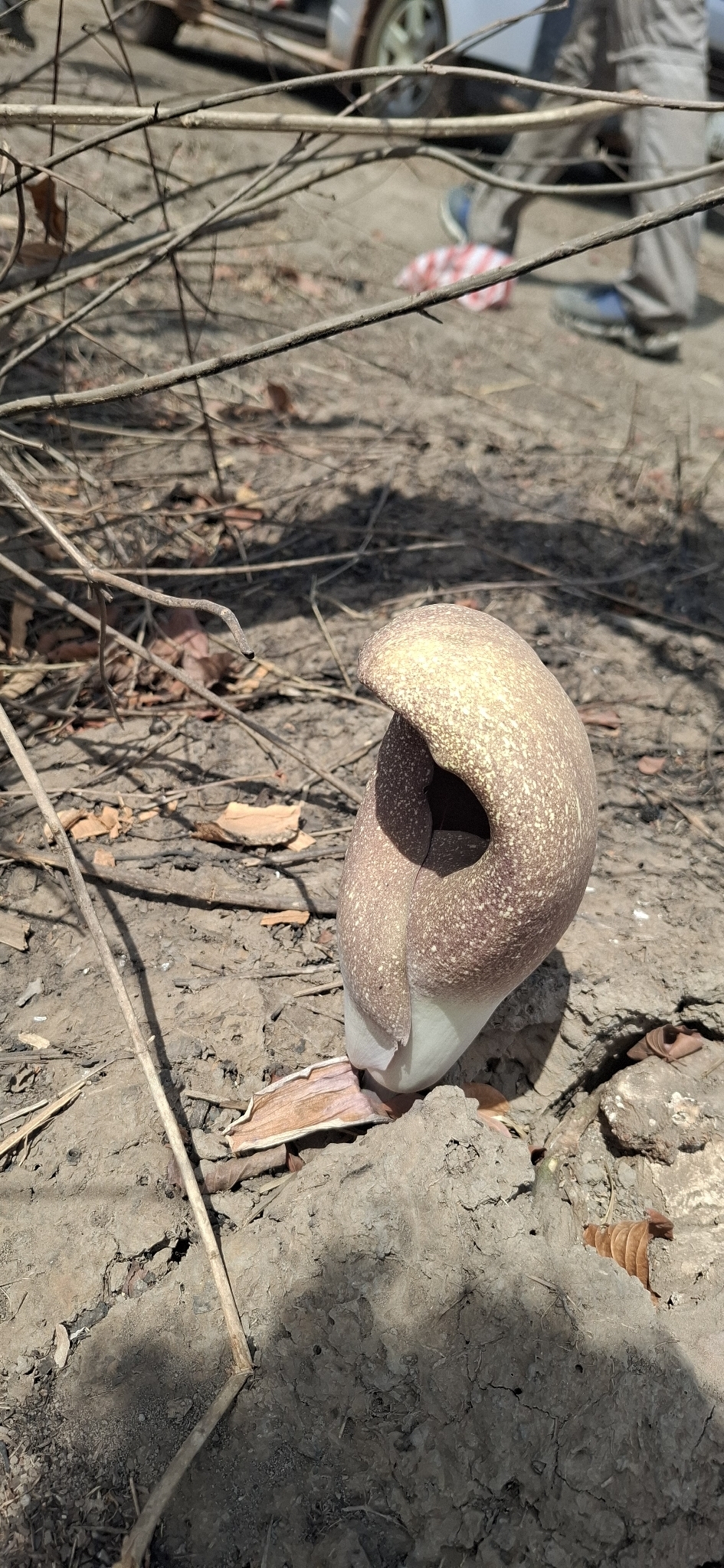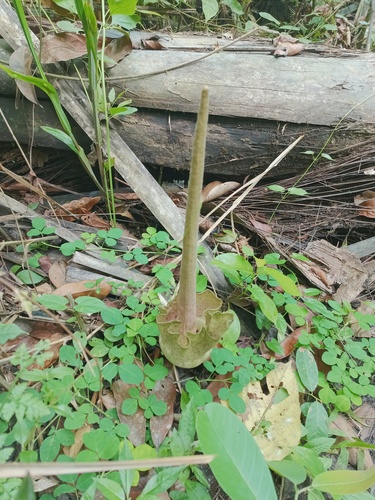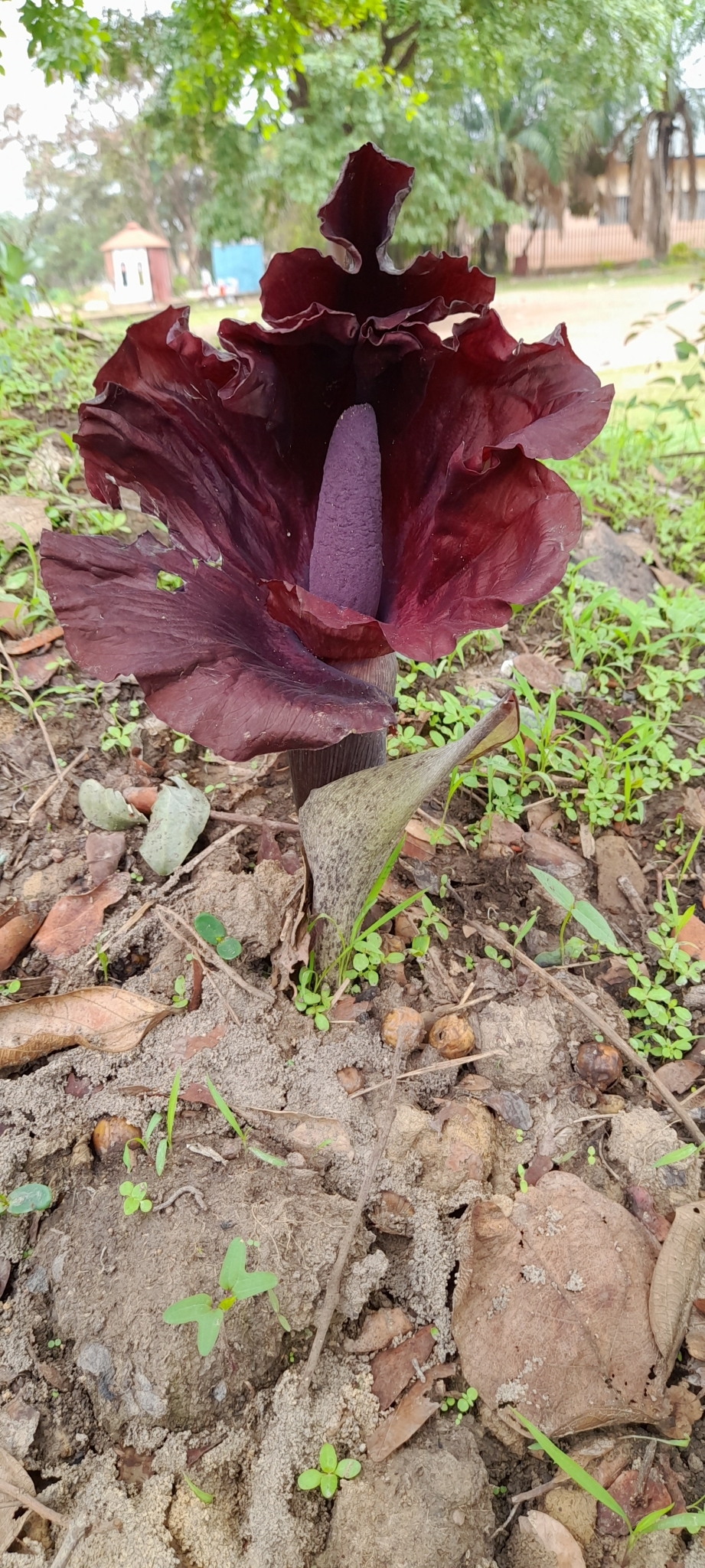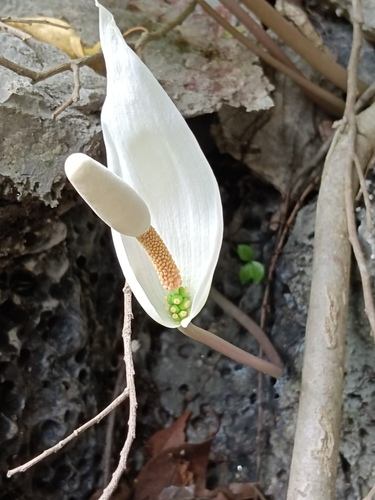
Amorphophallus konjac is a perennial herbaceous plant known for its large corm and unique, foul-smelling flower. It is cultivated for its starchy corm, used in food and t
Above information is sourced from Wikipedia
Sunlight
Bright indirect light to partial shade.
Watering
Keep soil moist during growth, dry during dormancy.
Soil
Well-draining, rich, humusy soil.
Temperature
Maintain warm temperatures (20-30 °C) during active growth, allow cooler (10-15 °C) during dormancy.
Habitat
Outdoor, Indoor, Greenhouse
Fertilizer
Monthly during growing season with diluted liquid fertilizer.
Bright indirect light to partial shade.
Keep soil moist during growth, dry during dormancy.
Well-draining, rich, humusy soil.
Maintain warm temperatures (20-30 °C) during active growth, allow cooler (10-15 °C) during dormancy.
Outdoor, Indoor, Greenhouse
Monthly during growing season with diluted liquid fertilizer.
Plant Type
Herb
Plant Category
Ornamental, Medicinal, Vegetable
Plant Place Type
Ground, Pot
Plant Environment
Outdoor, Indoor, Greenhouse
Lifespan
Perennials
Plant Height
0.5-2.5 m
Spread
0.3-1 m
Growth Rate
Moderate
Dormancy
Winter dormancy
Leaf Color
Green, Mottled
Leaf Type
Palmate-compound
Flower Size
30-80 cm
Optimal Sunlight Lux
25000
Toxic for humans
Yes
Rating: 4/5
Toxic for pets
Yes
Rating: 4/5
Edible
No
All parts of the raw plant contain calcium oxalate crystals, which can cause severe irritation, burning, and swelling of the mouth, throat, and digestive tract if ingested. Skin contact can also cause irritation.