Water
Keep the soil consistently moist but not waterlogged during the growing season. Reduce watering significantly in late autumn and winter when the plant is dormant.
Ensure good drainage to prevent root rot, especially in containers.
Also known as Downy Buttercup · Fleecy Buttercup · Woolly Buttercup
Safety note: This plant may be toxic to humans and pets. See toxicity details.
Ranunculus lanuginosus is a species of buttercup native to Europe, featuring hairy leaves and bright yellow flowers. It thrives in moist meadows and grasslands.
At-a-glance light, water, soil, and growing conditions from plant data
Full Sun to Partial Shade
75% intensity
Prefers bright, indirect light or morning sun. Protect from intense afternoon sun.
Moderate
50% intensity
Keep soil consistently moist during growth, reduce in dormancy.
Well-drained, moist, fertile soil
50% intensity
Cool to Moderate
50% intensity
Prefers temperatures between 10-20°C during growth. Can tolerate cooler conditions.
Low
25% intensity
Light feeding during the growing season. Avoid over-fertilization.
Safety information from plant toxicity data
| Attribute | Value |
|---|---|
| Toxic for humans | Yes 2/5 intensity |
| Toxic for pets | Yes 2/5 intensity |
| Edible | No |
The plant contains ranunculin, which can cause irritation and blistering if ingested or if the sap comes into contact with skin. Symptoms can include gastrointestinal upset, vomiting, diarrhea, and skin irritation.
Key traits and growing stats from plant data
Watering, pruning, propagation, and repotting details from plant data
Keep the soil consistently moist but not waterlogged during the growing season. Reduce watering significantly in late autumn and winter when the plant is dormant.
Ensure good drainage to prevent root rot, especially in containers.
Deadhead spent flowers regularly to encourage more blooms and prevent self-seeding if unwanted. After flowering, cut back the foliage to the ground once it begins to yellow and die back.
This tidies the plant and allows for easy observation of its dormancy.
Ranunculus lanuginosus can be propagated by division of its tubers in early spring before new growth begins. Sow seeds in autumn or early spring in a cold frame or unheated greenhouse.
Germination can be erratic and may take several weeks to months.
Repot Ranunculus lanuginosus tubers every 2-3 years in early spring before growth commences. Use a well-draining potting mix, typically a blend of loam, sand, and compost.
Ensure tubers are planted with the growth buds facing upwards, about 2-3 cm deep.
Identify plants like this with ePlant AI
Snap a photo to get care tips and match similar species on the go.
Monthly activity intensity for bloom and fruit across both hemispheres.
Flowering & fruiting calendar
Flowering & fruiting calendar
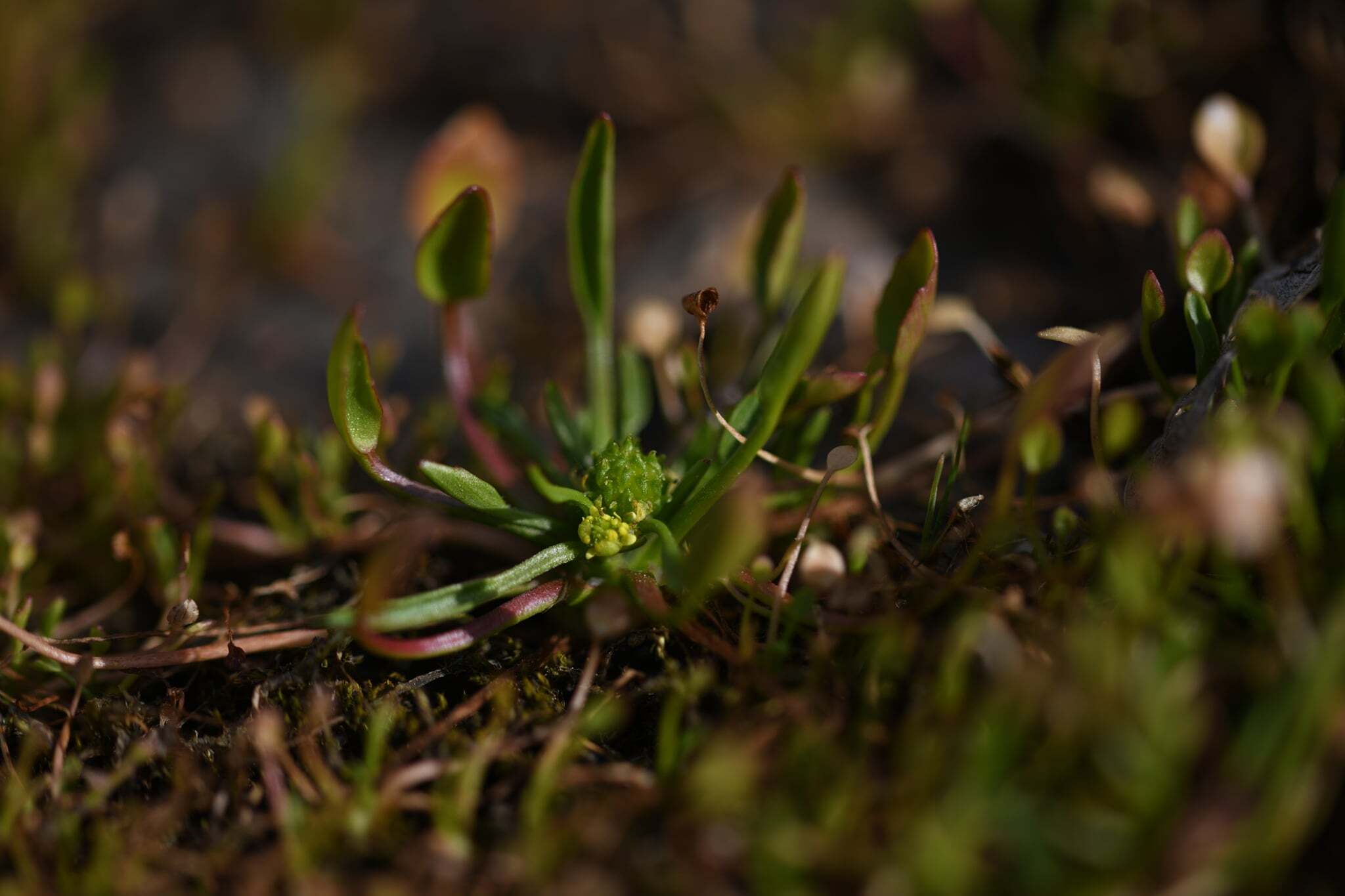
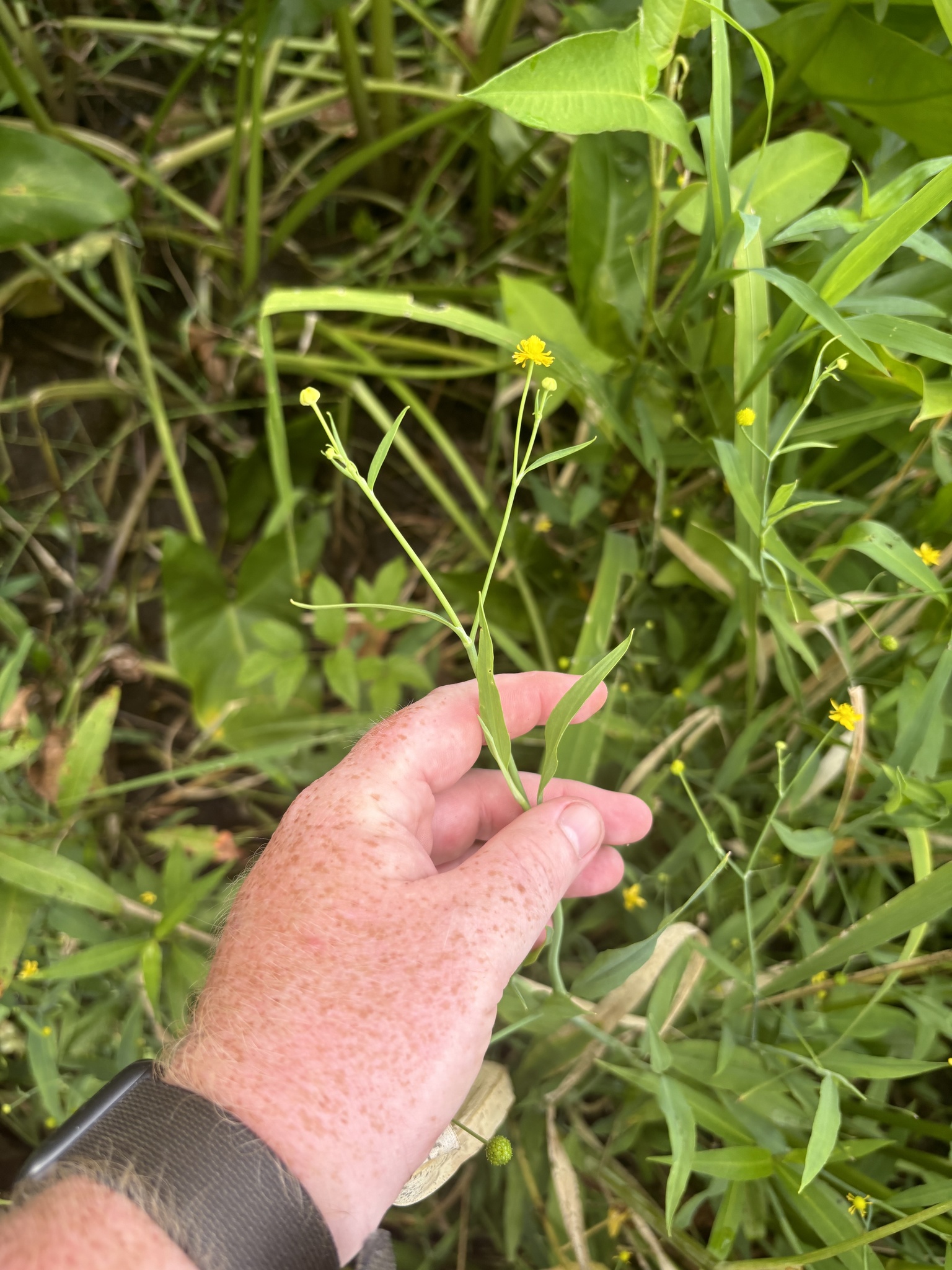
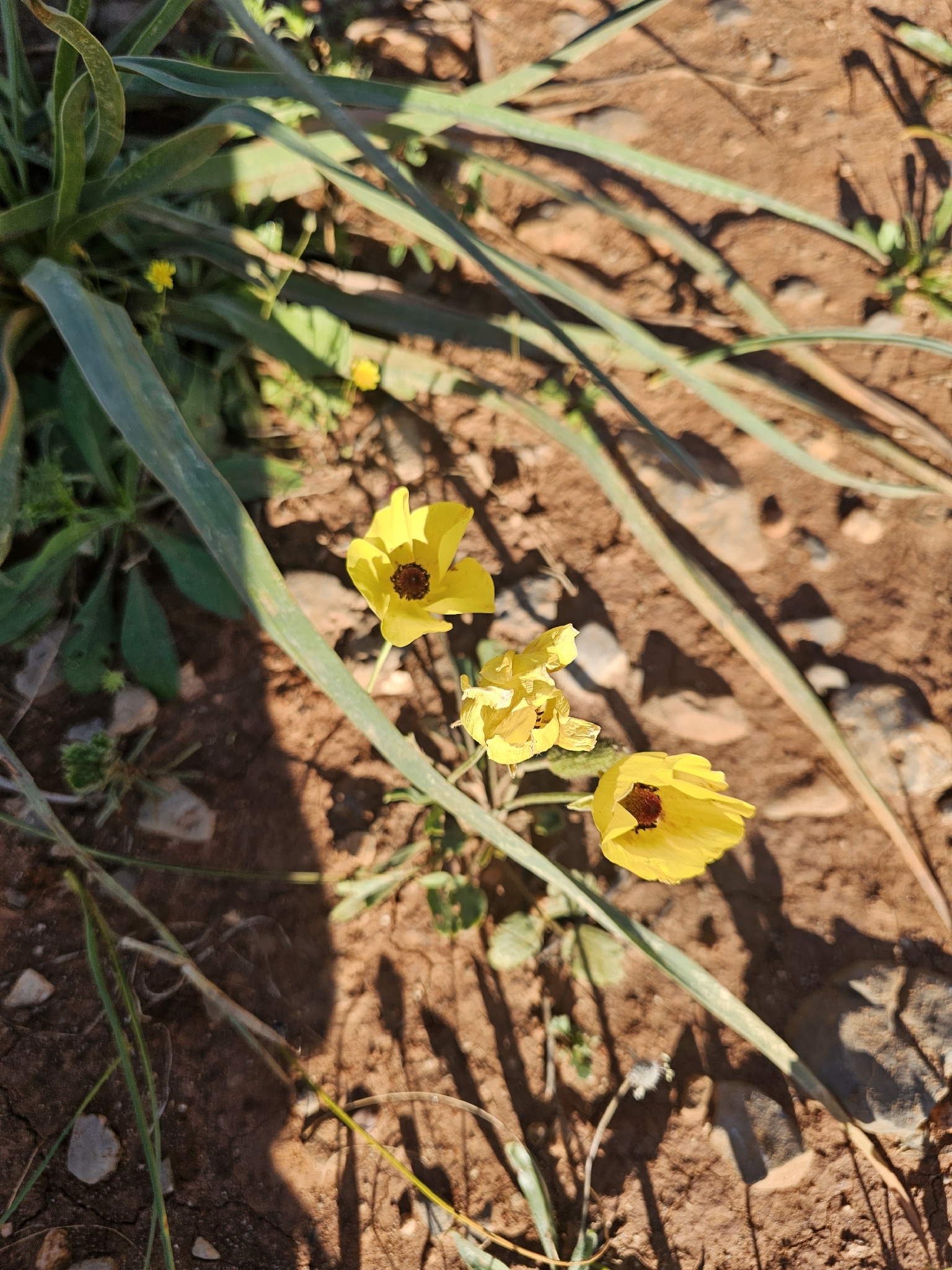
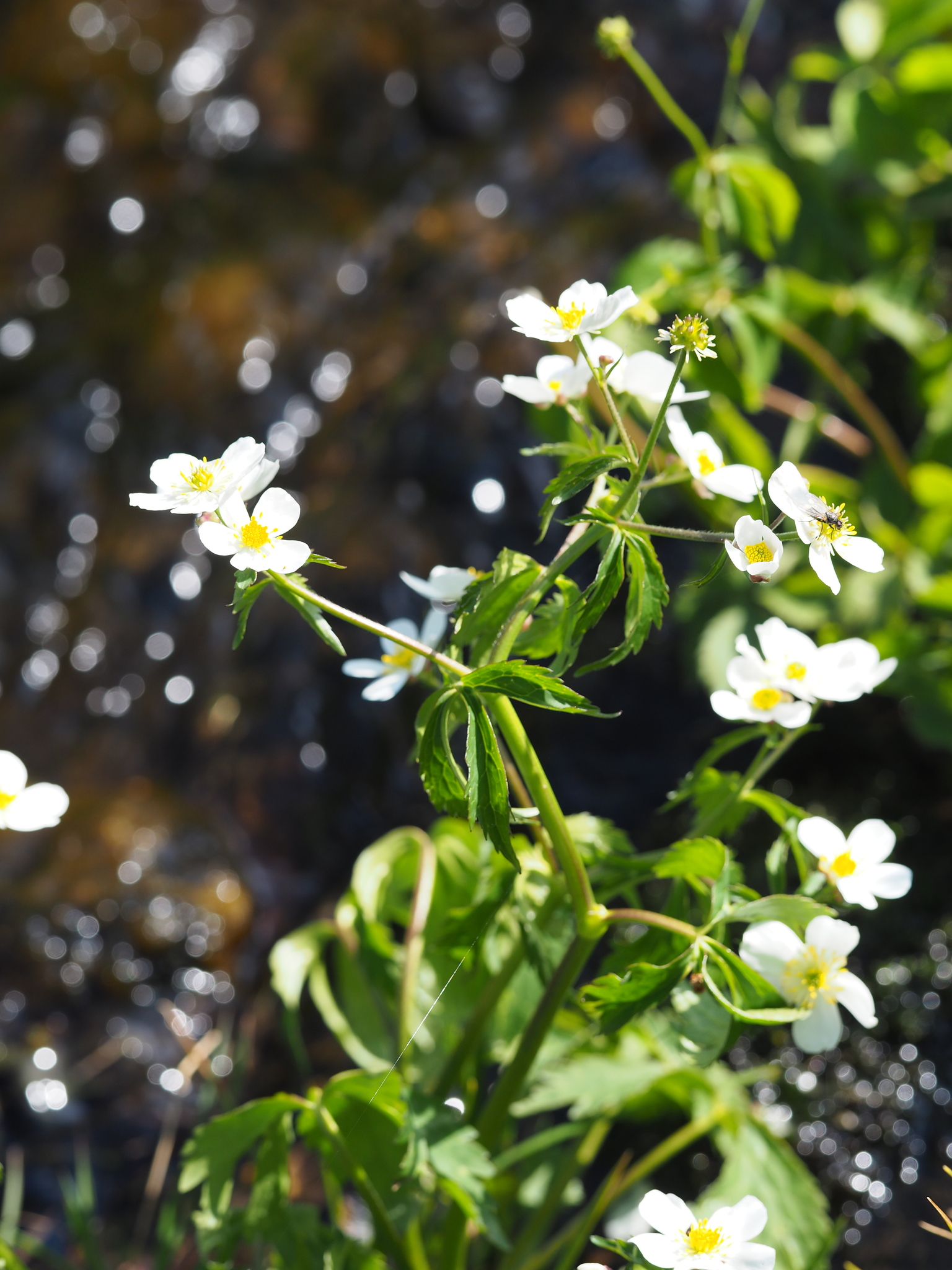
Photos of Wooly Buttercup (Ranunculus lanuginosus)
Where Wooly Buttercup (Ranunculus lanuginosus) is found

Density
Tap map to explore
Common names and botanical synonyms
Botanical classification
| Rank | Name |
|---|---|
| Kingdom | Plantae |
| Division | Tracheophyta |
| Class | Magnoliopsida |
| Order | Ranunculales |
| Family | Ranunculaceae |
| Genus | Ranunculus |
| Species | Ranunculus lanuginosus |
Similar in genus Ranunculus
Answers based on plant encyclopedia data