Water
Maintain consistently moist soil, but avoid waterlogging. Water deeply when the top 2-3 cm of soil feels dry.
Reduce watering slightly in cooler months, but never let the plant completely dry out, as this can stress the Musa acuminata.
Also known as Banana · Biu Alas · Chinese Banana
Cavendish banana (Musa acuminata) is the most widely exported banana variety, known for its sweet, creamy fruit and large, lush foliage, thriving in tropical climates.
At-a-glance light, water, soil, and growing conditions from plant data
Provide bright, indirect sunlight. Musa acuminata thrives in full sun for at least 6-8 hours daily, but can tolerate partial shade. Protect young plants from intense midday sun, which can scorch leaves. In low light, growth will be stunted.
75% intensity
Bright, indirect light; tolerates full sun.
Consistent moisture is key for Musa acuminata. Aim to keep the soil evenly moist, like a wrung-out sponge. Allow the top inch of soil to dry slightly between waterings. Reduce watering frequency in cooler periods but avoid complete drying.
75% intensity
Keep soil consistently moist, avoid waterlogging.
Loam
50% intensity
Ideal temperatures range from 24-27°C (75-81°F). Musa acuminata is sensitive to cold and frost. Protect it from temperatures below 10°C (50°F). Warmer temperatures are generally beneficial for its growth and fruit production.
75% intensity
Thrives in warm conditions, sensitive to cold.
Outdoor
50% intensity
Feed regularly during the growing season (spring through fall) with a balanced, high-potassium fertilizer. Apply a slow-release granular fertilizer monthly or a liquid feed every two weeks. Reduce or stop fertilizing in winter.
75% intensity
Regular feeding with balanced, high-potassium fertilizer during growing season.
Safety information from plant toxicity data
| Attribute | Value |
|---|---|
| Toxic for humans | No 0/5 intensity |
| Toxic for pets | No 0/5 intensity |
| Edible | Yes |
None
Key traits and growing stats from plant data
Watering, pruning, propagation, and repotting details from plant data
Maintain consistently moist soil, but avoid waterlogging. Water deeply when the top 2-3 cm of soil feels dry.
Reduce watering slightly in cooler months, but never let the plant completely dry out, as this can stress the Musa acuminata.
Pruning primarily involves removing dead or damaged leaves to maintain plant health and appearance. Suckers (new shoots from the base) can be thinned, leaving one or two healthy ones to replace the mother plant.
Remove the main pseudostem after it has fruited, as it will not produce again.
Musa acuminata is typically propagated by division of rhizomes or by using suckers. Carefully separate a young sucker with its own root system from the parent plant.
Replant the sucker in well-draining soil, keeping it consistently moist until established.
Repot young plants annually or when root-bound. Mature plants may need repotting every 2-3 years. Choose a pot at least 30 cm wider than the current one.
Ensure the new pot has adequate drainage holes and use a well-draining potting mix.
Identify plants like this with ePlant AI
Snap a photo to get care tips and match similar species on the go.
Monthly activity intensity for bloom and fruit across both hemispheres.
Flowering & fruiting calendar
Flowering & fruiting calendar
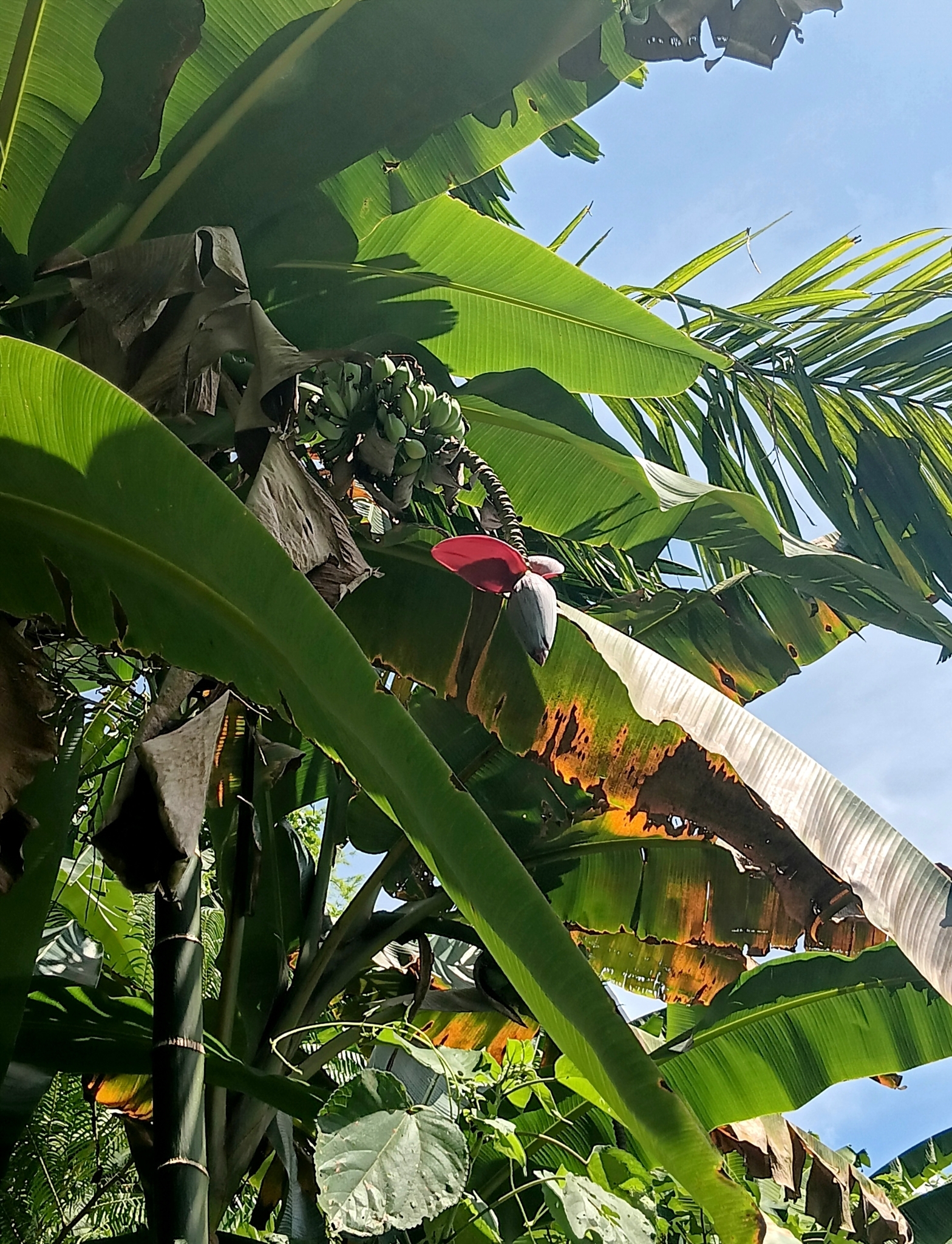
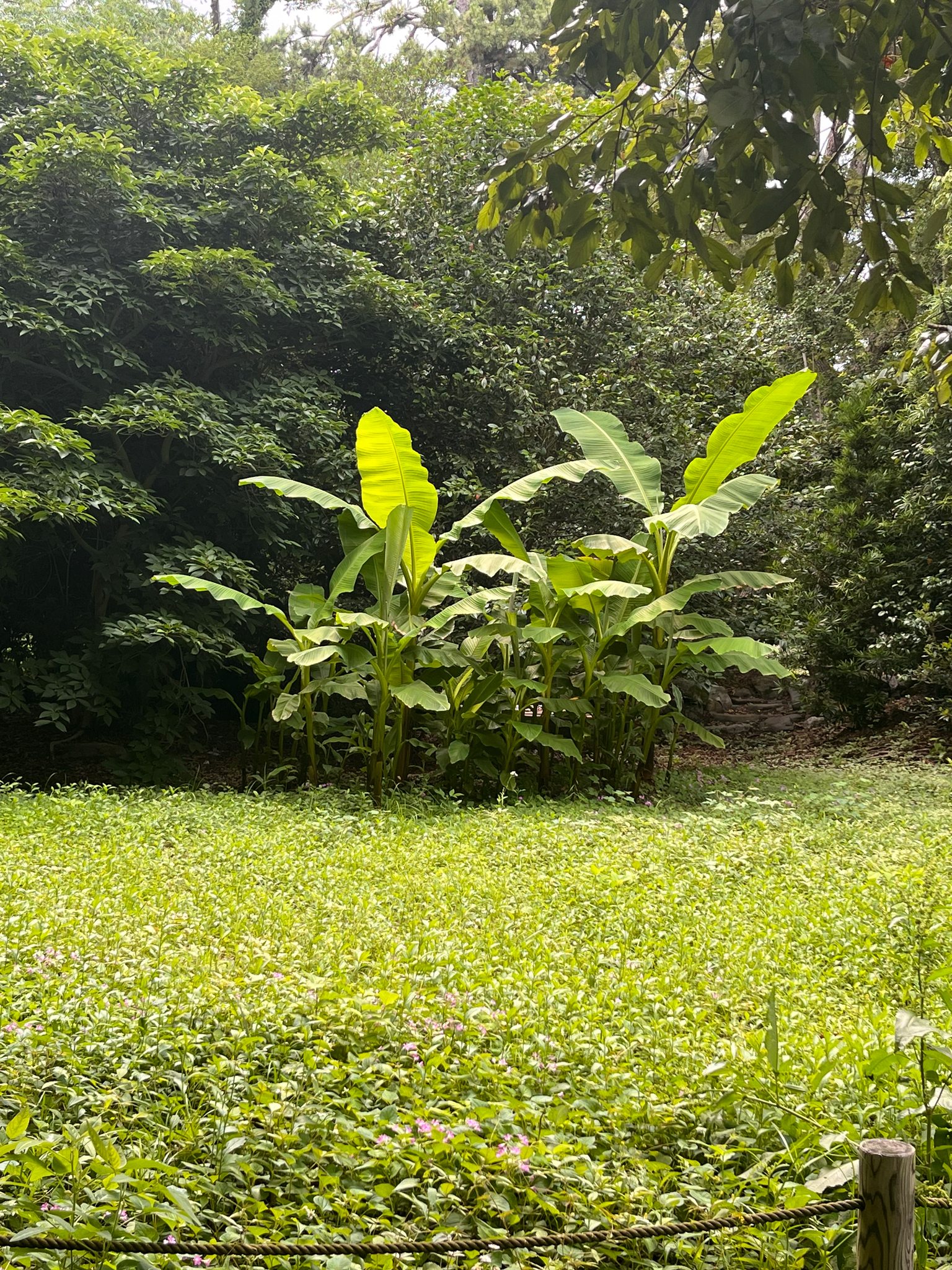
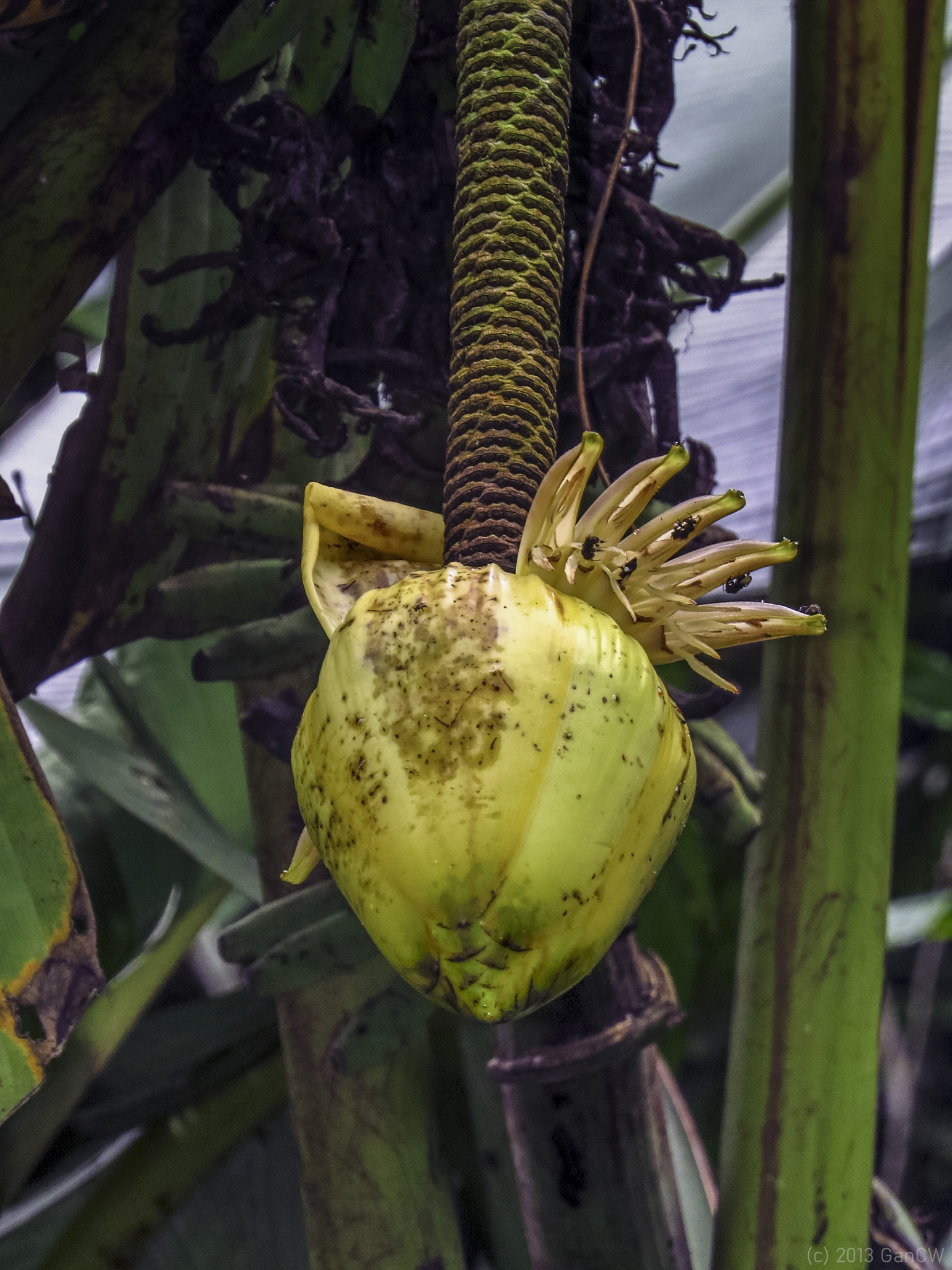
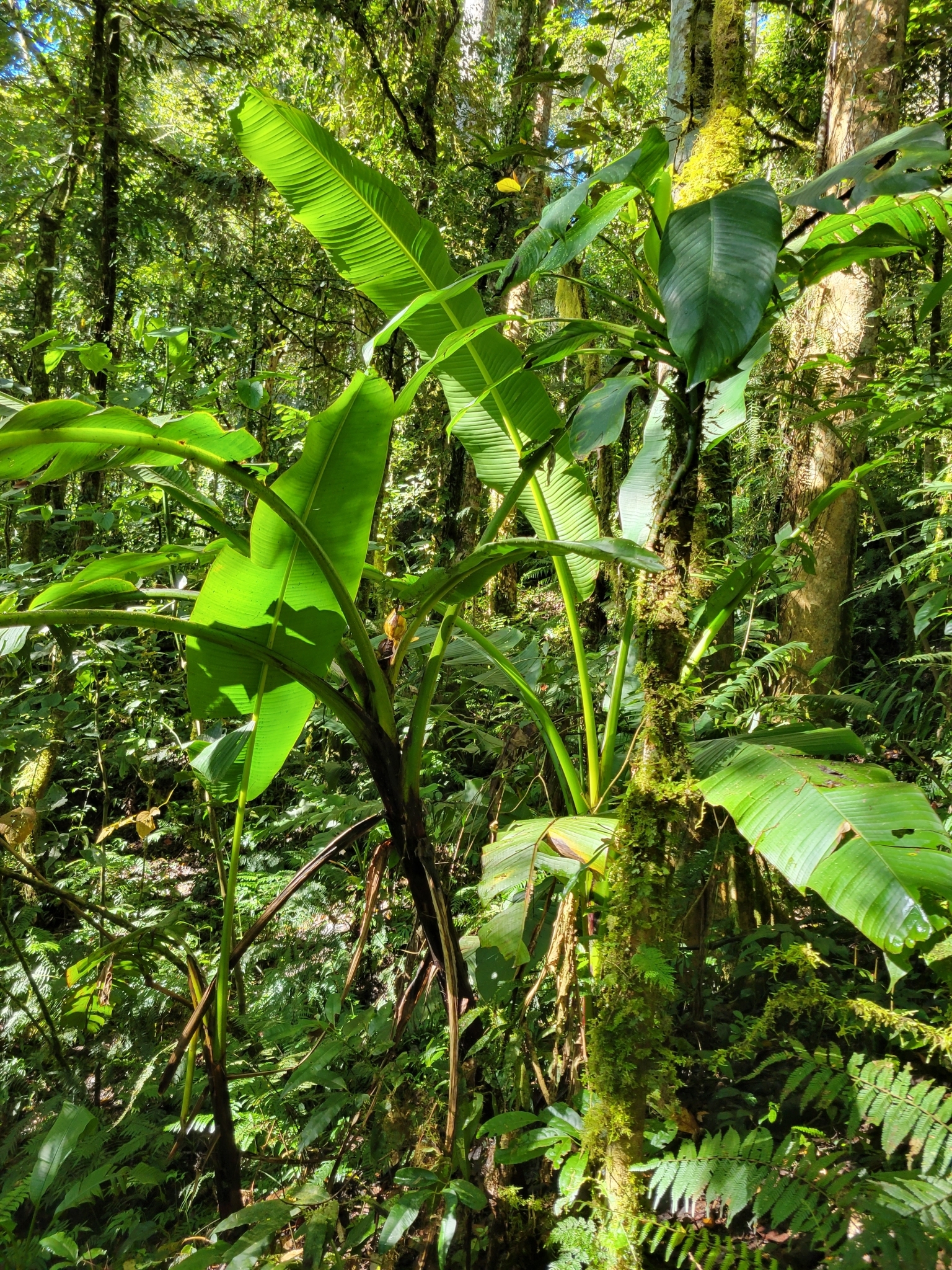
Photos of Cavendish Banana (Musa acuminata)
Where Cavendish Banana (Musa acuminata) is found

Density
Tap map to explore
6 known issues from plant disease data

Black Sigatoka on Banana and Plantain causes dark leaf streaks that turn black and blight, killing leaves and leading to early fruit ripening.

Fusarium Wilt (Panama Disease) in Banana and Plantain yellows older leaves, makes them collapse like a skirt, and slowly kills the plant.

Banana Bunchy Top on Banana and Plantain makes leaves narrow, upright, and bunched, with dark green streaks, stunting, and little fruit.

Moko Disease in Banana and Plantain causes sudden wilt, yellowing, and internal fruit and stalk discoloration as whole plants collapse.

Banana Xanthomonas Wilt in Banana and Plantain causes yellowing and wilting, early fruit ripening and rot, and yellow ooze in cut stems.

Yellow Sigatoka on Banana and Plantain starts as narrow yellow-green leaf streaks that enlarge into spots, then blight leaves and weaken plants.
Common names and botanical synonyms
Botanical classification
| Rank | Name |
|---|---|
| Kingdom | Plantae |
| Division | Tracheophyta |
| Class | Liliopsida |
| Order | Zingiberales |
| Family | Musaceae |
| Genus | Musa |
| Species | Musa acuminata |
Similar in genus Musa
Answers based on plant encyclopedia data