Water
Water regularly, especially during dry periods. Aim for consistently moist soil, but avoid waterlogging. Reduce watering in winter when the plant is dormant.
Check soil moisture by feeling the top few centimeters; water when it feels dry.
Also known as Bomb-Cherry-Vine · Dwarf Lonicera · European Dwarf Honeysuckle
Safety note: This plant may be toxic to humans and pets. See toxicity details.
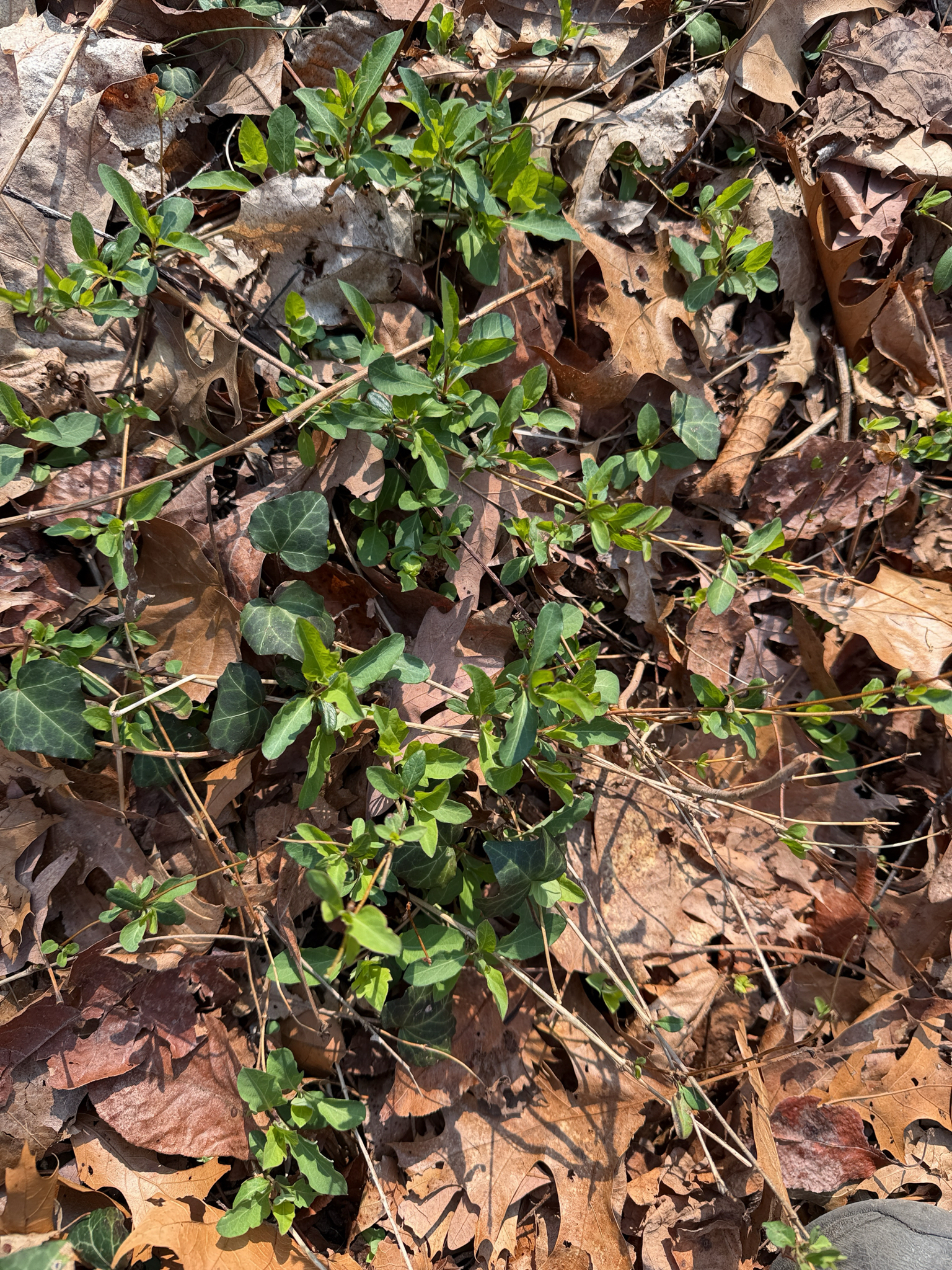
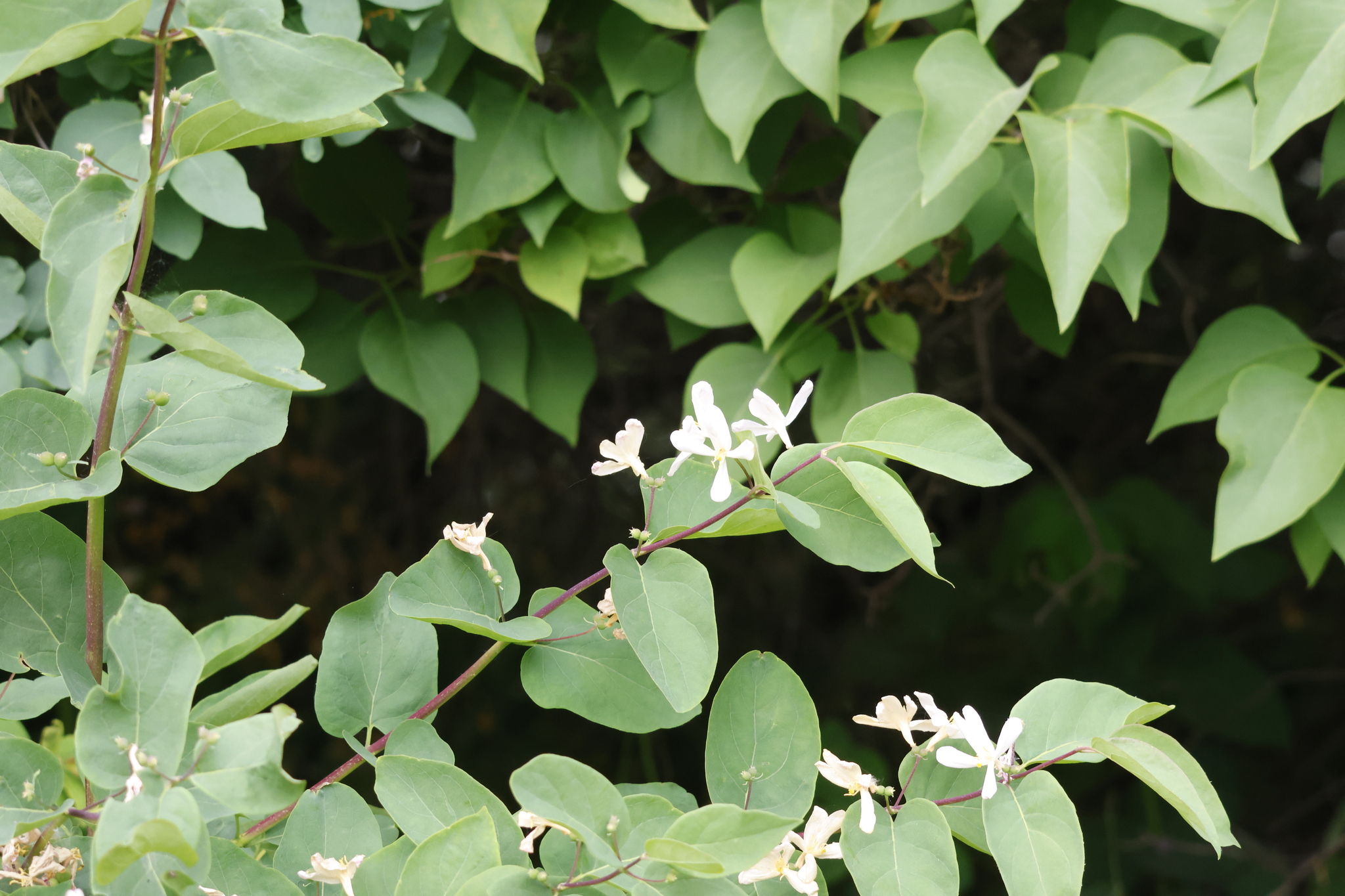
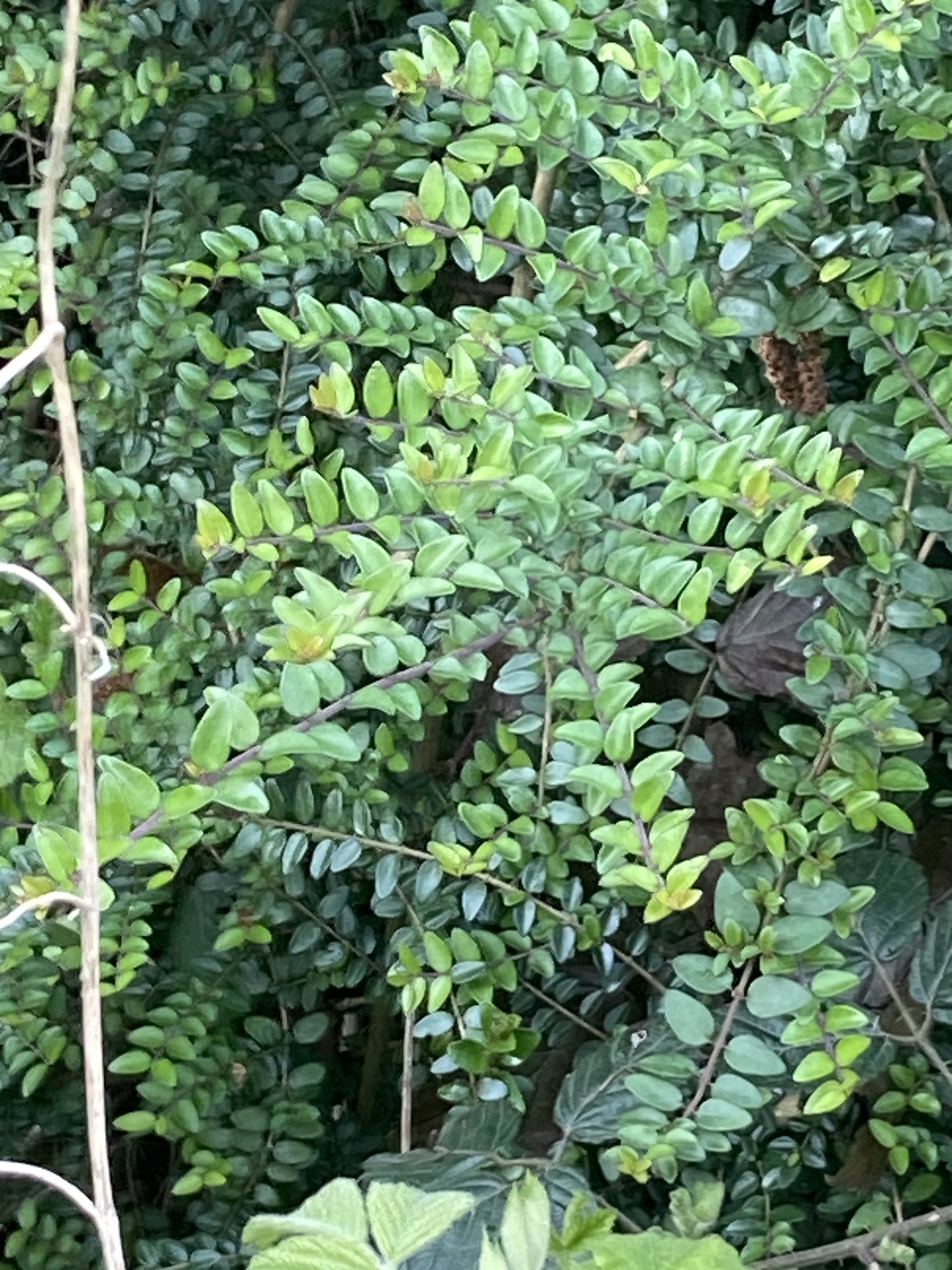
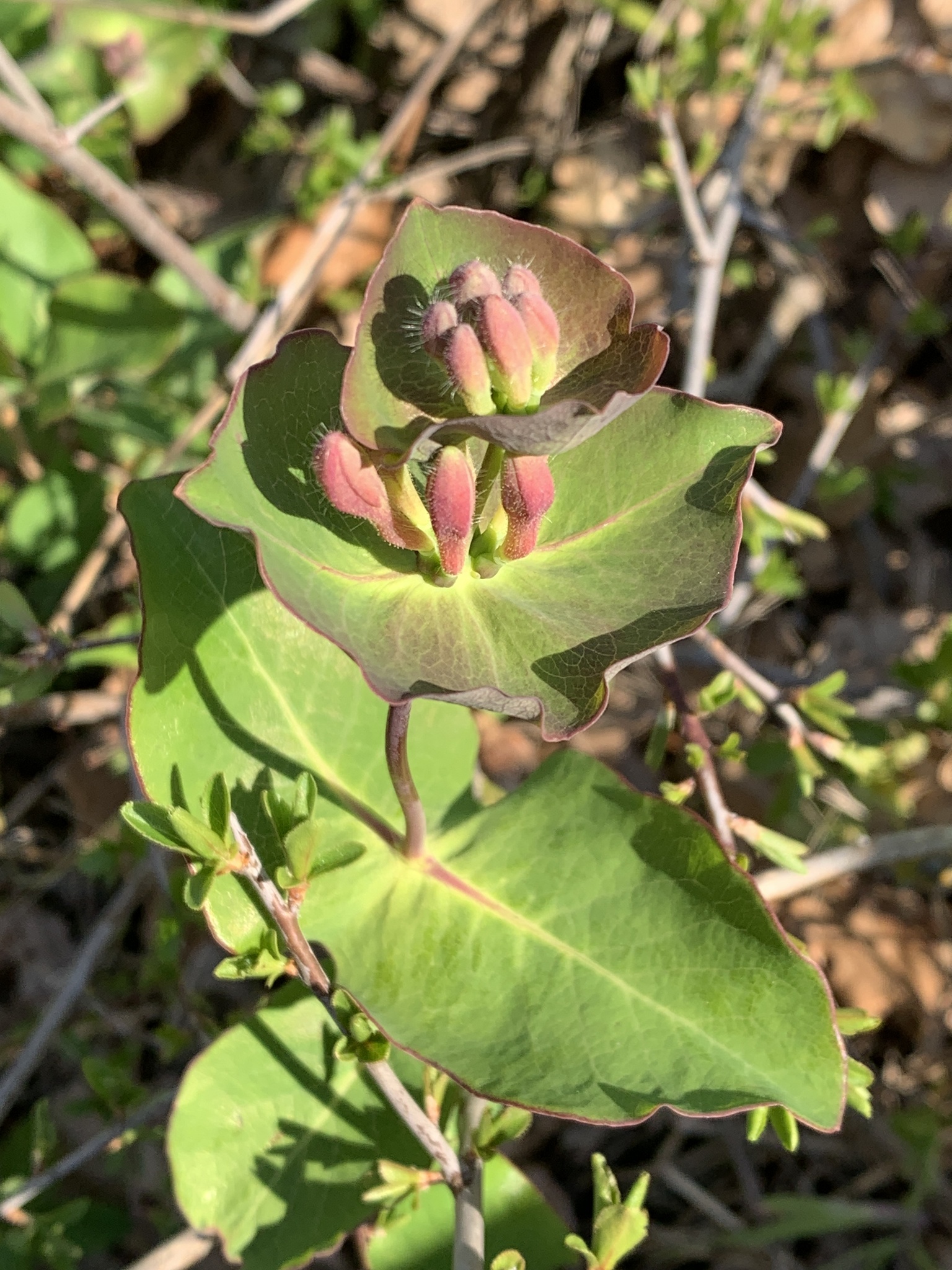
Dwarf Honeysuckle (Lonicera xylosteum) is a dense, multi-stemmed shrub with small, oval leaves and inconspicuous white to pale yellow flowers followed by bright red berri
At-a-glance light, water, soil, and growing conditions from plant data
Full Sun to Partial Shade
50% intensity
Prefers full sun for best flowering, but tolerates partial shade.
Regular
50% intensity
Keep soil consistently moist, but not waterlogged. Reduce watering in winter.
Well-drained
50% intensity
Hardy
0% intensity
Tolerates a wide range of temperatures. Very cold hardy.
Light
25% intensity
Fertilize in early spring with a balanced, slow-release fertilizer.
Safety information from plant toxicity data
| Attribute | Value |
|---|---|
| Toxic for humans | Yes 2/5 intensity |
| Toxic for pets | Yes 2/5 intensity |
| Edible | No |
Berries are toxic if ingested.
Key traits and growing stats from plant data
Watering, pruning, propagation, and repotting details from plant data
Water regularly, especially during dry periods. Aim for consistently moist soil, but avoid waterlogging. Reduce watering in winter when the plant is dormant.
Check soil moisture by feeling the top few centimeters; water when it feels dry.
Prune after flowering to maintain shape and remove any dead, damaged, or crossing branches. Light pruning can be done to encourage bushiness.
Avoid heavy pruning, as this can reduce the next season's flower and fruit production.
Propagate from semi-hardwood cuttings taken in mid-summer. Root cuttings in a well-draining medium, keeping them moist and in a shaded, humid location.
Seeds can also be sown in autumn, requiring a period of cold stratification.
Repot young plants every 2-3 years in spring, moving them to a slightly larger container. Established plants in the ground rarely need repotting. Use a good quality, well-draining potting mix.
Ensure the new pot has adequate drainage holes.
Identify plants like this with ePlant AI
Snap a photo to get care tips and match similar species on the go.
Monthly activity intensity for bloom and fruit across both hemispheres.
Flowering & fruiting calendar
Flowering & fruiting calendar
Photos of Dwarf Honeysuckle (Lonicera xylosteum)
Where Dwarf Honeysuckle (Lonicera xylosteum) is found

Density
Tap map to explore
Common names and botanical synonyms
Botanical classification
| Rank | Name |
|---|---|
| Kingdom | Plantae |
| Division | Tracheophyta |
| Class | Magnoliopsida |
| Order | Dipsacales |
| Family | Caprifoliaceae |
| Genus | Lonicera |
| Species | Lonicera xylosteum |
Similar in genus Lonicera
Answers based on plant encyclopedia data