Water
Dwarf pawpaw prefers consistently moist soil but not waterlogged. Water deeply when the top 2-3 cm of soil feels dry. Reduce watering slightly during winter dormancy.
Ensure good drainage to prevent root rot, especially in containers.
Also known as Gopherberry
Asimina pygmaea, the dwarf pawpaw, is a small, shrubby native of Florida, producing fragrant flowers and small, edible fruits. It thrives in sandy soils.
At-a-glance light, water, soil, and growing conditions from plant data
Partial Shade to Full Sun
50% intensity
Prefers morning sun and afternoon shade in hotter climates, but can tolerate full sun if consistently watered.
Consistent
50% intensity
Keep soil moderately moist, allowing the top layer to dry slightly between waterings. Reduce in winter.
Well-drained, sandy loam, slightly acidic
50% intensity
Temperate
50% intensity
Thrives in USDA hardiness zones 7-10. Protect from extreme heat and frost, especially when young.
Light
25% intensity
Apply balanced fertilizer in spring. Avoid over-fertilization, as it can be sensitive.
Safety information from plant toxicity data
| Attribute | Value |
|---|---|
| Toxic for humans | No 0/5 intensity |
| Toxic for pets | No 0/5 intensity |
| Edible | Yes |
None
Key traits and growing stats from plant data
Watering, pruning, propagation, and repotting details from plant data
Dwarf pawpaw prefers consistently moist soil but not waterlogged. Water deeply when the top 2-3 cm of soil feels dry. Reduce watering slightly during winter dormancy.
Ensure good drainage to prevent root rot, especially in containers.
Prune in late winter or early spring before new growth begins. Remove any dead, damaged, or crossing branches. Minimal pruning is generally needed; focus on maintaining a natural shape and good air circulation.
Avoid severe pruning.
Propagation is primarily by seed, which requires stratification. Seeds are sown in spring after a period of cold stratification. Grafting is also an option for more predictable results, typically performed in summer.
Repot young dwarf pawpaws every 1-2 years in spring, or when root-bound. Use a well-draining potting mix. Choose a pot only slightly larger than the current one. Mature plants may only need repotting every 3-5 years.
Identify plants like this with ePlant AI
Snap a photo to get care tips and match similar species on the go.
Monthly activity intensity for bloom and fruit across both hemispheres.
Flowering & fruiting calendar
Flowering & fruiting calendar
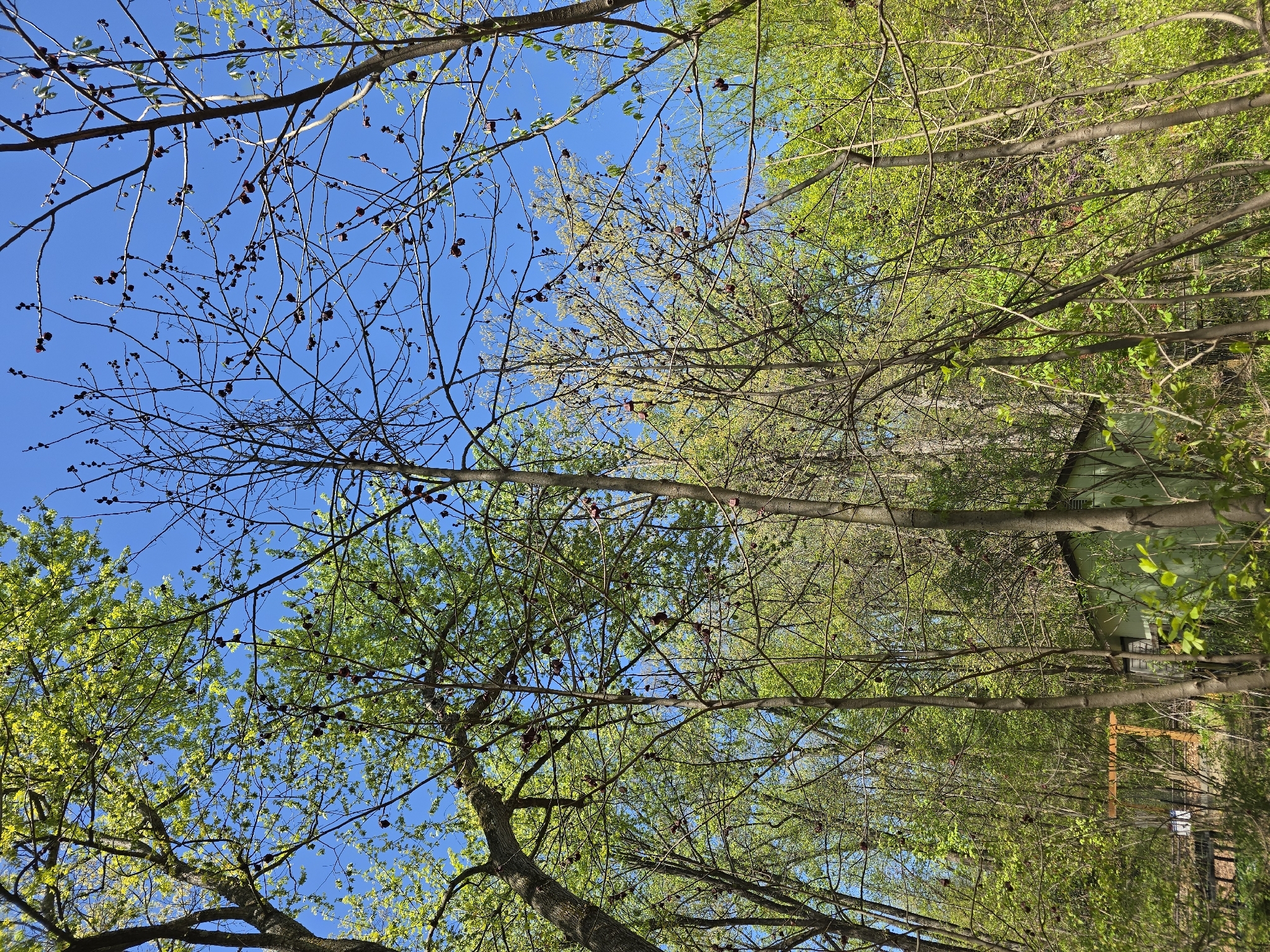
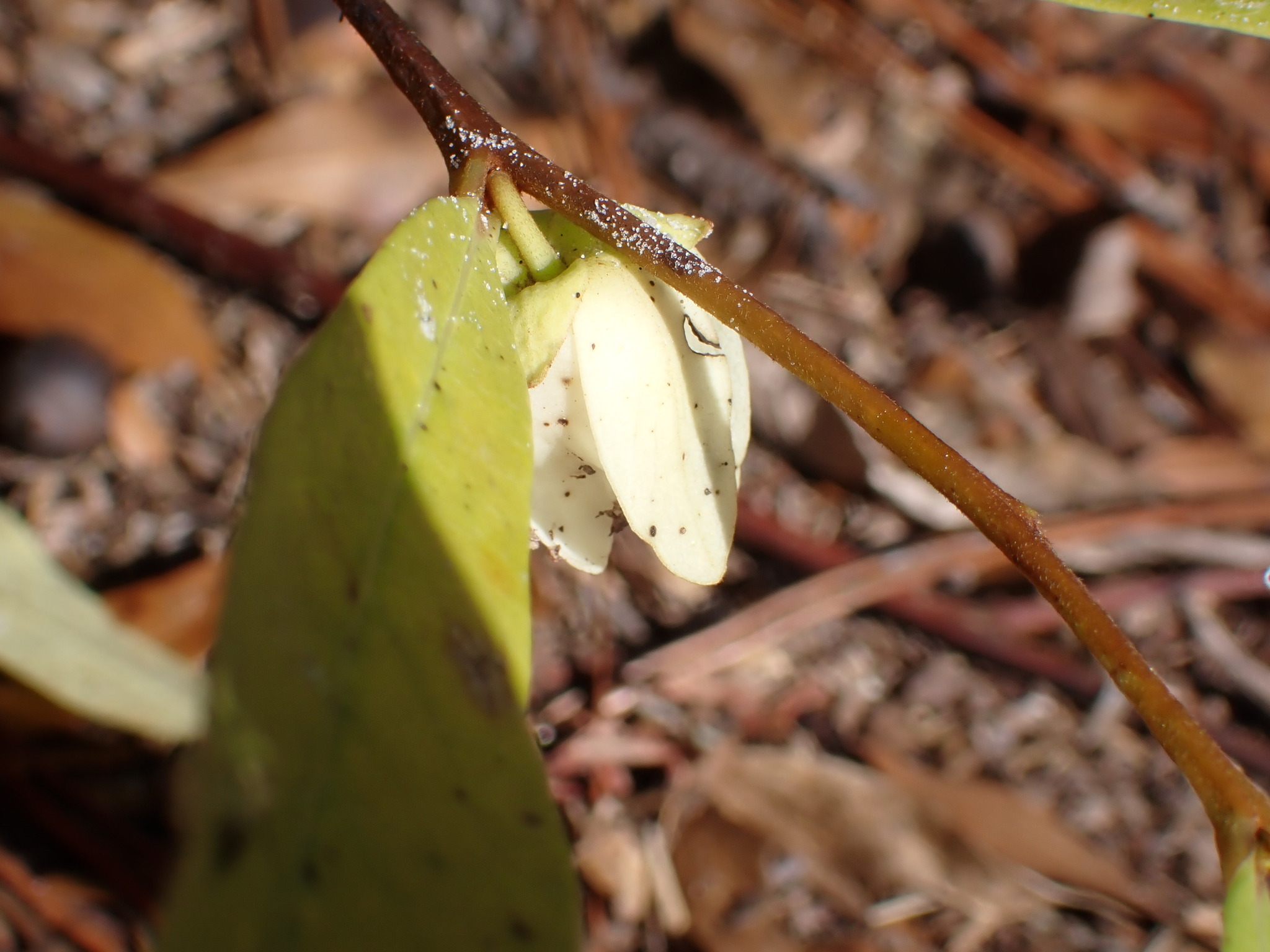
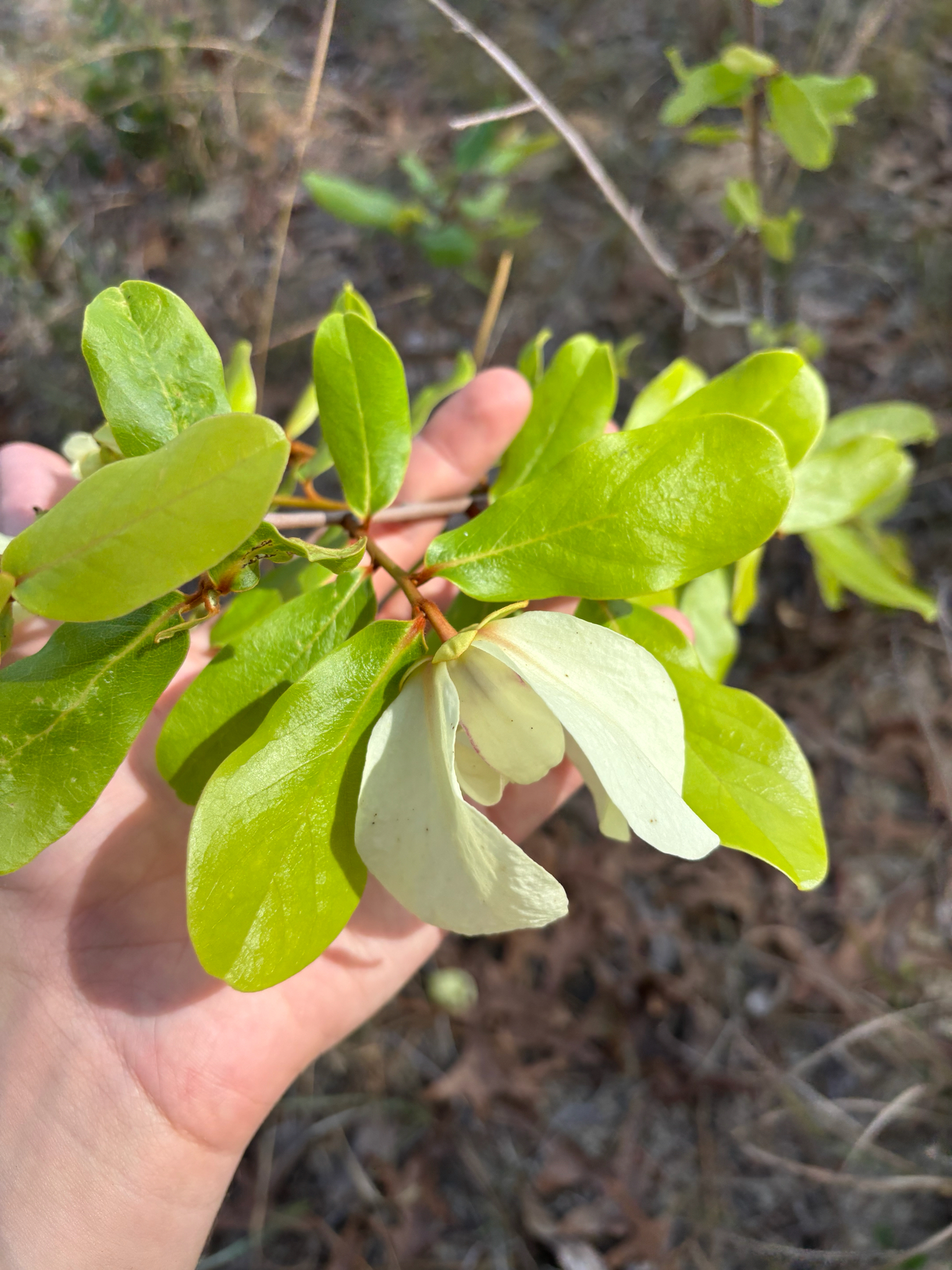
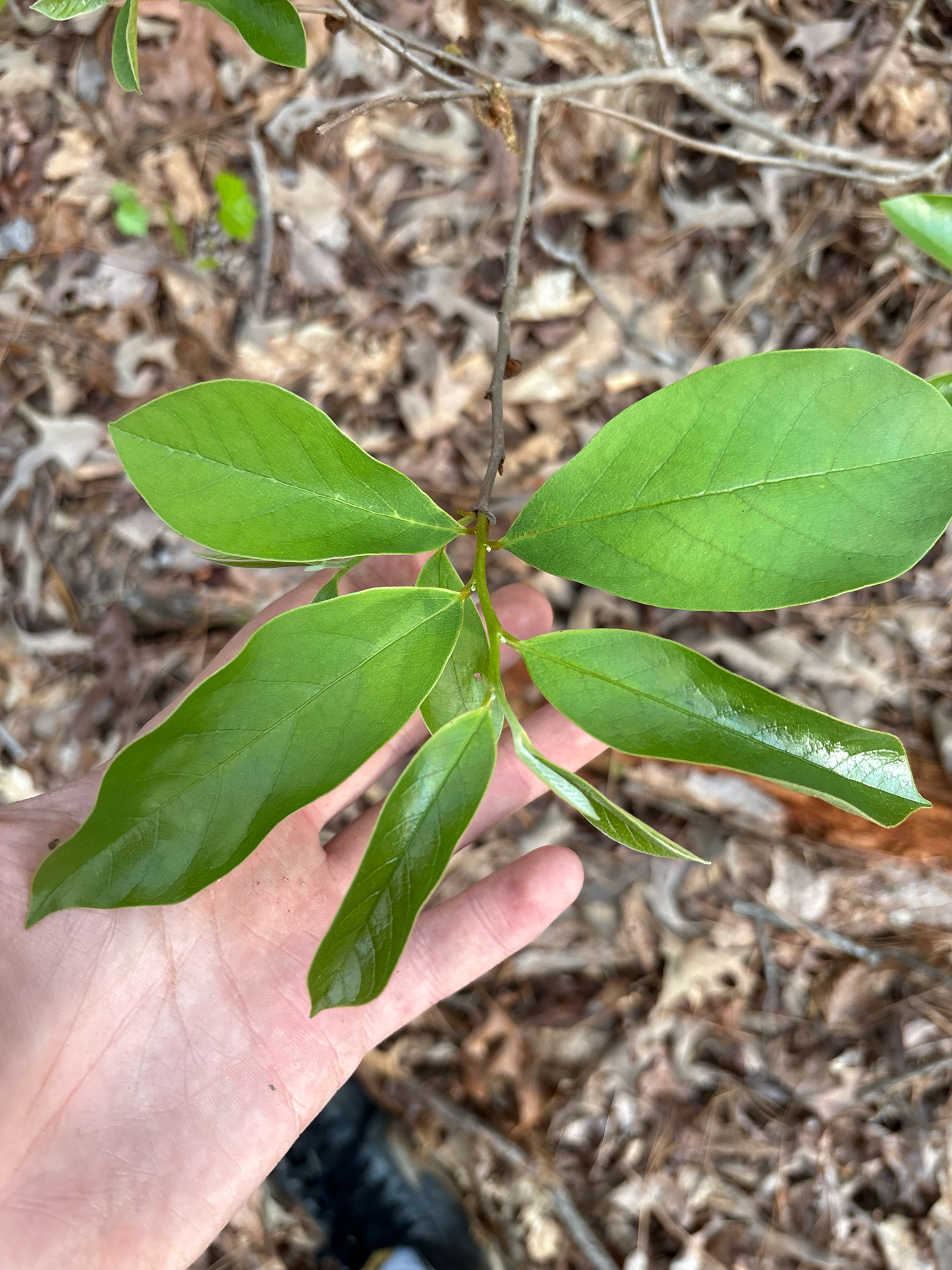
Photos of Dwarf Pawpaw (Asimina pygmaea)
Common names and botanical synonyms
Botanical classification
| Rank | Name |
|---|---|
| Kingdom | Plantae |
| Division | Tracheophyta |
| Class | Magnoliopsida |
| Order | Magnoliales |
| Family | Annonaceae |
| Genus | Asimina |
| Species | Asimina pygmaea |
Similar in genus Asimina
Answers based on plant encyclopedia data