Water
Allow the soil to dry out completely between waterings. Overwatering is detrimental and can lead to root rot. Water thoroughly when you do, ensuring excess water drains away freely.
Reduce watering significantly during cooler, dormant periods.
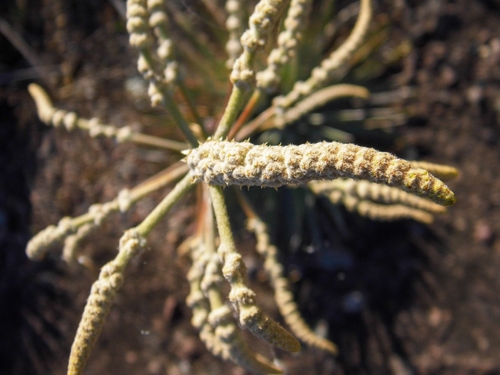
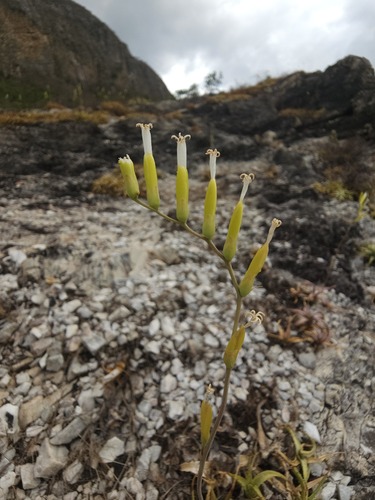
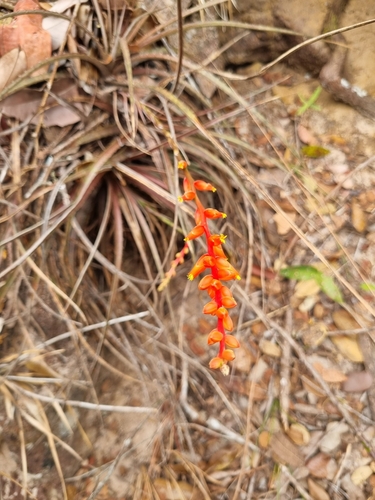
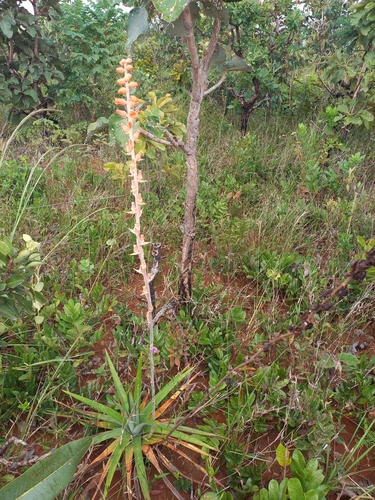
Dyckia altoana is a terrestrial bromeliad known for its striking, rigid, spiny leaves forming a rosette. Native to Brazil, it prefers well-drained soil and bright light.
At-a-glance light, water, soil, and growing conditions from plant data
Full sun to partial shade
75% intensity
Prefers bright, direct sunlight for best color and compact growth. Can tolerate some shade.
Allow soil to dry out between waterings
25% intensity
Thorough watering when dry, ensure excellent drainage. Reduce in winter.
Well-draining, sandy, gritty
50% intensity
Average to warm
50% intensity
Prefers temperatures between 18-27°C. Can tolerate brief dips but protect from frost.
Low
25% intensity
Feed sparingly during the growing season with diluted balanced fertilizer. Avoid fertilizing in winter.
Safety information from plant toxicity data
| Attribute | Value |
|---|---|
| Toxic for humans | No 0/5 intensity |
| Toxic for pets | No 0/5 intensity |
| Edible | No |
Non-toxic
Key traits and growing stats from plant data
Watering, pruning, propagation, and repotting details from plant data
Allow the soil to dry out completely between waterings. Overwatering is detrimental and can lead to root rot. Water thoroughly when you do, ensuring excess water drains away freely.
Reduce watering significantly during cooler, dormant periods.
Pruning is generally not required for Dyckia altoana beyond removing dead or dried leaves. If the plant produces excessively long or damaged leaves, they can be carefully trimmed with clean shears.
This helps maintain a tidy appearance and prevents disease.
Dyckia altoana is primarily propagated by offsets (pups) that form at the base of the parent plant. Gently separate the pups with a sharp knife once they have developed a good root system.
Allow the cut surface to callus over before potting in well-draining soil.
Repot every 2-3 years or when the plant outgrows its current container. Use a gritty, well-draining potting mix, such as a cactus or succulent blend.
Choose a pot with drainage holes to prevent waterlogged soil, which can cause root rot.
Identify plants like this with ePlant AI
Snap a photo to get care tips and match similar species on the go.
Monthly activity intensity for bloom and fruit across both hemispheres.
Flowering & fruiting calendar
Flowering & fruiting calendar
Botanical classification
| Rank | Name |
|---|---|
| Kingdom | Plantae |
| Division | Tracheophyta |
| Class | Liliopsida |
| Order | Poales |
| Family | Bromeliaceae |
| Genus | Dyckia |
| Species | Dyckia altoana |
Similar in genus Dyckia
Answers based on plant encyclopedia data