Water
Water regularly, especially during establishment and dry periods, allowing the soil to dry slightly between waterings. Avoid waterlogged conditions, which can lead to root rot. Reduce watering in cooler months.
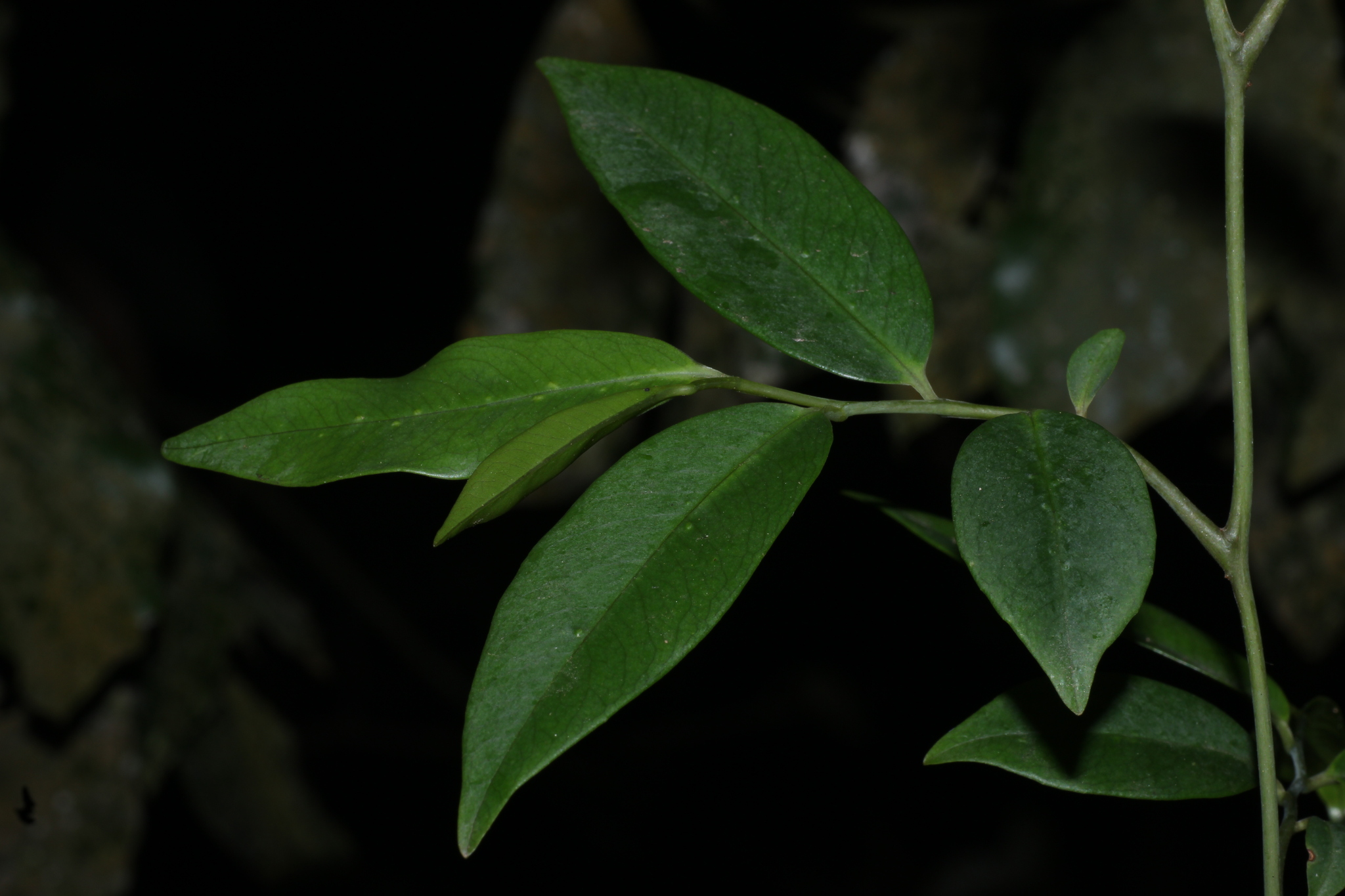
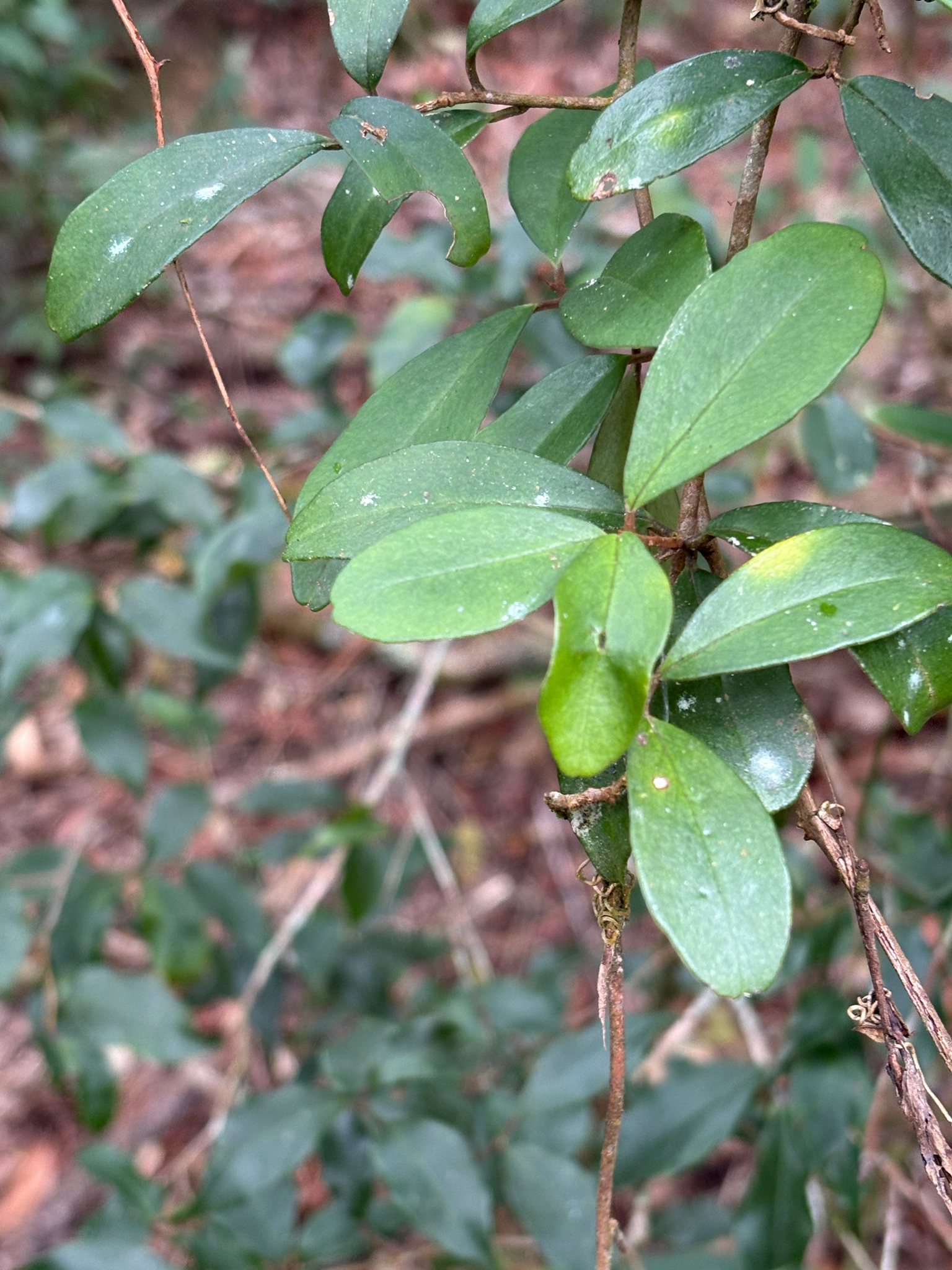
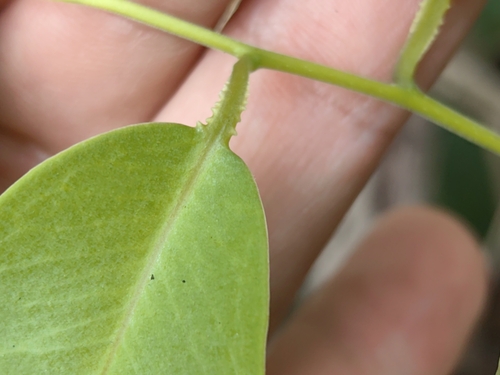
Embelia gerardii is a species of flowering plant in the family Primulaceae. It is native to the Indian subcontinent.
At-a-glance light, water, soil, and growing conditions from plant data
Full Sun to Partial Shade
50% intensity
Prefers bright, indirect light. Can tolerate some direct sun.
Moderate
50% intensity
Allow soil to dry slightly between waterings.
Well-drained
50% intensity
Moderate
50% intensity
Prefers temperatures between 18-24°C. Avoid frost.
Low
25% intensity
Fertilize sparingly during the growing season.
Key traits and growing stats from plant data
Watering, pruning, propagation, and repotting details from plant data
Water regularly, especially during establishment and dry periods, allowing the soil to dry slightly between waterings. Avoid waterlogged conditions, which can lead to root rot. Reduce watering in cooler months.
Prune lightly to maintain shape and remove any dead, damaged, or crossing branches. This can be done after flowering to encourage more blooms. Avoid heavy pruning, as it can stress the plant.
Propagation is typically done by semi-hardwood cuttings taken in late summer or early autumn. Use a rooting hormone and provide a well-draining potting mix. Maintain consistent moisture and warmth for successful rooting.
Repot young plants every 1-2 years in spring, or when root-bound. Mature plants can be repotted less frequently, every 3-4 years. Use a well-draining, peat-based potting mix.
Identify plants like this with ePlant AI
Snap a photo to get care tips and match similar species on the go.
Monthly activity intensity for bloom and fruit across both hemispheres.
Flowering & fruiting calendar
Flowering & fruiting calendar
Botanical classification
| Rank | Name |
|---|---|
| Family | Primulaceae |
| Genus | Embelia |
| Species | Embelia gerardii |
Similar in genus Embelia
Answers based on plant encyclopedia data