Water
Water sparingly, allowing soil to dry out between waterings. Overwatering is the most common cause of cycad rot. Reduce watering significantly during cooler months to mimic natural dormancy.
Ensure excellent drainage to prevent root issues.
Safety note: This plant may be toxic to humans and pets. See toxicity details.
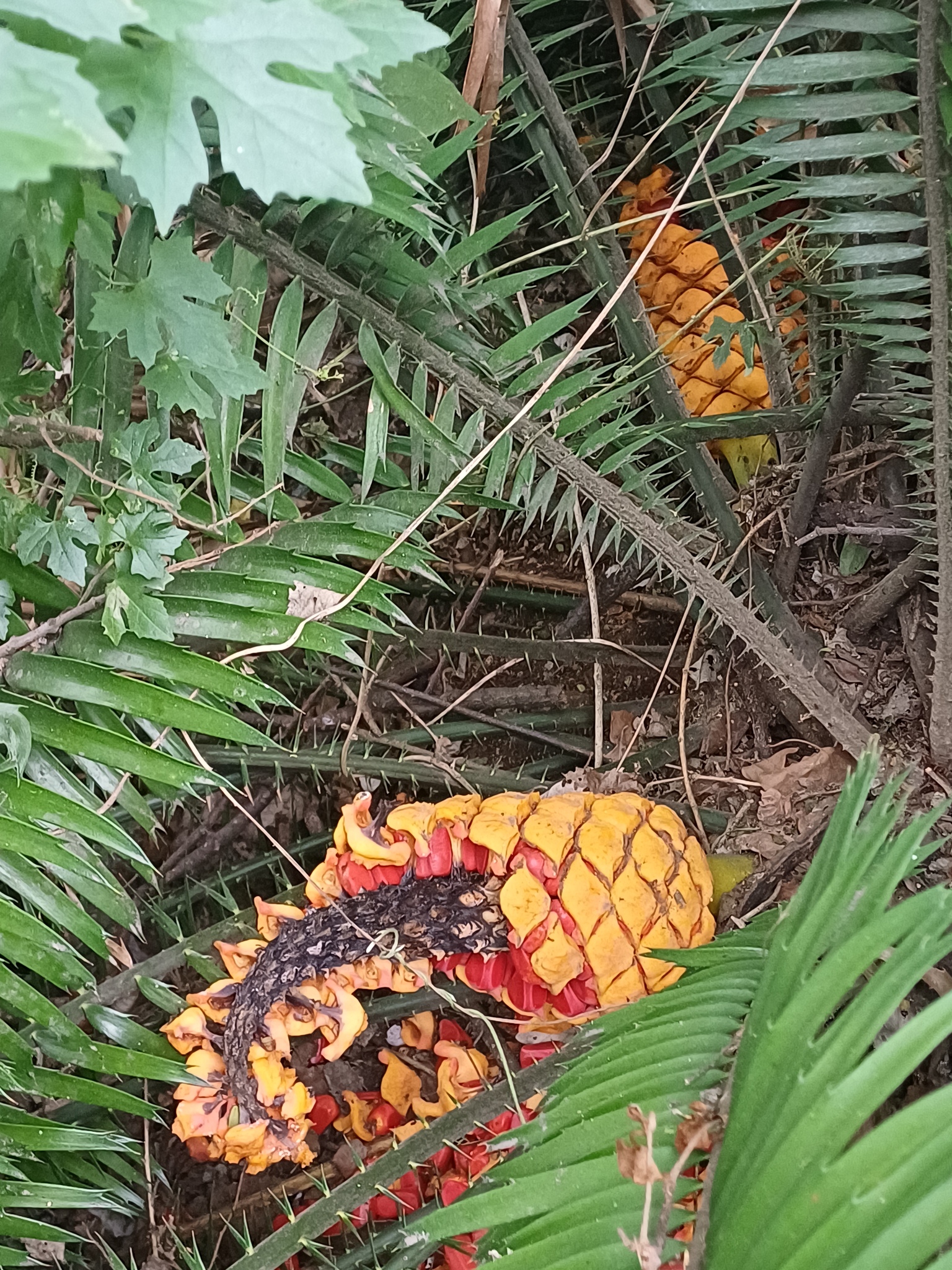
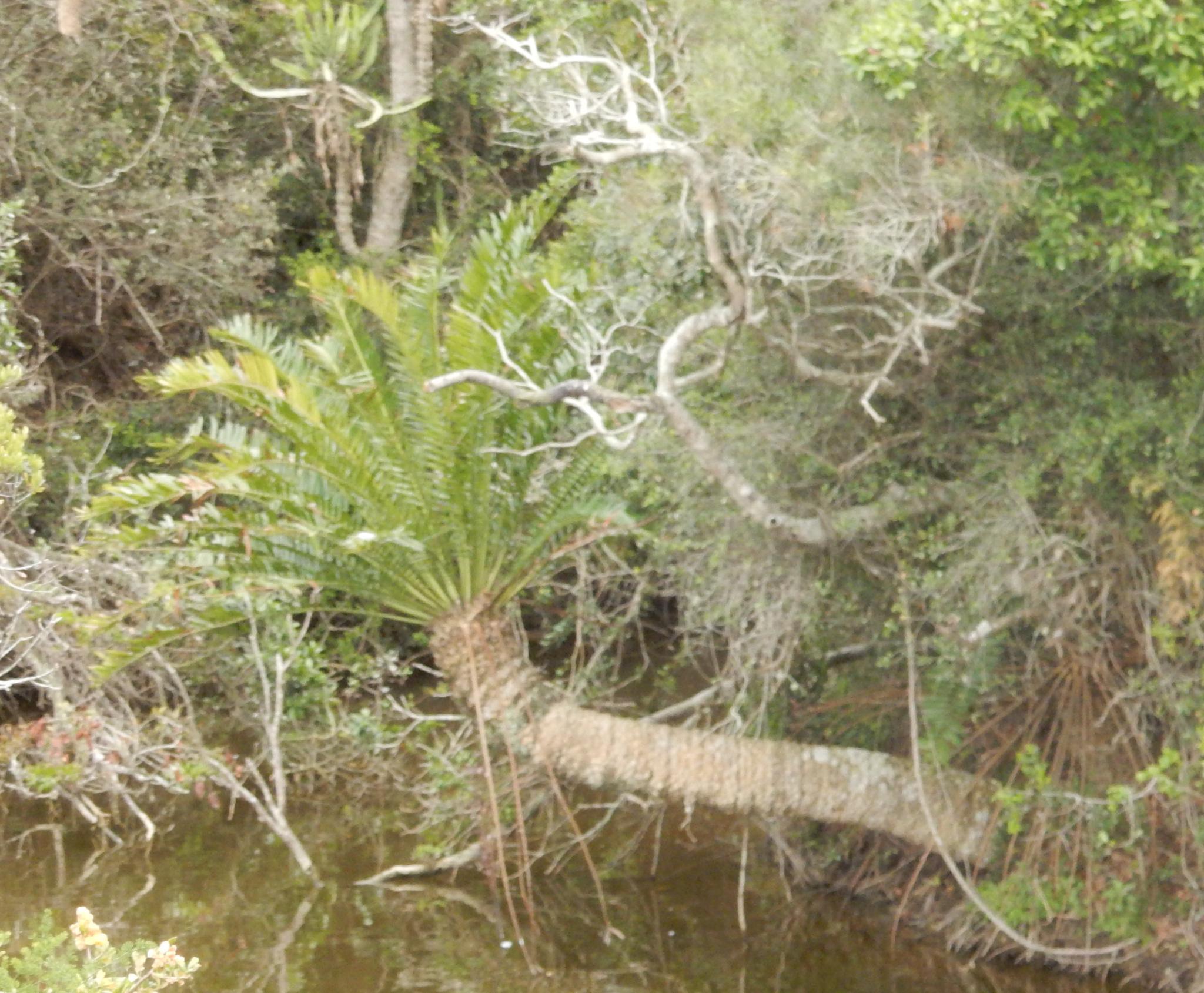
Escarpment cycad (Encephalartos brevifoliolatus) is a rare, slow-growing cycad with a stout trunk and dark green, stiff leaves. Native to South Africa, it's an endangered
At-a-glance light, water, soil, and growing conditions from plant data
Full Sun
100% intensity
Prefers bright, direct sunlight for optimal growth and health.
Infrequent
25% intensity
Allow soil to dry out completely between waterings. Avoid waterlogging.
Well-draining, sandy loam
50% intensity
Warm
75% intensity
Thrives in warm to hot conditions. Protect from frost and prolonged cold.
Low
25% intensity
Feed sparingly during the growing season with a specialized cycad/palm fertilizer.
Safety information from plant toxicity data
| Attribute | Value |
|---|---|
| Toxic for humans | Yes 5/5 intensity |
| Toxic for pets | Yes 5/5 intensity |
| Edible | No |
All parts are toxic
Key traits and growing stats from plant data
Watering, pruning, propagation, and repotting details from plant data
Water sparingly, allowing soil to dry out between waterings. Overwatering is the most common cause of cycad rot. Reduce watering significantly during cooler months to mimic natural dormancy.
Ensure excellent drainage to prevent root issues.
Prune only to remove dead, damaged, or diseased fronds. Cut fronds flush with the trunk. Avoid removing green, healthy fronds as they are essential for photosynthesis and the plant's overall health and energy storage.
Propagation is primarily by seed, which can be slow and challenging. Seeds require specific conditions and stratification.
Offsets (pups) that form at the base of mature plants can also be carefully separated and planted, though this is less common.
Repot only when absolutely necessary, typically every 3-5 years, or when the plant becomes root-bound. Use a well-draining, gritty potting mix.
Handle the root ball gently to avoid damage, as cycads are sensitive to root disturbance.
Identify plants like this with ePlant AI
Snap a photo to get care tips and match similar species on the go.
Monthly activity intensity for bloom and fruit across both hemispheres.
Flowering & fruiting calendar
Flowering & fruiting calendar
Photos of Escarpment Cycad (Encephalartos brevifoliolatus)
Common names and botanical synonyms
Botanical classification
| Rank | Name |
|---|---|
| Kingdom | Plantae |
| Division | Tracheophyta |
| Class | Cycadopsida |
| Order | Cycadales |
| Family | Zamiaceae |
| Genus | Encephalartos |
| Species | Encephalartos brevifoliolatus |
Similar in genus Encephalartos
Answers based on plant encyclopedia data