Water
Keep the soil consistently moist but not waterlogged. Water deeply at the base of the plant, especially during dry periods and fruiting. Avoid overhead watering to reduce disease risk.
Mulching helps retain soil moisture and suppress weeds.
Also known as American Red Raspberry · Common Red Raspberry · European Raspberry
Rubus idaeus, the red raspberry, is a popular fruit-bearing shrub known for its delicious berries and ornamental value, thriving in temperate climates.
At-a-glance light, water, soil, and growing conditions from plant data
Full Sun
100% intensity
Prefers at least 6-8 hours of direct sunlight daily for best fruit production.
Consistent Moisture
75% intensity
Maintain evenly moist soil, especially during fruiting. Avoid waterlogging.
Well-drained, fertile, slightly acidic
50% intensity
Moderate
75% intensity
Thrives in temperate climates; prefers cold winters for proper dormancy and warm summers for fruiting.
Moderate
50% intensity
Fertilize in spring and after fruiting with balanced or composted organic matter.
Safety information from plant toxicity data
| Attribute | Value |
|---|---|
| Toxic for humans | No 0/5 intensity |
| Toxic for pets | No 0/5 intensity |
| Edible | Yes |
None
Key traits and growing stats from plant data
Watering, pruning, propagation, and repotting details from plant data
Keep the soil consistently moist but not waterlogged. Water deeply at the base of the plant, especially during dry periods and fruiting. Avoid overhead watering to reduce disease risk.
Mulching helps retain soil moisture and suppress weeds.
Prune annually to maintain plant health and productivity. Remove old, unproductive canes (floricanes) after fruiting. In late winter, thin out weak or damaged primocanes, leaving 6-8 healthy ones per linear meter.
Shorten the tips of the remaining primocanes to encourage branching.
Red raspberries are easily propagated by root cuttings or suckers. In late winter, dig up pieces of root or actively growing suckers (new shoots from the base) and replant them in well-prepared soil.
These new plants will establish quickly.
Raspberries are perennial shrubs and are generally not repotted. They are best grown directly in the ground.
If starting from young plants in containers, transplant them to their permanent location when they are dormant or just beginning to show new growth in spring.
Identify plants like this with ePlant AI
Snap a photo to get care tips and match similar species on the go.
Monthly activity intensity for bloom and fruit across both hemispheres.
Flowering & fruiting calendar
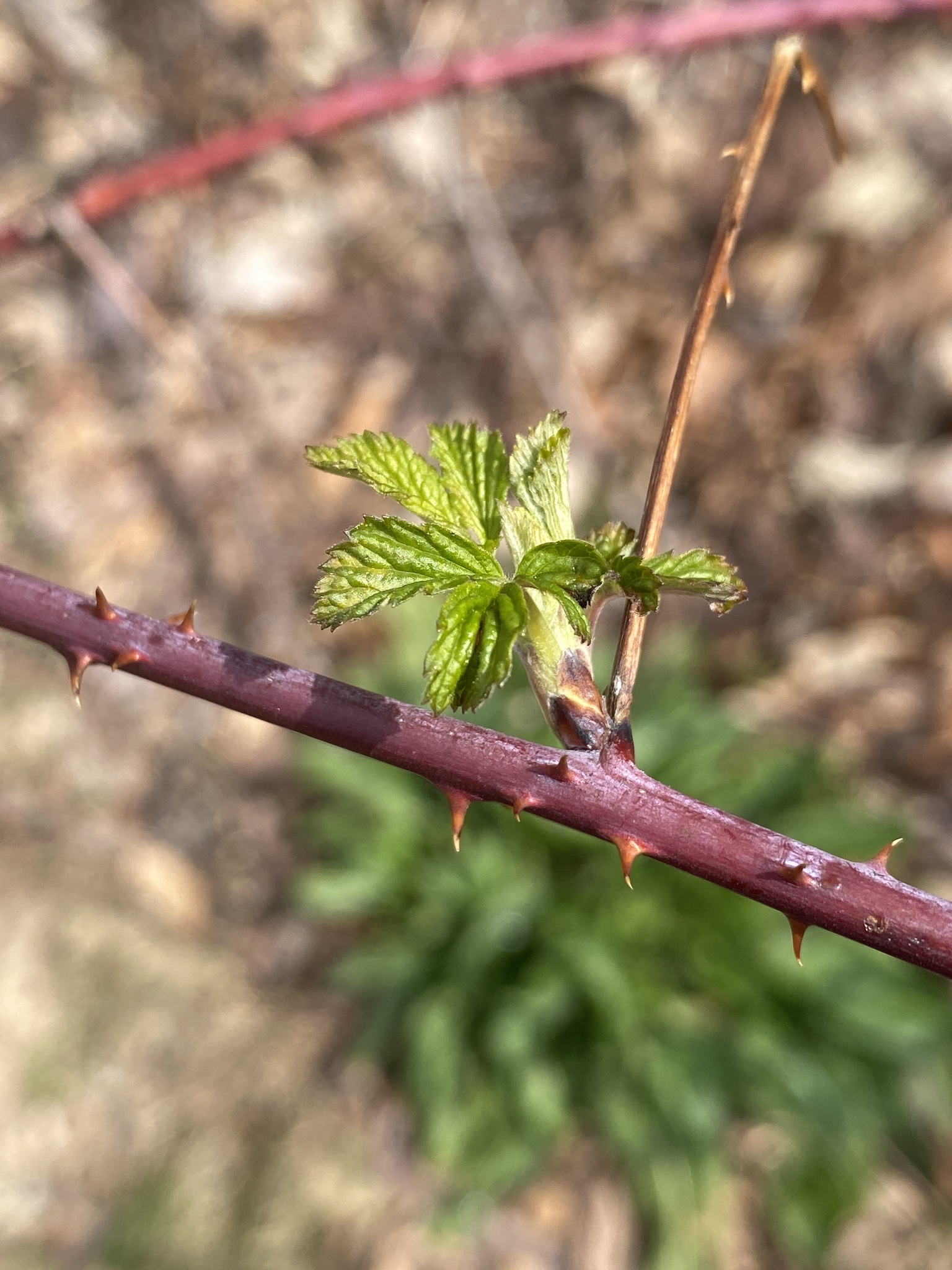
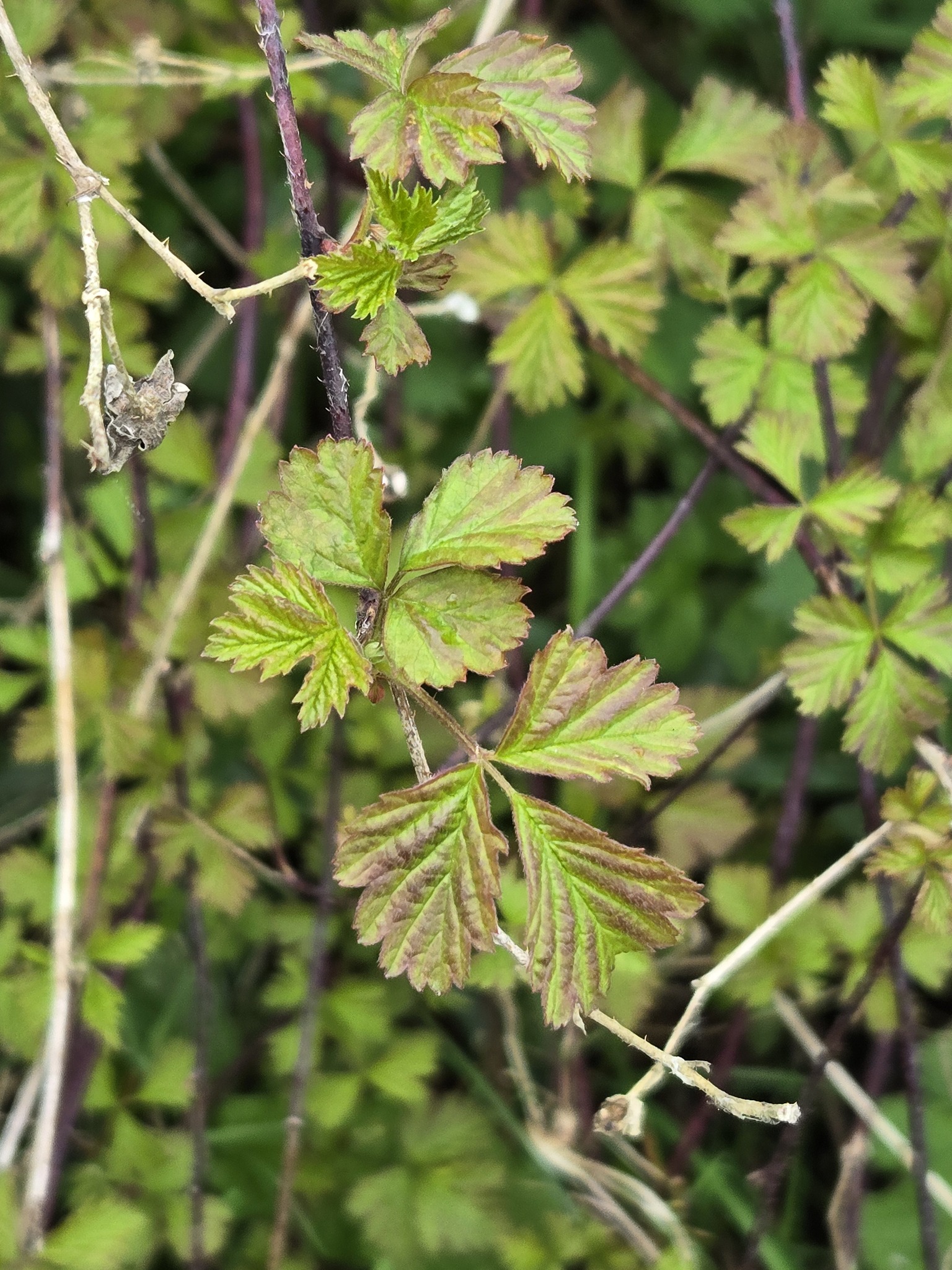
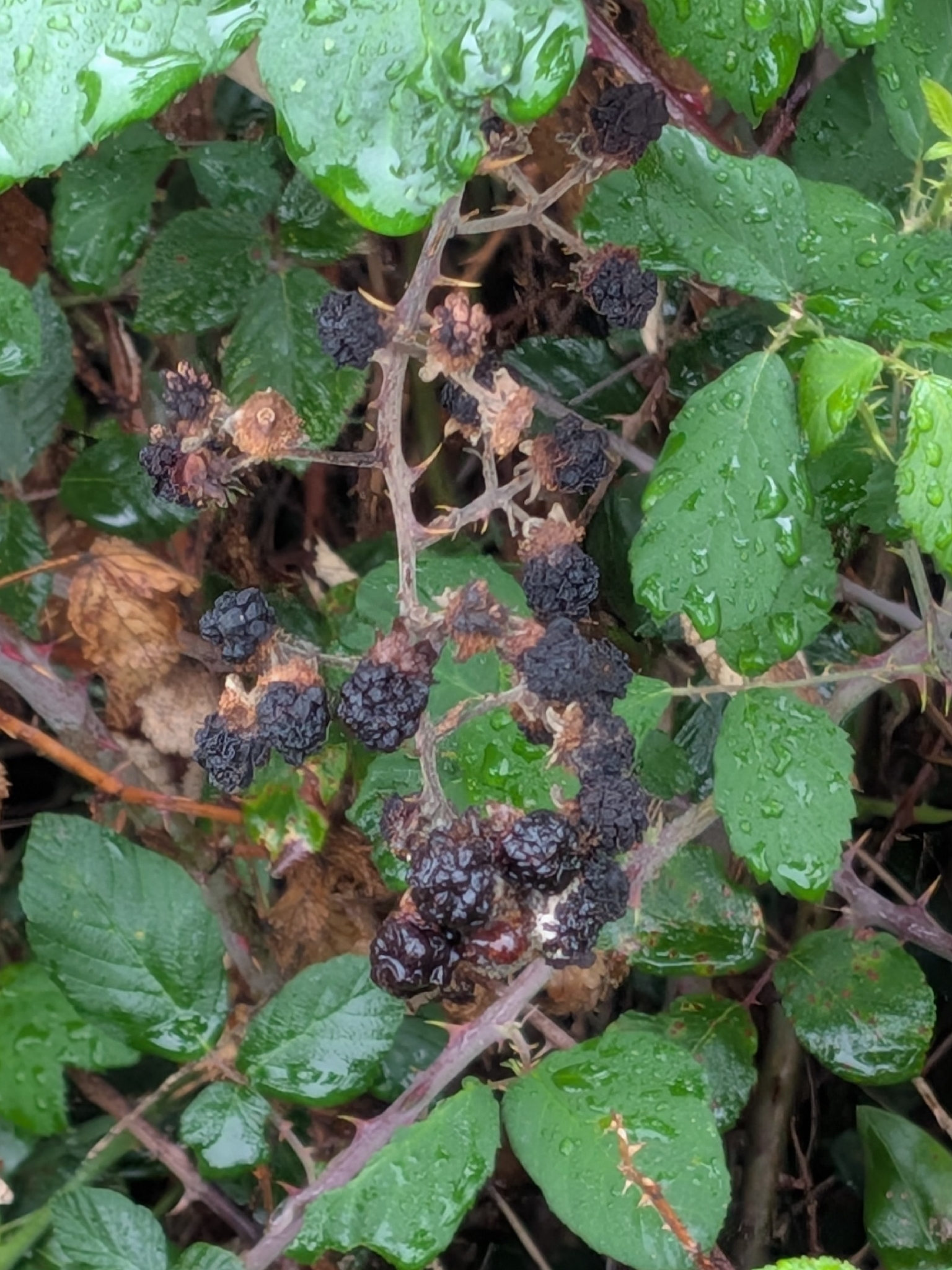
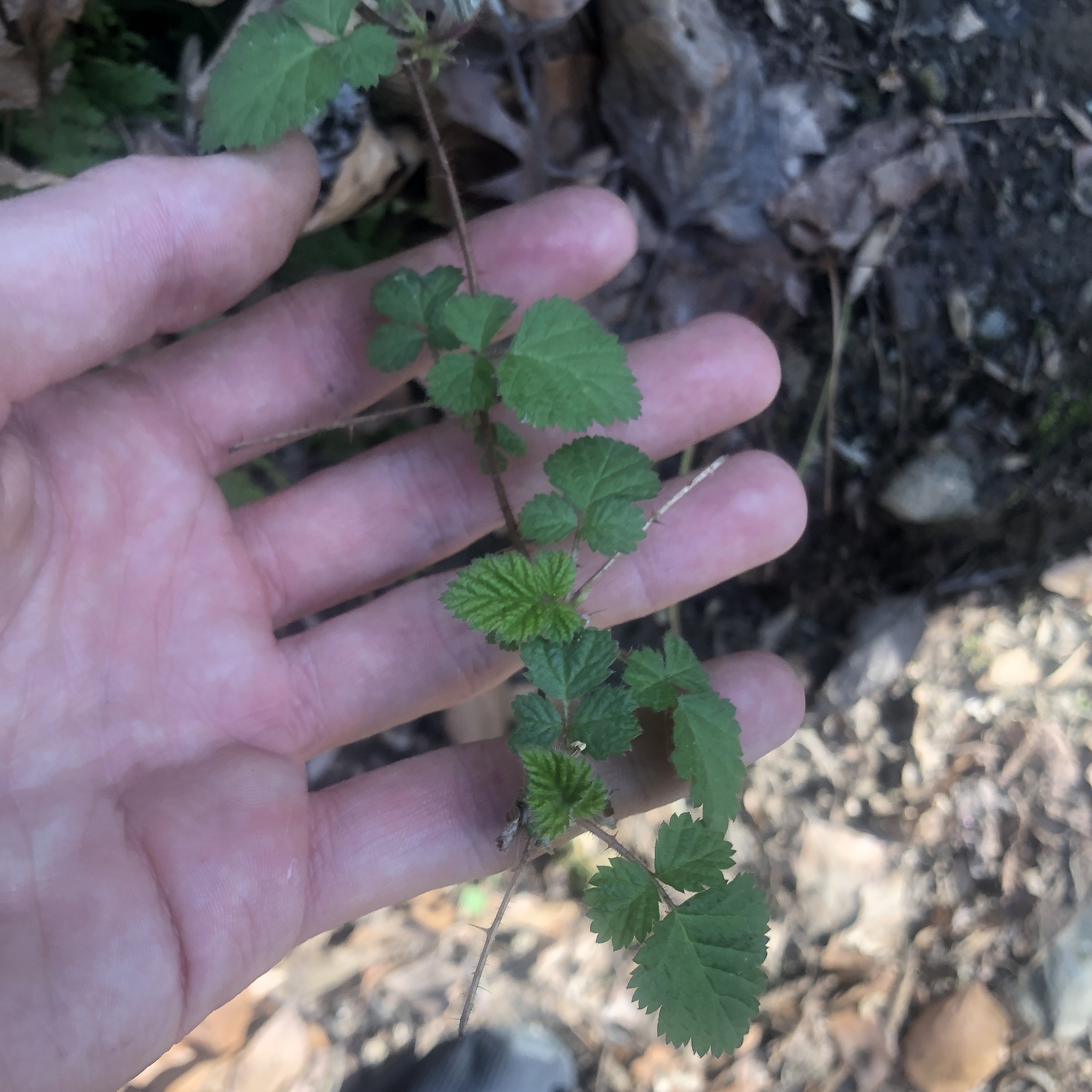
Photos of Red Raspberry (Rubus idaeus)
Where Red Raspberry (Rubus idaeus) is found

Density
Tap map to explore
7 known issues from plant disease data
Orange Rust on Caneberries causes weak spindly shoots with pale distorted leaves and bright orange blister-like pustules beneath them.
Common names and botanical synonyms
Botanical classification
| Rank | Name |
|---|---|
| Kingdom | Plantae |
| Division | Tracheophyta |
| Class | Magnoliopsida |
| Order | Rosales |
| Family | Rosaceae |
| Genus | Rubus |
| Species | Rubus idaeus |
Similar in genus Rubus
Answers based on plant encyclopedia data