Water
Tulipa raddii prefers consistent moisture during its growing season. Water deeply when the top 2-3 cm of soil feels dry. Reduce watering significantly after flowering, allowing the soil to dry out to encourage dormancy.
Also known as Reboul Tulip · Red Reboul · Wild Reboul
Safety note: This plant may be toxic to humans and pets. See toxicity details.
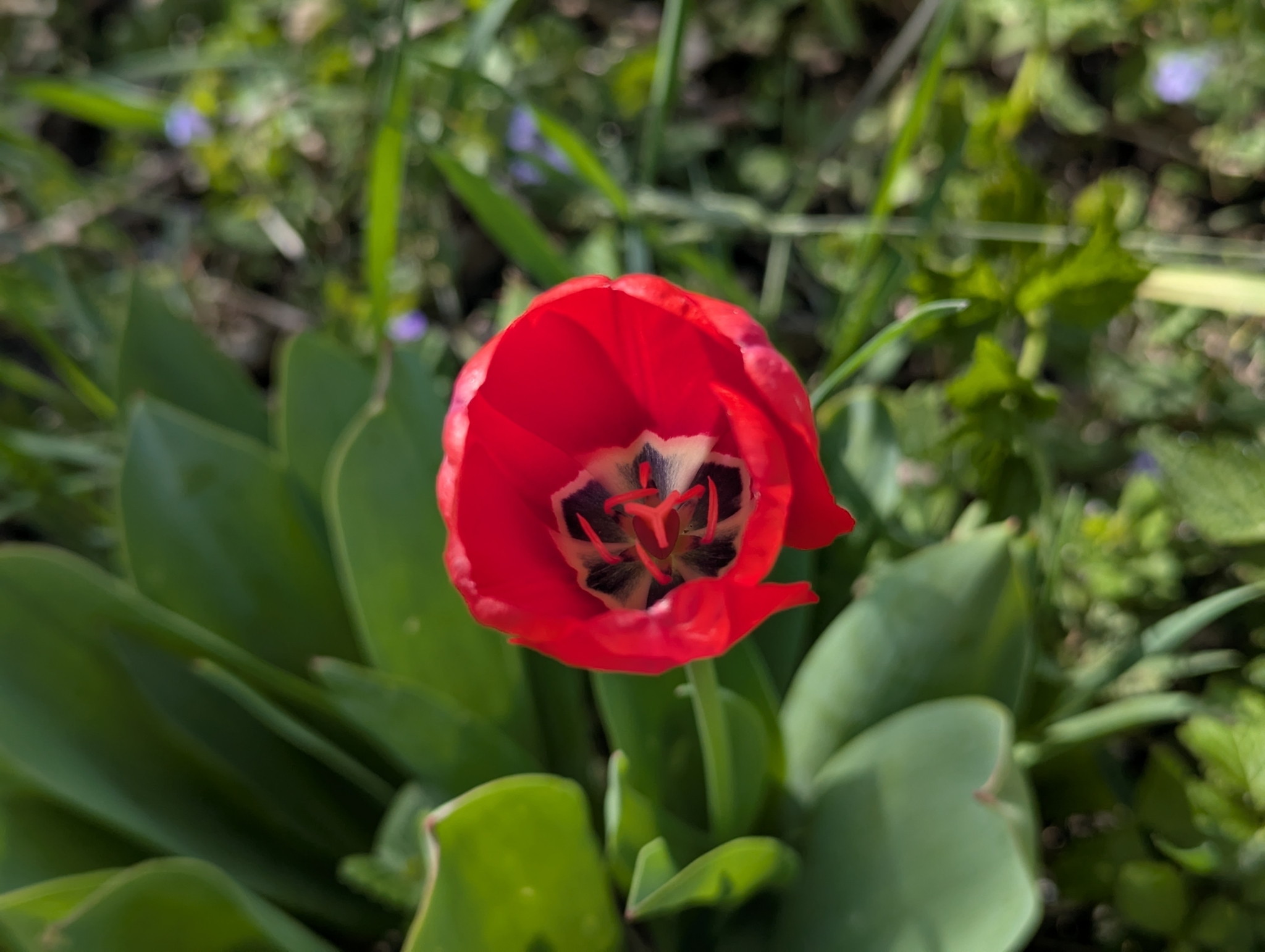
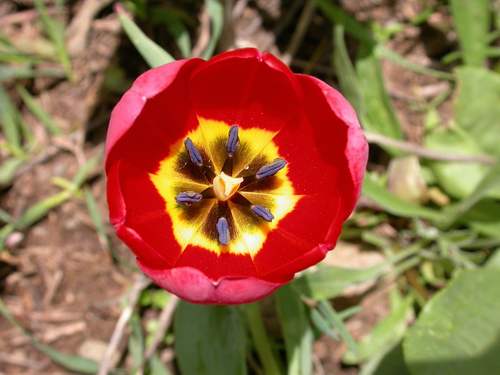
Eyed Tulip (Tulipa raddii) is a charming species tulip known for its distinctive dark blotch at the base of its petals, resembling an eye. It offers early spring color an
At-a-glance light, water, soil, and growing conditions from plant data
Full Sun
100% intensity
Requires at least 6 hours of direct sunlight daily for best flowering.
Moderate
50% intensity
Keep soil consistently moist during growth, allow to dry during dormancy.
Well-drained, sandy loam
50% intensity
Moderate
50% intensity
Prefers cool temperatures during growth, requires a cold period for dormancy.
Low
25% intensity
Fertilize at planting and when new growth appears; avoid over-fertilization.
Safety information from plant toxicity data
| Attribute | Value |
|---|---|
| Toxic for humans | Yes 3/5 intensity |
| Toxic for pets | Yes 5/5 intensity |
| Edible | No |
Bulbs are toxic; ingestion may cause nausea, vomiting, and diarrhea. Flowers and leaves are less toxic.
Key traits and growing stats from plant data
Watering, pruning, propagation, and repotting details from plant data
Tulipa raddii prefers consistent moisture during its growing season. Water deeply when the top 2-3 cm of soil feels dry. Reduce watering significantly after flowering, allowing the soil to dry out to encourage dormancy.
Deadheading spent flowers prevents seed formation and directs energy back into the bulb for the following year. Cut the flower stalk at the base once the bloom has faded.
Allow foliage to yellow and die back naturally before removing it.
Tulipa raddii primarily propagates through bulb offsets. Carefully separate these smaller bulbs from the parent bulb during the dormant season (late summer/early autumn).
Replant them at the appropriate depth to establish new plants.
Tulipa raddii, being a bulbous perennial, does not require frequent repotting. For container-grown plants, it's best to dig up and divide overcrowded bulbs every 3-4 years during their dormancy period.
Identify plants like this with ePlant AI
Snap a photo to get care tips and match similar species on the go.
Monthly activity intensity for bloom and fruit across both hemispheres.
Flowering & fruiting calendar
Flowering & fruiting calendar
Photos of Eyed Tulip (Tulipa raddii)
Where Eyed Tulip (Tulipa raddii) is found

Density
Tap map to explore
Common names and botanical synonyms
Botanical classification
| Rank | Name |
|---|---|
| Kingdom | Plantae |
| Division | Tracheophyta |
| Class | Liliopsida |
| Order | Liliales |
| Family | Liliaceae |
| Genus | Tulipa |
| Species | Tulipa raddii |
Similar in genus Tulipa
Answers based on plant encyclopedia data