Water
Water sparingly, allowing the soil to dry out completely between waterings. Overwatering is a common cause of root rot. In winter, reduce watering significantly, providing only enough to prevent extreme dehydration.
Also known as Bursting Cactus · Euphorbia · False Globose Spurge
Safety note: This plant may be toxic to humans and pets. See toxicity details.
Euphorbia pseudoglobosa is a succulent shrub native to South Africa, featuring branched stems and small, inconspicuous flowers.
At-a-glance light, water, soil, and growing conditions from plant data
Bright, indirect sunlight is ideal.
75% intensity
Can tolerate some direct sun, but may scorch.
Allow soil to dry completely between waterings.
25% intensity
Reduce significantly in winter.
Well-draining succulent or cactus mix
50% intensity
Average room temperatures are suitable.
50% intensity
Protect from frost; bring indoors if temperatures drop below 10°C.
Feed sparingly during the growing season.
25% intensity
Use a diluted balanced fertilizer once a month in spring/summer.
Safety information from plant toxicity data
| Attribute | Value |
|---|---|
| Toxic for humans | Yes 4/5 intensity |
| Toxic for pets | Yes 4/5 intensity |
| Edible | No |
All parts of the plant contain a milky white sap that is irritating and toxic if ingested. Contact with skin or eyes can cause irritation.
Key traits and growing stats from plant data
Watering, pruning, propagation, and repotting details from plant data
Water sparingly, allowing the soil to dry out completely between waterings. Overwatering is a common cause of root rot. In winter, reduce watering significantly, providing only enough to prevent extreme dehydration.
Prune in spring to maintain shape and remove any dead or damaged stems. Use a sharp, clean knife or shears. Be cautious of the milky white sap, which can be irritating. Wear gloves and eye protection.
Propagate from stem cuttings. Allow cuttings to callus over for a few days before planting in well-draining soil. Keep slightly moist and warm until roots develop. This is best done in spring or early summer.
Repot every 2-3 years or when the plant outgrows its container, typically in spring. Use a well-draining cactus or succulent mix. Choose a pot only slightly larger than the current one, ensuring good drainage holes.
Identify plants like this with ePlant AI
Snap a photo to get care tips and match similar species on the go.
Monthly activity intensity for bloom and fruit across both hemispheres.
Flowering & fruiting calendar
Flowering & fruiting calendar
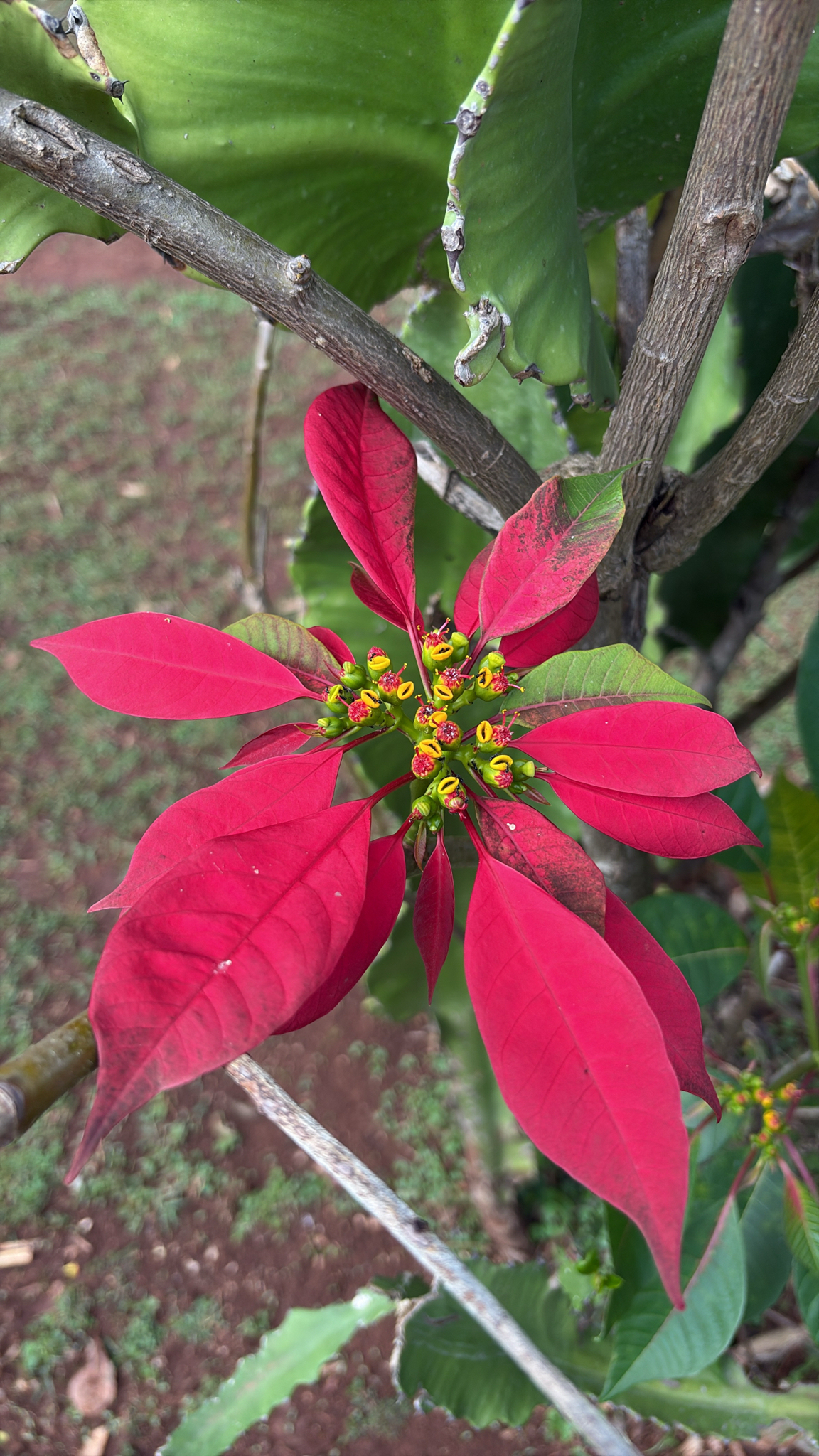
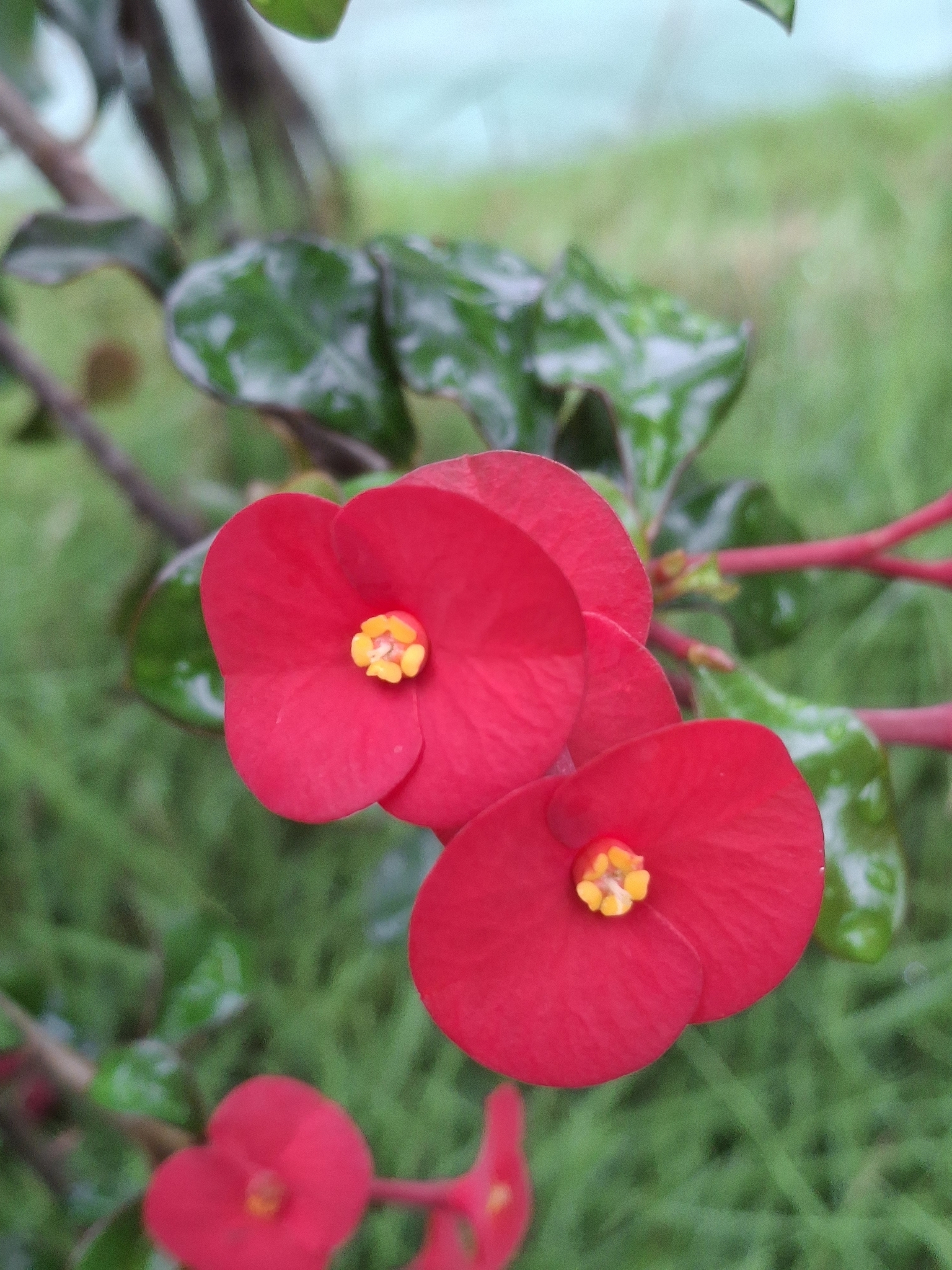
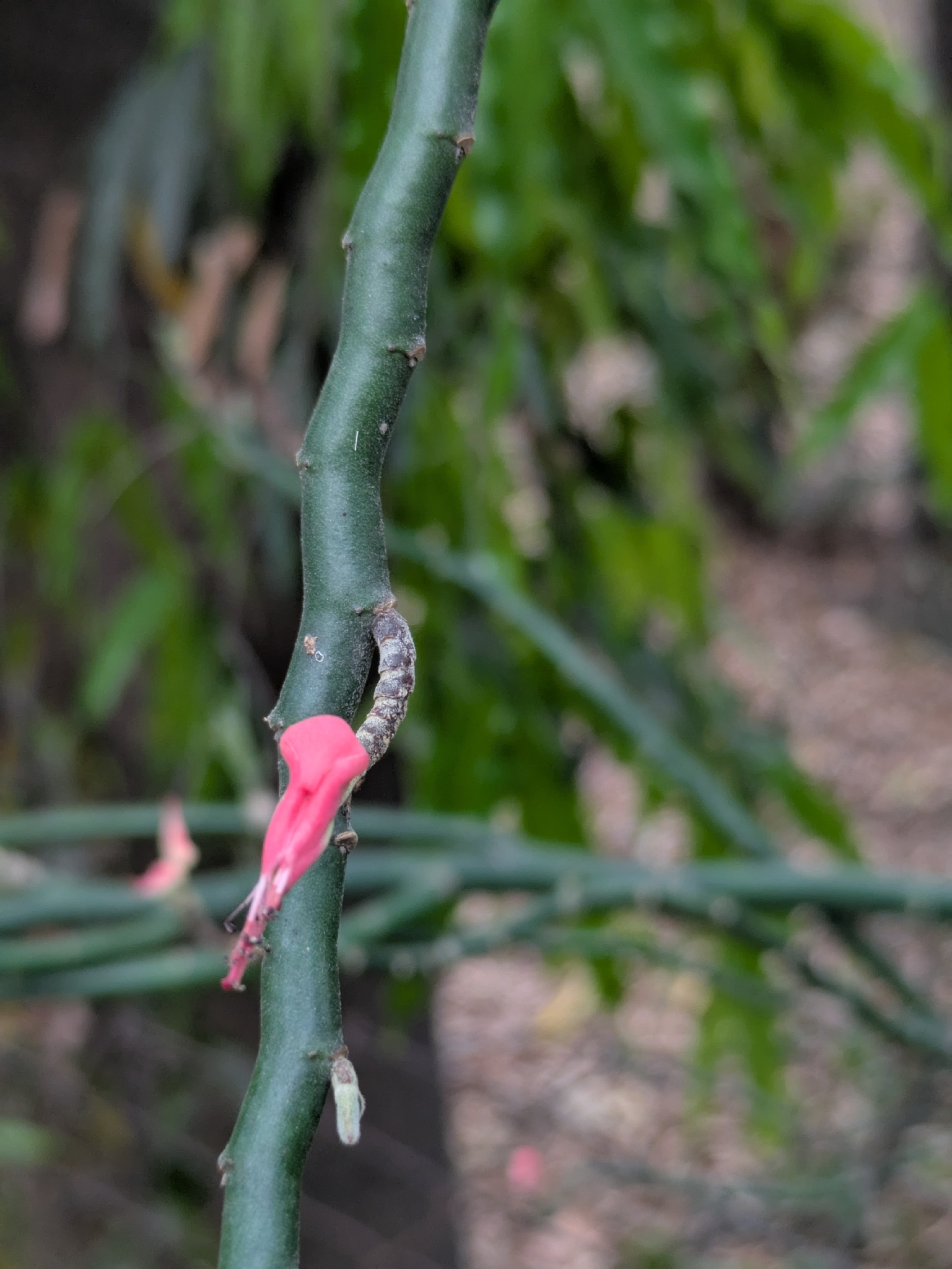
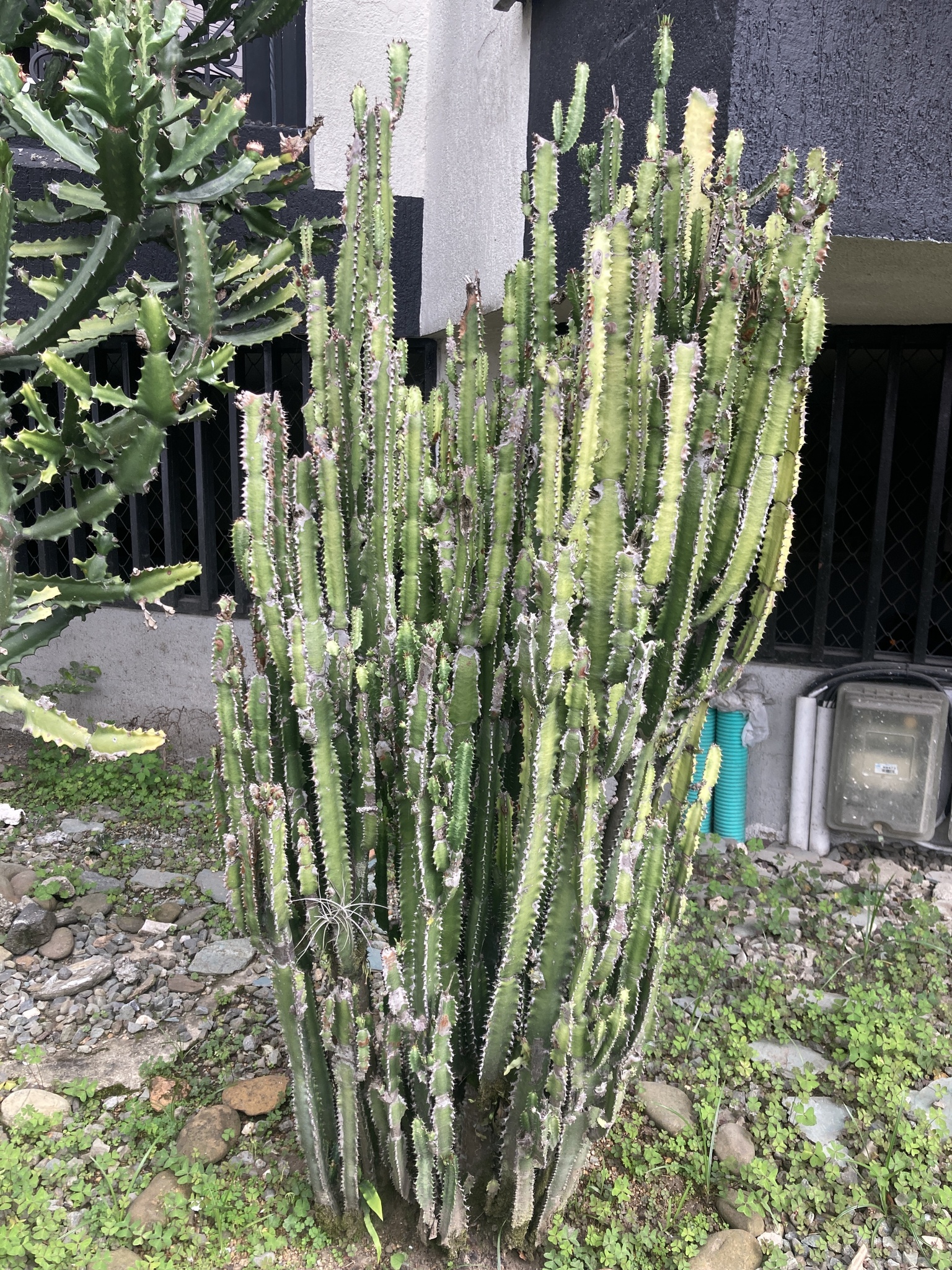
Photos of Euphorbia Pseudoglobosa (Euphorbia pseudoglobosa)
Where Euphorbia Pseudoglobosa (Euphorbia pseudoglobosa) is found

Density
Tap map to explore
Common names and botanical synonyms
Botanical classification
| Rank | Name |
|---|---|
| Kingdom | Plantae |
| Division | Tracheophyta |
| Class | Magnoliopsida |
| Order | Malpighiales |
| Family | Euphorbiaceae |
| Genus | Euphorbia |
| Species | Euphorbia pseudoglobosa |
Similar in genus Euphorbia
Answers based on plant encyclopedia data