Water
Field mustard prefers consistent moisture. Water deeply when the top 2-3 cm of soil feels dry. Avoid waterlogged conditions, which can lead to root rot.
In hot weather, more frequent watering may be necessary to maintain soil hydration.
Also known as Bargeman's Cabbage · Bird's Rape · Birdsrape Mustard
Field mustard (Brassica rapa) is a cool-season annual herb. It is cultivated for its leaves, seeds, and as a cover crop.
At-a-glance light, water, soil, and growing conditions from plant data
Full Sun to Partial Shade
75% intensity
Prefers at least 6 hours of direct sunlight daily for best growth and flowering.
Consistent Moisture
50% intensity
Water when the top soil is dry, avoid waterlogging.
Well-drained
50% intensity
Cool to Moderate
50% intensity
Thrives in temperatures between 15-24°C. Can tolerate light frosts.
Light to Moderate
25% intensity
Fertilize monthly during the growing season with a balanced liquid feed if soil is poor.
Safety information from plant toxicity data
| Attribute | Value |
|---|---|
| Toxic for humans | No 0/5 intensity |
| Toxic for pets | No 0/5 intensity |
| Edible | Yes |
Non-toxic
Key traits and growing stats from plant data
Watering, pruning, propagation, and repotting details from plant data
Field mustard prefers consistent moisture. Water deeply when the top 2-3 cm of soil feels dry. Avoid waterlogged conditions, which can lead to root rot.
In hot weather, more frequent watering may be necessary to maintain soil hydration.
Pruning for field mustard is typically minimal. Remove any yellowing or diseased leaves as they appear to maintain plant health and appearance.
If the plant becomes leggy or overgrown, light pinching back can encourage bushier growth, but extensive pruning is usually unnecessary.
Field mustard is easily propagated by seeds. Sow seeds directly outdoors in spring or fall, or start them indoors a few weeks before the last frost.
Seeds germinate readily in well-draining soil with adequate moisture and light.
Repotting is not a common practice for field mustard, as it is often grown as an annual or biennial for its foliage or flowers and then harvested or allowed to go to seed. If grown in containers and a larger size is desired, repot in spring into a slightly larger pot with fresh potting mix.
Identify plants like this with ePlant AI
Snap a photo to get care tips and match similar species on the go.
Monthly activity intensity for bloom and fruit across both hemispheres.
Flowering & fruiting calendar
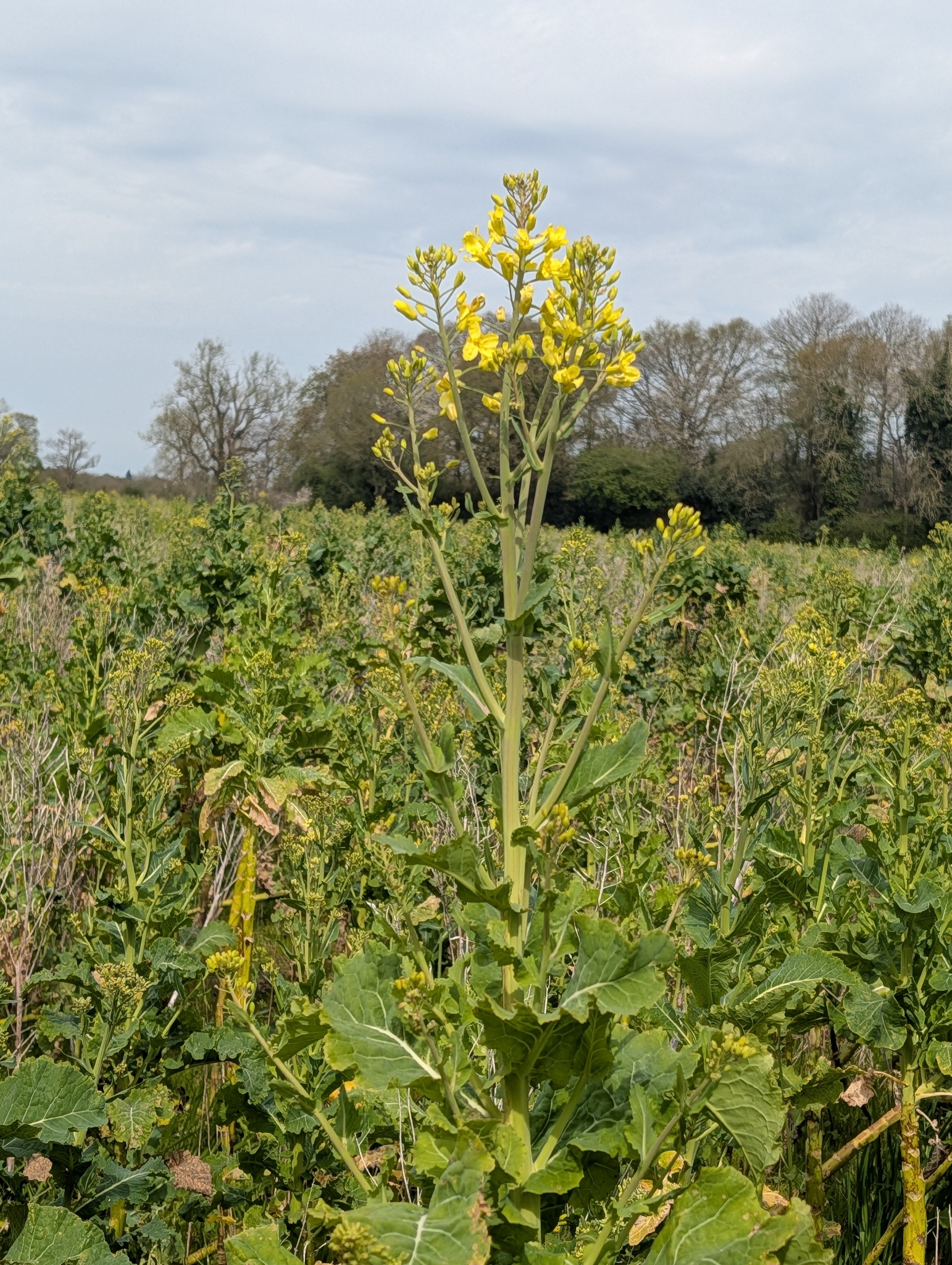
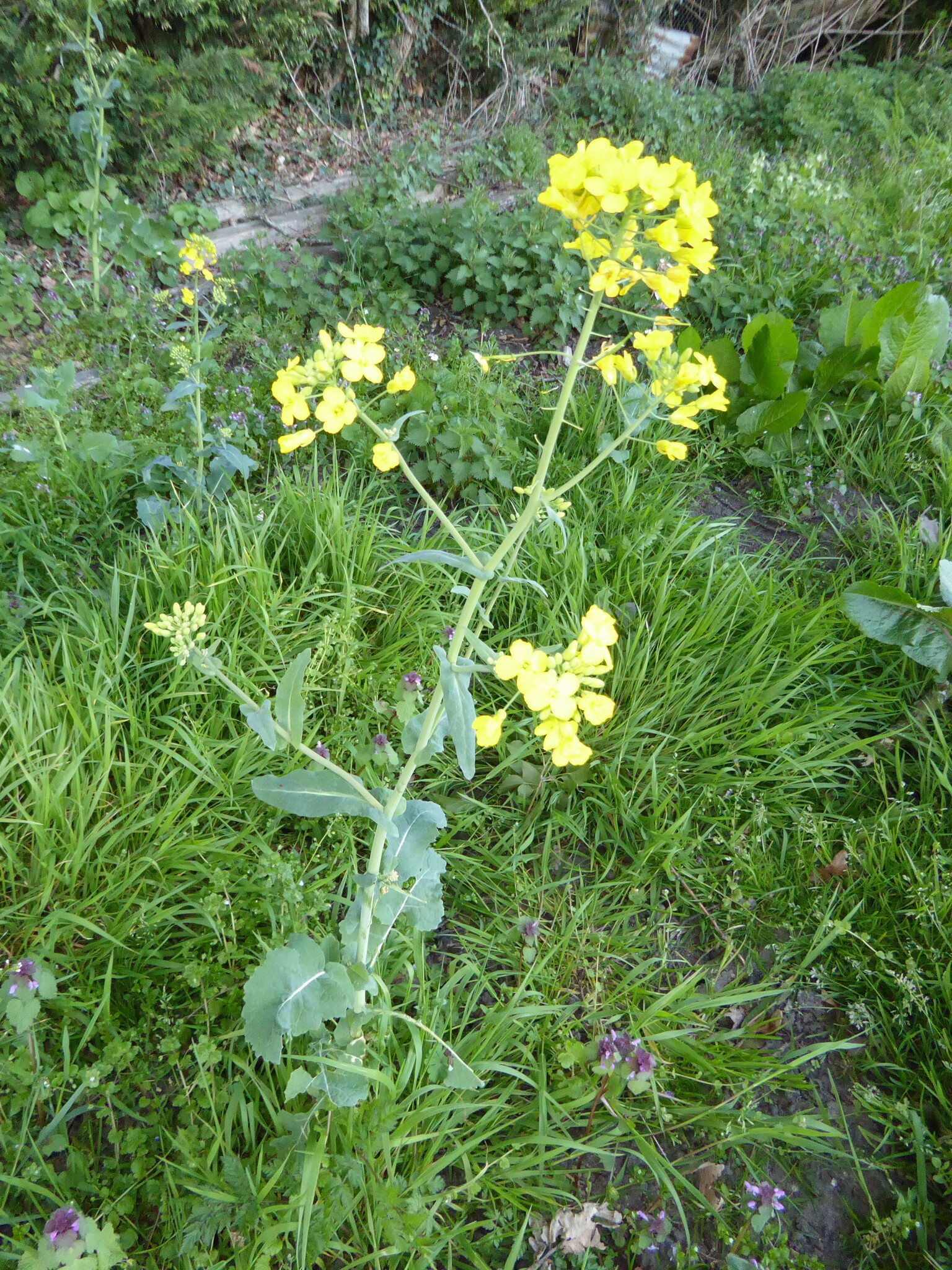
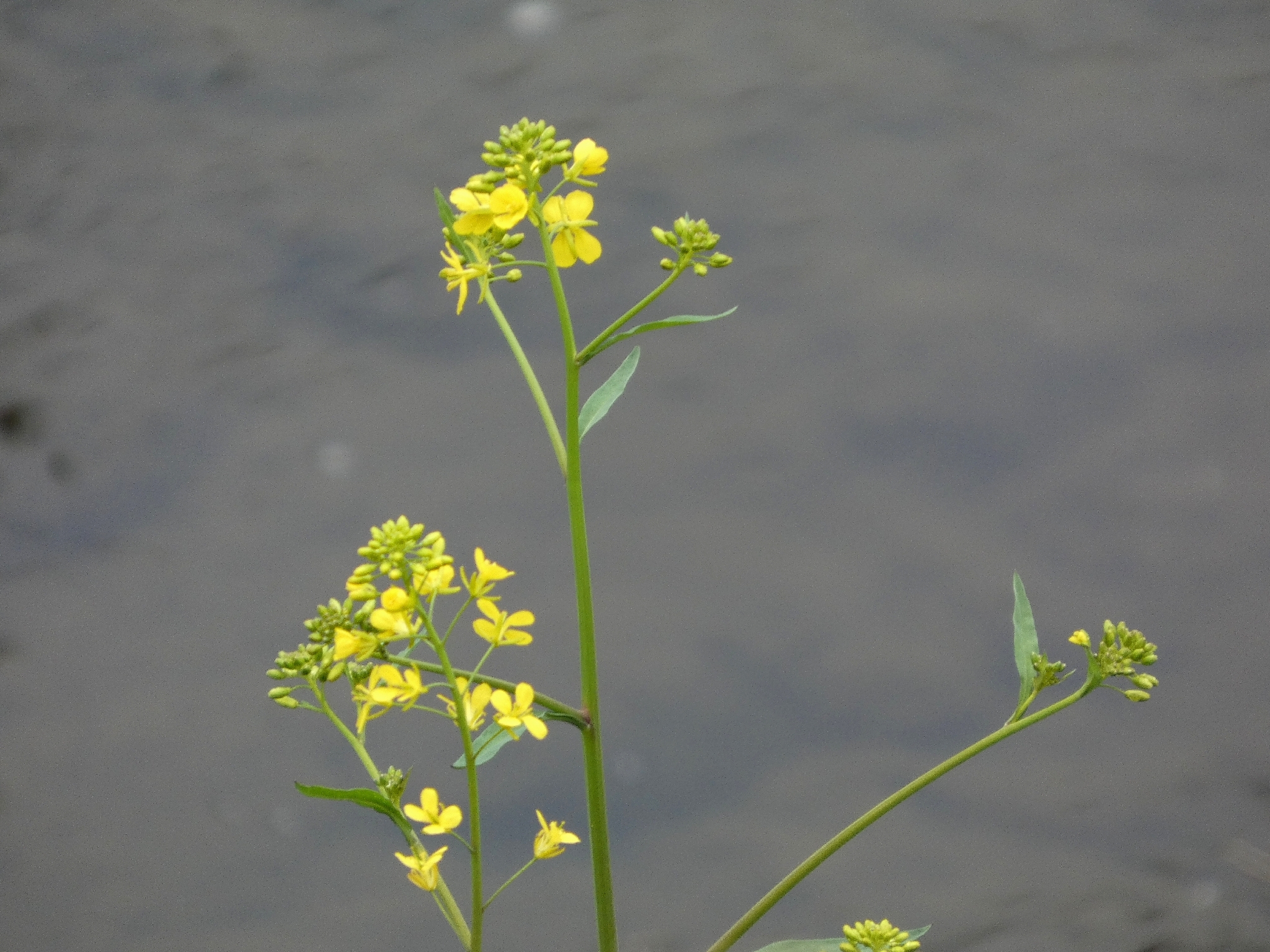
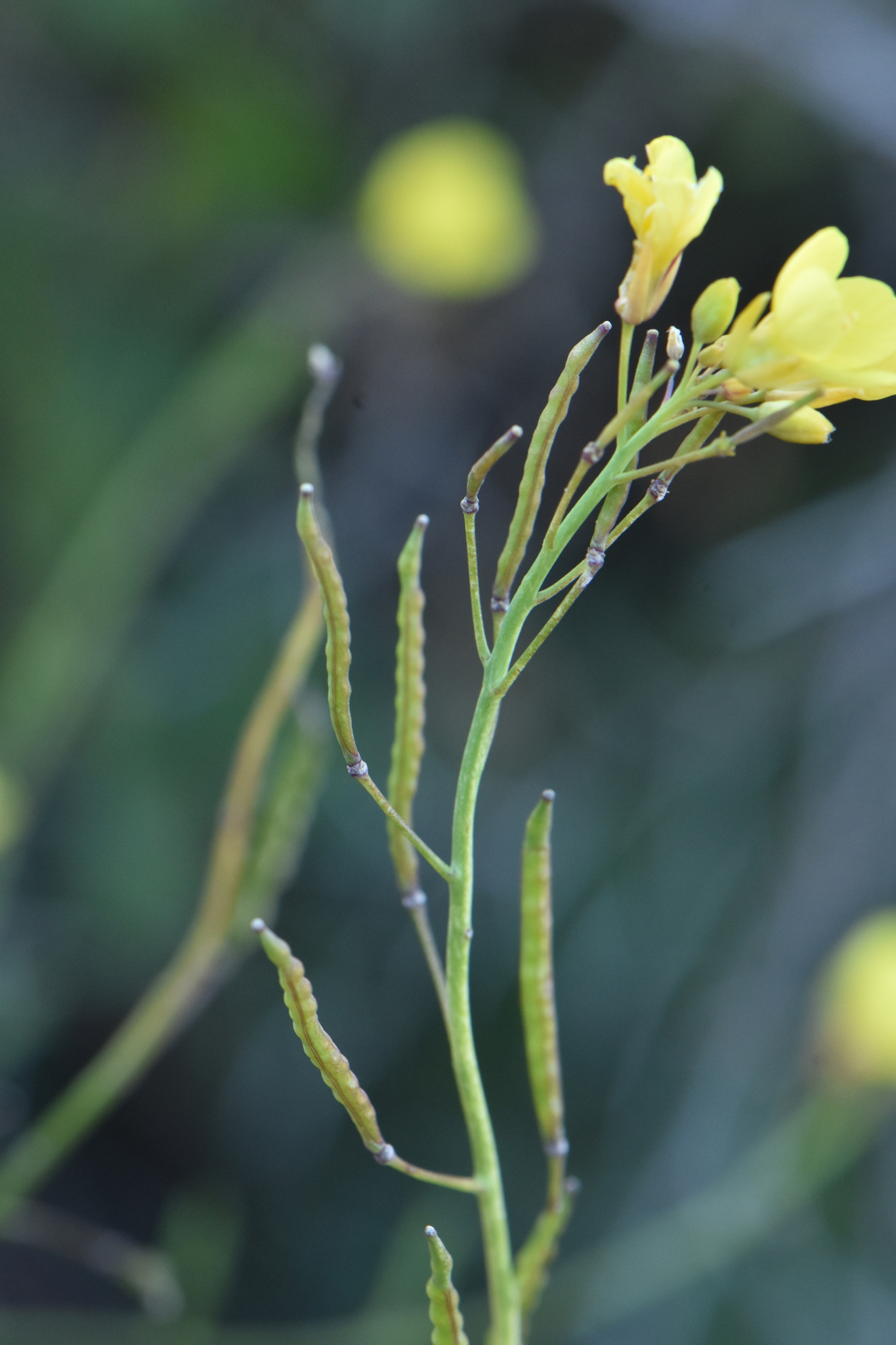
Photos of Field Mustard (Brassica rapa)
Common names and botanical synonyms
Botanical classification
| Rank | Name |
|---|---|
| Kingdom | Plantae |
| Division | Tracheophyta |
| Class | Magnoliopsida |
| Order | Brassicales |
| Family | Brassicaceae |
| Genus | Brassica |
| Species | Brassica rapa |
Similar in genus Brassica
Answers based on plant encyclopedia data