Skip to plant details

Sheep's SorrelRumex acetosella

Also known as Common Field Sorrel · Common Sheep Sorrel · Common Sorrel

  • Category: Vegetable
  • Type: Herb
  • Sunlight: Full Sun to Partial Shade
  • Water: Moderate
  • Temperature: Cool to Moderate

Safety note: This plant may be toxic to humans and pets. See toxicity details.

Sheep's sorrel (Rumex acetosella) is a perennial herb known for its sour taste and common presence in pastures and disturbed soils.

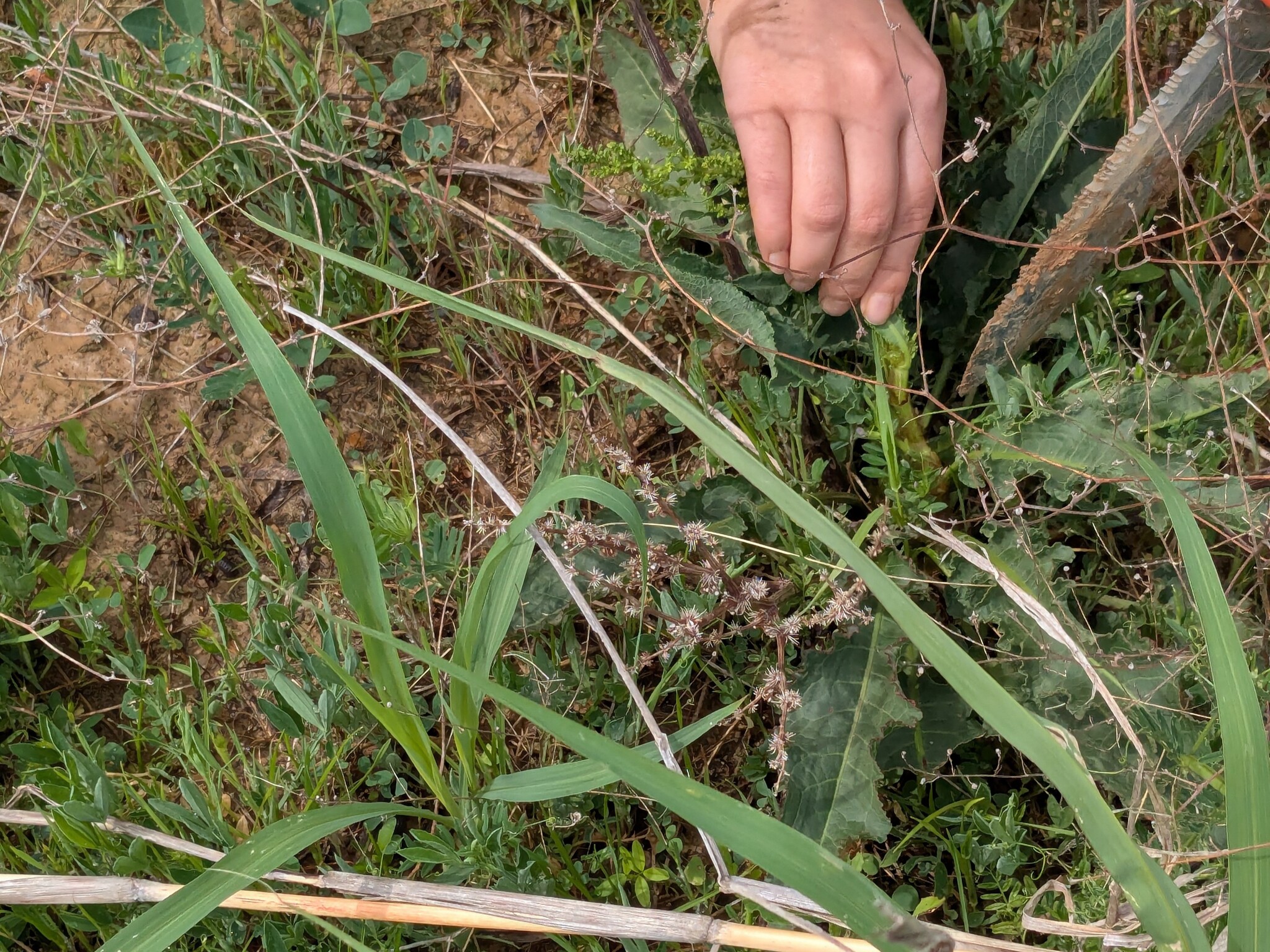
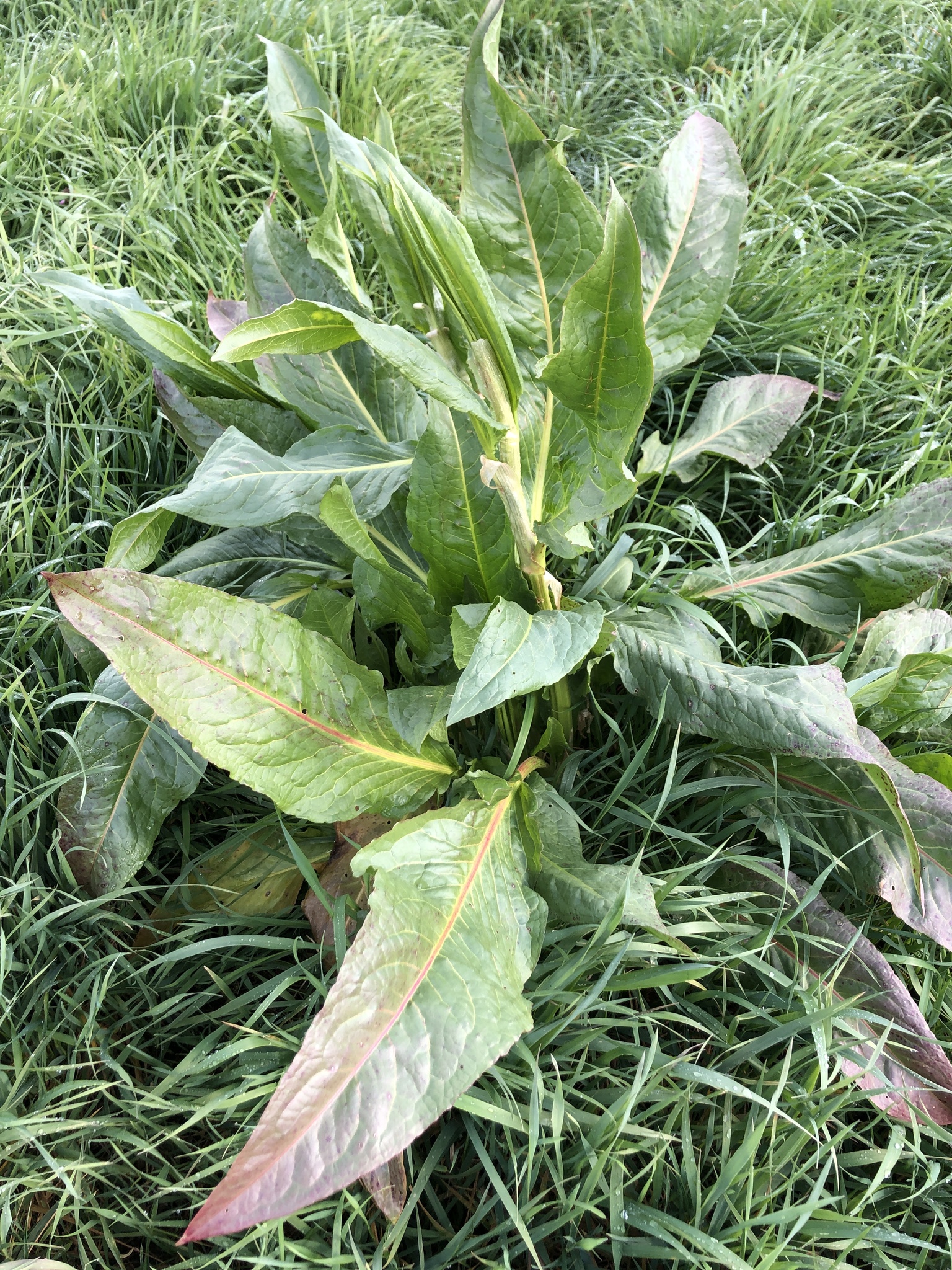
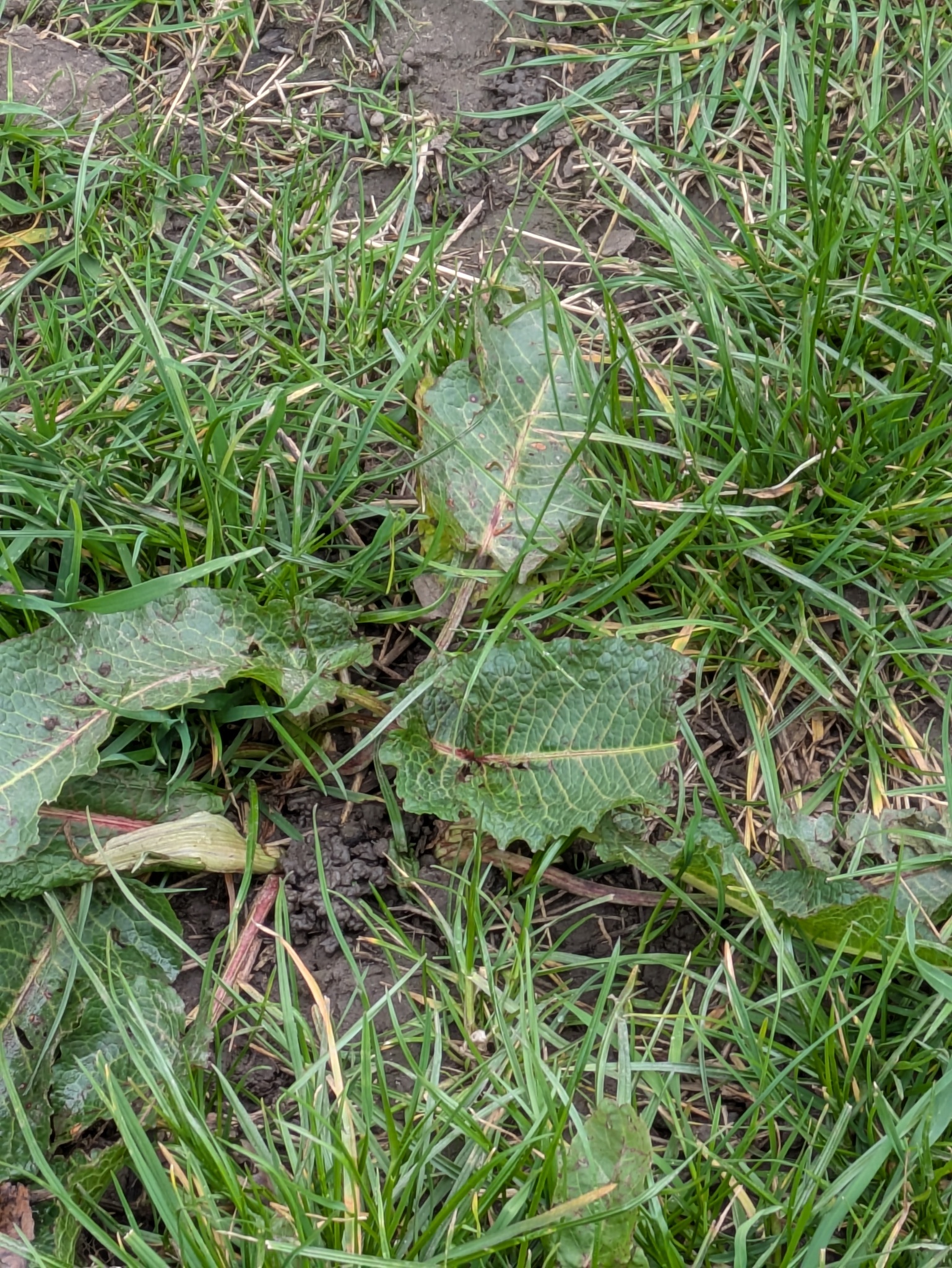
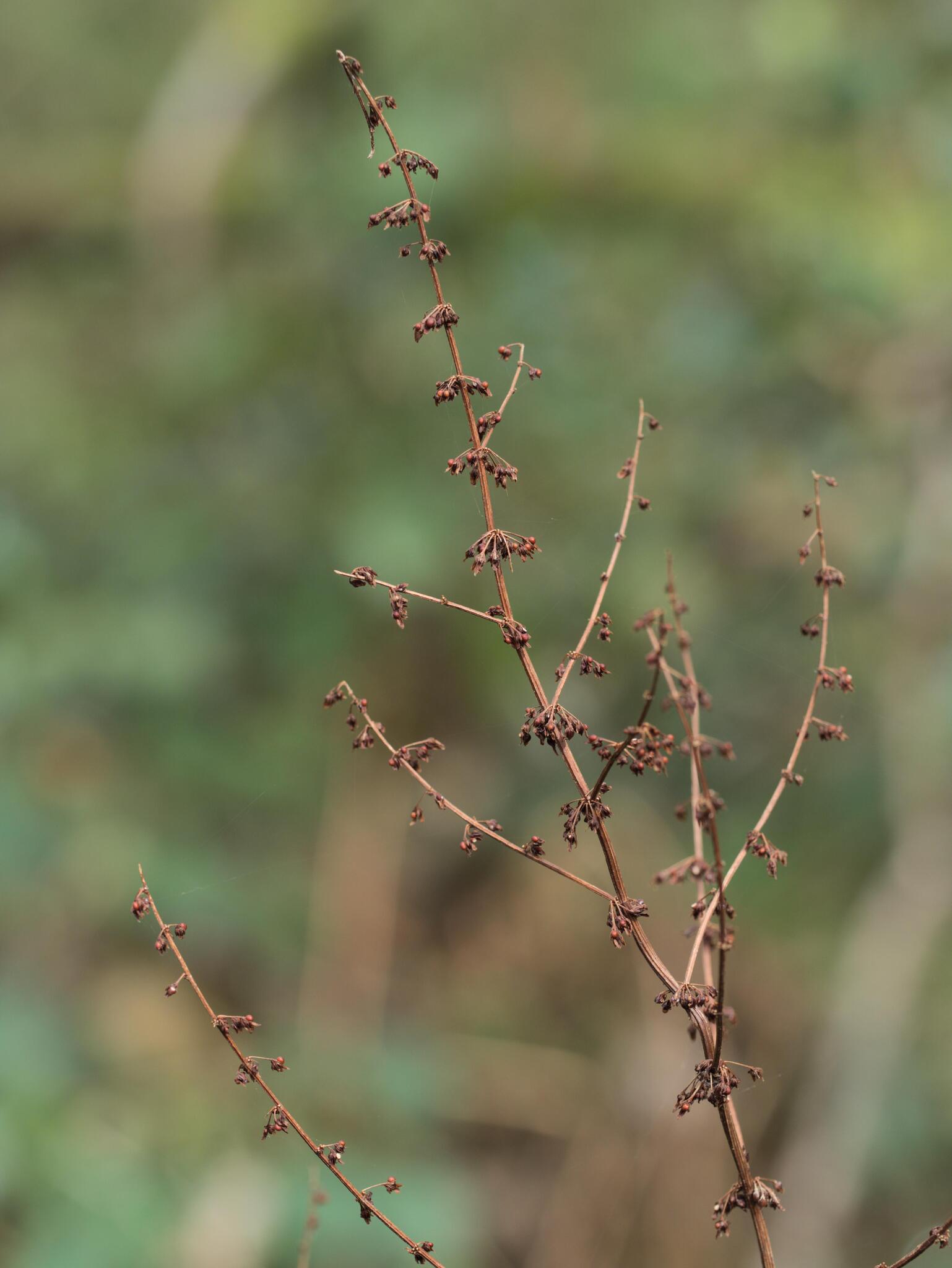
Rumex acetosella, commonly known as sheep's sorrel, is a perennial herbaceous plant belonging to the Polygonaceae family. It is a widespread species recognized for its distinctive sour taste and its presence in various natural and disturbed habitats. Sheep's sorrel is a foundational species in many ecosystems, often indicating nutrient-poor or acidic soils. This plant typically grows to a height of 15 to 40 centimeters, forming a basal rosette of leaves from which erect, slender stems arise. The leaves are a key identifying feature: basal leaves are usually long and narrow with two pointed basal lobes, resembling an arrowhead, and are borne on long petioles. Stem leaves are smaller, lanceolate, and sessile. The plant possesses a taproot system that can extend deeply into the soil, contributing to its resilience and ability to colonize various sites. During its flowering period, usually from late spring to summer, sheep's sorrel produces small, inconspicuous flowers arranged in open, branched panicles at the apex of the stems. The flowers are dioecious, meaning individual plants are either male or female, and they lack petals, with their color derived from the sepals, which are typically greenish to reddish. Following pollination, the female flowers develop into small, three-angled achenes, which are the plant's fruits, enclosed by persistent, often reddish, wing-like structures. The seeds are small and ovoid. Sheep's sorrel is native to Europe and Asia and has been introduced and naturalized in many parts of the world, including North America, Australia, and New Zealand. It thrives in a variety of habitats, commonly found in meadows, pastures, lawns, roadsides, waste areas, and open woodlands. It prefers well-drained soils and is often associated with acidic conditions, which can be a limiting factor for other plant species. While it can tolerate some shade, it generally performs best in full sun. Cultivation is not typically undertaken for ornamental purposes, but its presence in agricultural settings is notable. Ecologically, sheep's sorrel plays a role in soil stabilization and can be an indicator of soil conditions. Its presence in pastures can be problematic for livestock due to its oxalic acid content, which can cause digestive upset if consumed in large quantities, though it is generally considered palatable to sheep in moderation. Historically, the plant has been used in traditional medicine for various ailments, and its sour leaves have been used in culinary applications, often as a flavoring agent in salads or soups, similar to sorrel (Rumex acetosa), though its oxalic acid content requires careful consideration. The plant's ability to thrive in disturbed and acidic soils makes it an interesting subject for ecological studies on plant adaptation and colonization. Its distinctive arrowhead-shaped leaves and its tendency to form dense patches are characteristic features that aid in its identification across its wide distribution.

Photograph © Agnieszka Kwiecień, Nova · CC-BY-SA

Sheep's Sorrel Care Summary

At-a-glance light, water, soil, and growing conditions from plant data

Light

Full Sun to Partial Shade

75% intensity

Prefers at least 6 hours of direct sunlight daily.

Water

Moderate

50% intensity

Keep soil consistently moist but not waterlogged.

Soil

Acidic, Sandy, Loamy, Clay

50% intensity

Temperature

Cool to Moderate

50% intensity

Thrives in temperatures between 10°C and 20°C.

Fertilizer

Low

25% intensity

Requires minimal fertilization; prefers lean soil.

Sheep's Sorrel Toxicity

Safety information from plant toxicity data

Toxicity details for Sheep's Sorrel
AttributeValue
Toxic for humansYes

3/5 intensity

Toxic for petsYes

3/5 intensity

EdibleYes

Contains oxalic acid

Sheep's Sorrel Quick Facts

Key traits and growing stats from plant data

Plant Type
Herb
Plant Category
Vegetable
Plant Place Type
Garden, Pot
Lifespan
Perennial
Plant Height
0.1-0.4 m
Spread
0.1-0.5 m
Growth Rate
Fast
Dormancy
Semi-dormant
Leaf Color
Green, Red
Leaf Type
Lobed
Flower Size
2-3 mm
Optimal Sunlight Lux
60000
Weed Status
Yes

Care guide for Sheep's Sorrel

Watering, pruning, propagation, and repotting details from plant data

Water

Sheep's sorrel prefers consistently moist soil but can tolerate drier conditions once established. Water regularly during dry spells, especially in warmer months. Avoid overwatering, as this can lead to root rot.

Allow the top 2-3 cm of soil to dry out slightly between waterings.

Pruning

Pruning is typically minimal for sheep's sorrel. Remove any dead or damaged foliage as needed to maintain plant health and appearance.

Some gardeners choose to cut back the plant in late fall or early spring to encourage vigorous new growth for the upcoming season.

Propagation

Sheep's sorrel is easily propagated by seed sown directly into the garden in early spring or fall. It also readily self-seeds. Division of established clumps in spring or fall is another effective method for propagation.

This allows for easy expansion or relocation.

Repotting

Repotting is rarely necessary for sheep's sorrel as it is often grown as a groundcover or in beds.

If grown in containers and the plant becomes root-bound, repot in early spring into a slightly larger pot with fresh, well-draining potting mix. Ensure the new pot has adequate drainage holes.

Identify plants like this with ePlant

Snap a photo to get care tips and match similar species on the go.

Try for Free

Flowering & Fruiting Cycles

Monthly activity intensity for bloom and fruit across both hemispheres.

Northern hemisphere

Flowering & fruiting calendar

Peak bloom · MayPeak fruit · Jun
FloweringFruiting
02468JanFebMarAprMayJunJulAugSepOctNovDecActivity intensityMonths97
Southern hemisphere

Flowering & fruiting calendar

Peak bloom · AugPeak fruit · Sep
FloweringFruiting
02468JanFebMarAprMayJunJulAugSepOctNovDecActivity intensityMonths97

Sheep's Sorrel Names & Synonyms

Common names and botanical synonyms

Common Names

  • Common Field Sorrel
  • Common Sheep Sorrel
  • Common Sorrel
  • Field Dock
  • Field Sorrel
  • Ǩeʹddsäʹlttsueiʹnn
  • Kuolbâsälttisyeini
  • Red-Sorrel
  • Redweed
  • Sheep Sorrel
  • Sheep's Sorrel
  • Sheeps Sorrel
  • Sorrel
  • Sourweed
  • Wild Sorrel

Synonyms

  • Acetosa acetosella (L.) Mill.
  • Lapathum acetosella (L.) Scop.
  • Pauladolfia acetosella (L.) Börner

Sheep's Sorrel Taxonomy

Botanical classification

Taxonomic classification of Sheep's Sorrel
RankName
kingdomPlantae
divisionTracheophyta
classMagnoliopsida
orderCaryophyllales
familyPolygonaceae
genusRumex
speciesRumex acetosella

Sheep's Sorrel FAQs

Answers based on plant encyclopedia data

Is Sheep's sorrel edible?

Sheep's sorrel is edible in small quantities for humans due to its sour, lemony taste, but should be consumed with caution due to its oxalic acid content.

How does Sheep's sorrel spread?

Sheep's sorrel spreads primarily through its seeds and its extensive root system, allowing it to colonize new areas readily.

What are the environmental conditions Sheep's sorrel prefers?

Sheep's sorrel thrives in acidic, infertile, and disturbed soils. It is often found in pastures, meadows, and along roadsides.

Is Sheep's sorrel harmful to livestock?

While sheep and cattle may graze on Sheep's sorrel, excessive consumption can lead to problems due to its oxalic acid content, particularly in susceptible animals.

How can Sheep's sorrel be controlled in a garden?

Control methods include manual removal of roots, improving soil fertility to favor other plants, and preventing seed dispersal.