Prunus Campanulata Tree (Prunus campanulata) – Care, Growing Guide & Benefits | ePlant AI
Prunus Campanulata (Prunus campanulata)
Taiwan Flowering Cherry (Prunus campanulata) is a small tree or large shrub with vibrant pink to red bell-shaped flowers blooming in late winter to early spring.
Prunus campanulata, commonly known as the Taiwan cherry or bell-flowered cherry, is a deciduous tree species native to East Asia. It holds significance as a beautiful ornamental flowering tree and is a member of the Rosaceae family, which includes many familiar fruit trees and ornamental shrubs. This species is particularly noted for its distinctive bell-shaped flowers, which give it its scientific epithet, campanulata, meaning bell-shaped.
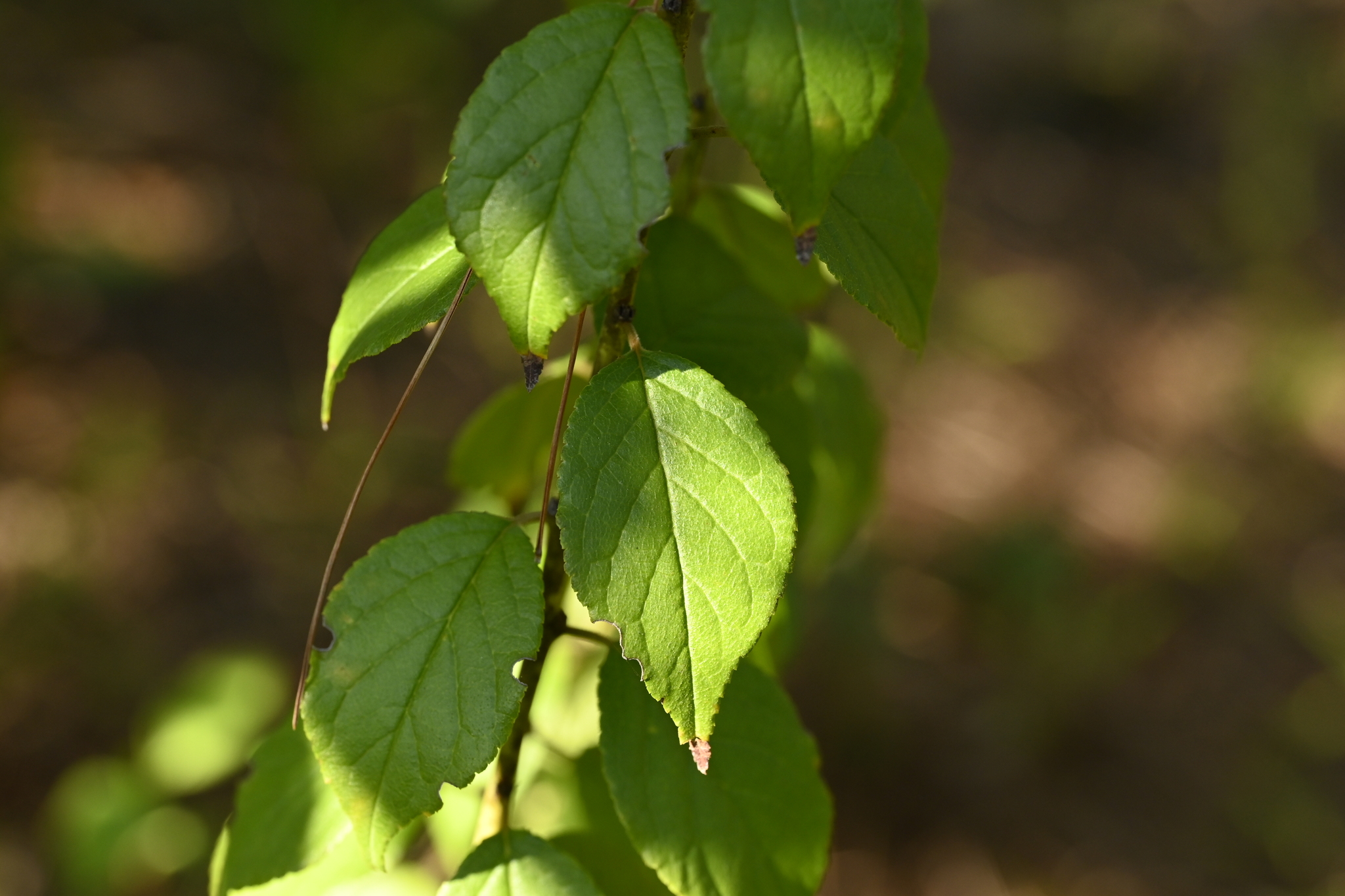
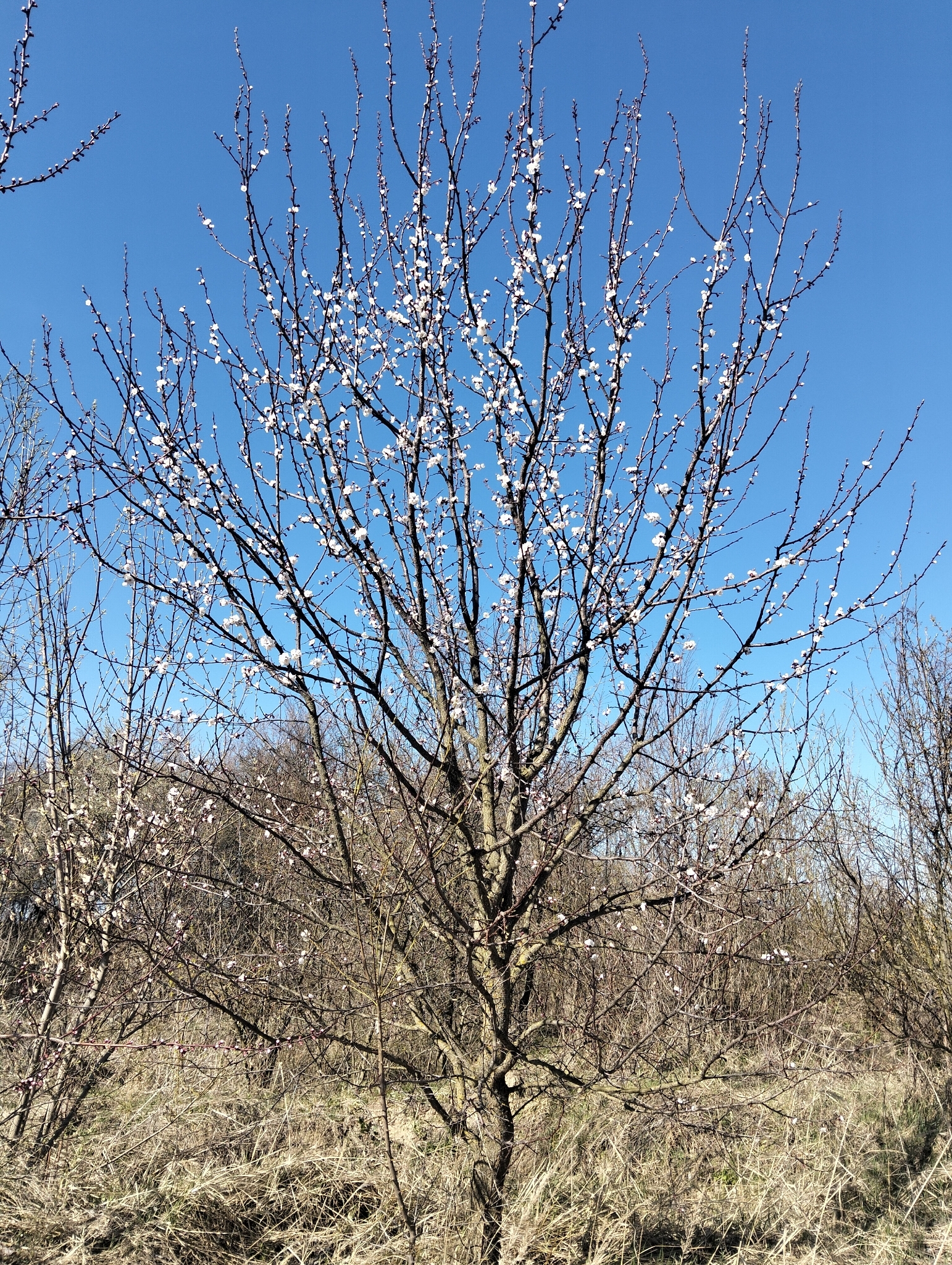
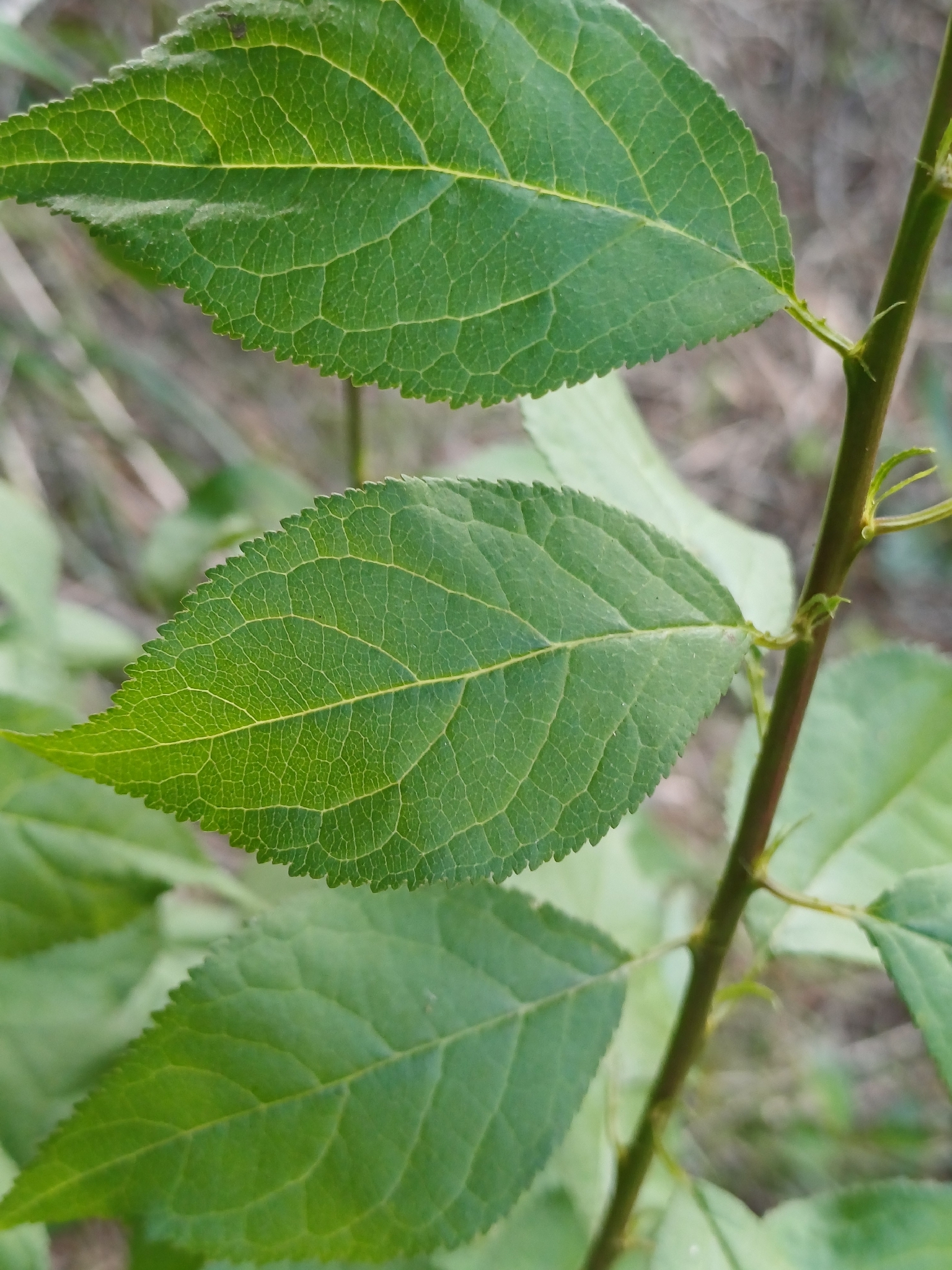
Physically, Prunus campanulata typically grows as a small to medium-sized tree, reaching heights of approximately 5 to 10 meters. Its growth habit is generally upright and spreading, forming a rounded crown. The leaves are alternate, simple, and ovate to elliptic in shape, measuring about 7 to 15 centimeters in length. They are serrated along the margins and turn a vibrant yellow or reddish-brown in autumn before abscission. The most striking feature of Prunus campanulata is its profusion of flowers, which appear in early spring, often before the leaves fully emerge. These flowers are typically bright pink to reddish-pink, with five petals, and are arranged in clusters. The corolla is distinctly campanulate, or bell-shaped, with the petals reflexed at the tips. Following flowering, the tree produces small, globose to ovoid drupes, which are dark red to black when mature. The bark is smooth and grayish-brown.
The native distribution of Prunus campanulata is primarily in Taiwan and the Ryukyu Islands of Japan. It thrives in a variety of natural habitats, often found in forests, along roadsides, and on slopes at elevations ranging from lowlands to mountainous regions. In cultivation, it is well-suited to temperate climates and prefers well-drained soils and full sun to partial shade. It is generally considered to be relatively hardy, though specific cold tolerance can vary.
While not widely cultivated for fruit production, Prunus campanulata is highly valued for its ornamental appeal. Its early spring bloom provides a spectacular display of color, making it a popular choice for landscaping in parks, gardens, and as a specimen tree. Its ecological role involves providing nectar and pollen for early-season pollinators. There is limited documented evidence regarding significant medicinal, culinary, or economic uses for this specific species, with its primary importance lying in its horticultural value.
An interesting characteristic of Prunus campanulata is its early blooming period, which can serve as an indicator of the approaching spring season. The bell-shaped flowers are a unique morphological trait within the *Prunus* genus, distinguishing it from many other cherry species. Its ability to naturalize in certain areas also highlights its adaptability to new environments.
Provide consistent moisture, especially when young and during dry spells. Avoid overwatering, which can lead to root rot. Water deeply when the top inch of soil feels dry.
Prune after flowering to shape the tree and remove any dead, damaged, or crossing branches. Avoid heavy pruning in late summer or fall to prevent winter damage.
Best propagated from seed sown in autumn or by semi-hardwood cuttings taken in summer. Grafting is also used for specific cultivars.
Young plants in pots may need repotting every 1-2 years in early spring. Mature plants in the ground generally do not require repotting.
FAQs
When does Prunus campanulata bloom?
Prunus campanulata typically blooms in late winter to early spring, often before its leaves fully emerge, providing a vibrant display of color.
Is Prunus campanulata poisonous to pets?
Yes, like many plants in the Prunus genus, it contains cyanogenic glycosides, which can be toxic to pets if ingested. Symptoms can include vomiting and difficulty breathing.
What are the care requirements for Taiwan Flowering Cherry?
It prefers full sun to partial shade, well-drained soil, and moderate watering. Pruning should be done after flowering to maintain shape and remove dead branches.
How tall does Prunus campanulata grow?
This species typically grows into a small tree or large shrub, reaching mature heights of 6 to 10 meters with a spread of 4 to 6 meters.
Can Prunus campanulata be grown in a pot?
Yes, younger plants can be grown in pots, especially if space is limited. Ensure the pot has good drainage and the plant receives adequate sunlight and water.