Water
Water thoroughly when the top 2-3 cm of soil feels dry. Bromeliads store water in their central cup. Empty any excess water from the cup to prevent root rot.
Reduce watering slightly in cooler months, but never let the soil dry out completely.
Also known as Friendship Plant Bromeliad · Friendship-Plant · Queen's Tears
Queen's-Tears (Billbergia nutans) is a striking bromeliad with arching, strap-like leaves and pendulous, pink-tipped flower spikes that drip nectar, resembling tears.
At-a-glance light, water, soil, and growing conditions from plant data
Moderate
50% intensity
Prefers bright, indirect light. Can tolerate some direct morning sun but avoid harsh afternoon sun, which can scorch the leaves.
Moderate
50% intensity
Keep soil consistently moist but not waterlogged. Allow the top inch to dry out between waterings. Provide water in the central cup.
Well-draining, orchid or bromeliad mix
50% intensity
Moderate
50% intensity
Thrives in average room temperatures between 18-24°C. Avoid drastic temperature fluctuations and cold drafts. Tolerates slightly cooler temperatures in winter.
Greenhouse
50% intensity
Low
25% intensity
Feed with a diluted liquid fertilizer every 4-6 weeks during the growing season. Reduce or stop feeding in winter.
Safety information from plant toxicity data
| Attribute | Value |
|---|---|
| Toxic for humans | No 0/5 intensity |
| Toxic for pets | No 0/5 intensity |
Non-toxic
Key traits and growing stats from plant data
Watering, pruning, propagation, and repotting details from plant data
Water thoroughly when the top 2-3 cm of soil feels dry. Bromeliads store water in their central cup. Empty any excess water from the cup to prevent root rot.
Reduce watering slightly in cooler months, but never let the soil dry out completely.
Remove spent flower stalks and any dead or damaged leaves as needed. This encourages new growth and maintains the plant's tidy appearance.
Pruning is minimal for Billbergia nutans; focus on tidiness rather than heavy shaping. Old plants may be divided.
Propagate Billbergia nutans by offsets (pups) that grow from the base of the mother plant. Once these pups are about one-third the size of the parent, they can be gently separated and planted in their own pots.
This is best done in spring.
Repot your Queen's-Tears only when it becomes root-bound or when the pups overcrowd the pot, typically every 2-3 years. Use a well-draining potting mix, such as a bromeliad mix or a blend of peat moss, perlite, and sand.
Choose a pot only slightly larger than the current one.
Identify plants like this with ePlant AI
Snap a photo to get care tips and match similar species on the go.
Monthly activity intensity for bloom and fruit across both hemispheres.
Flowering & fruiting calendar
Flowering & fruiting calendar
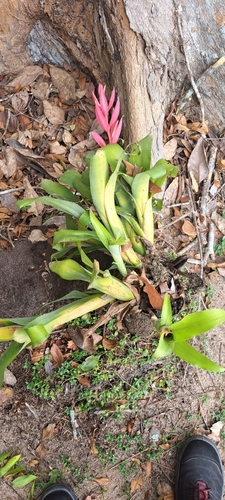
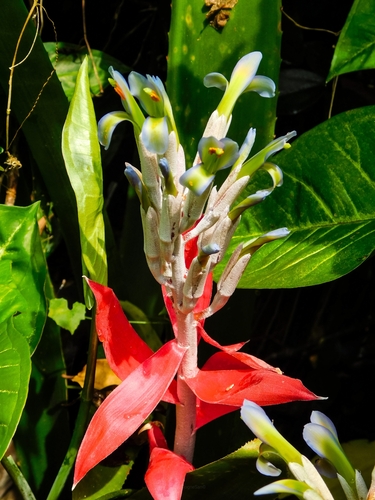
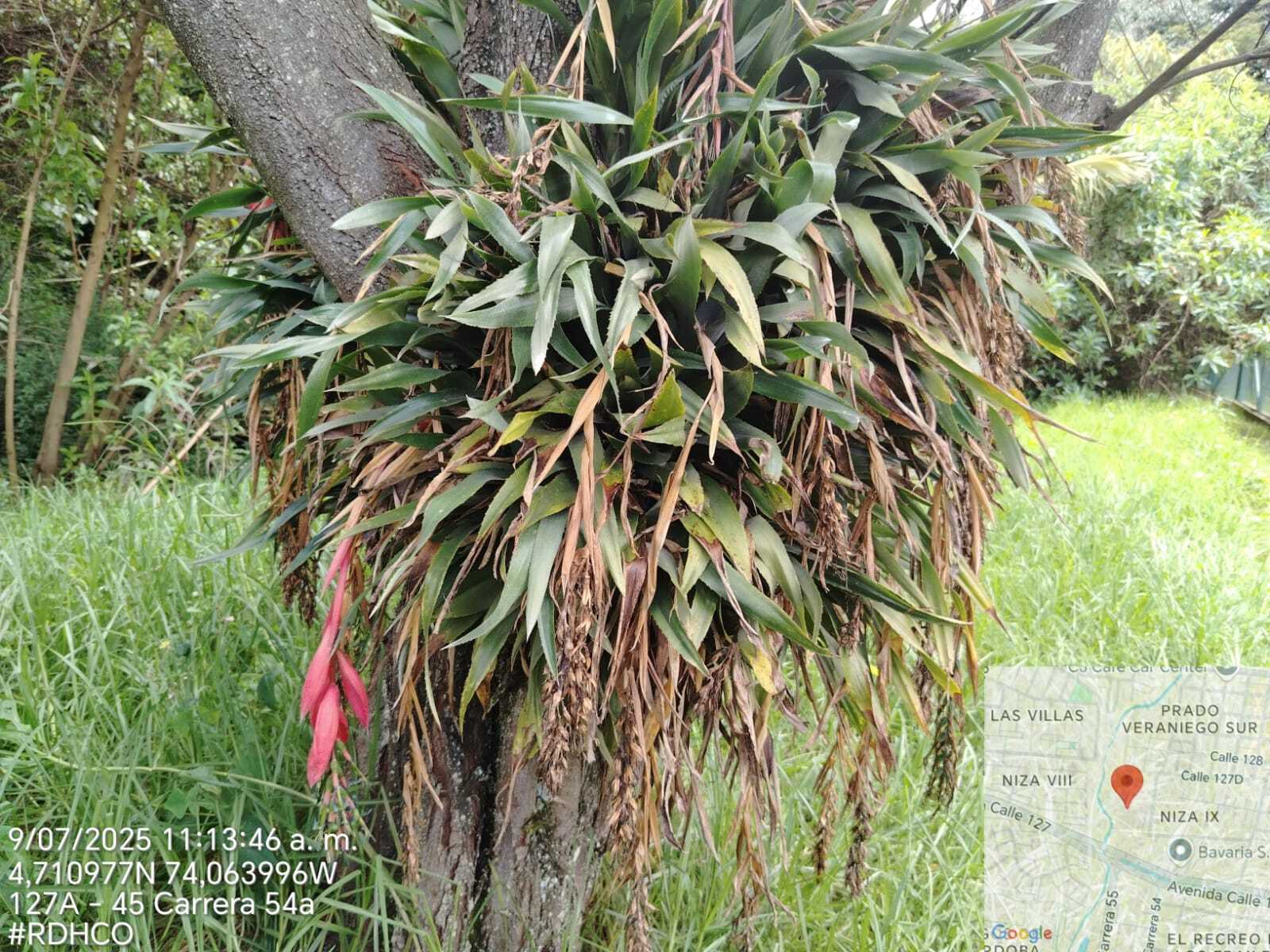
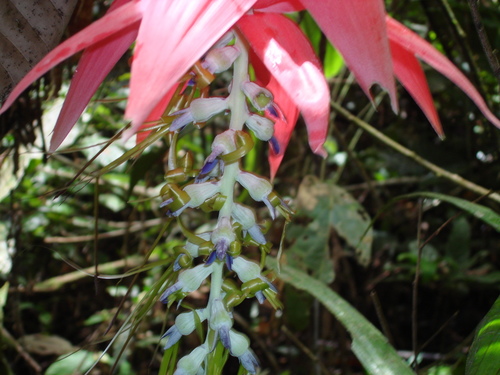
Photos of Queen's-Tears (Billbergia nutans)
Where Queen's-Tears (Billbergia nutans) is found

Density
Tap map to explore
Common names and botanical synonyms
Botanical classification
| Rank | Name |
|---|---|
| Kingdom | Plantae |
| Division | Tracheophyta |
| Class | Liliopsida |
| Order | Poales |
| Family | Bromeliaceae |
| Genus | Billbergia |
| Species | Billbergia nutans |
Similar in genus Billbergia
Answers based on plant encyclopedia data