Water
Water regularly during the growing season, allowing the soil to dry slightly between waterings. Reduce watering in autumn and winter, as the plant becomes dormant.
Ensure good drainage to prevent root rot, especially in containers.
Also known as Card's Thistle · Common Teasel · Cultivated Teasel
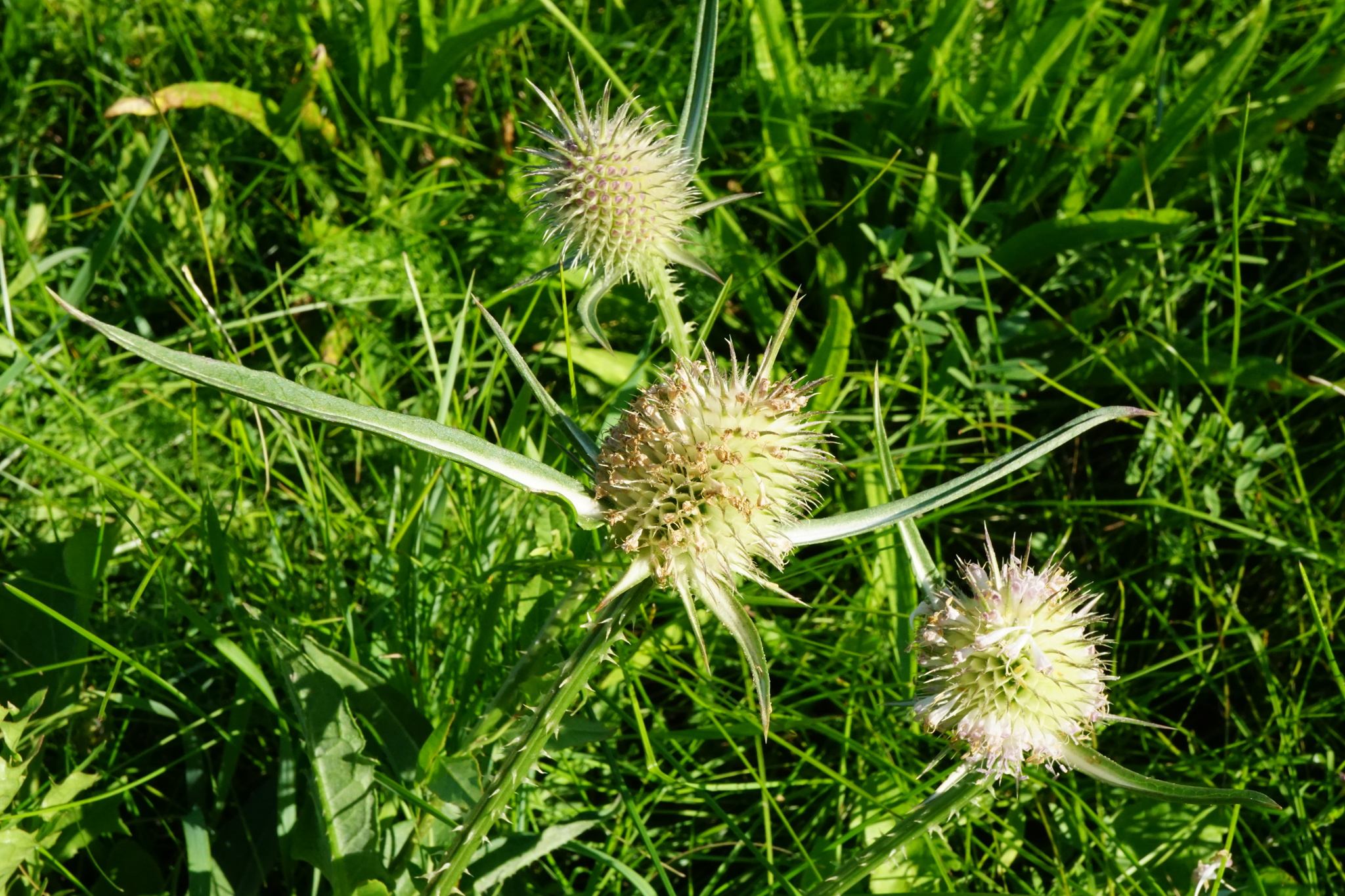
Fuller's Teasel (Dipsacus sativus) is a biennial plant known for its spiny flower heads, historically used for carding wool and now popular in dried arrangements.
At-a-glance light, water, soil, and growing conditions from plant data
Full Sun
100% intensity
Prefers at least six hours of direct sunlight daily for best growth and flowering.
Moderate
50% intensity
Allow soil to dry slightly between waterings. Reduce in cooler months.
Well-drained, sandy, loamy, clay
50% intensity
Moderate
50% intensity
Hardy in USDA zones 4-8. Prefers mild to warm temperatures during the growing season.
Low
25% intensity
Requires minimal feeding; a light balanced fertilizer in spring is usually adequate.
Safety information from plant toxicity data
| Attribute | Value |
|---|---|
| Toxic for humans | No 0/5 intensity |
| Toxic for pets | No 0/5 intensity |
| Edible | No |
Key traits and growing stats from plant data
Watering, pruning, propagation, and repotting details from plant data
Water regularly during the growing season, allowing the soil to dry slightly between waterings. Reduce watering in autumn and winter, as the plant becomes dormant.
Ensure good drainage to prevent root rot, especially in containers.
Deadheading spent flower stalks encourages secondary blooms and prevents self-seeding. Cut back dead foliage in late winter or early spring before new growth emerges. Remove any diseased or damaged parts promptly.
Fuller's Teasel is easily propagated by seed. Sow seeds directly outdoors in early spring or autumn. They can also be started indoors a few weeks before the last frost.
Division of established clumps is also possible in spring.
Repot young plants as needed, typically every one to two years, into slightly larger containers. Mature plants are often best left undisturbed or divided rather than repotted.
Ensure the new pot has adequate drainage holes.
Identify plants like this with ePlant AI
Snap a photo to get care tips and match similar species on the go.
Monthly activity intensity for bloom and fruit across both hemispheres.
Flowering & fruiting calendar
Flowering & fruiting calendar
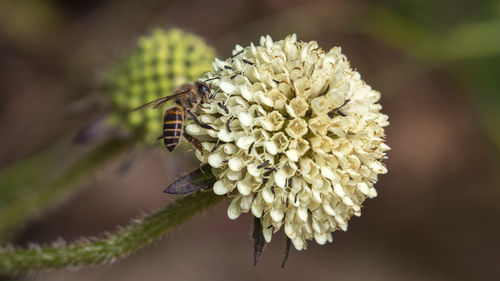
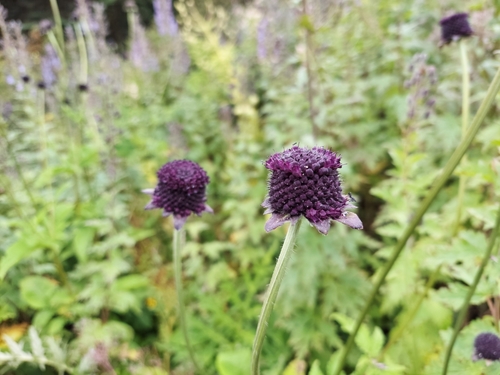
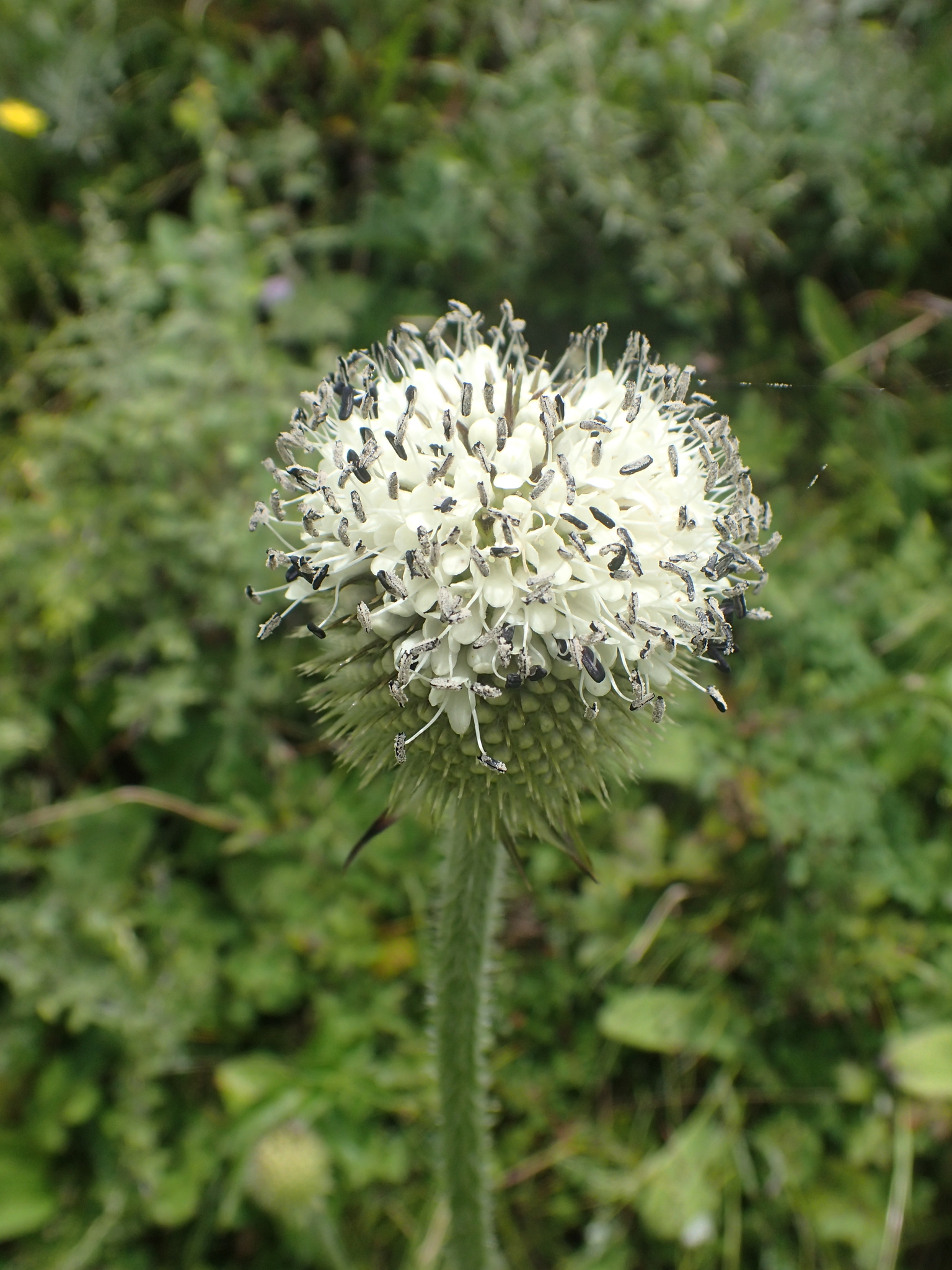
Photos of Fuller's Teasel (Dipsacus sativus)
Where Fuller's Teasel (Dipsacus sativus) is found

Density
Tap map to explore
Common names and botanical synonyms
Botanical classification
| Rank | Name |
|---|---|
| Kingdom | Plantae |
| Division | Tracheophyta |
| Class | Magnoliopsida |
| Order | Dipsacales |
| Family | Caprifoliaceae |
| Genus | Dipsacus |
| Species | Dipsacus sativus |
Similar in genus Dipsacus
Answers based on plant encyclopedia data