Water
Water consistently, especially during flowering and fruiting. Aim for moist, but not waterlogged soil. Reduce watering in autumn to prepare for dormancy.
Check the top 2-3 cm of soil; if dry, it's time to water thoroughly.
Garden Strawberry (Fragaria x ananassa) is a popular hybrid fruit known for its sweet, red berries and is widely cultivated worldwide for its delicious fruit.
At-a-glance light, water, soil, and growing conditions from plant data
Full Sun
100% intensity
Requires at least 6-8 hours of direct sunlight daily for optimal fruit production.
Consistent
75% intensity
Keep soil consistently moist, especially during fruit development. Avoid waterlogged conditions.
Loam, Sandy loam
50% intensity
Moderate
50% intensity
Thrives in temperatures between 15°C and 25°C. Requires a winter chill period for good fruiting.
Outdoor
50% intensity
Regular
50% intensity
Fertilize monthly during the growing season with a balanced fertilizer or one formulated for strawberries.
Safety information from plant toxicity data
| Attribute | Value |
|---|---|
| Toxic for humans | No 0/5 intensity |
| Toxic for pets | No 0/5 intensity |
| Edible | Yes |
None
Key traits and growing stats from plant data
Watering, pruning, propagation, and repotting details from plant data
Water consistently, especially during flowering and fruiting. Aim for moist, but not waterlogged soil. Reduce watering in autumn to prepare for dormancy.
Check the top 2-3 cm of soil; if dry, it's time to water thoroughly.
Remove runners (stolons) regularly to direct energy into fruit production, unless you intend to propagate. In late winter or early spring, trim away any dead or damaged leaves and stems to encourage healthy new growth.
Garden strawberries are primarily propagated by runners. Allow a few runners to root in pots or directly in the soil. Once established, they can be severed from the parent plant and transplanted.
Strawberries are typically grown in the ground or in containers. If container-grown, repot every 1-2 years in spring into fresh potting mix to provide adequate space and nutrients for root development.
Identify plants like this with ePlant AI
Snap a photo to get care tips and match similar species on the go.
Monthly activity intensity for bloom and fruit across both hemispheres.
Flowering & fruiting calendar
Flowering & fruiting calendar
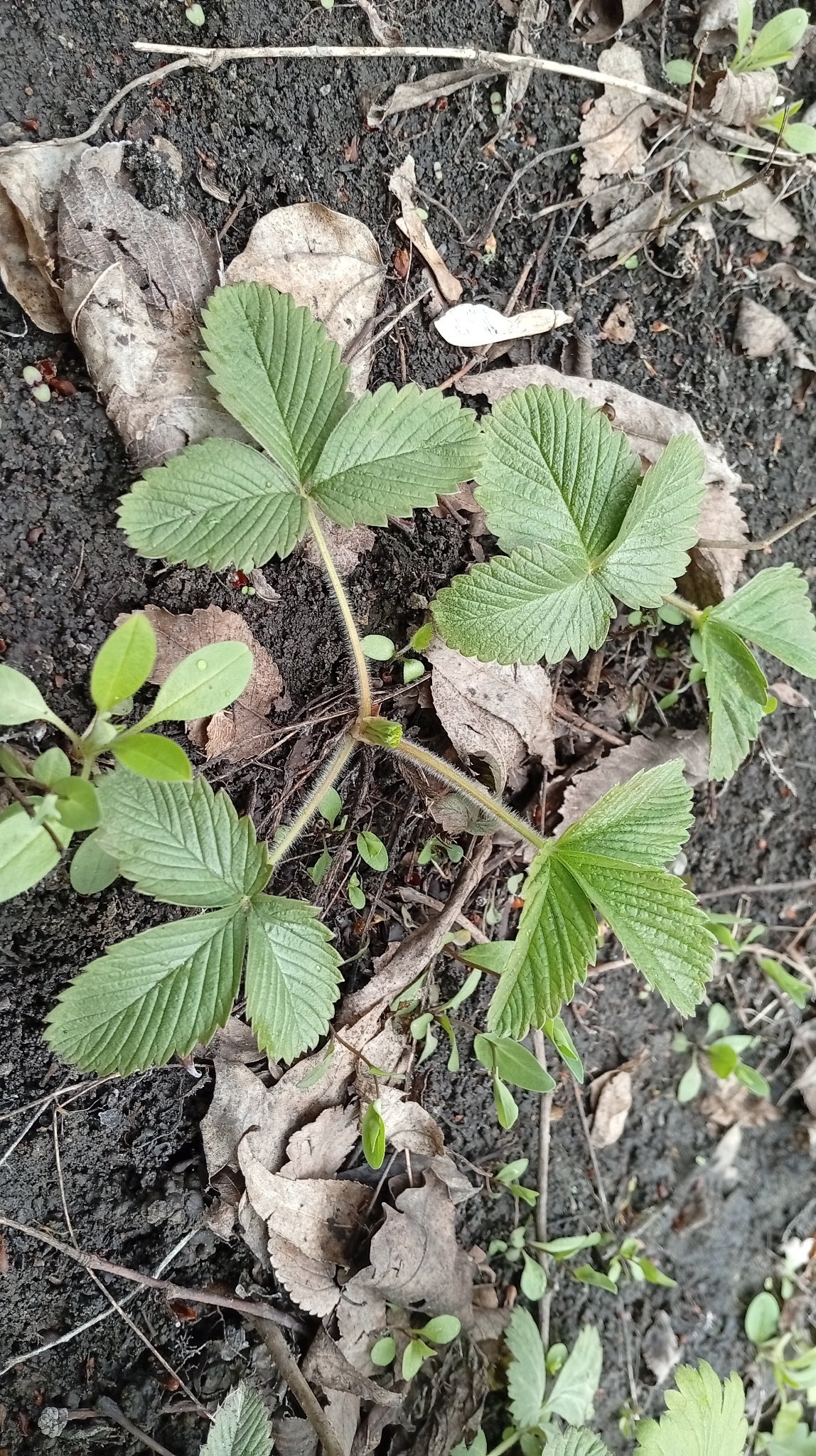
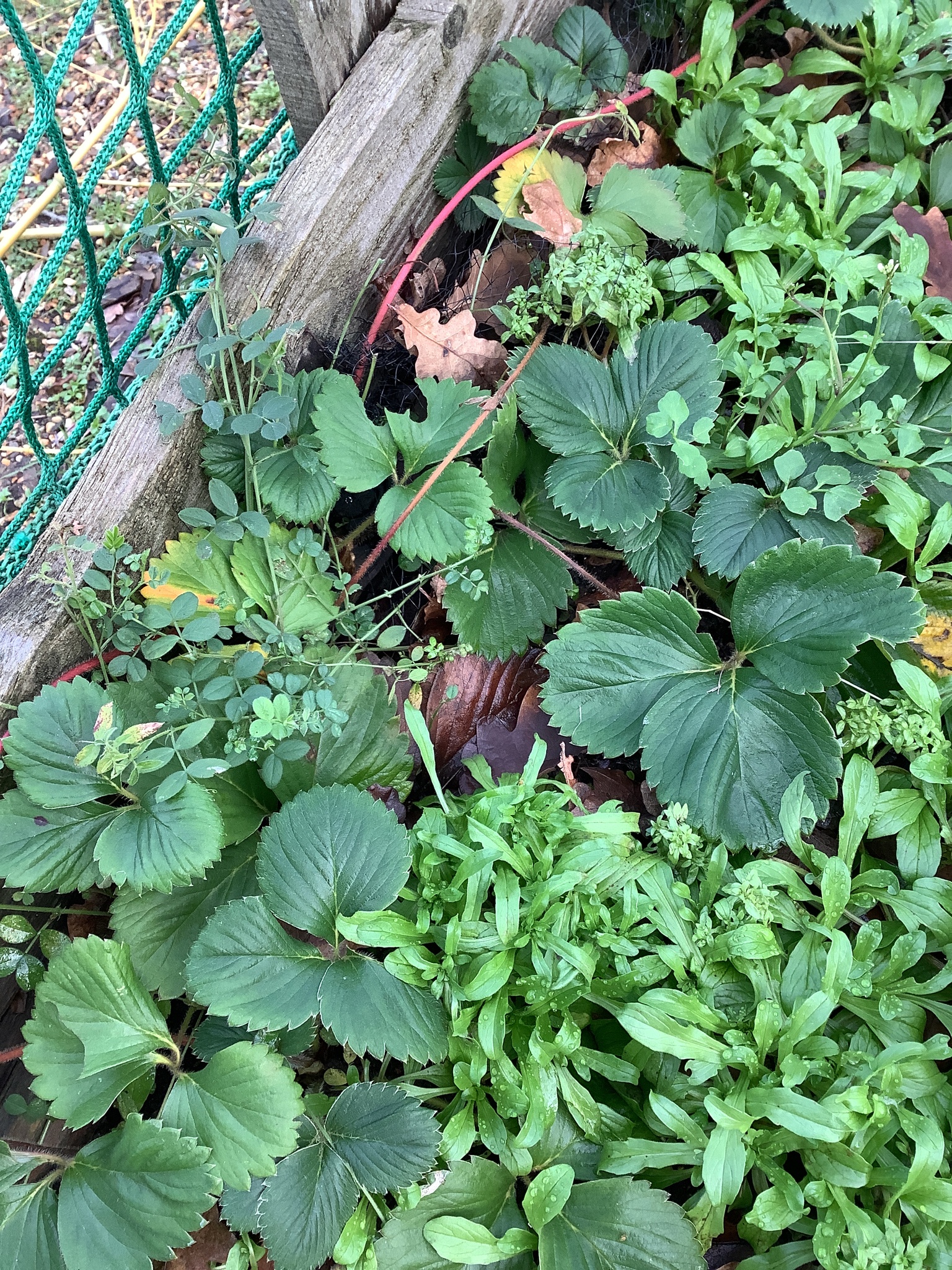
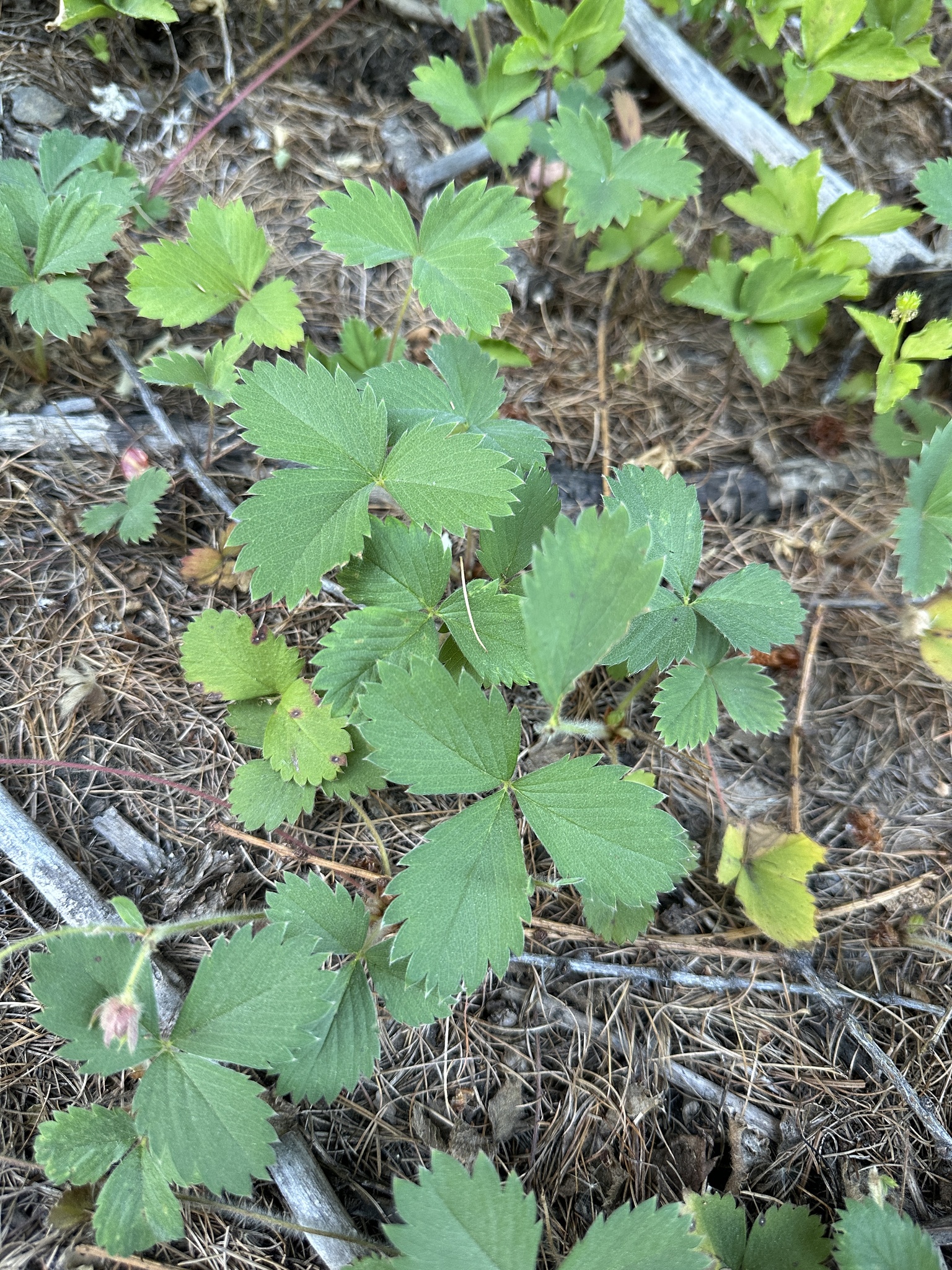
Photos of Garden Strawberry (Fragaria x ananassa)
Where Garden Strawberry (Fragaria x ananassa) is found

Density
Tap map to explore
11 known issues from plant disease data

Leather Rot on Strawberry makes fruit turn dull, tough, and leathery, with berries losing normal color and becoming unmarketable.

Powdery Mildew on Strawberry causes white powdery growth on leaves and fruit, with curling foliage and poor berry development.

Common Leaf Spot on Strawberry causes small purple spots with pale centers on leaves, reducing leaf quality and plant vigor.

Phomopsis Leaf Blight on Strawberry causes large dead areas on leaves and weakens foliage, especially as damage spreads from tips.

Leaf Scorch on Strawberry causes dark purple blotches that enlarge on leaves, leaving foliage scorched, dry, and weakened.
Common names and botanical synonyms
Botanical classification
| Rank | Name |
|---|---|
| Species | Fragaria x ananassa |
Similar in genus Fragaria
Answers based on plant encyclopedia data