Water
Rose Daphne prefers consistently moist soil, but not waterlogged. Water deeply when the top 2-3 cm of soil feels dry. Avoid overwatering, especially in winter, as this can lead to root rot.
Ensure good drainage to prevent standing water.
Also known as Garland-Flower
Safety note: This plant may be toxic to humans and pets. See toxicity details.
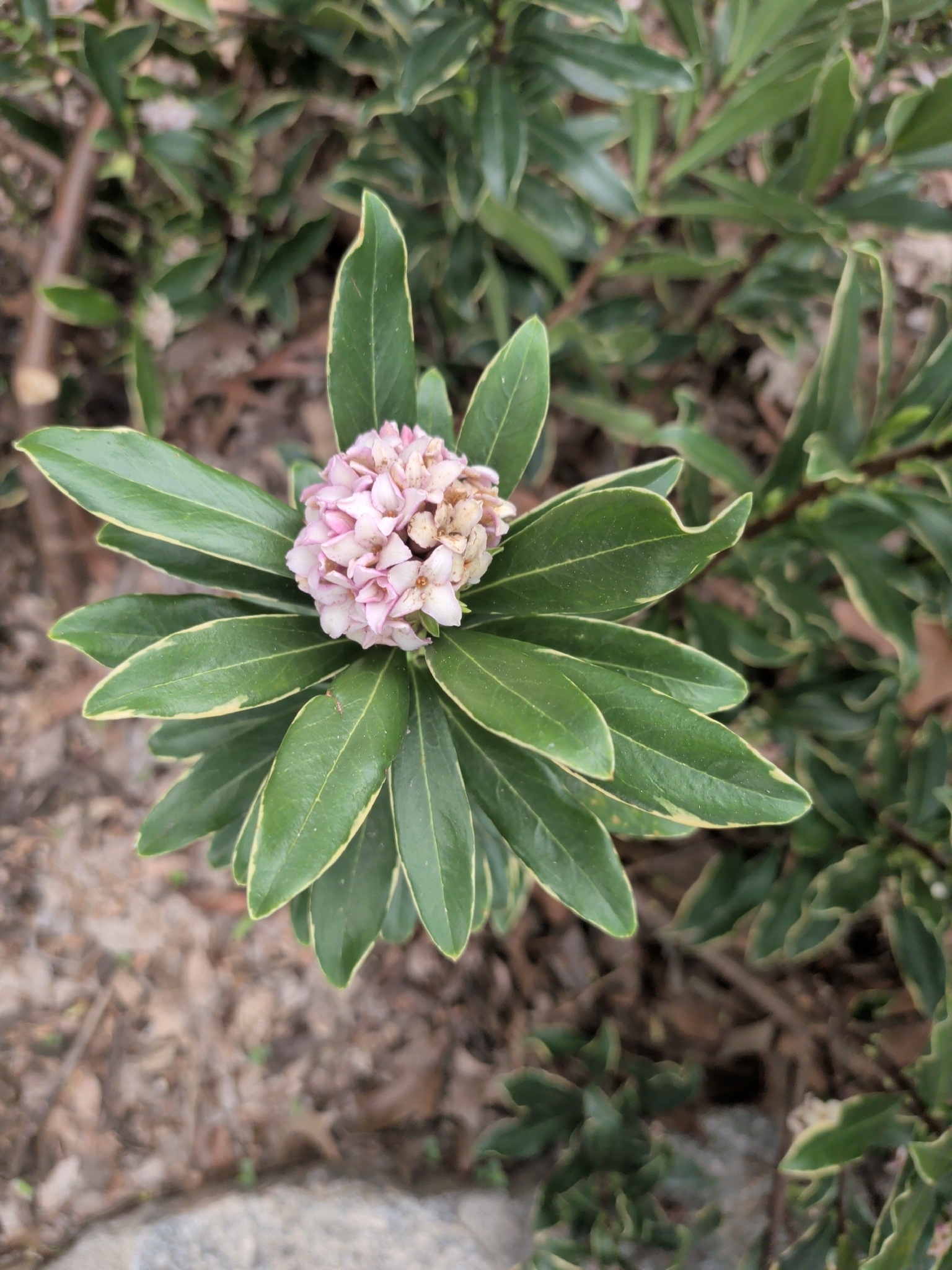
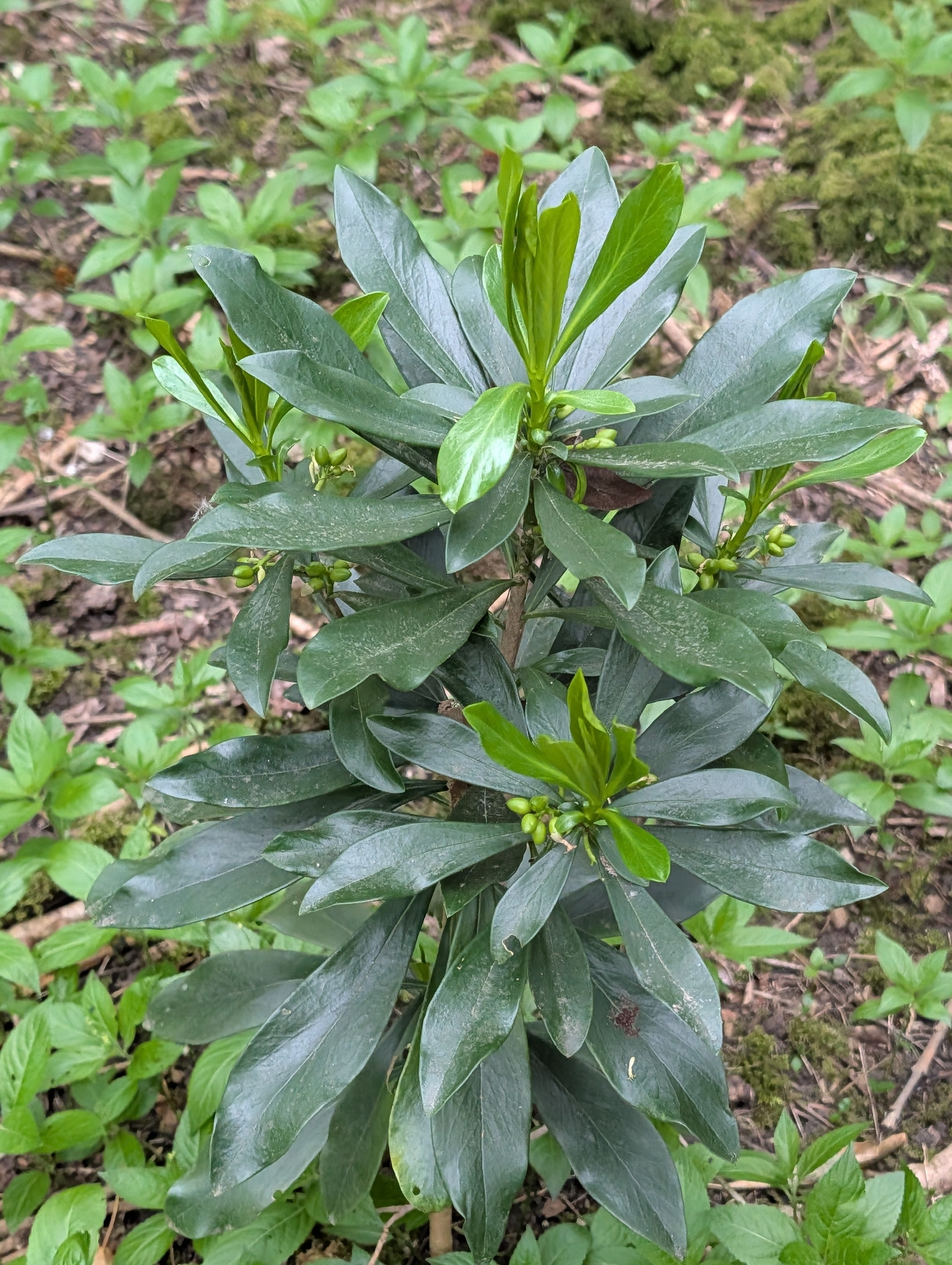
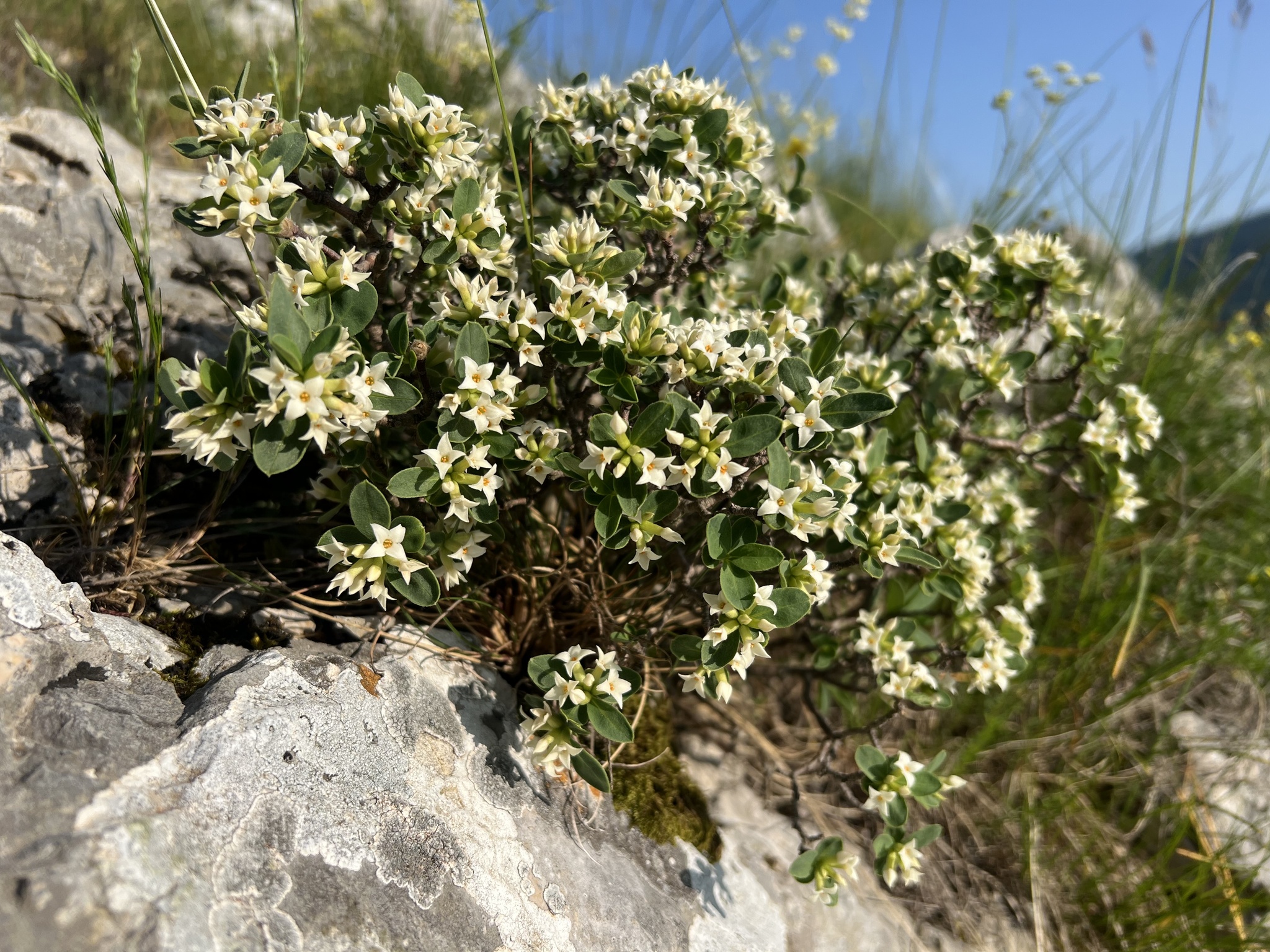
Rose Daphne (Daphne cneorum) is a fragrant, evergreen shrub with clusters of pink flowers, blooming profusely in spring. It thrives in well-drained soil and full sun to p
At-a-glance light, water, soil, and growing conditions from plant data
Full sun to partial shade
75% intensity
Prefers full sun, but tolerates light shade, especially in hot climates.
Moderate
50% intensity
Keep soil consistently moist but well-drained.
Well-drained, loamy, slightly acidic
50% intensity
Moderate
50% intensity
Prefers cool to moderate temperatures. Protect from extreme heat and frost.
Low
25% intensity
Feed sparingly in spring with a balanced fertilizer.
Safety information from plant toxicity data
| Attribute | Value |
|---|---|
| Toxic for humans | Yes 5/5 intensity |
| Toxic for pets | Yes 5/5 intensity |
| Edible | No |
All parts are toxic if ingested, particularly the fruit and leaves. Contact can cause skin irritation.
Key traits and growing stats from plant data
Watering, pruning, propagation, and repotting details from plant data
Rose Daphne prefers consistently moist soil, but not waterlogged. Water deeply when the top 2-3 cm of soil feels dry. Avoid overwatering, especially in winter, as this can lead to root rot.
Ensure good drainage to prevent standing water.
Prune immediately after flowering to shape the plant and remove any dead or damaged stems. Avoid heavy pruning, as Daphne species do not regenerate well from old wood.
Light shaping will encourage denser growth and more blooms in the following season.
Propagation is typically done by semi-hardwood cuttings taken in summer. Dip cuttings in rooting hormone and plant in a well-draining medium. Keep moist and provide bottom heat.
Success rates can vary, and it requires patience for rooting.
Repot young plants every 2-3 years in spring, or when they become root-bound. Use a well-draining potting mix, ideally containing sand or grit. Handle the roots gently, as Daphne dislikes root disturbance.
Choose a pot only slightly larger than the current one.
Identify plants like this with ePlant AI
Snap a photo to get care tips and match similar species on the go.
Monthly activity intensity for bloom and fruit across both hemispheres.
Flowering & fruiting calendar
Flowering & fruiting calendar
Photos of Rose Daphne (Daphne cneorum)
Common names and botanical synonyms
Botanical classification
| Rank | Name |
|---|---|
| Kingdom | Plantae |
| Division | Tracheophyta |
| Class | Magnoliopsida |
| Order | Malvales |
| Family | Thymelaeaceae |
| Genus | Daphne |
| Species | Daphne cneorum |
Similar in genus Daphne
Answers based on plant encyclopedia data