Water
Keep the soil consistently moist. Lobelia siphilitica thrives in damp conditions and can tolerate wetter soils than many other perennials. Water deeply when the top inch of soil feels dry.
Also known as Blue Cardinal-Flower · Blue Lobelia · Great Lobelia
At-a-glance light, water, soil, and growing conditions from plant data
Prefers full sun to partial shade.
60% intensity
Afternoon shade beneficial in hot climates.
Keep soil consistently moist.
70% intensity
Especially during dry spells.
Rich, moist, well-drained soil. Tolerates a range of soil types but performs best in humus-rich conditions.
50% intensity
Thrives in moderate temperatures.
50% intensity
Ideal growing range 15-24 °C.
Outdoor
50% intensity
Light feeding in spring.
30% intensity
Balanced, slow-release fertilizer.
Safety information from plant toxicity data
| Attribute | Value |
|---|---|
| Toxic for humans | No 0/5 intensity |
| Toxic for pets | No 0/5 intensity |
| Edible | No |
Key traits and growing stats from plant data
Watering, pruning, propagation, and repotting details from plant data
Keep the soil consistently moist. Lobelia siphilitica thrives in damp conditions and can tolerate wetter soils than many other perennials. Water deeply when the top inch of soil feels dry.
Deadhead spent flower spikes to encourage a second bloom and prevent self-seeding if desired. Cut back the plant in late fall or early spring to tidy its appearance and remove any dead or damaged foliage.
Easily grown from seed sown in fall or early spring. Division of established clumps in spring is also an effective method for propagation. Cuttings can be taken in late spring.
Not typically grown in pots, but if container-grown, repot in spring every 1-2 years into a slightly larger pot with fresh potting mix. Ensure good drainage.
Identify plants like this with ePlant AI
Snap a photo to get care tips and match similar species on the go.
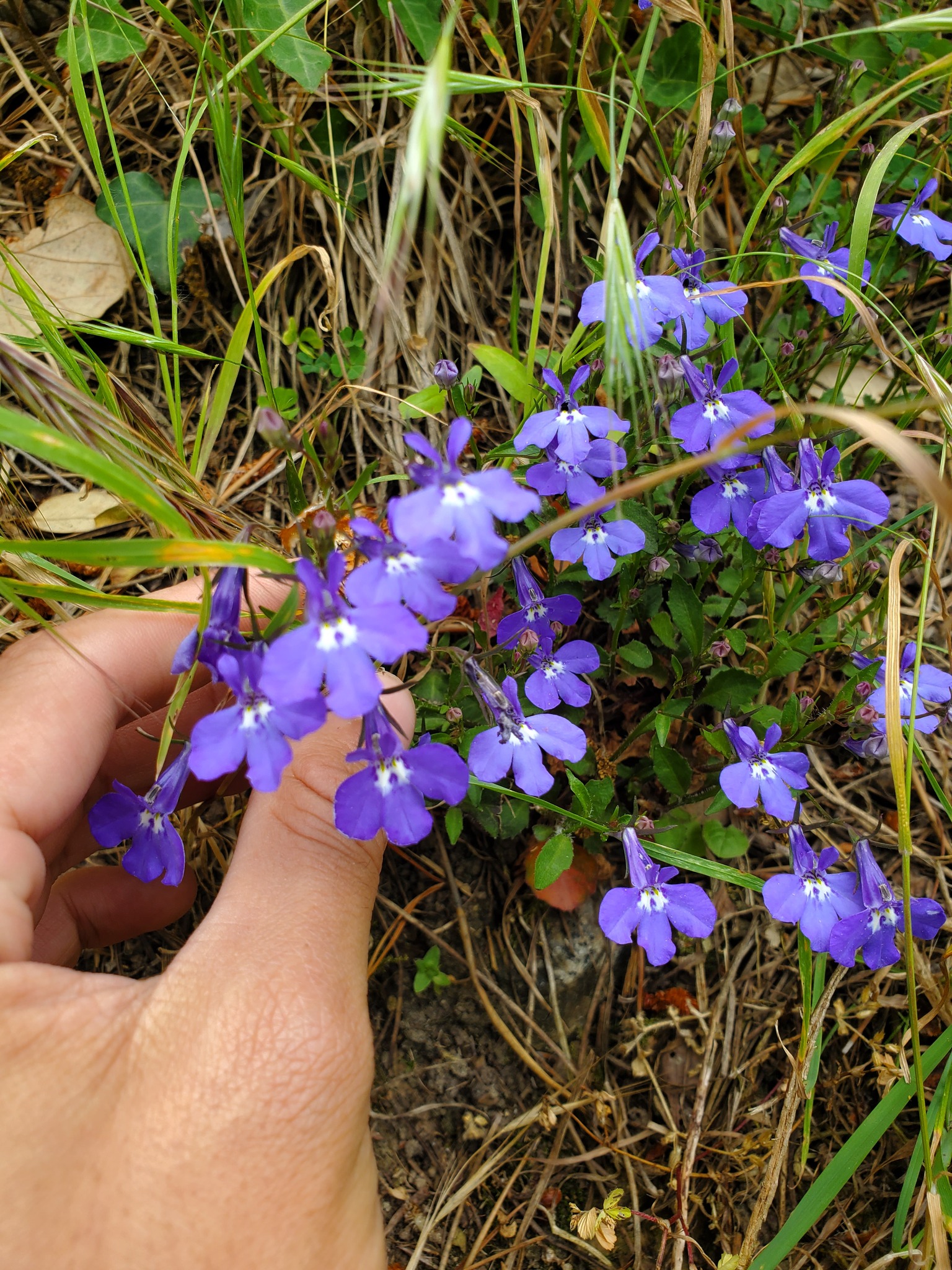
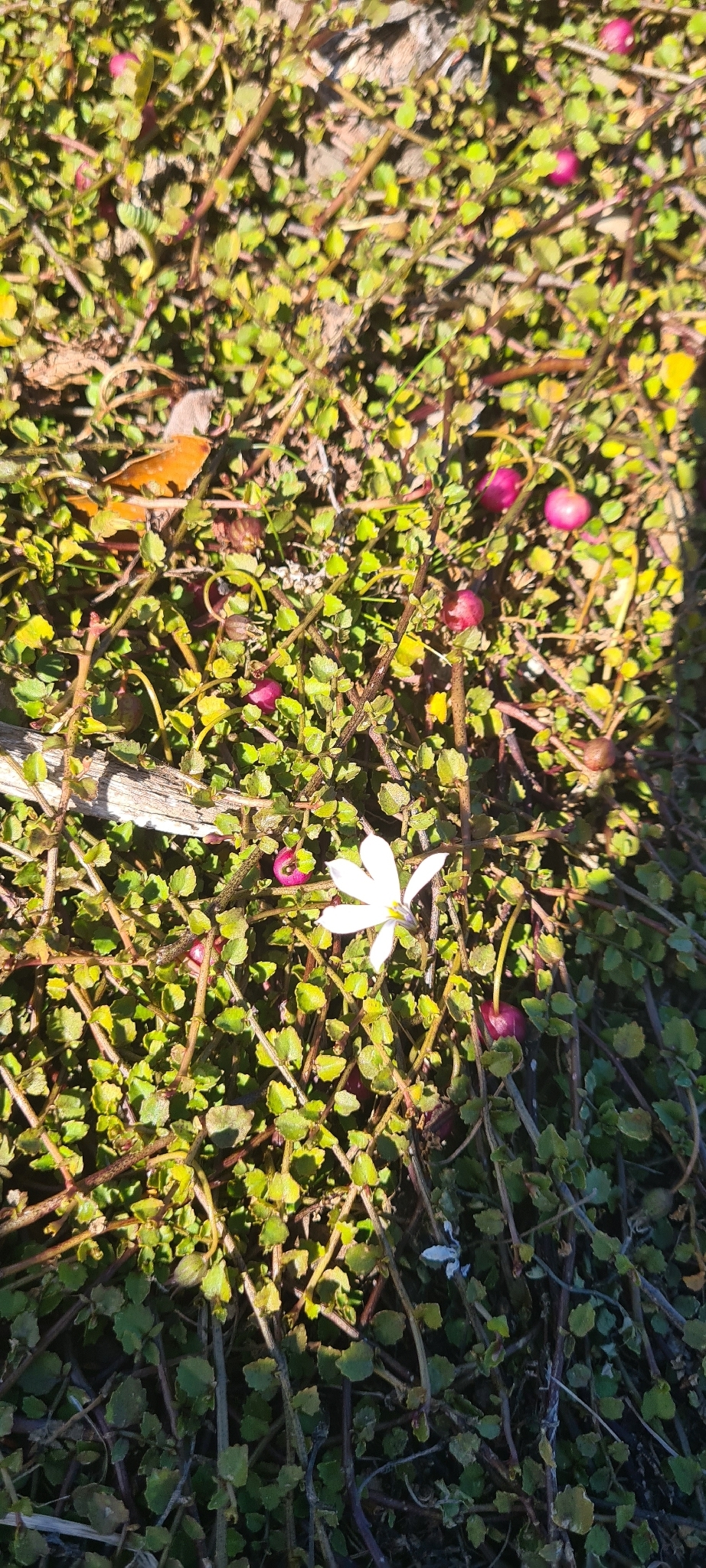
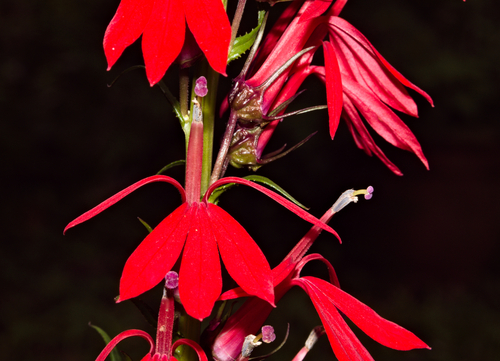
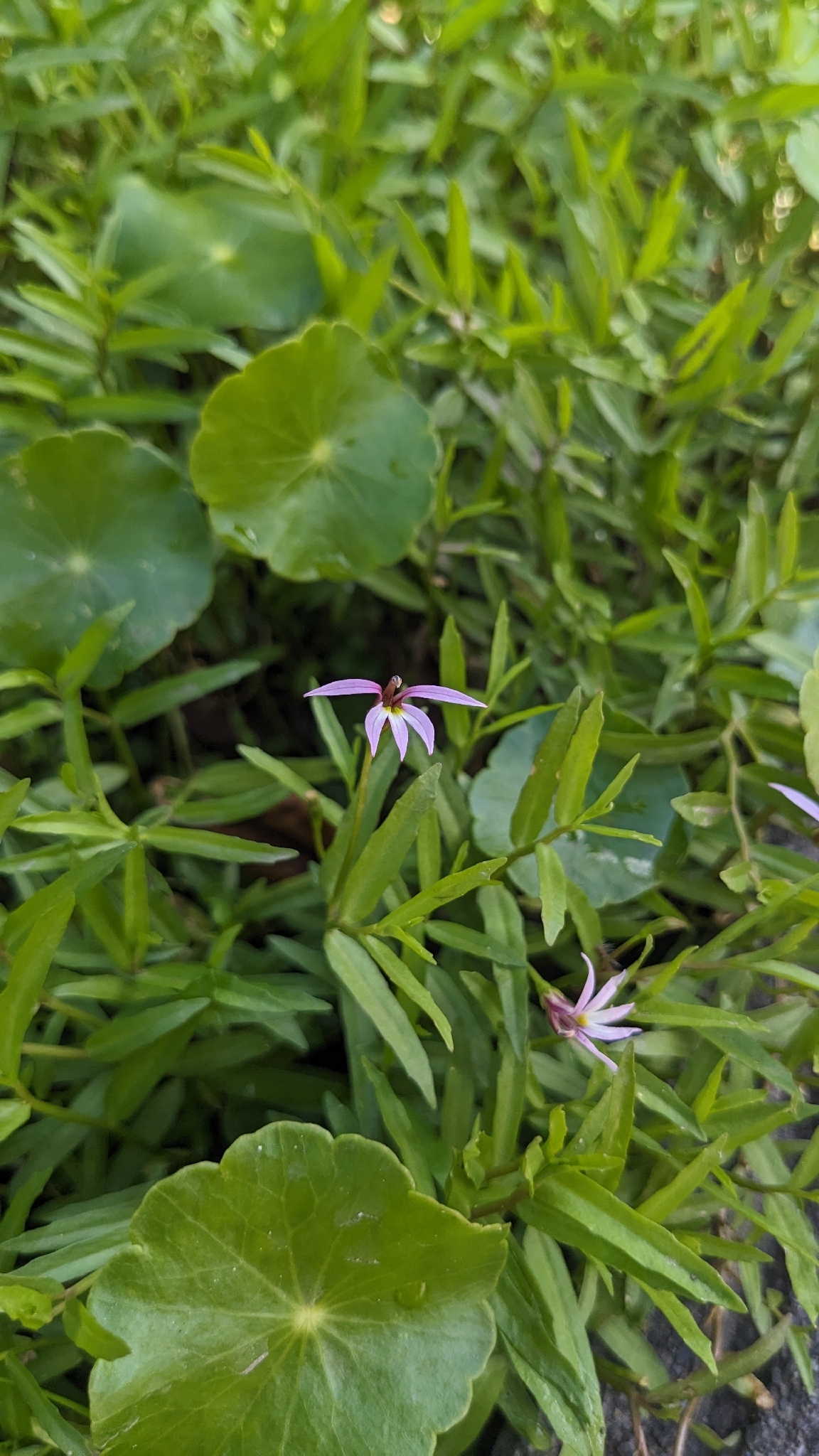
Photos of Great Blue Lobelia (Lobelia siphilitica)
Common names and botanical synonyms
Botanical classification