Water
Water consistently to keep the soil moist, especially during dry spells. Avoid waterlogged conditions, as this can lead to root rot. Allow the top few centimeters of soil to dry out slightly between waterings.
Also known as Giant Leopard's-Bane · Great False Leopard's-Bane · Great False Leopardbane
Safety note: This plant may be toxic to humans and pets. See toxicity details.
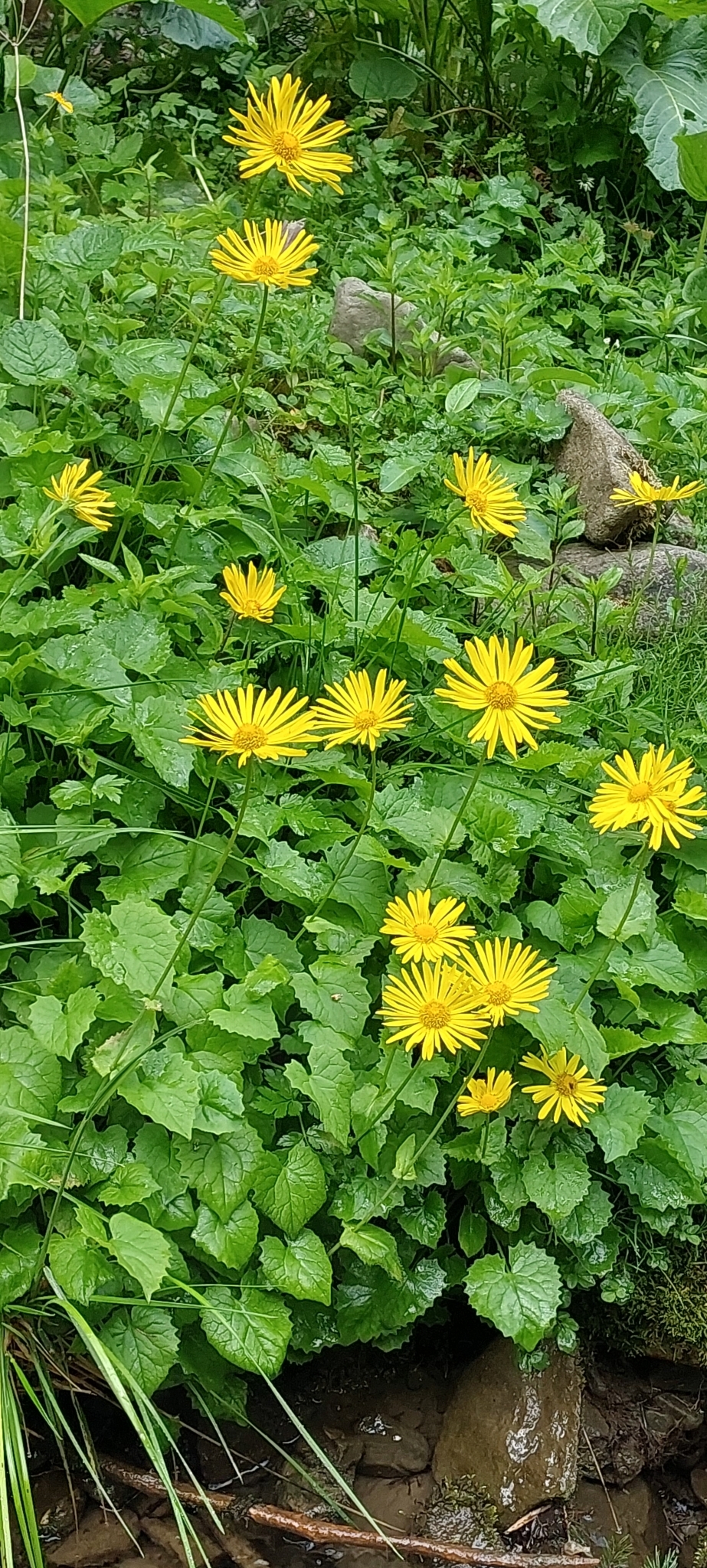
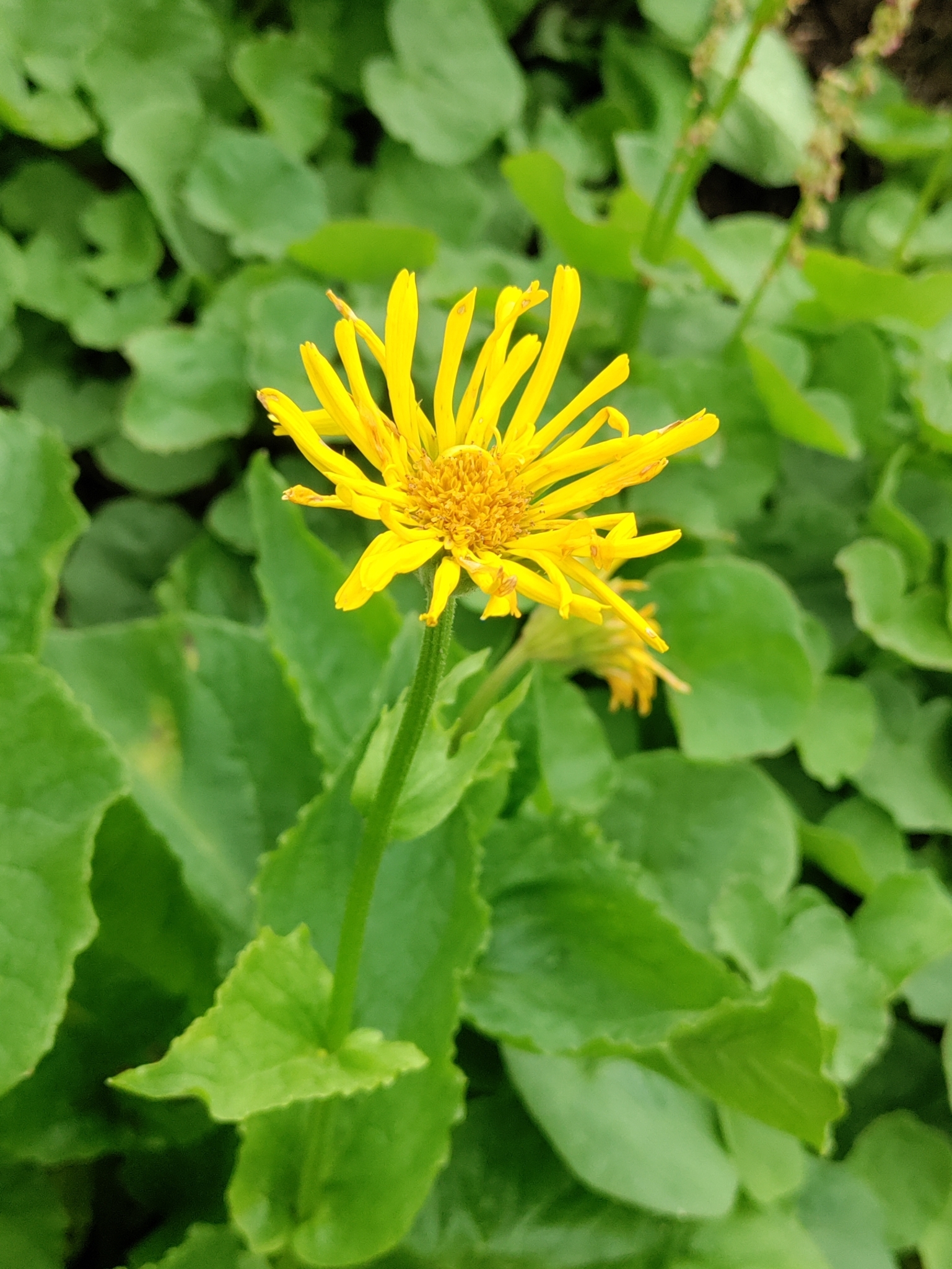
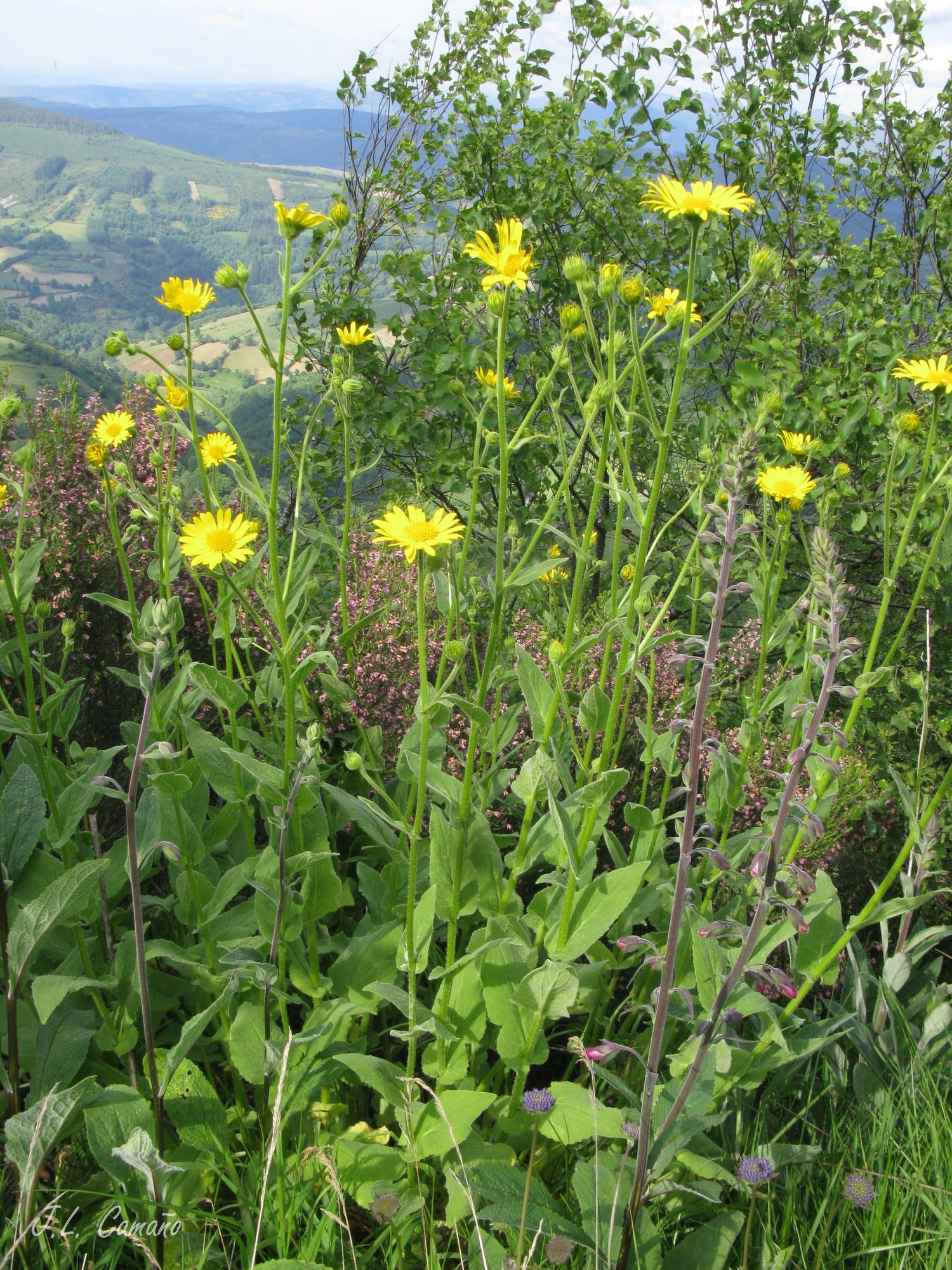
Leopard's-Bane (Doronicum pardalianches) is a perennial with daisy-like yellow flowers blooming in spring and early summer. It thrives in shady, moist conditions.
At-a-glance light, water, soil, and growing conditions from plant data
Partial shade
50% intensity
Prefers dappled shade or morning sun, especially in hotter climates.
Consistent moisture
50% intensity
Keep soil evenly moist but not waterlogged.
Loam, Clay, Sand, Acidic, Neutral, Alkaline
50% intensity
Cool to moderate
50% intensity
Thrives in cooler temperatures; may struggle in prolonged high heat.
Light feeding
25% intensity
Fertilize sparingly in spring with a balanced, slow-release option.
Safety information from plant toxicity data
| Attribute | Value |
|---|---|
| Toxic for humans | Yes 3/5 intensity |
| Toxic for pets | Yes 4/5 intensity |
| Edible | No |
All parts are toxic if ingested.
Key traits and growing stats from plant data
Watering, pruning, propagation, and repotting details from plant data
Water consistently to keep the soil moist, especially during dry spells. Avoid waterlogged conditions, as this can lead to root rot. Allow the top few centimeters of soil to dry out slightly between waterings.
Deadhead spent flowers to encourage further blooming and maintain a tidy appearance. Cut back the foliage to the ground in late autumn after it has yellowed or died back.
This improves plant health and tidiness for the next season.
Easily propagated from seed sown in autumn or early spring, or by division of established clumps in early spring or autumn. Seedlings may take a year or two to flower.
Division is the quickest method for flowering plants.
Established plants generally do not require frequent repotting. If division is performed, repot the divisions immediately into well-draining soil in their new location or containers.
This is best done in early spring before new growth begins.
Identify plants like this with ePlant AI
Snap a photo to get care tips and match similar species on the go.
Monthly activity intensity for bloom and fruit across both hemispheres.
Flowering & fruiting calendar
Flowering & fruiting calendar
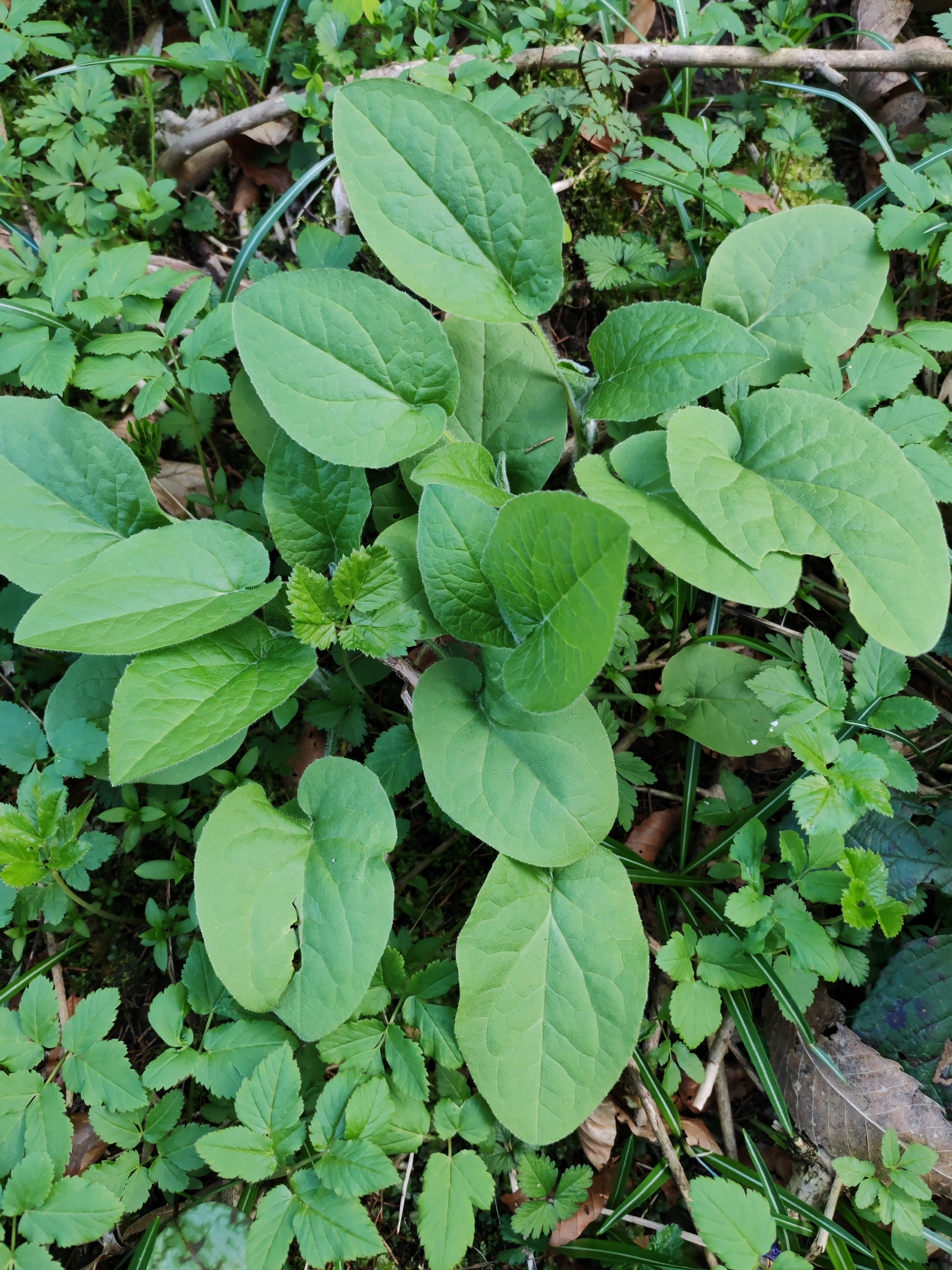
Photos of Leopard's-Bane (Doronicum pardalianches)
Where Leopard's-Bane (Doronicum pardalianches) is found

Density
Tap map to explore
Common names and botanical synonyms
Botanical classification
| Rank | Name |
|---|---|
| Kingdom | Plantae |
| Division | Tracheophyta |
| Class | Magnoliopsida |
| Order | Asterales |
| Family | Asteraceae |
| Genus | Doronicum |
| Species | Doronicum pardalianches |
Similar in genus Doronicum
Answers based on plant encyclopedia data