Water
Water regularly to keep the soil consistently moist, especially during dry periods. Avoid waterlogged conditions, as this can lead to root rot.
Allow the top inch of soil to dry out slightly between waterings once established.
Also known as Bear's Foot · Boar's-Foot · Christmas Rose
Safety note: This plant may be toxic to humans and pets. See toxicity details.
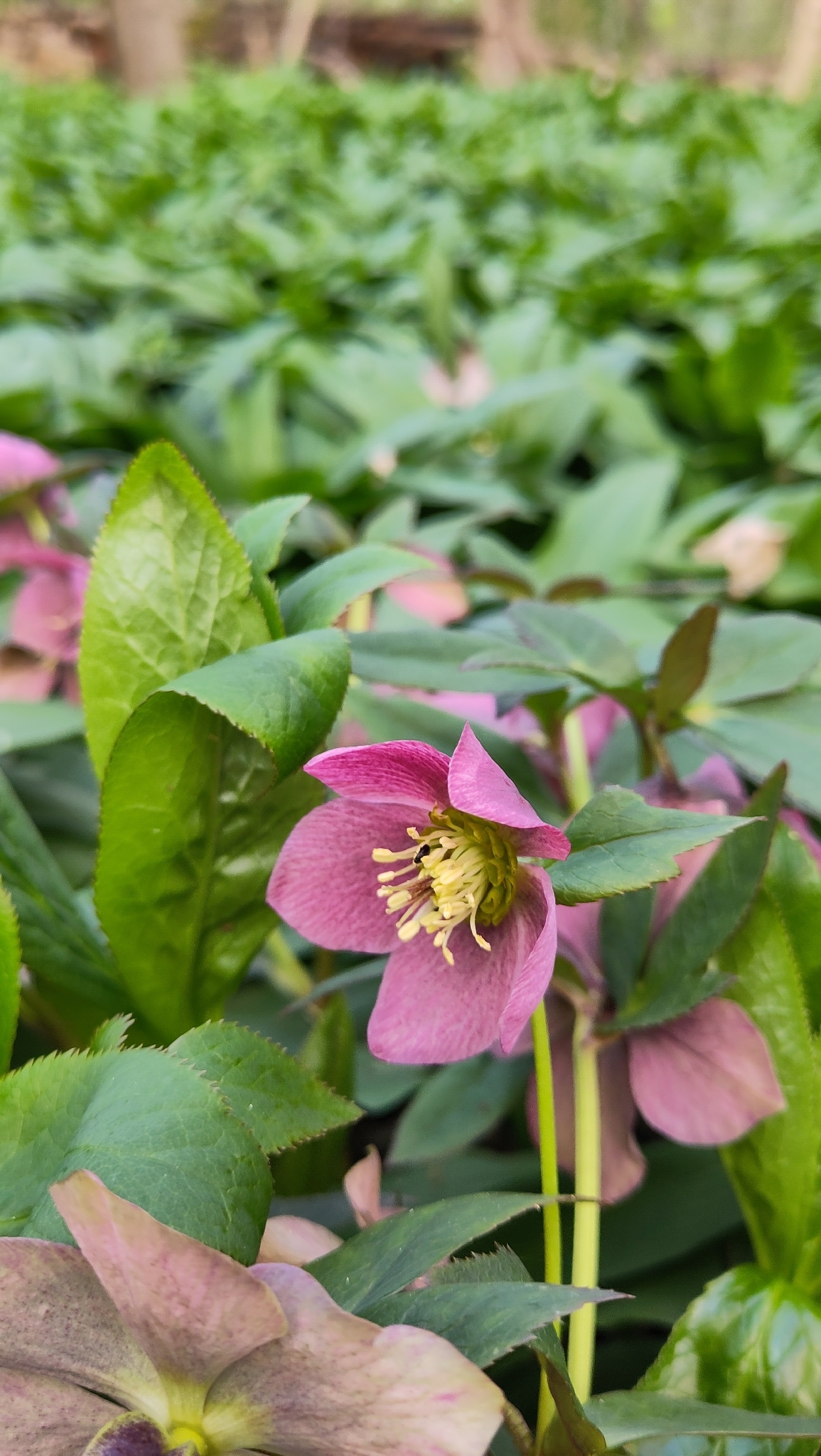
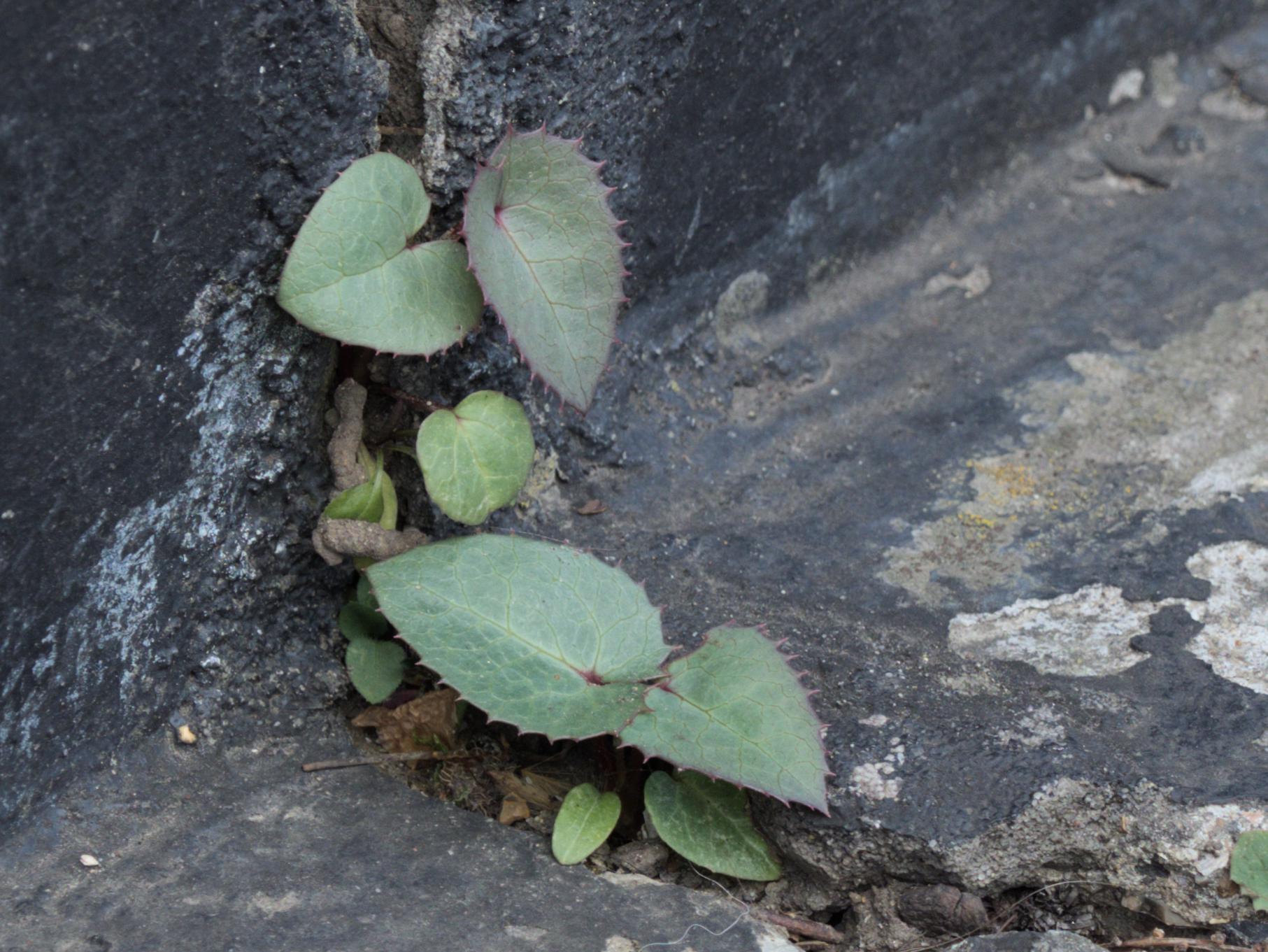
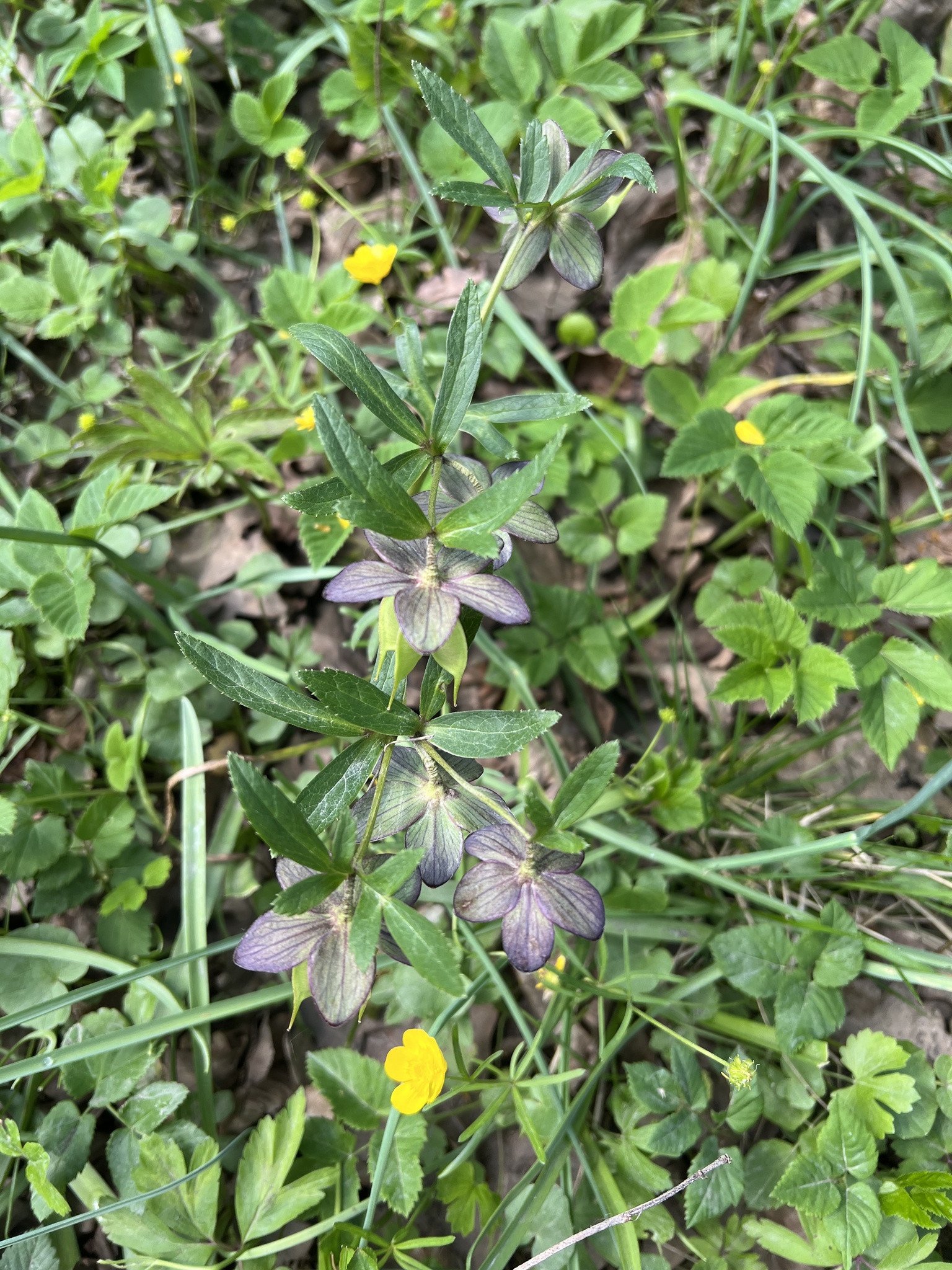
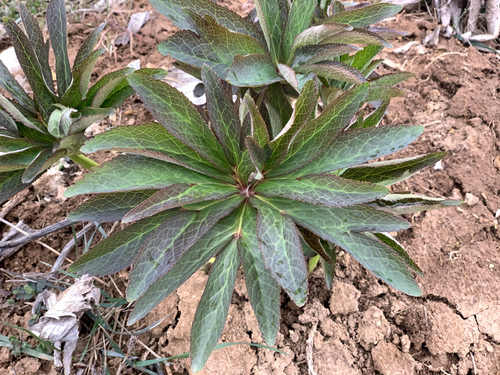
Green Hellebore (Helleborus viridis) is a rhizomatous perennial with attractive, deeply divided leaves and greenish flowers that appear in late winter or early spring.
At-a-glance light, water, soil, and growing conditions from plant data
Partial Shade to Full Shade
25% intensity
Thrives in dappled shade or under deciduous trees. Avoid direct, hot sun.
Consistent Moisture
50% intensity
Prefers evenly moist soil but dislikes waterlogged conditions.
Well-drained, Loamy, Chalky
50% intensity
Cool to Moderate
50% intensity
Prefers cooler temperatures. Hardy in USDA zones 5-8. Protect from extreme heat.
Light Feeding
25% intensity
Fertilize lightly in spring with a balanced fertilizer or compost.
Safety information from plant toxicity data
| Attribute | Value |
|---|---|
| Toxic for humans | Yes 5/5 intensity |
| Toxic for pets | Yes 5/5 intensity |
| Edible | No |
All parts are toxic if ingested.
Key traits and growing stats from plant data
Watering, pruning, propagation, and repotting details from plant data
Water regularly to keep the soil consistently moist, especially during dry periods. Avoid waterlogged conditions, as this can lead to root rot.
Allow the top inch of soil to dry out slightly between waterings once established.
Prune after flowering to remove spent flower stems. This prevents seed formation and can encourage a tidier plant habit. Remove any dead, damaged, or diseased foliage at any time of year. Avoid heavy pruning.
Propagate from fresh seeds sown in autumn, as they require a period of cold stratification. Division of established clumps in early spring or autumn is also effective.
Ensure divisions have healthy roots and at least one bud.
Repot established plants when they become pot-bound, typically every 2-3 years, in early spring or autumn. Use a well-draining potting mix.
Ensure the new pot is only slightly larger than the previous one to avoid excessive moisture retention.
Identify plants like this with ePlant AI
Snap a photo to get care tips and match similar species on the go.
Monthly activity intensity for bloom and fruit across both hemispheres.
Flowering & fruiting calendar
Flowering & fruiting calendar
Photos of Green Hellebore (Helleborus viridis)
Common names and botanical synonyms
Botanical classification
| Rank | Name |
|---|---|
| Kingdom | Plantae |
| Division | Tracheophyta |
| Class | Magnoliopsida |
| Order | Ranunculales |
| Family | Ranunculaceae |
| Genus | Helleborus |
| Species | Helleborus viridis |
Similar in genus Helleborus
Answers based on plant encyclopedia data