Water
Keep the soil consistently moist but not waterlogged, especially during dry periods. Water deeply when the top 2-3 cm of soil feels dry. Reduce watering in late summer and fall as the plant enters dormancy.
Safety note: This plant may be toxic to humans and pets. See toxicity details.
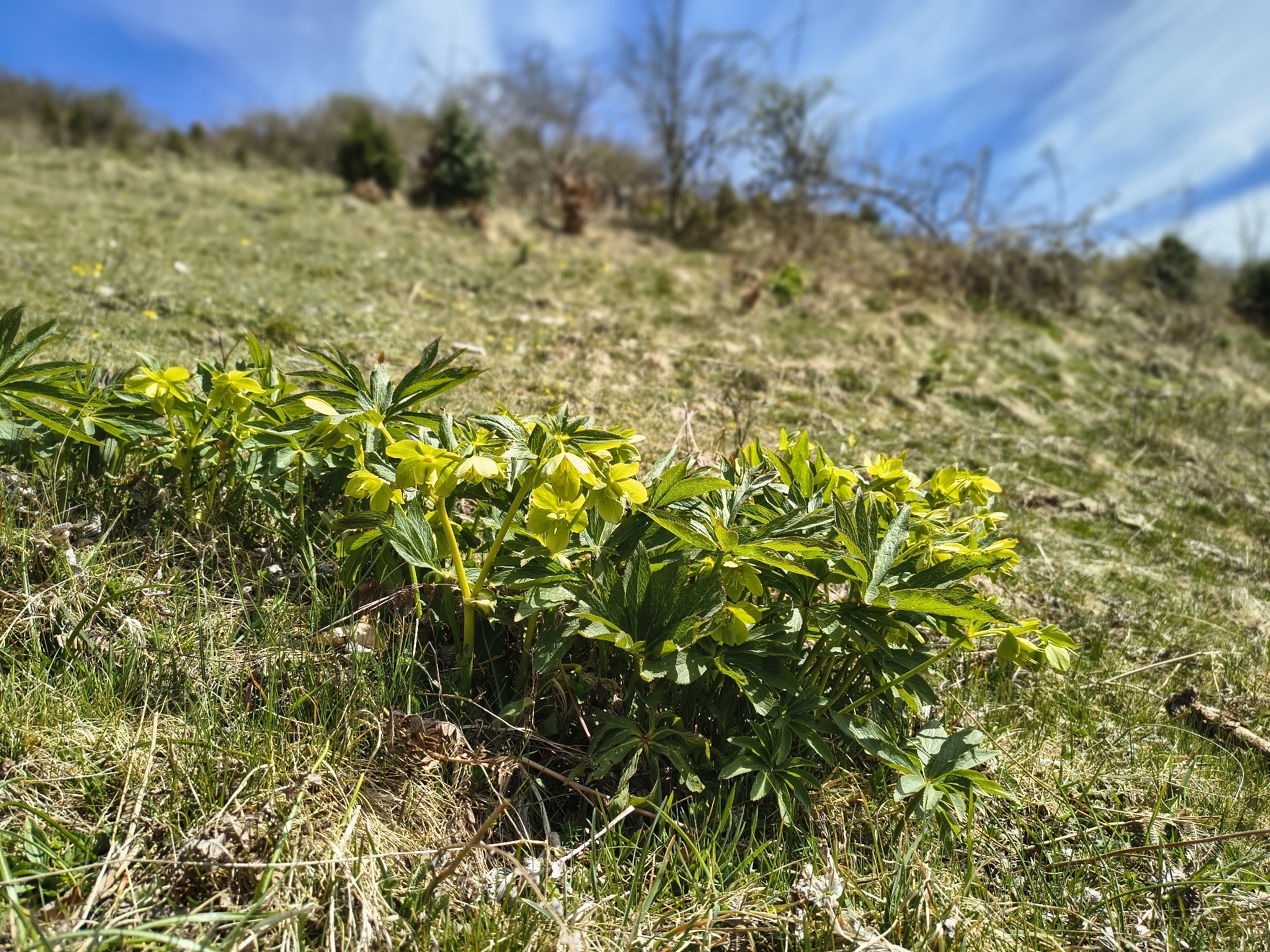
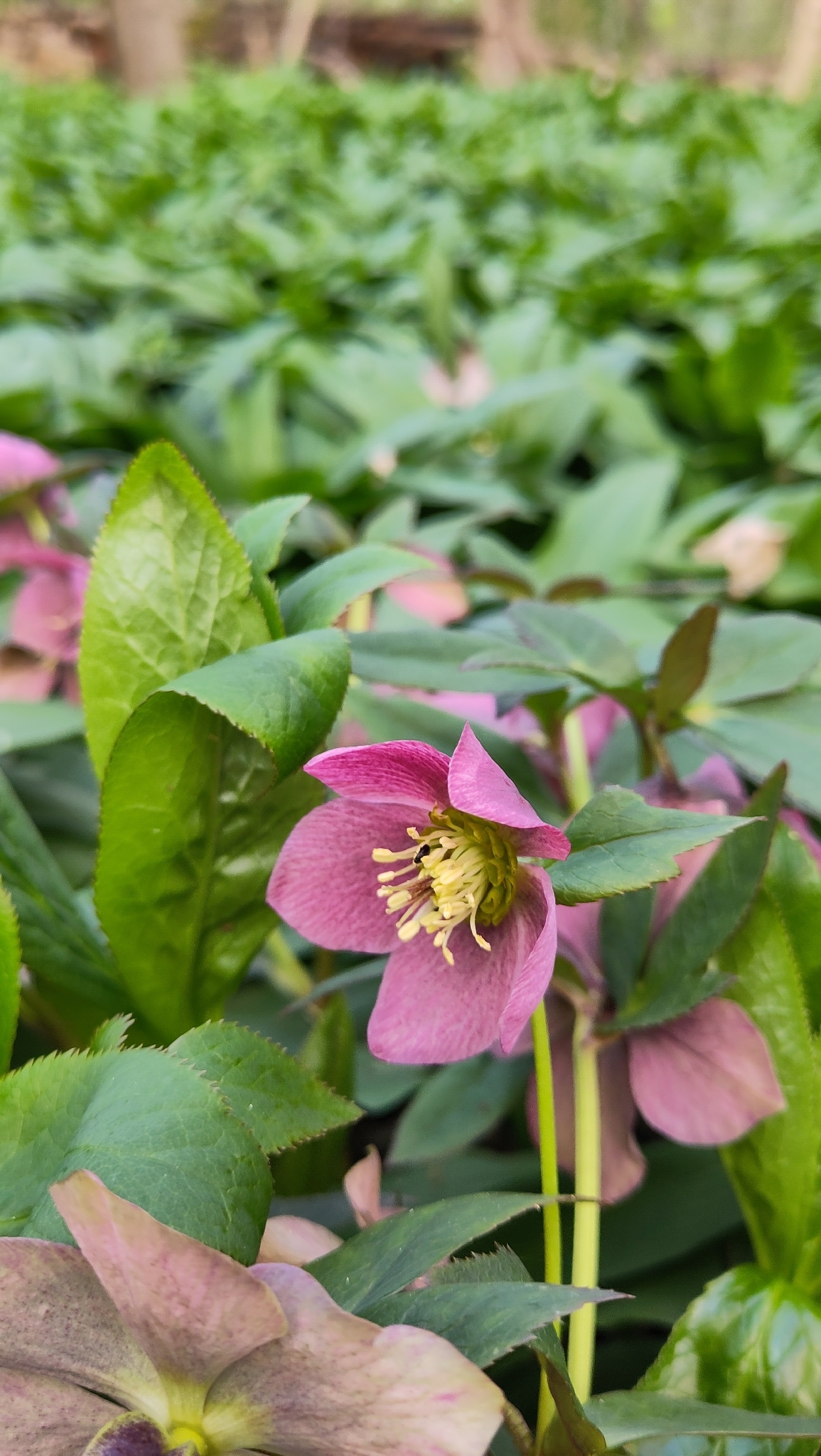
Helleborus atrorubens is a species of hellebore native to southeastern Europe, known for its early-blooming dark reddish-purple to maroon flowers.
At-a-glance light, water, soil, and growing conditions from plant data
Partial Shade
50% intensity
Thrives in dappled shade or morning sun. Protect from intense afternoon sun, which can scorch foliage.
Consistent Moisture
50% intensity
Prefers evenly moist soil; allow top layer to dry slightly between waterings. Reduce in dormancy.
Well-drained, humus-rich
50% intensity
Cool to Moderate
50% intensity
Prefers cool temperatures, especially during its growing and flowering season. Avoid extreme heat.
Outdoor
50% intensity
Light Feeding
25% intensity
Feed sparingly in early spring after flowering with a balanced fertilizer. Avoid over-fertilization.
Safety information from plant toxicity data
| Attribute | Value |
|---|---|
| Toxic for humans | Yes 5/5 intensity |
| Toxic for pets | Yes 5/5 intensity |
| Edible | No |
All parts of the plant are toxic if ingested.
Key traits and growing stats from plant data
Watering, pruning, propagation, and repotting details from plant data
Keep the soil consistently moist but not waterlogged, especially during dry periods. Water deeply when the top 2-3 cm of soil feels dry. Reduce watering in late summer and fall as the plant enters dormancy.
Remove spent flower stalks after blooming to prevent seed formation and encourage plant energy towards foliage and root development. Dead or damaged leaves can be trimmed back in late spring or early summer after flowering has finished.
Propagate by division in early autumn or early spring. Carefully separate mature clumps, ensuring each section has roots and at least one growth bud. Replant divisions immediately into well-draining soil.
Hellebores generally prefer not to be disturbed and can remain in the same pot for several years. If repotting is necessary, do so in early autumn or spring.
Use a slightly larger pot with a peat-based, well-draining potting mix.
Identify plants like this with ePlant AI
Snap a photo to get care tips and match similar species on the go.
Monthly activity intensity for bloom and fruit across both hemispheres.
Flowering & fruiting calendar
Flowering & fruiting calendar
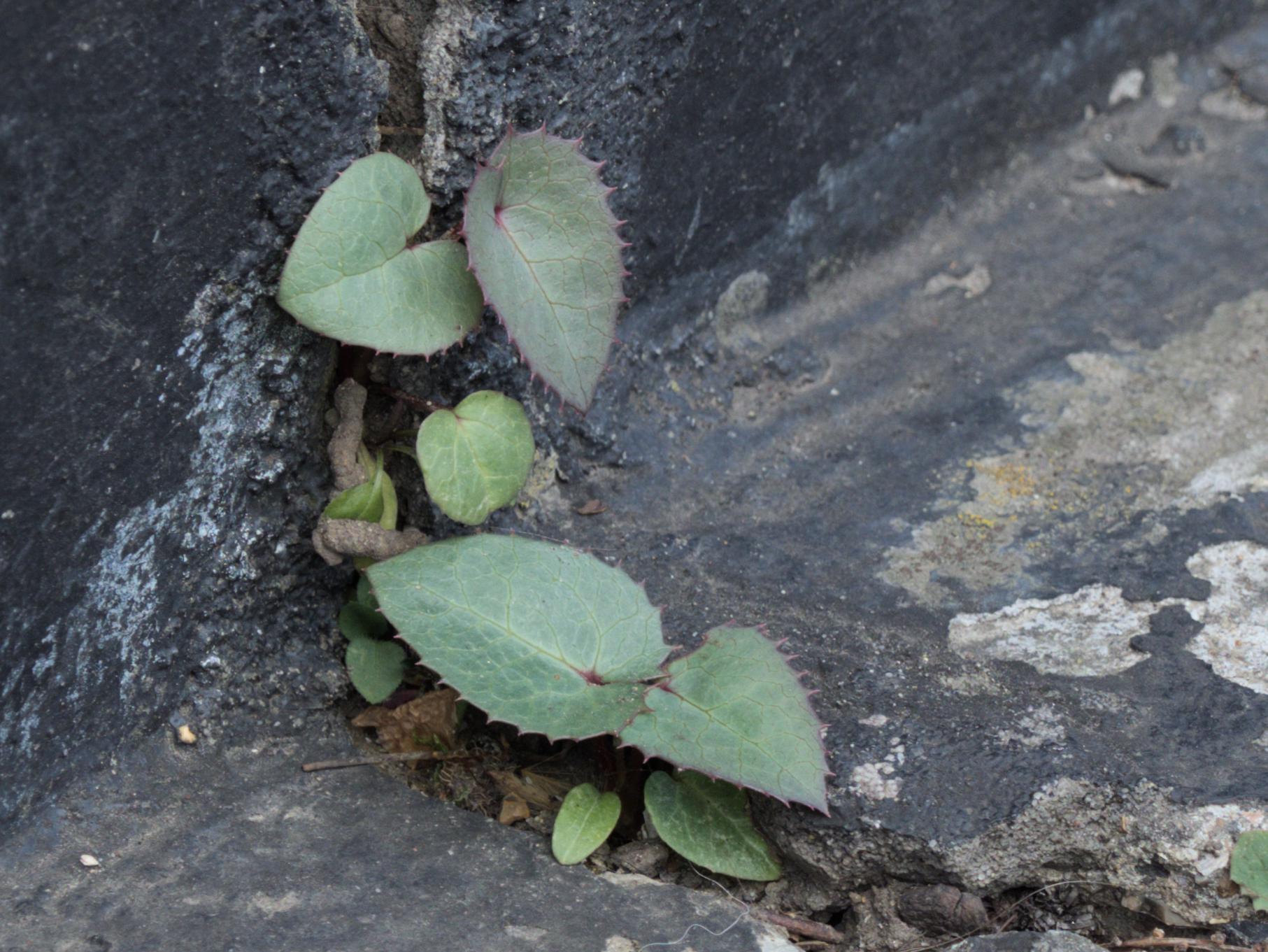
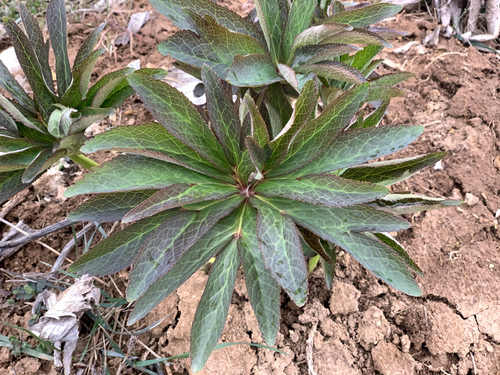
Photos of Hellebore (Helleborus atrorubens)
Where Hellebore (Helleborus atrorubens) is found

Density
Tap map to explore
Common names and botanical synonyms
Botanical classification
| Rank | Name |
|---|---|
| Kingdom | Plantae |
| Division | Tracheophyta |
| Class | Magnoliopsida |
| Order | Ranunculales |
| Family | Ranunculaceae |
| Genus | Helleborus |
| Species | Helleborus atrorubens |
Similar in genus Helleborus
Answers based on plant encyclopedia data