Water
Keep the soil consistently moist but not waterlogged. Allow the top centimeter of soil to dry out slightly between waterings. Reduce watering slightly during cooler, dormant periods.
Overwatering can lead to root rot, so ensure good drainage.
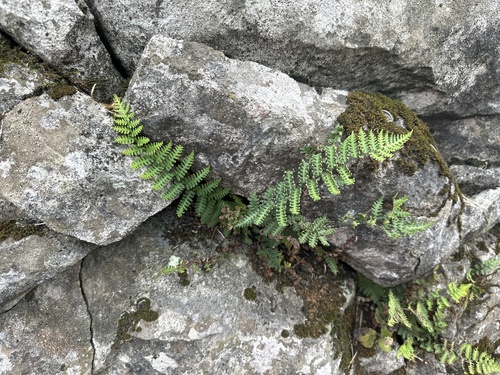
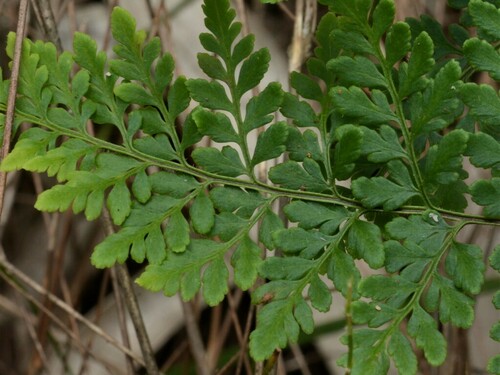
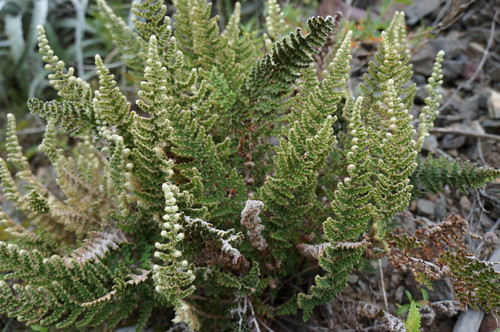
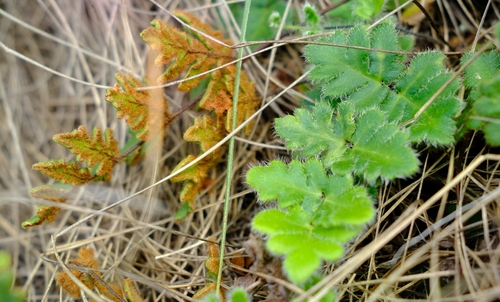
Hemionitis belangeri is a small fern native to tropical Asia, often found in humid, shaded environments. It features delicate fronds, typically dark green.
At-a-glance light, water, soil, and growing conditions from plant data
Bright Indirect Light
75% intensity
Prefers dappled or filtered sunlight. Avoid direct sun, which can scorch the delicate fronds. East-facing windows are often ideal.
Consistent Moisture
75% intensity
Keep soil evenly moist, allowing the top layer to dry slightly between waterings. Avoid waterlogged conditions.
Well-draining, humus-rich potting mix
50% intensity
Average to Warm
50% intensity
Prefers temperatures between 18-24°C (65-75°F). Avoid cold drafts and sudden temperature fluctuations.
Moderate
50% intensity
Feed with a diluted balanced liquid fertilizer during the growing season. Reduce or stop feeding in fall and winter.
Safety information from plant toxicity data
| Attribute | Value |
|---|---|
| Toxic for humans | No 0/5 intensity |
| Toxic for pets | No 0/5 intensity |
| Edible | No |
None
Key traits and growing stats from plant data
Watering, pruning, propagation, and repotting details from plant data
Keep the soil consistently moist but not waterlogged. Allow the top centimeter of soil to dry out slightly between waterings. Reduce watering slightly during cooler, dormant periods.
Overwatering can lead to root rot, so ensure good drainage.
Prune to remove any dead, damaged, or discolored fronds. Trimming can also help maintain the desired shape and size of the plant. Use clean, sharp scissors or pruning shears for a precise cut at the base of the frond.
Propagate Hemionitis belangeri through division of clumps or by spores. Division is best done during repotting in the spring. Gently separate the rhizomes with a few healthy fronds and roots.
Spore propagation is more advanced and requires specific conditions.
Repot every 1-2 years, or when the plant becomes root-bound. Use a well-draining potting mix, ideally formulated for ferns. Choose a pot that is only slightly larger than the current one to avoid overwatering issues.
Identify plants like this with ePlant AI
Snap a photo to get care tips and match similar species on the go.
Monthly activity intensity for bloom and fruit across both hemispheres.
Flowering & fruiting calendar
Flowering & fruiting calendar
Botanical classification
| Rank | Name |
|---|---|
| Kingdom | Plantae |
| Division | Tracheophyta |
| Class | Polypodiopsida |
| Order | Polypodiales |
| Family | Pteridaceae |
| Genus | Hemionitis |
| Species | Hemionitis belangeri |
Similar in genus Hemionitis
Answers based on plant encyclopedia data