Water
Water sparingly, allowing the soil to dry out completely between waterings. Overwatering is detrimental and can lead to root rot.
Reduce watering significantly during its dormant period in winter to mimic its natural habitat conditions.
Safety note: This plant may be toxic to humans and pets. See toxicity details.
Himalayan mandrake (Mandragora caulescens) is a perennial herb native to the Himalayas, known for its medicinal properties and distinctive root structure. It prefers cool
At-a-glance light, water, soil, and growing conditions from plant data
Full sun to partial shade
75% intensity
Prefers bright, indirect light or morning sun
Allow soil to dry completely between waterings
25% intensity
Reduce watering significantly in winter
Well-drained, fertile soil
50% intensity
Cool to moderate
50% intensity
Prefers temperatures between 10°C and 20°C; tolerates some frost
Outdoor
50% intensity
Minimal
10% intensity
Use a very dilute balanced fertilizer once in spring
Safety information from plant toxicity data
| Attribute | Value |
|---|---|
| Toxic for humans | Yes 5/5 intensity |
| Toxic for pets | Yes 5/5 intensity |
| Edible | No |
All parts of the plant are toxic.
Key traits and growing stats from plant data
Watering, pruning, propagation, and repotting details from plant data
Water sparingly, allowing the soil to dry out completely between waterings. Overwatering is detrimental and can lead to root rot.
Reduce watering significantly during its dormant period in winter to mimic its natural habitat conditions.
Pruning is generally not required for Mandragora caulescens. Remove any dead or damaged foliage as needed to maintain a tidy appearance. Focus on providing optimal growing conditions rather than aggressive pruning.
Propagation is primarily through seeds sown in autumn or early spring. Scarification or stratification may improve germination rates.
Division of the rootstock is also possible but can be challenging and best done during dormancy.
Repot only when necessary, typically every 2-3 years, preferably in early spring before new growth emerges. Use a well-draining, gritty soil mix.
Handle the thick taproot with care to avoid damage during the repotting process.
Identify plants like this with ePlant AI
Snap a photo to get care tips and match similar species on the go.
Monthly activity intensity for bloom and fruit across both hemispheres.
Flowering & fruiting calendar
Flowering & fruiting calendar
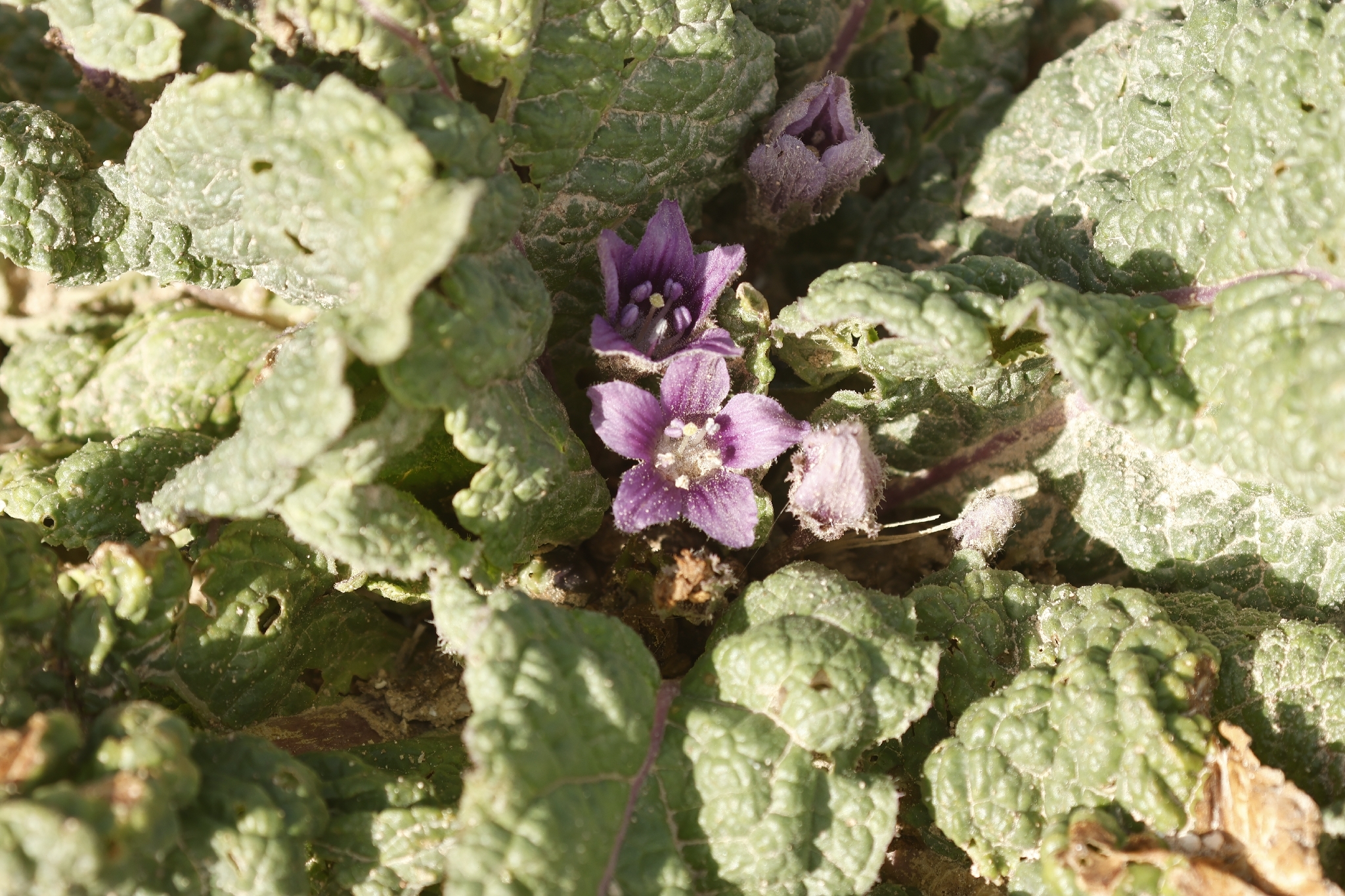
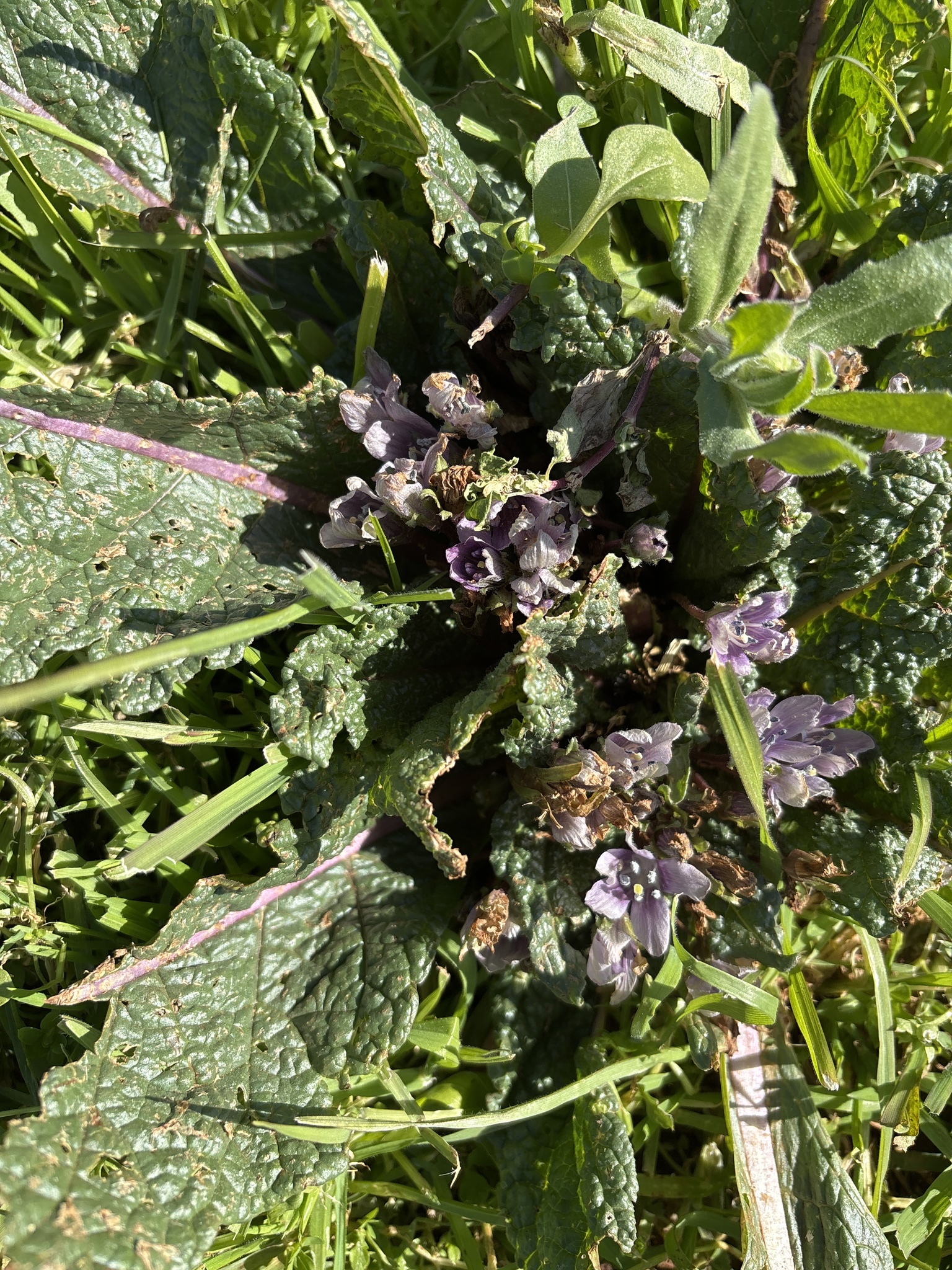
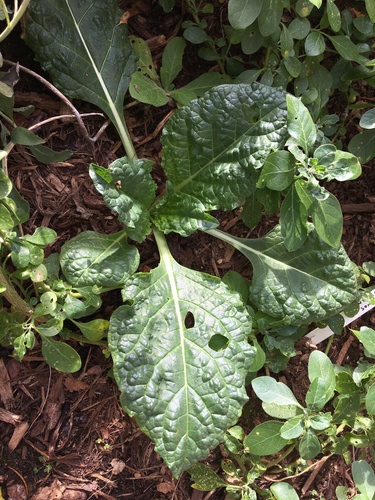
Photos of Himalayan Mandrake (Mandragora caulescens)
Where Himalayan Mandrake (Mandragora caulescens) is found

Density
Tap map to explore
Common names and botanical synonyms
Botanical classification
| Rank | Name |
|---|---|
| Kingdom | Plantae |
| Division | Tracheophyta |
| Class | Magnoliopsida |
| Order | Solanales |
| Family | Solanaceae |
| Genus | Mandragora |
| Species | Mandragora caulescens |
Similar in genus Mandragora
Answers based on plant encyclopedia data