Water
Water regularly, especially during dry spells, to maintain consistently moist soil. Avoid waterlogged conditions, which can lead to root rot. Deep watering encourages a stronger root system.
Reduce watering in cooler months when growth slows.
Also known as Eastern Hollyhock · Hollyhock · Pale Hollyhock
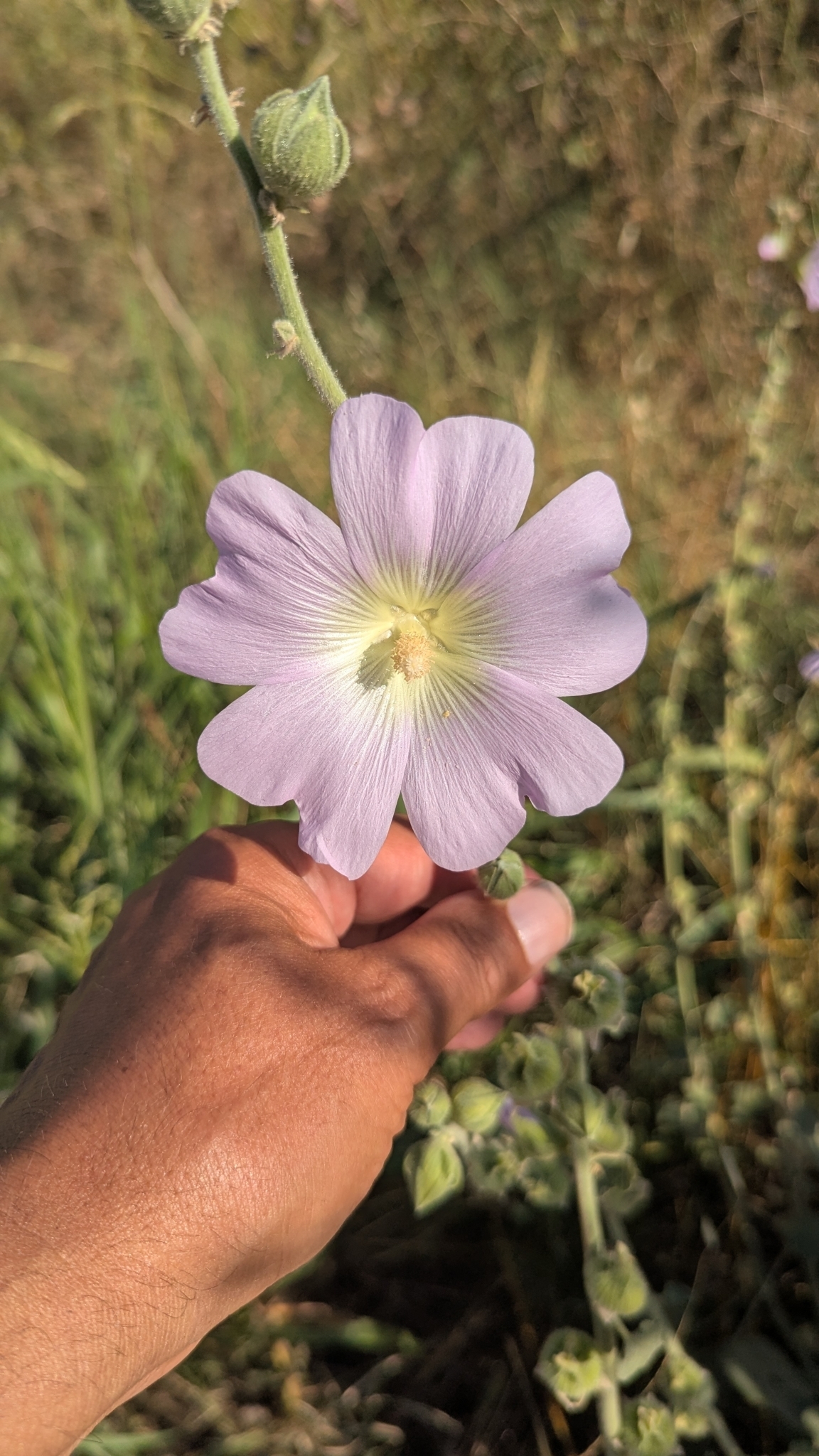
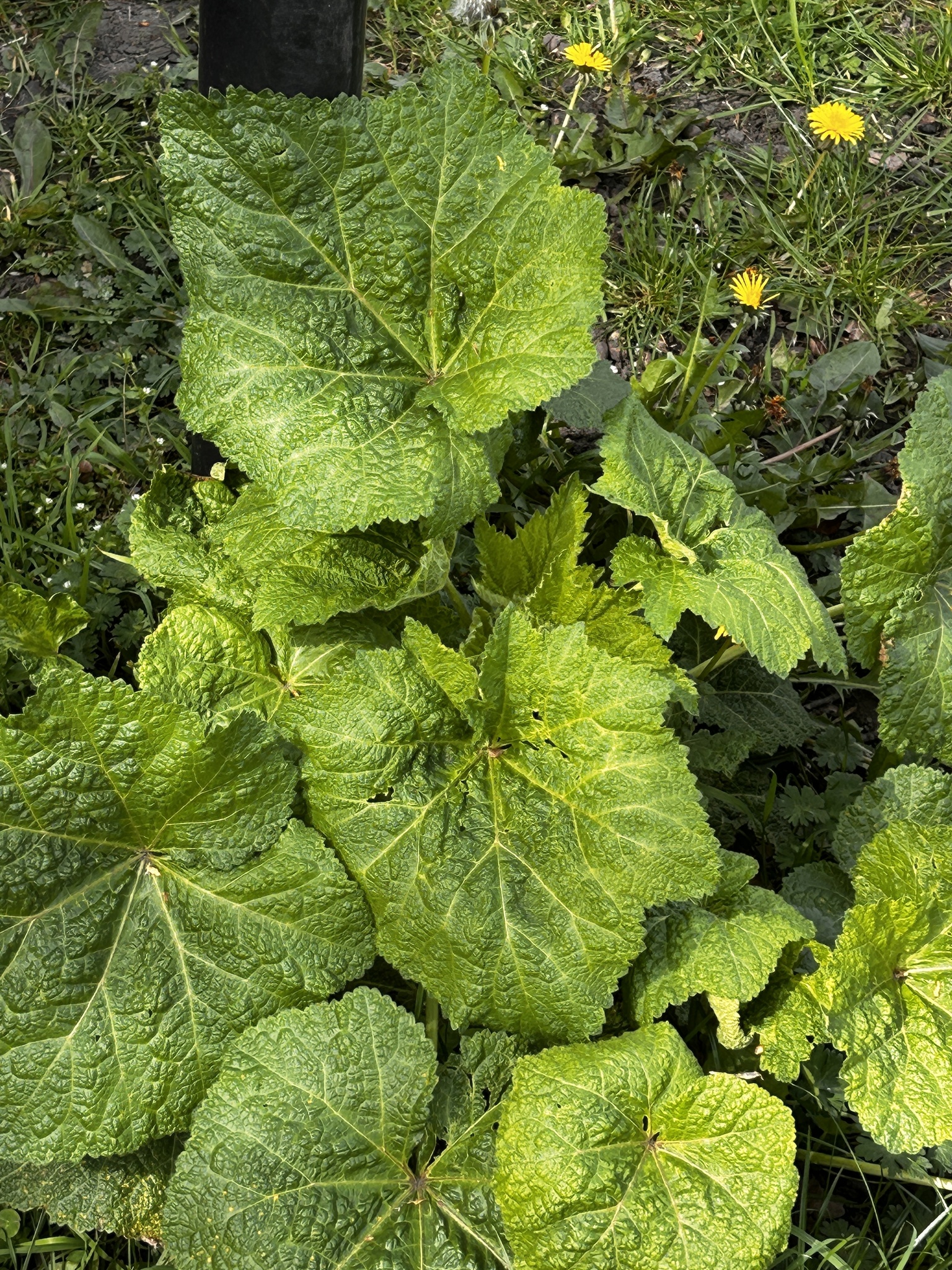
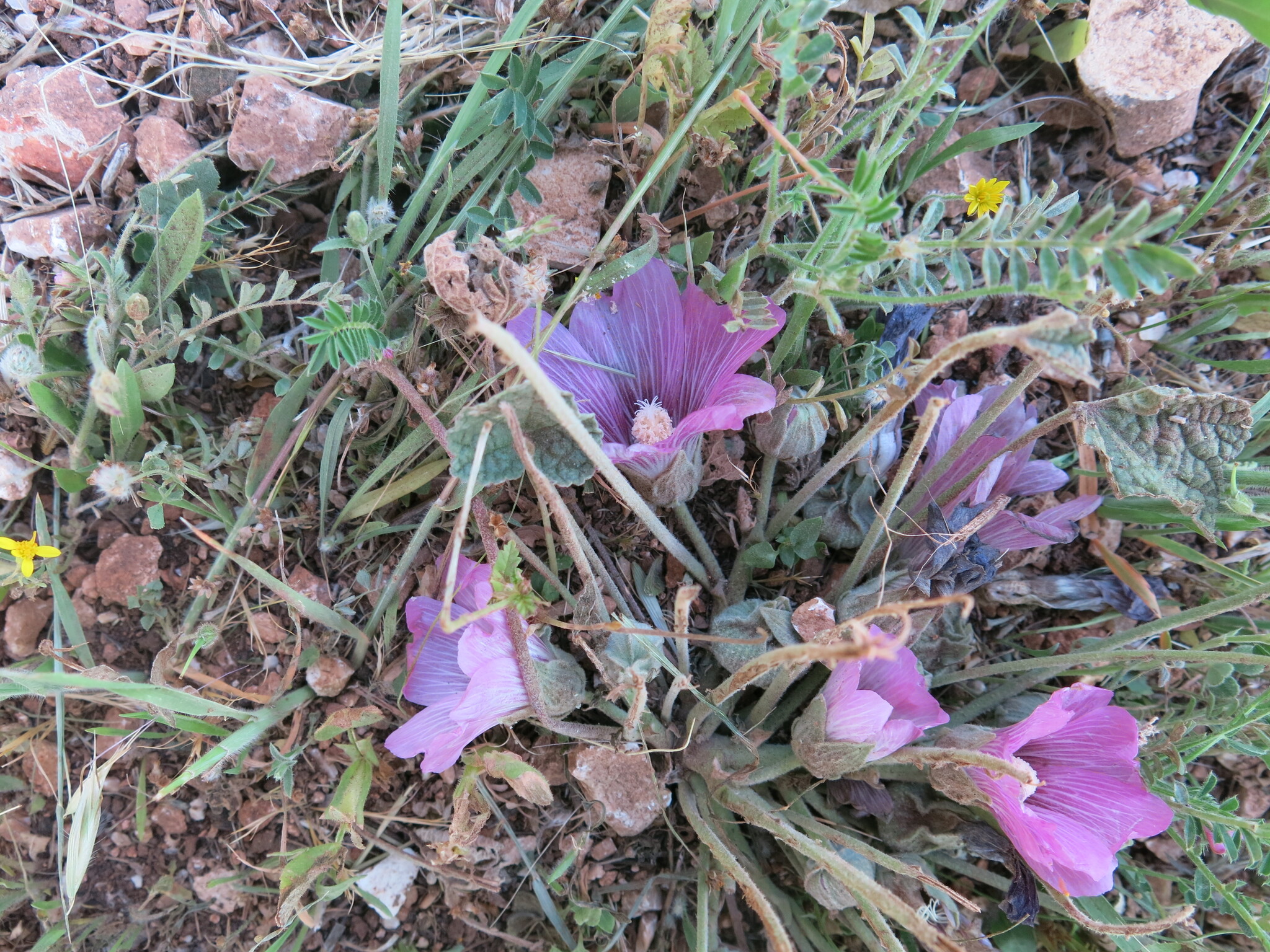
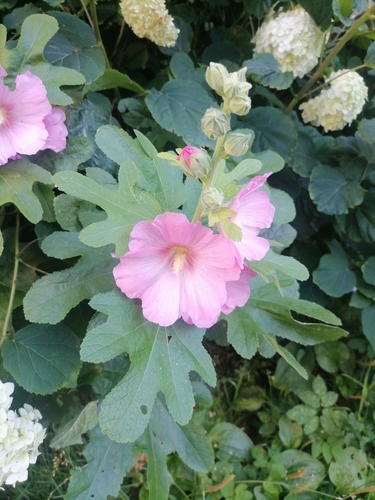
Biennial Hollyhock (Alcea biennis) is a striking flowering plant known for its tall spikes of vibrant, saucer-shaped flowers, typically blooming in their second year.
At-a-glance light, water, soil, and growing conditions from plant data
Full sun
100% intensity
Prefers at least 6-8 hours of direct sunlight daily.
Consistent moisture
75% intensity
Keep soil evenly moist but not waterlogged.
Well-drained, fertile soil
50% intensity
Hardy
50% intensity
Prefers cooler temperatures, suitable for USDA zones 3-8.
Low to moderate
25% intensity
Fertilize sparingly; avoid over-fertilization.
Safety information from plant toxicity data
| Attribute | Value |
|---|---|
| Toxic for humans | No 0/5 intensity |
| Toxic for pets | No 0/5 intensity |
Non-toxic
Key traits and growing stats from plant data
Watering, pruning, propagation, and repotting details from plant data
Water regularly, especially during dry spells, to maintain consistently moist soil. Avoid waterlogged conditions, which can lead to root rot. Deep watering encourages a stronger root system.
Reduce watering in cooler months when growth slows.
Deadhead spent flowers regularly to encourage further blooming and prevent self-seeding if not desired. In late autumn, after flowering, cut back the dead stems to about 15 cm from the ground.
This helps prevent disease overwintering.
Propagate by seeds sown directly in the garden in late spring or early summer, or start indoors 6-8 weeks before the last frost. Seeds germinate best with light and consistent moisture.
It can also be propagated by division in spring.
Biennial hollyhocks are typically grown as annuals or biennials and are not usually repotted. If grown in pots for overwintering, use a well-draining potting mix and a pot large enough to accommodate the root system.
Repot in early spring.
Identify plants like this with ePlant AI
Snap a photo to get care tips and match similar species on the go.
Monthly activity intensity for bloom and fruit across both hemispheres.
Flowering & fruiting calendar
Photos of Biennial Hollyhock (Alcea biennis)
Where Biennial Hollyhock (Alcea biennis) is found

Density
Tap map to explore
Common names and botanical synonyms
Botanical classification
| Rank | Name |
|---|---|
| Kingdom | Plantae |
| Division | Tracheophyta |
| Class | Magnoliopsida |
| Order | Malvales |
| Family | Malvaceae |
| Genus | Alcea |
| Species | Alcea biennis |
Similar in genus Alcea
Answers based on plant encyclopedia data