Water
Water thoroughly when the top 2-3 cm of soil feels dry to the touch. Allow the soil to dry out slightly between waterings, especially during the dormant period. Overwatering can lead to root rot, so ensure good drainage.
Also known as Common Hound's-Tongue · Common Houndstongue · Cuneglæsse
Safety note: This plant may be toxic to humans and pets. See toxicity details.
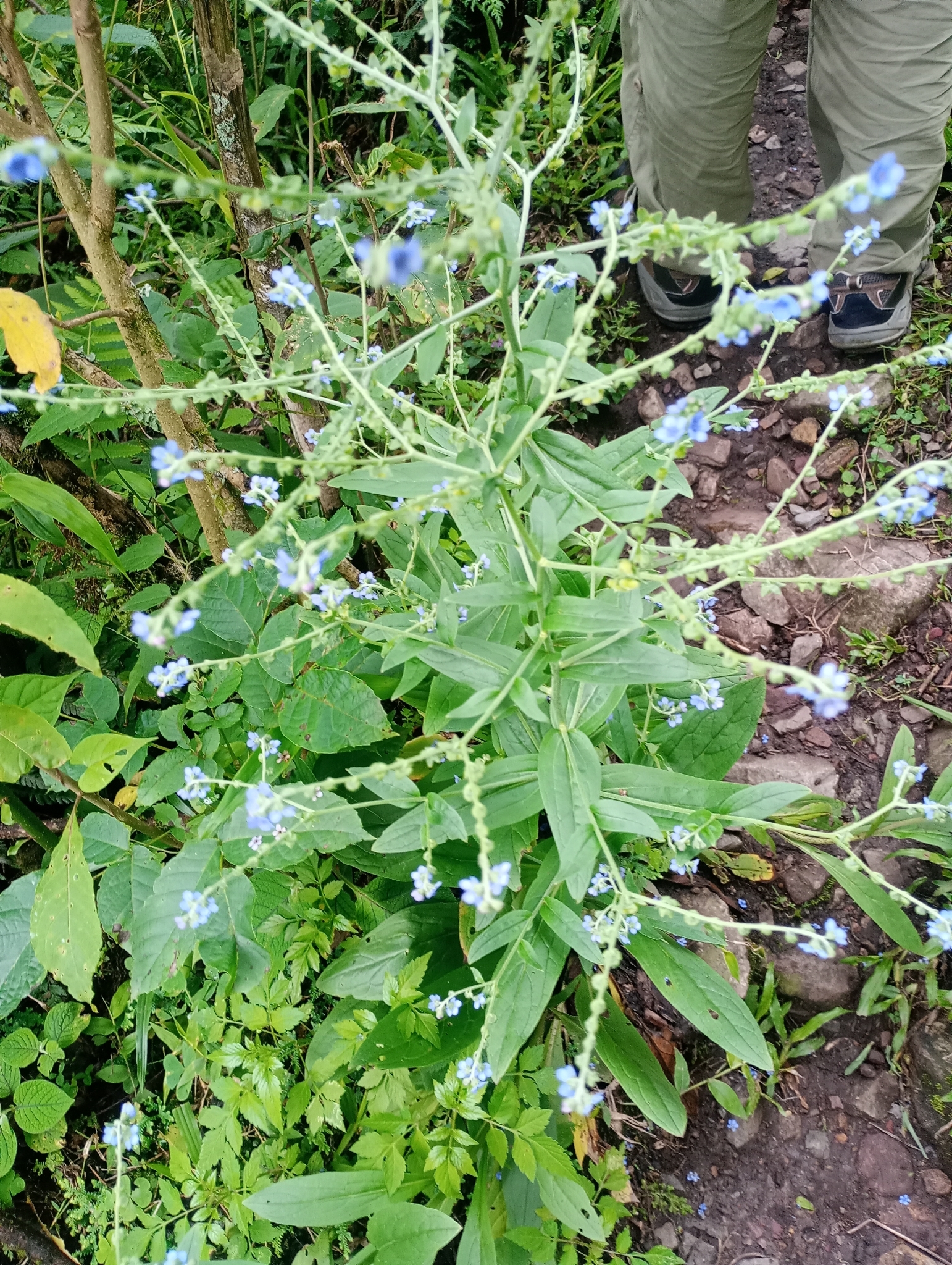
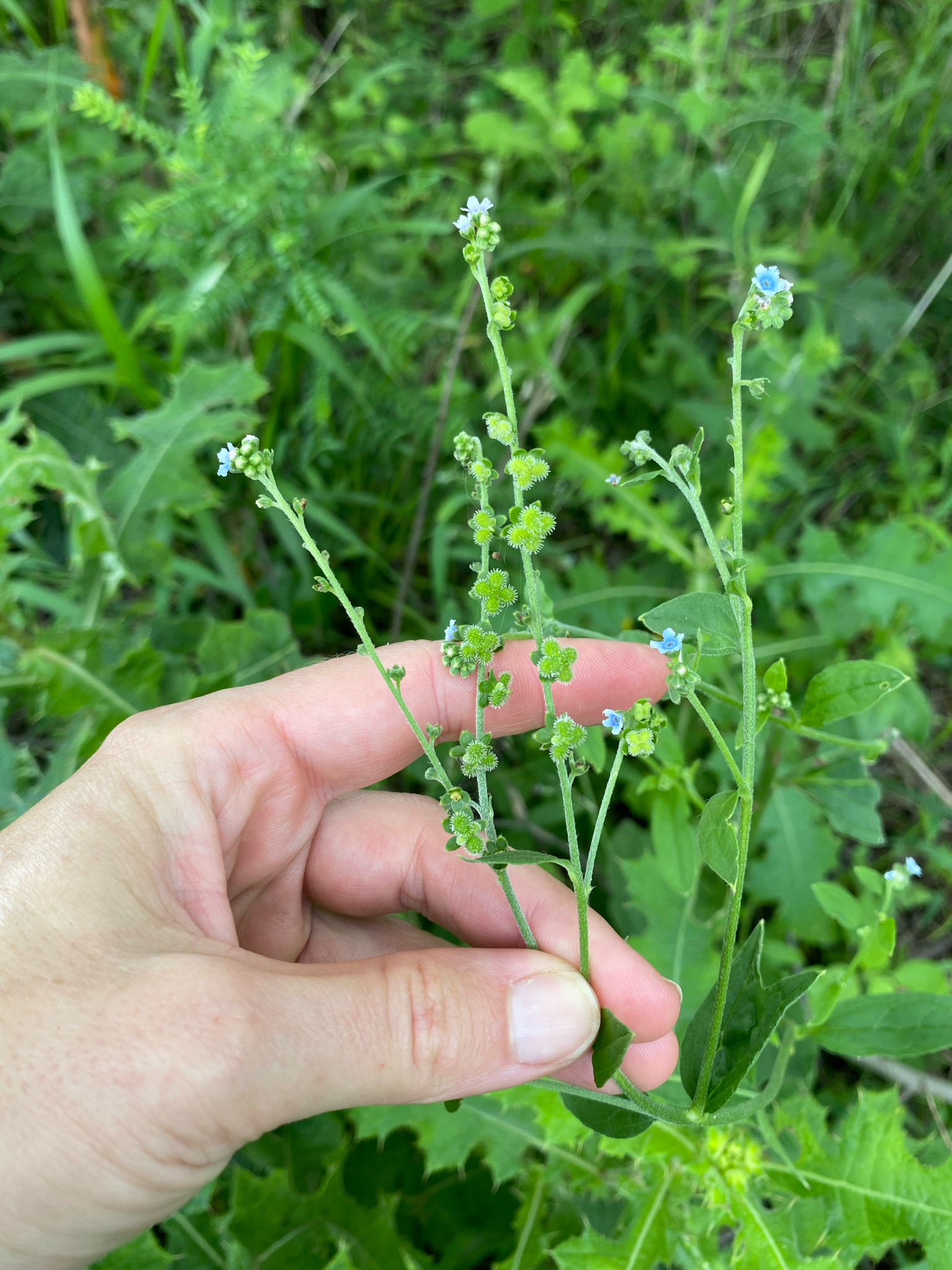
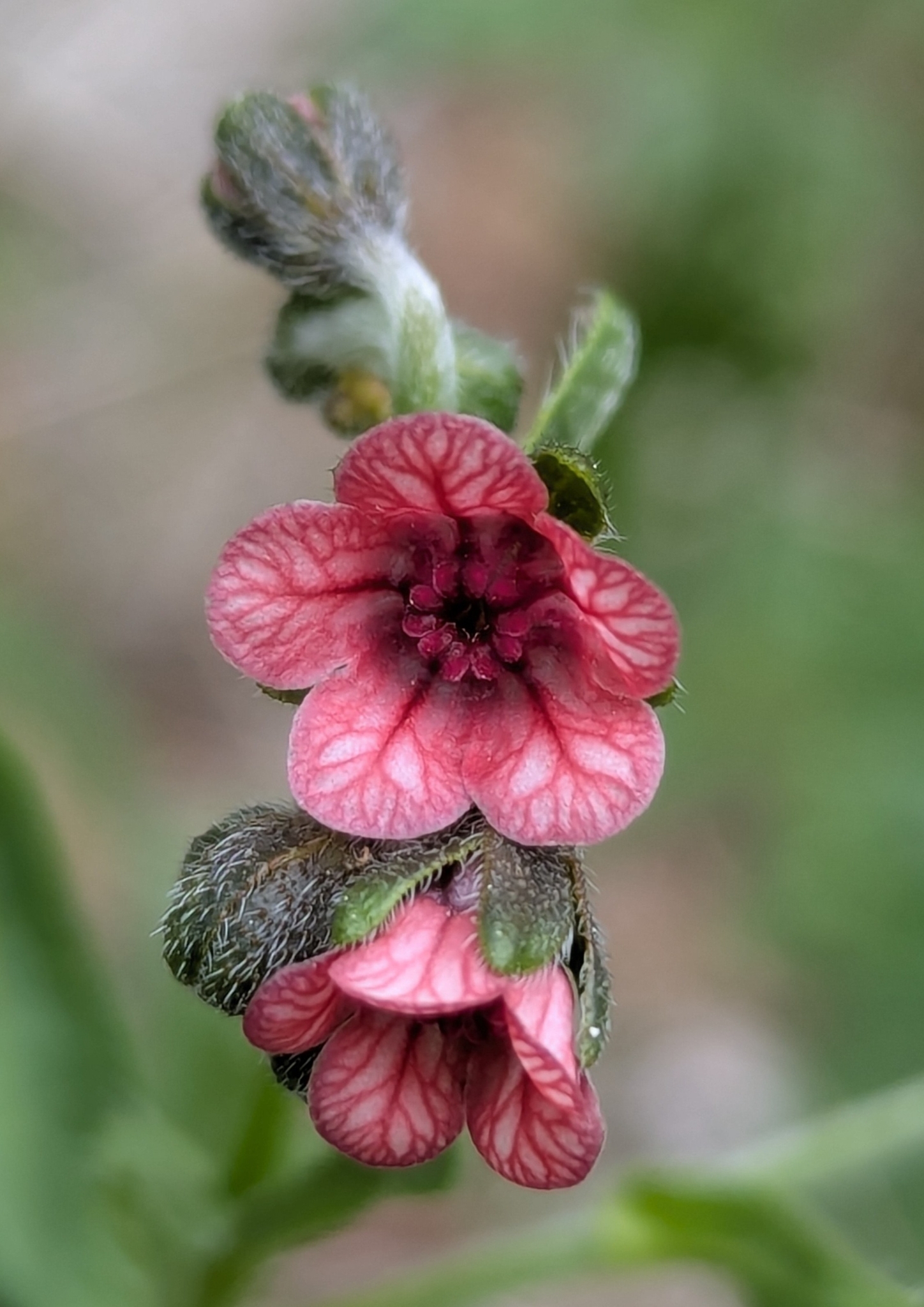
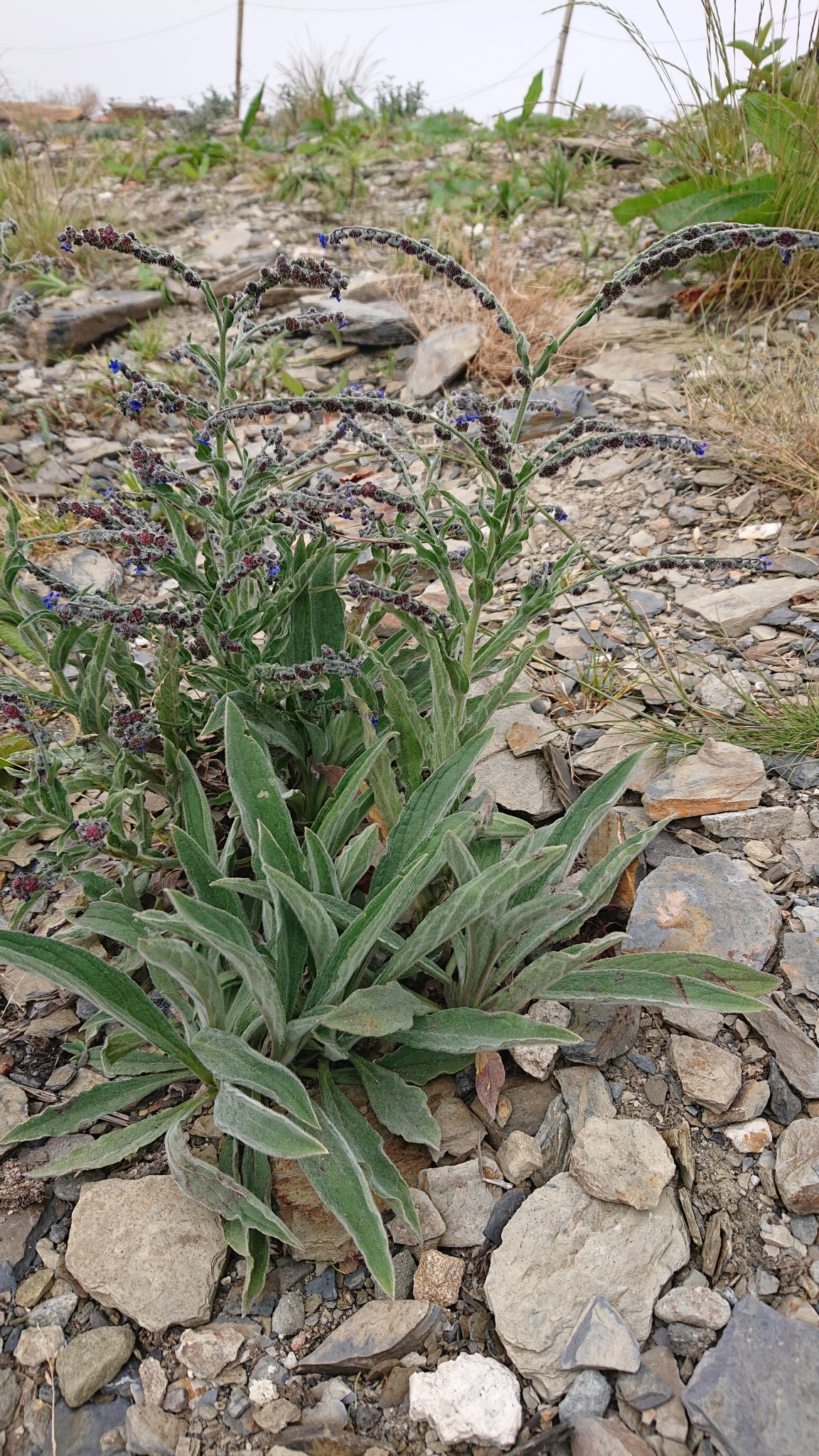
Gypsyflower (Cynoglossum officinale) is a biennial herb known for its bristly foliage and clusters of small, usually reddish-purple flowers. It's often found in dry, dist
At-a-glance light, water, soil, and growing conditions from plant data
Full Sun
100% intensity
Prefers at least 6-8 hours of direct sunlight daily.
Moderate
50% intensity
Allow soil to dry slightly between waterings.
Well-drained, sandy loam
50% intensity
Moderate
50% intensity
Hardy in USDA zones 4-8. Prefers average temperatures.
Low
25% intensity
Benefits from light feeding in spring; avoid over-fertilization.
Safety information from plant toxicity data
| Attribute | Value |
|---|---|
| Toxic for humans | Yes 4/5 intensity |
| Toxic for pets | Yes 4/5 intensity |
| Edible | No |
Contains pyrrolizidine alkaloids, toxic to liver if ingested.
Key traits and growing stats from plant data
Watering, pruning, propagation, and repotting details from plant data
Water thoroughly when the top 2-3 cm of soil feels dry to the touch. Allow the soil to dry out slightly between waterings, especially during the dormant period. Overwatering can lead to root rot, so ensure good drainage.
Pruning is generally not required for *Cynoglossum officinale*, as it is often grown as a biennial or short-lived perennial.
Remove spent flower stalks to prevent self-seeding if desired, or to maintain a tidier appearance. Deadhead to encourage a longer bloom period.
Propagate by seed sown in situ or in pots in early spring or autumn. Seeds may require a period of cold stratification. Young plants can also be divided in spring, though this is less common for this species.
Repotting is rarely necessary for *Cynoglossum officinale*. As a biennial or short-lived perennial, it is often treated as an annual or allowed to self-seed.
If a container plant becomes root-bound, repot in spring to a slightly larger container with fresh potting mix.
Identify plants like this with ePlant AI
Snap a photo to get care tips and match similar species on the go.
Monthly activity intensity for bloom and fruit across both hemispheres.
Flowering & fruiting calendar
Flowering & fruiting calendar
Photos of Gypsyflower (Cynoglossum officinale)
Common names and botanical synonyms
Botanical classification
| Rank | Name |
|---|---|
| Kingdom | Plantae |
| Division | Tracheophyta |
| Class | Magnoliopsida |
| Order | Boraginales |
| Family | Boraginaceae |
| Genus | Cynoglossum |
| Species | Cynoglossum officinale |
Similar in genus Cynoglossum
Answers based on plant encyclopedia data