Water
Water thoroughly when the top 2-3 cm of soil feels dry. Avoid overwatering, as this can lead to root rot. Reduce watering frequency during winter months when the plant's growth slows down.
Ensure good drainage to prevent waterlogging.
Also known as Hyssop Spurge · Hyssop-Leaf Broomspurge · Hyssop-Leaf Sandmat
Safety note: This plant may be toxic to humans and pets. See toxicity details.
Euphorbia hyssopifolia is a fast-growing annual herb known for its delicate foliage and small, inconspicuous flowers. It thrives in warm climates and sandy soils.
At-a-glance light, water, soil, and growing conditions from plant data
Full sun to partial shade.
75% intensity
Prefers at least 6 hours of direct sunlight daily for best growth.
Allow soil to dry out slightly between waterings.
50% intensity
Drought tolerant, but prefers consistent moisture.
Well-drained
50% intensity
Prefers warm temperatures.
50% intensity
Ideal range is 18-24°C. Can tolerate slightly cooler temperatures in winter if kept dry.
Feed occasionally during growing season.
25% intensity
Use a balanced liquid fertilizer diluted to half strength once a month in spring and summer.
Safety information from plant toxicity data
| Attribute | Value |
|---|---|
| Toxic for humans | Yes 5/5 intensity |
| Toxic for pets | Yes 5/5 intensity |
| Edible | No |
Skin irritant, gastrointestinal irritant
Key traits and growing stats from plant data
Watering, pruning, propagation, and repotting details from plant data
Water thoroughly when the top 2-3 cm of soil feels dry. Avoid overwatering, as this can lead to root rot. Reduce watering frequency during winter months when the plant's growth slows down.
Ensure good drainage to prevent waterlogging.
Prune to maintain shape and encourage bushier growth. Remove dead, damaged, or leggy stems as needed. Light pruning can be done in spring before new growth begins. Pinching back tips will promote a more compact form.
Propagate from stem cuttings taken in spring or early summer. Allow cuttings to callus for a few days before planting in well-draining potting mix.
Rooting is typically successful with bottom heat and consistent moisture.
Repot every 1-2 years, or when the plant becomes root-bound. Choose a pot that is only slightly larger than the current one. Use a well-draining potting mix, such as a cactus or succulent blend. Repot in spring.
Identify plants like this with ePlant AI
Snap a photo to get care tips and match similar species on the go.
Monthly activity intensity for bloom and fruit across both hemispheres.
Flowering & fruiting calendar
Flowering & fruiting calendar
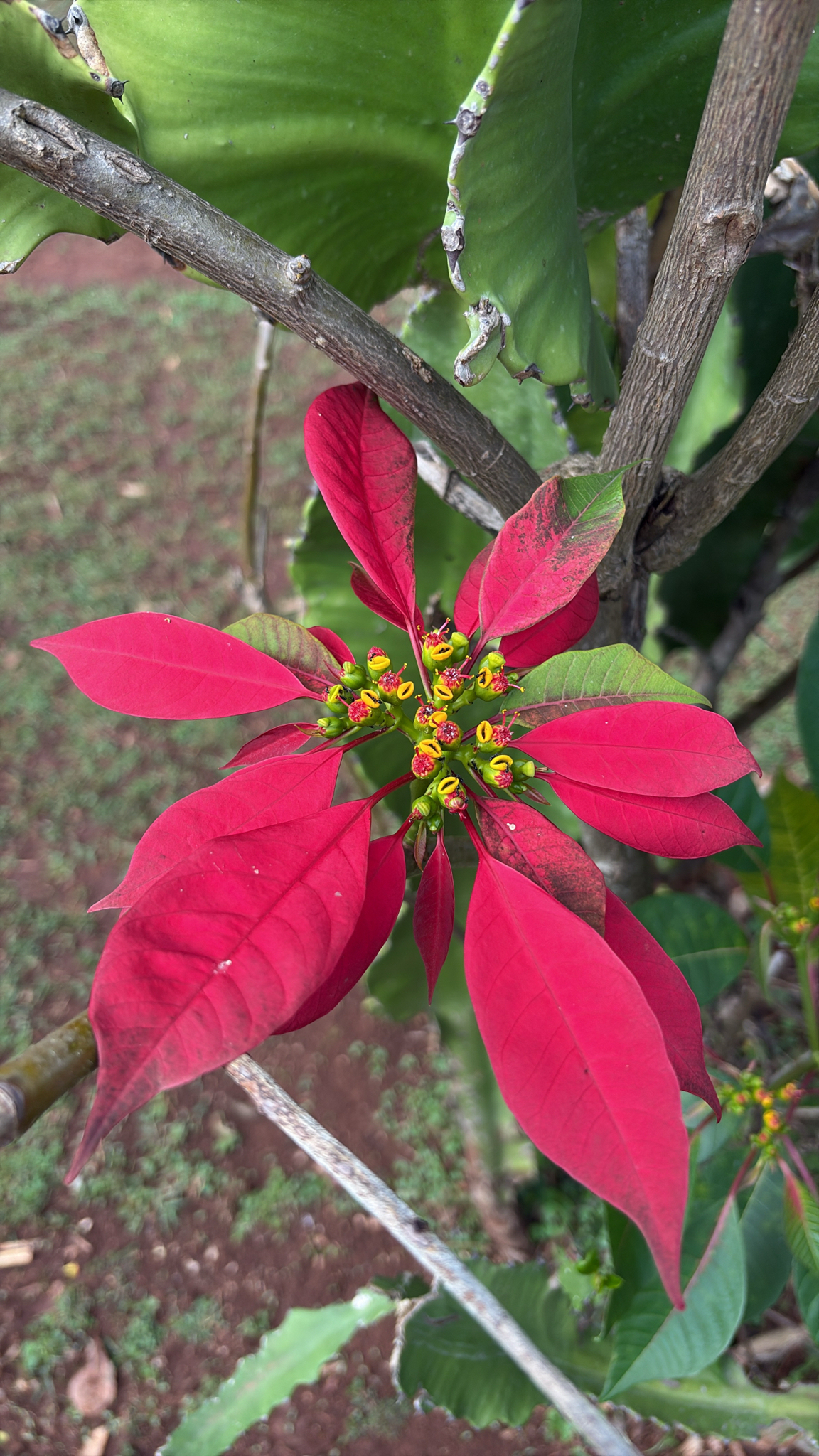
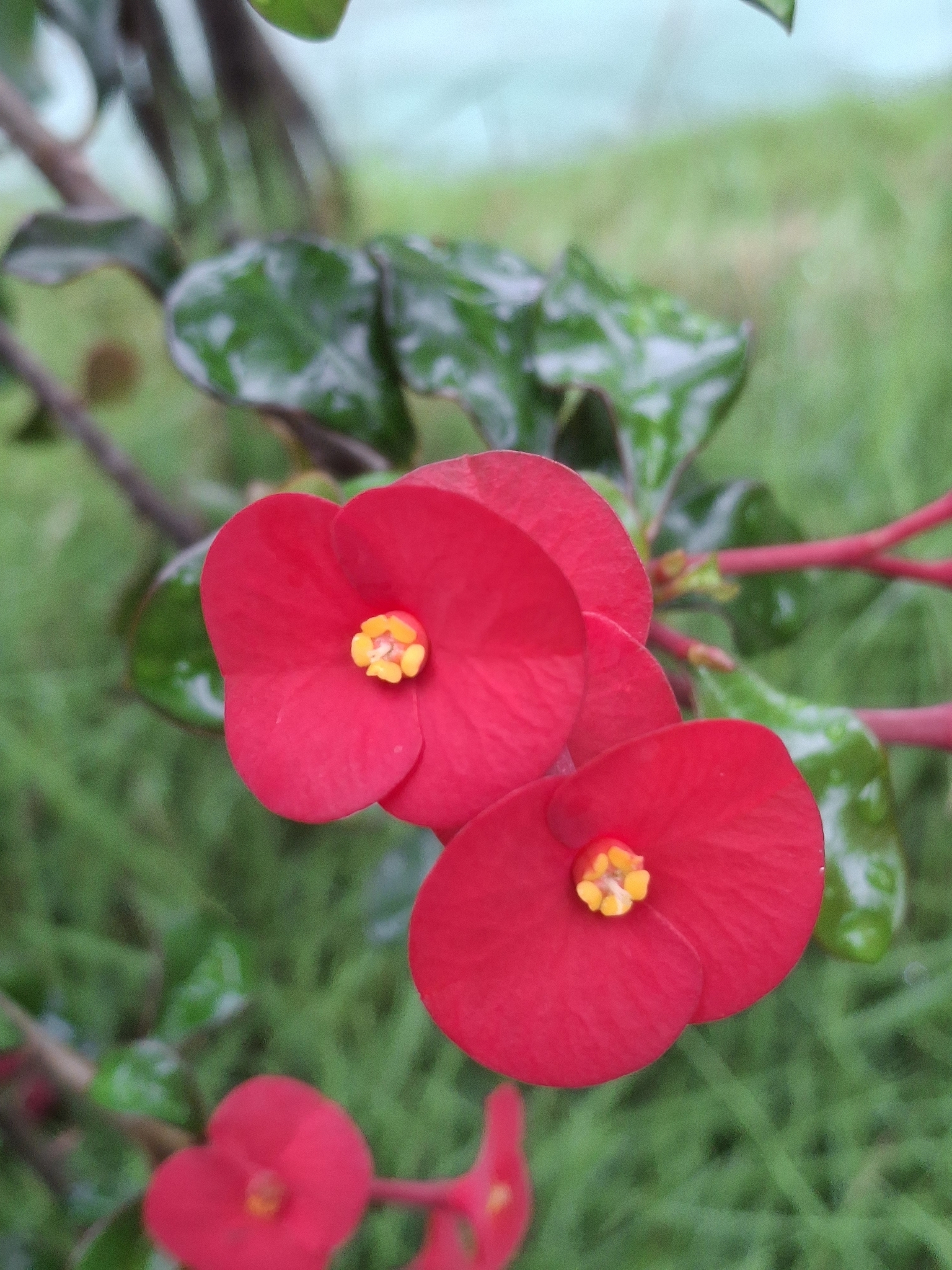
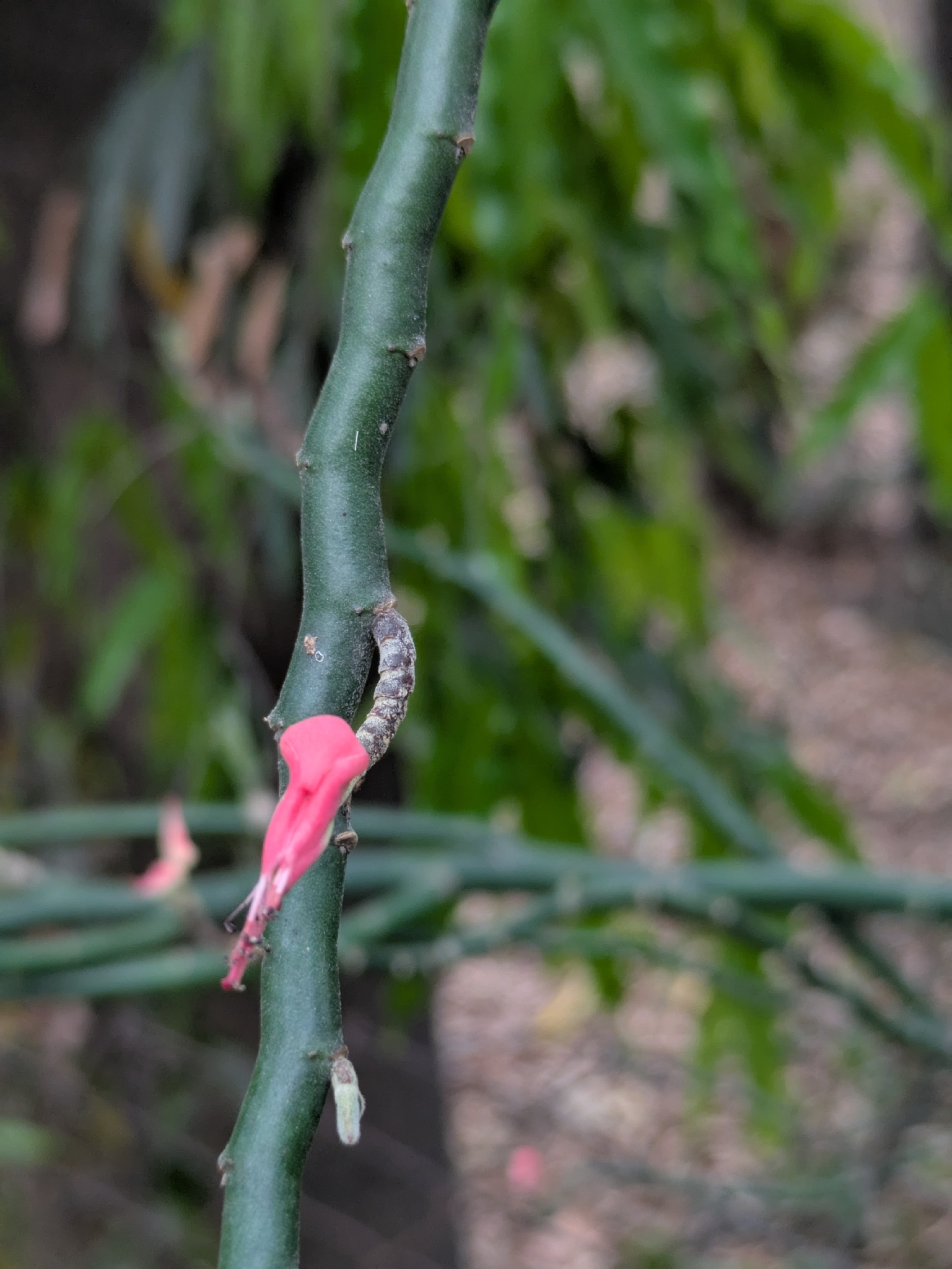
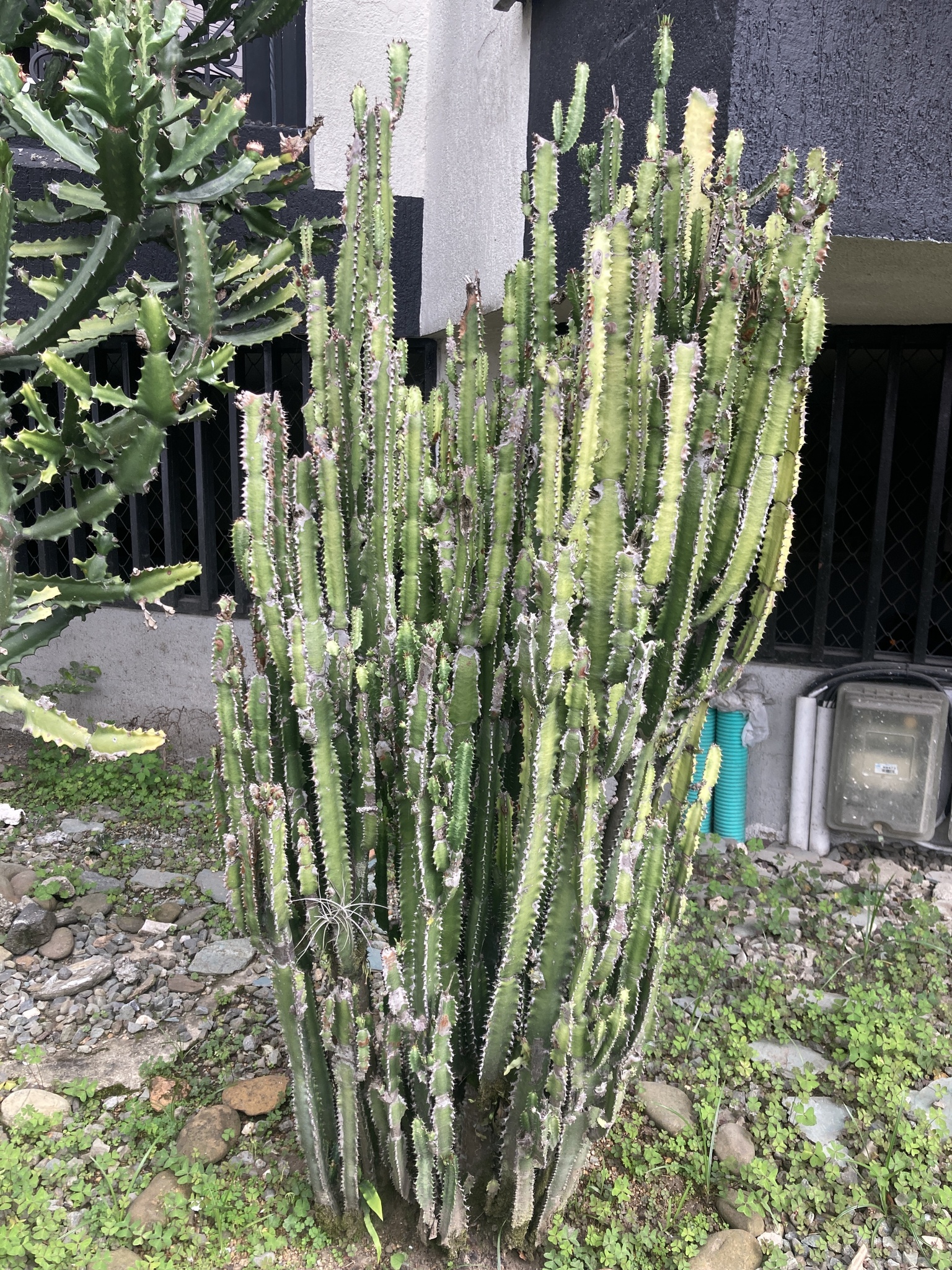
Photos of Euphorbia Hyssopifolia (Euphorbia hyssopifolia)
Common names and botanical synonyms
Botanical classification
| Rank | Name |
|---|---|
| Kingdom | Plantae |
| Division | Tracheophyta |
| Class | Magnoliopsida |
| Order | Malpighiales |
| Family | Euphorbiaceae |
| Genus | Euphorbia |
| Species | Euphorbia hyssopifolia |
Similar in genus Euphorbia
Answers based on plant encyclopedia data