Lonicera Ligustrina (Lonicera ligustrina) – Growing Guide, Care & Benefits | ePlant AI
Lonicera Ligustrina (Lonicera ligustrina)
Lonicera ligustrina is an evergreen shrub with glossy leaves and small, fragrant white flowers followed by dark berries. It's excellent for hedges and borders.
Lonicera ligustrina is a species of evergreen shrub belonging to the honeysuckle family, Caprifoliaceae. It is a member of the genus Lonicera, which encompasses a diverse group of climbing and shrubby plants, many of which are prized for their fragrant flowers and attractive berries. Lonicera ligustrina, while perhaps less widely known than some of its more flamboyant relatives, offers a subtle yet enduring charm, making it a valuable addition to various garden settings and a subject of interest for those seeking adaptable and resilient woody plants.
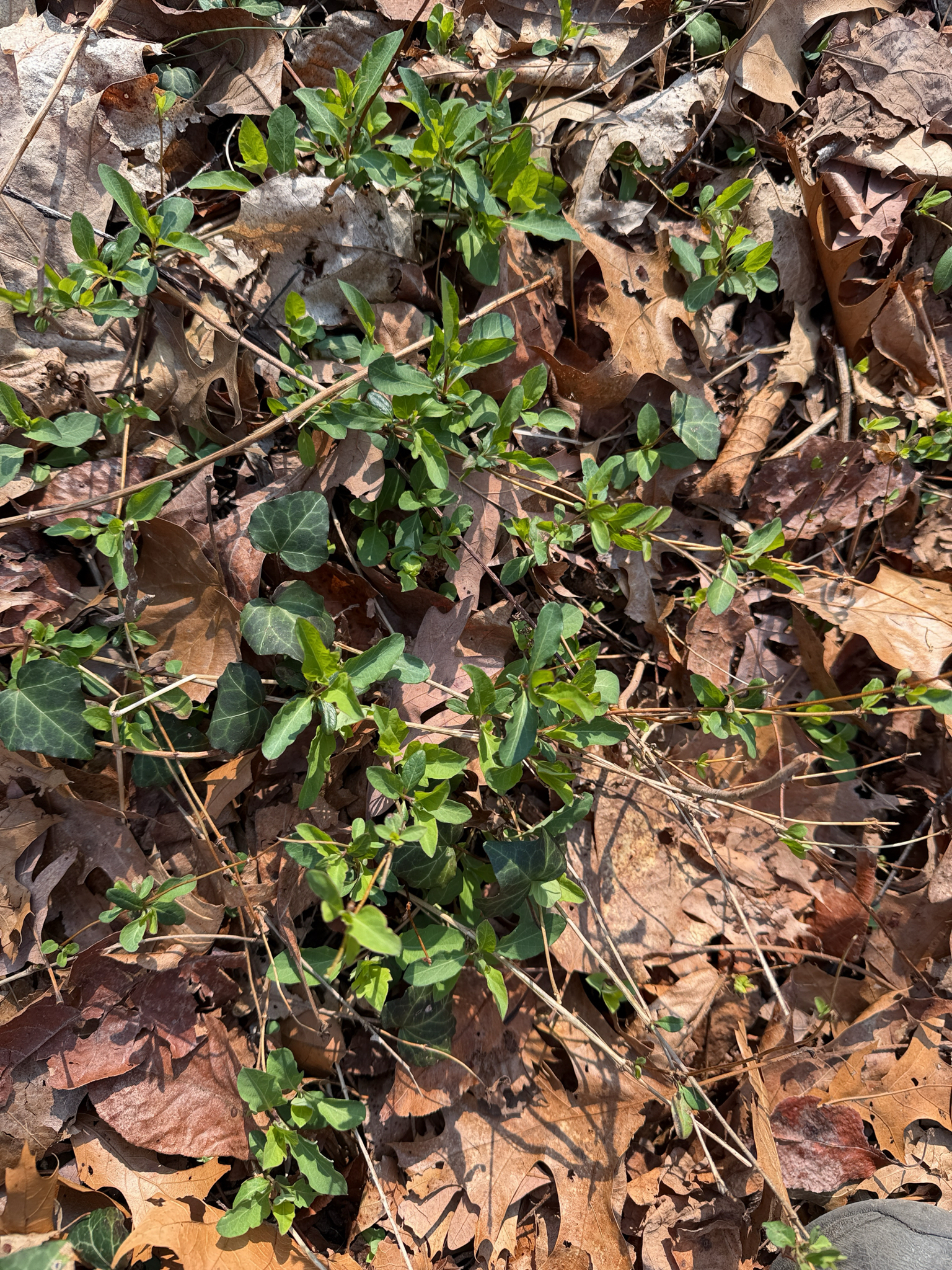
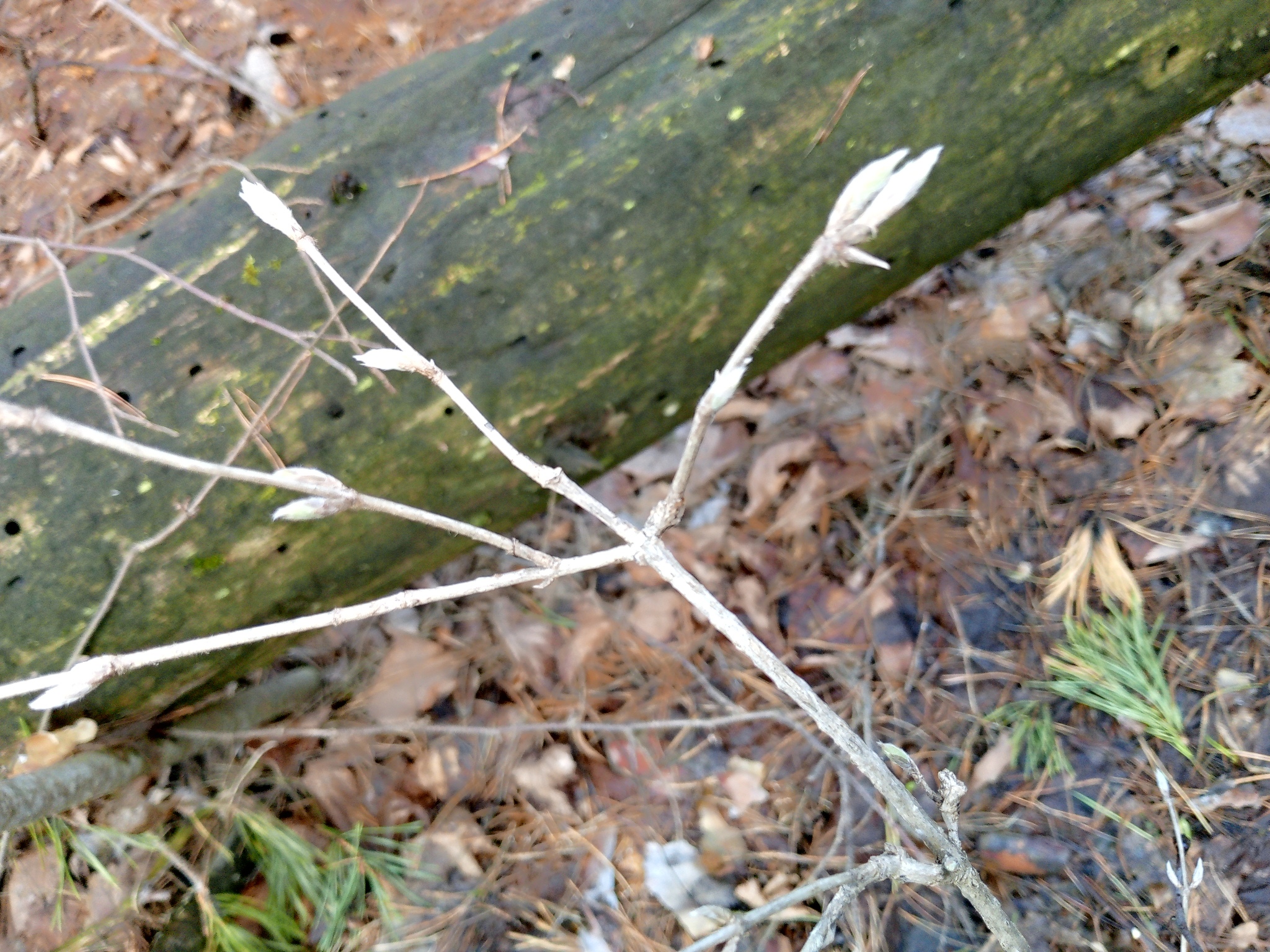
This species typically presents as a dense, rounded shrub, often reaching heights and widths of between 1 to 2 meters. Its growth habit is generally upright and spreading, forming a compact mass of foliage. The leaves of Lonicera ligustrina are a key distinguishing feature; they are simple, opposite, and ovate to elliptical in shape, measuring approximately 2 to 4 centimeters in length. The leaf margins are entire, and the surface is typically a glossy, dark green, providing a rich backdrop throughout the year due to its evergreen nature. The bark is usually smooth and grayish-brown on younger stems, becoming somewhat fissured with age.
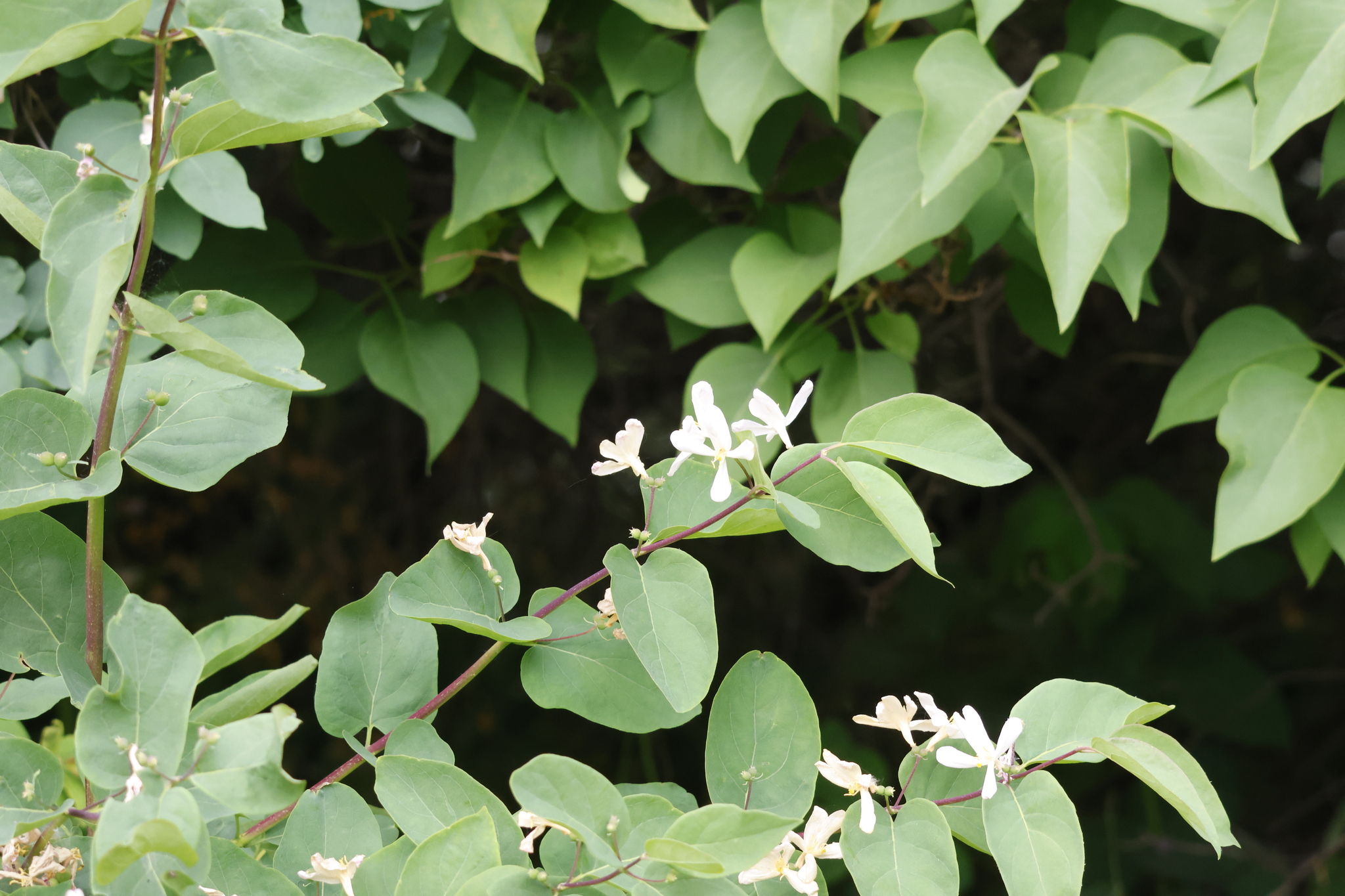
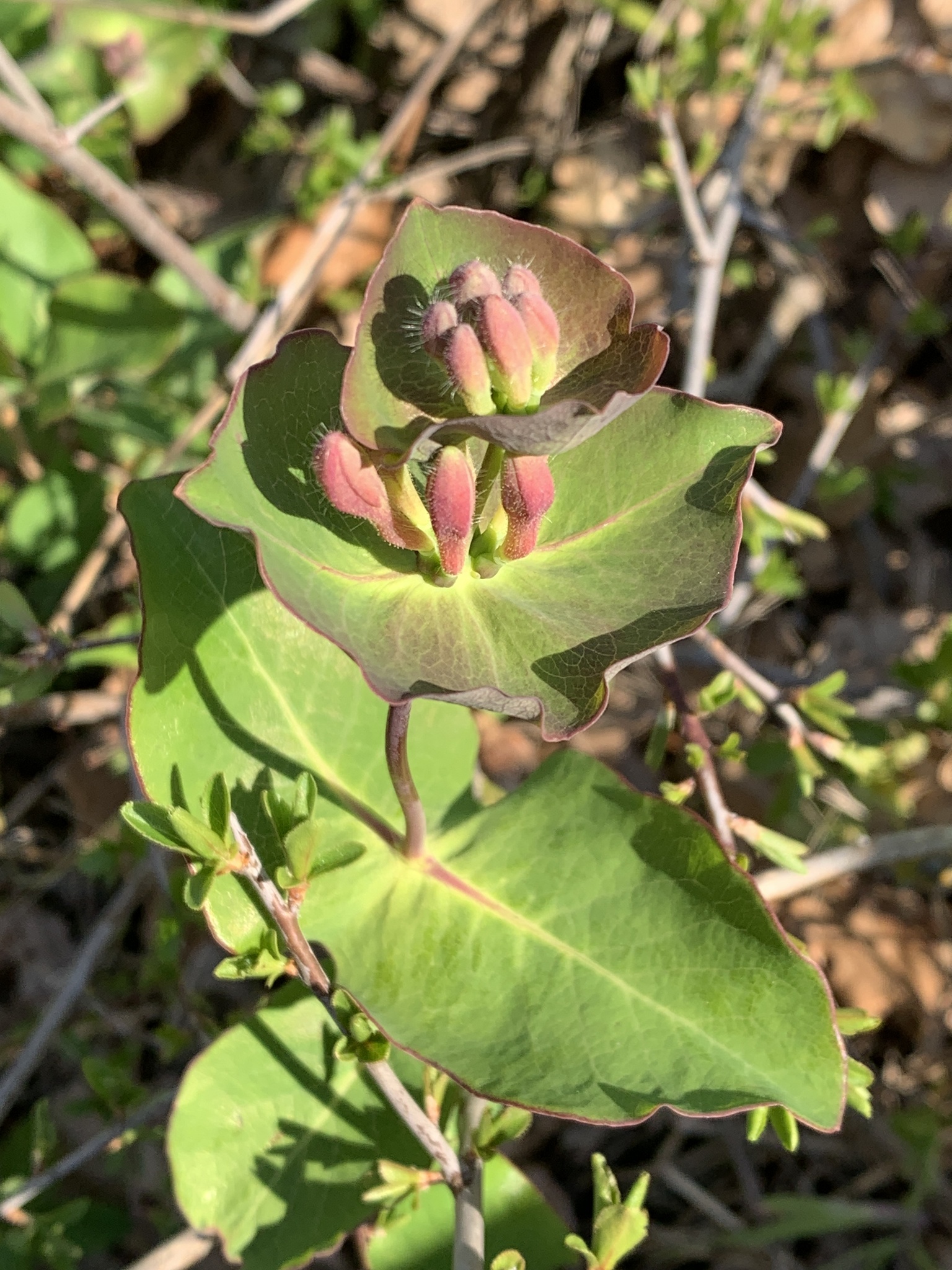
The flowers of Lonicera ligustrina are small and inconspicuous compared to many other honeysuckles. They are typically borne in pairs in the leaf axils and are tubular or funnel-shaped, usually white or creamy white, and often possess a faint, sweet fragrance. These blooms appear in late spring to early summer. Following successful pollination, the plant produces small, globose berries. These fruits are typically dark blue to black when mature and are a food source for various bird species. The seeds are small and contained within the fleshy pulp of the berry.
Lonicera ligustrina is native to a region encompassing parts of China, including provinces such as Sichuan, Yunnan, and Guizhou, as well as extending into neighboring areas. It thrives in its natural habitat in woodlands, shrublands, and along forest margins, often found in areas with well-drained soils and partial shade to full sun. In cultivation, it demonstrates considerable adaptability. It prefers well-drained soil and tolerates a range of soil types, from sandy to loamy. While it performs best with adequate moisture, it is notably drought-tolerant once established, a testament to its resilience. It can be grown in full sun to partial shade, with more compact growth and better flowering generally occurring in sunnier locations. Lonicera ligustrina is hardy and can withstand a range of climatic conditions, making it suitable for many temperate garden environments.
The ecological role of Lonicera ligustrina is primarily as a food source for wildlife, particularly birds attracted to its berries. Its dense foliage also provides shelter and nesting sites for small animals and insects. Ornamentally, its evergreen nature, neat habit, and subtle floral display make it suitable for hedging, specimen planting, or as a component in mixed shrub borders. Its tolerance for pruning allows it to be shaped and maintained as desired. While not a primary agricultural crop, its berries are a natural food source within its native ecosystem. No significant medicinal, culinary, or economic uses are widely documented or scientifically established for this specific species. An interesting characteristic is its ability to adapt to various light conditions, making it a versatile choice for gardeners seeking a low-maintenance evergreen shrub.
Prefers full sun for best flowering and density, but tolerates partial shade.
Watering
Moderate
Allow soil to dry slightly between waterings; reduce in winter.
Soil
Well-drained
Temperature
Moderate
Hardy in temperate climates; prefers cool to moderate temperatures.
Fertilizer
Low
Feed in spring with a balanced fertilizer; avoid over-fertilizing.
Plant Overview
Plant Type
Shrub
Plant Category
Ornamental
Plant Place Type
Garden, Pot
Lifespan
Perennial
Plant Height
0.5-1.0 m
Spread
0.5-1.0 m
Growth Rate
Moderate
Dormancy
Semi-evergreen
Leaf Color
Green, Grey-green
Leaf Type
Evergreen
Flower Size
0.5-1 cm
Optimal Sunlight Lux
86000
Image Gallery
Flowering & Fruiting Cycles
Monthly activity intensity for bloom and fruit across both hemispheres.
Northern hemisphere
Flowering & fruiting calendar
Peak bloom · JunPeak fruit · Sep
FloweringFruiting
Southern hemisphere
Flowering & fruiting calendar
Peak bloom · JunPeak fruit · Sep
FloweringFruiting
Synonyms
Xylosteon ligustrinum (Wall.) D.Don
Taxonomy
kingdomPlantae
divisionTracheophyta
classMagnoliopsida
orderDipsacales
familyCaprifoliaceae
genusLonicera
speciesLonicera ligustrina
Toxicity
Toxic for humans
No
Rating: 0/5
Toxic for pets
No
Rating: 0/5
Edible
No
Additional Care Tips
Water regularly during the growing season, especially in dry periods, allowing the soil to dry out slightly between waterings. Reduce watering in winter. Ensure good drainage to prevent waterlogged roots, which can lead to root rot.
Prune in late winter or early spring before new growth begins. Remove any dead, damaged, or crossing branches. Can be pruned to shape or size as desired for hedges or ornamental purposes. Avoid hard pruning into old wood.
Propagate from semi-hardwood cuttings taken in summer. Dip the cut end in rooting hormone and plant in a well-draining potting mix. Maintain consistent moisture and warmth for successful rooting. Seed propagation is also possible but slower.
Repot young plants annually in spring. Mature plants can be repotted every 2-3 years, or when rootbound. Use a good quality, well-draining potting mix. Ensure the new pot is only slightly larger than the previous one.
FAQs
What are the typical mature dimensions of Lonicera ligustrina?
Lonicera ligustrina typically grows to a height of 1 to 2 meters and a spread of 1 to 2 meters.
What are the soil and light requirements for Lonicera ligustrina?
It prefers well-drained soil and can tolerate full sun to partial shade.
Is Lonicera ligustrina evergreen?
Yes, Lonicera ligustrina is an evergreen shrub.
When does Lonicera ligustrina bloom?
The small, fragrant white flowers typically appear in late spring to early summer.
How should Lonicera ligustrina be pruned?
Pruning can be done after flowering to shape the plant and maintain its size. Light pruning can be done anytime to remove dead or damaged stems.